How Big Do Yellow Perch Get in Maryland?
Ah, the yellow perch! If you've spent any time fishing Maryland's creeks, rivers, or the Upper Chesapeake Bay, you've undoubtedly encountered these feisty, often delicious, little fish. But if you're like many anglers, you've probably wondered, "How big do these yellow and orange beauties actually get here in Maryland?" It can be a real head-scratcher when you pull in a handful of bait-stealers, only to hear tales of someone's uncle catching a "dinner plate" sized perch. This guide is here to unravel that mystery, giving you a realistic picture of yellow perch sizes in our state, what makes some bigger than others, and where you might just hook into your own trophy.
Understanding Yellow Perch Growth in Maryland's Diverse Waters
Maryland's waters offer a fantastic habitat for yellow perch, from the cold, clear tributaries of the Upper Chesapeake to the vast expanse of the Bay itself, and even some of our larger reservoirs. Their growth, like any fish, isn't a one-size-fits-all scenario. It's a delicate dance between their environment, food sources, and even their own numbers.
The Average Size You Can Expect
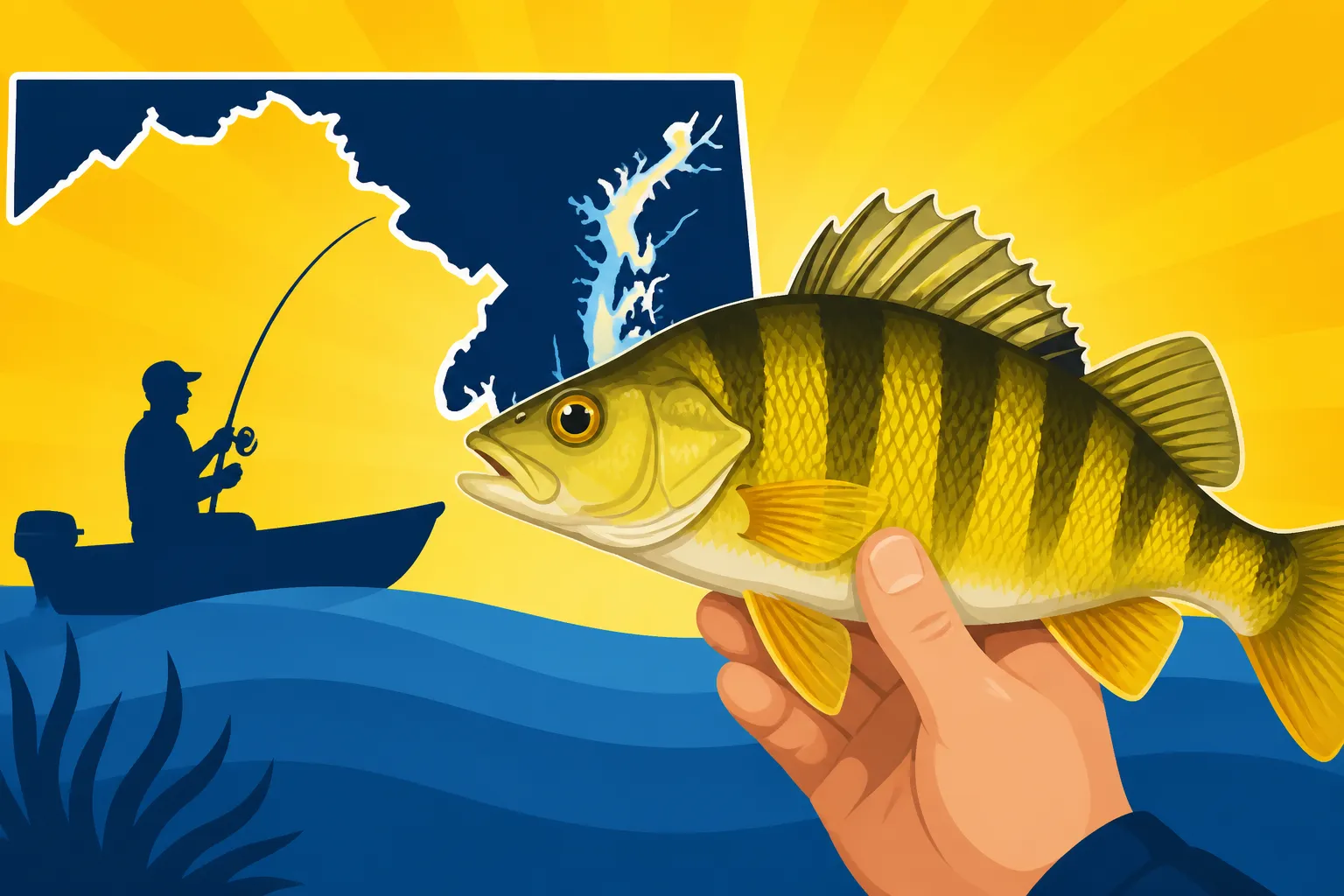
When you're out fishing for yellow perch in Maryland, especially during their popular spring spawning runs, you'll most commonly encounter fish in the 6 to 9-inch range. These are your everyday, bread-and-butter perch. They're fun to catch, put up a decent fight on light tackle, and are perfect for a fish fry. Many anglers consider a 7-inch perch a respectable catch, and if you string together a dozen of these, you're looking at a fantastic meal.
However, don't let the average fool you into thinking that's all there is. On a good day, in healthy waters, you'll certainly start picking up fish in the 10 to 12-inch class. These are what many call "slabs" – plump, thick-bodied fish that have had a few good years under their belts. They feel significantly heavier and provide a much more satisfying bend to your rod. Anything over 12 inches is truly noteworthy for most anglers and often makes for a great photo. While smaller fish dominate the catch, it’s those larger specimens that keep us coming back, always hoping for that next big one.
Factors Influencing Perch Size
So, what separates the common 7-incher from that coveted 12-inch slab? It boils down to several key environmental and biological factors, creating a complex interplay that determines the overall health and size potential of a yellow perch population.
First and foremost is habitat quality. Yellow perch thrive in clear, cool to moderately warm water with plenty of submerged structure like fallen trees, weed beds, or rock piles. These areas provide both shelter from predators and ambush points for their prey. A water body with diverse habitat, good water quality (meaning adequate oxygen levels and minimal pollution), and stable temperatures will generally support healthier, faster-growing perch. Think about the pristine conditions of some of the Eastern Shore rivers or the less disturbed areas of the Upper Bay – these are often prime spots.
Food availability is another massive factor. Yellow perch are opportunistic feeders, munching on everything from aquatic insects and small crustaceans to minnows and the eggs of other fish. If a particular body of water has an abundant and diverse forage base, the perch living there will have a much easier time packing on the pounds. Conversely, in waters where competition for food is high or prey is scarce, perch may be stunted, reaching maturity at smaller sizes. This is a crucial element that contributes to the overall growth rate.
Population density also plays a significant role. If a body of water is overcrowded with yellow perch, there's increased competition for food and space. This can lead to what biologists call "stunting," where the fish simply don't grow to their full potential because resources are spread too thin among too many individuals. Sometimes, catching many smaller perch in a particular spot might actually indicate an overpopulation issue rather than just a concentration of young fish.
Finally, genetics can contribute. Just like people, some fish are simply predisposed to grow larger and faster than others. While less controllable by external factors, certain populations might have a stronger genetic lineage for larger growth. It’s a fascinating aspect of fish biology that contributes to the overall potential of a fishery.
Maryland's Trophy Yellow Perch: What's Considered Big?
Every angler dreams of that truly exceptional catch, and with yellow perch, a "trophy" fish is certainly a memorable one. It takes a combination of good fishing skills, persistence, and often, a bit of luck, to find those true giants.
Defining a "Trophy" Yellow Perch
While an 11 or 12-inch yellow perch is definitely a fantastic catch and worthy of bragging rights for most anglers, when we talk about a true "trophy" in Maryland, we're generally looking at fish that are 13 inches and larger. These are exceptional specimens that might weigh over a pound, sometimes approaching two pounds. They have broad shoulders, deep bodies, and often a more vibrant coloration. Catching one of these is often a highlight of an angler's year, maybe even their fishing career.
The ultimate benchmark, of course, is the state record. While specific numbers can change, Maryland has a long-standing state record yellow perch that measured an impressive length and weight, showcasing the true potential of the species in our waters. While setting a new state record is a monumental feat, understanding what those record-breaking fish looked like gives you a sense of the upper limits. For the average angler, consistently catching fish over 12 inches during a session is a phenomenal achievement and definitely puts you in the "trophy hunter" category for yellow perch.
Where the Big Ones Hide
Big yellow perch didn't get big by being careless. They are often found in specific environments that offer both abundant food and safety. To increase your chances of finding these giants, you need to think a little differently than when targeting average-sized perch.
Deep holes and channel edges are prime locations, especially in larger river systems like the Nanticoke, Choptank, or Susquehanna. These deeper areas provide stable temperatures and often hold schools of baitfish, which larger perch prefer. Look for areas where the main channel has a sharp drop-off or where tributaries merge, creating current breaks and deep pockets. Yellow Perch Runs in Maryland's Upper Chesapeake Bay often lead these larger fish into specific staging areas before they push far upstream to spawn.
Submerged structures are goldmines. This includes oyster beds (especially in the Chesapeake Bay), sunken brush piles, old bridge pilings, rock formations, and even man-made debris. These structures provide excellent ambush points for larger perch to surprise passing baitfish, and also offer protection. If you're fishing a wider area, consider using a good fish finder to locate these hidden gems.
Areas with abundant forage are also key. Big perch are looking for bigger meals. Focus your efforts where you see schools of baitfish, or where you know there's a good population of minnows or larger insect larvae. Sometimes, the bigger perch will hold just outside the main schools of smaller perch, waiting for an easier meal to present itself.
Rivers and tributaries on Maryland’s Eastern Shore, such as the Fishing the Choptank River and the Chester River, are particularly renowned for their strong yellow perch populations, including some truly impressive fish. Likewise, the larger reservoirs and lakes in other parts of the state can also hold some surprises for those willing to explore.
Strategies for Targeting Larger Yellow Perch
Landing a "slab" yellow perch isn't just about luck; it's often about employing specific techniques and knowing when and where to present your offerings. If you're consistently catching smaller fish, it might be time to refine your approach.
Tackle and Lure Selection for Bigger Bites
When you're actively trying to weed out the smaller fish and entice those larger perch, your tackle choices matter. While smaller jigs and bait can catch anything, going slightly larger can often deter the smaller, more aggressive fish and appeal more to the bigger, more cautious ones.
Consider using small blade baits or jigging spoons in silver or gold colors. These mimic baitfish and, when jigged vertically, can attract attention from a distance. Another excellent choice is a 1/16 to 1/8 ounce jig head paired with a 2-inch plastic grub or minnow imitation. Colors like chartreuse, white, or pumpkinseed can be very effective. Many anglers find a good selection of these on Amazon, ensuring they have a variety to try.
For bait, while worms are always a classic, consider offering a larger live minnow or a piece of cut bait. This bigger profile can make smaller perch hesitate, giving the larger ones a chance to move in.
Your rod and reel setup should ideally be ultralight to light action. This allows you to feel the subtle bites of perch, but also provides enough backbone to handle a larger fish in current or near structure. A 6 to 7-foot rod with a fast tip and 4 to 6-pound test monofilament or braided line is a perfect combination. If you're using braided line, a short fluorocarbon leader (2-4 feet) can provide extra abrasion resistance and make your presentation more invisible.
Timing and Location are Key
Catching big yellow perch is often about being in the right place at the right time. Understanding their seasonal movements and preferred conditions can dramatically improve your success.
The absolute best time to target larger yellow perch is during their spring spawning runs. This is when these fish congregate in large numbers in the upper reaches of tidal rivers and creeks, making them more accessible and concentrated. The timing can vary slightly each year based on water temperature, but it typically kicks off in late February and continues through March, sometimes into April. Monitoring local fishing reports and water temperatures is crucial. When the water temperatures reach the upper 40s to low 50s Fahrenheit, the action usually heats up. You can learn more about this general period in articles like Best Month to Catch Yellow Perch in Maryland or Where Do Yellow Perch Spawn in the Upper Bay?.
During the summer months, larger yellow perch tend to move to deeper, cooler water. Look for them around deeper channel edges, submerged humps, or under docks and piers that offer shade and structure. Early morning and late evening are often the most productive times.
In the fall, as water temperatures begin to drop, perch will become more active again, feeding heavily in preparation for winter. They might spread out a bit more but can still be found in similar structured areas as in summer, just perhaps shallower for shorter periods.
Understanding the influence of tides is also critical, especially in the Chesapeake Bay and its tidal rivers. How Tides Affect Fishing in Maryland's Chesapeake Bay applies to yellow perch as much as it does to striped bass. Moving water, particularly around the top or bottom of the tide, often triggers feeding activity. Slack tide can be slower, but sometimes the largest fish are caught during these quiet periods as they feel less threatened.
Embracing Catch and Release for Future Giants
While yellow perch are undeniably tasty, if your goal is to help maintain and foster populations of large trophy fish, embracing catch and release for the bigger ones is a fantastic practice. Releasing the largest, healthiest spawning fish ensures they can contribute to future generations, helping to create more opportunities for everyone to catch a big one down the line.
When practicing catch and release, handle fish gently. Use a rubberized net to minimize scale damage, and try to keep the fish in the water as much as possible. If you must remove it, do so quickly, snap a photo, and release it. Avoid squeezing the fish or touching its gills. A healthy release means that fish can grow even larger and continue to spawn for years to come. It’s a small effort that yields big rewards for the fishery.
Yellow Perch and Maryland's Ecosystem
Yellow perch are more than just a fun fish to catch; they play a vital role in the intricate web of Maryland's aquatic ecosystems. Understanding their place can give you a deeper appreciation for this often-underestimated species.
The Role of Yellow Perch in the Food Chain
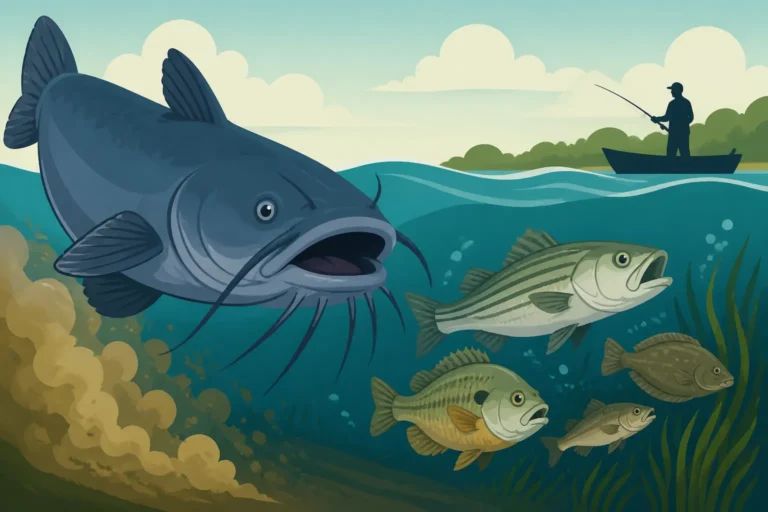
Yellow perch are a classic example of a mesopredator in many Maryland waters. This means they are both predator and prey, occupying a crucial middle ground in the food chain. As juveniles, they are a primary food source for a wide array of larger fish, including striped bass (often called rockfish here in Maryland), chain pickerel, and even larger blue catfish or northern snakeheads. Imagine a school of juvenile perch darting through the shallows – they're essentially protein-packed snacks for bigger fish on the prowl.
As they grow larger, yellow perch become more formidable predators themselves. Their diet primarily consists of aquatic insect larvae, small crustaceans, and, importantly, the young of other fish species, including their own. This helps to regulate populations and maintain a balance within the ecosystem. By consuming vast numbers of invertebrates, they help control bug populations, and by eating smaller fish, they can sometimes even influence the dynamics of other fish species. Understanding the subtle differences between species like White Perch vs Yellow Perch in Maryland, What's the Difference highlights how each occupies a slightly different niche but collectively contributes to the health of the system.
Conservation Efforts and Healthy Populations
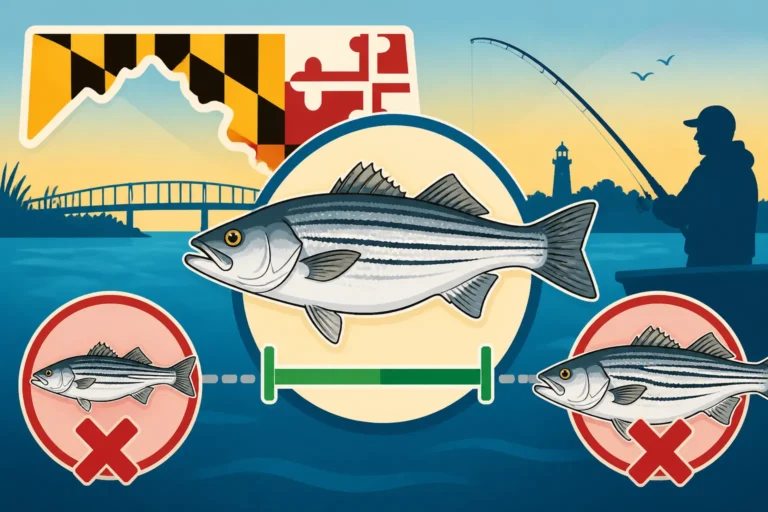
Maryland's Department of Natural Resources (DNR) actively manages yellow perch populations to ensure their sustainability for future generations of anglers. This involves monitoring population sizes, assessing habitat health, and setting appropriate Maryland Fishing Size and Catch Limits by Species. These regulations are designed to protect the breeding stock and allow enough fish to reach maturity and spawn successfully.
Maintaining healthy yellow perch populations also relies heavily on habitat preservation. Protecting the water quality of our rivers and the Chesapeake Bay, preserving vital spawning habitats in upstream creeks, and preventing degradation of submerged aquatic vegetation are all crucial components. Without clean water and intact habitats, even the best fishing regulations won't be enough. Organizations and local watershed groups often work to restore riparian buffers and reduce runoff, which directly benefits species like yellow perch.
Anglers also play a part. By adhering to regulations, practicing responsible catch and release (especially for those larger, egg-laden females during spawning season), and reporting any observed violations, we all contribute to the long-term health of this beloved Maryland fish. When you think about it, catching a yellow perch is more than just a fun outing; it’s a connection to a thriving ecosystem that we all have a hand in protecting.
Comparing Yellow Perch Sizes: A Quick Look
Here's a handy table to give you a quick overview of what to expect when it comes to yellow perch sizes in Maryland:
| Category | Typical Length Range (Inches) | Typical Weight Range (Pounds) | Notes |
|---|---|---|---|
| Juvenile | 3-6 | Less than 0.25 | Often caught in large numbers, not typically targeted for size. |
| Average Catch | 6-9 | 0.25 – 0.75 | Most common size caught; excellent eating fish. |
| "Slab" Perch | 10-12 | 0.75 – 1.25 | Considered a very good catch; thicker body, stronger fight. |
| Trophy Perch | 13+ | 1.25+ | Rare and highly sought after; often caught in specific prime conditions. |
| State Record | Varies, but significantly larger | 2+ | The ultimate achievement; exceedingly rare. |
This table provides a general guide, but remember, every fish is unique, and conditions on any given day can vary. The thrill of fishing is in the chase and the surprise of what you might pull up next!
Disclaimer
This article is for general informational purposes only and does not constitute professional advice. Laws, prices and regulations vary by location and change over time. Consult a qualified professional for guidance on your specific situation.