Best Month to Catch White Perch in Maryland
Anglers in Maryland often wonder when they have the best chance of filling a cooler with delicious white perch, and it can be frustrating to plan a trip only to find the bite is slow. There’s nothing worse than dedicating a day to fishing only to come up empty-handed. This comprehensive guide will help you pinpoint the prime months to target white perch across Maryland's diverse waters, ensuring your next fishing adventure is a successful one, no matter if you're a seasoned pro or just starting out.
The Peak of White Perch Action: Spring Spawning Runs
Without a doubt, the spring months are absolutely phenomenal for white perch fishing in Maryland, especially if you’re looking to catch a lot of fish in a relatively short amount of time. This is when these feisty little fighters leave their deeper wintering grounds and embark on their annual spawning migration up the tributaries. It's truly one of the most exciting times to be on the water, whether you're fishing from shore, a pier, or a boat. You can almost feel the anticipation in the air as the water temperatures begin to climb.
The Annual Migration Upstream
As early as March, and certainly by April, the waters of Maryland's Chesapeake Bay tributaries begin to warm, triggering the instinct for white perch to move. They'll push far up into the shallow creeks and rivers, sometimes traveling miles inland, searching for suitable spawning grounds. This is when anglers can really capitalize, as the fish are concentrated and often very aggressive. Think of places like the upper reaches of the Choptank River, the Patuxent River, the Chester River, or even smaller creeks feeding into the main bay; these become hotspots during this period.
During these migrations, the white perch are driven by biological imperative, making them less wary and more focused on their journey. They’ll gather in massive schools, sometimes so thick you can see them on your fishfinder like a solid bottom. This schooling behavior is what makes spring fishing so productive; once you find a school, you can often catch fish after fish until your arm aches. It's not uncommon to hear stories of anglers catching dozens in an hour during a good spring run.
The ideal water temperature for the white perch spawn is typically between 50 and 60 degrees Fahrenheit. If you're tracking water temperatures, you’ll know exactly when to start looking for them in the shallower, brackish areas. These conditions encourage them to feed heavily before and during the spawning process, making them eager to strike a variety of baits and lures. Understanding why white perch move into creeks to spawn is key to anticipating their movements and being in the right place at the right time.
Prime Conditions for a Spring Perch Bonanza
The best conditions for spring white perch fishing often involve a rising tide, especially in the upper reaches of the rivers where tidal influence is still present. A rising tide brings in warmer water and baitfish, which further stimulates the perch. Look for areas with submerged structure, fallen trees, or grass beds where the perch might stage before moving further upstream. Many anglers swear by fishing around culverts or bridge pilings in these creeks, as they create natural ambush points.
For bait, nothing beats fresh bloodworms or grass shrimp during the spring run. These natural offerings are irresistible to hungry white perch. You can typically find these at local tackle shops, and sometimes even a trip to your local Walmart or sporting goods store will yield some good options. Small jigs tipped with a piece of Gulp! or a curly tail grub also work wonders. Light tackle is key here – a sensitive rod and reel combination will help you feel those subtle bites.
If you’re wondering about specific locations, many public piers and shore fishing spots in Maryland become absolute magnets for perch anglers in the spring. Places like Sandy Point State Park or sections along the Patuxent River near Solomons Island offer fantastic access, sometimes leading to incredible catches right from shore. Just remember to check the local regulations, including any Maryland Fishing Size and Catch Limits by Species that might apply, as they can vary by waterbody.
Summer Sustenance: Reliable Perch Fishing
While the explosive spring run may grab all the headlines, white perch fishing remains incredibly reliable throughout the summer months in Maryland. It just shifts in location and technique. As the water warms significantly, the perch will vacate the shallow spawning grounds and move back into deeper, cooler waters of the main bay and larger tributaries. Don’t despair if you missed the spring fever; summer offers its own unique charm and challenges for perch anglers.
Deep Water Retreats and Structure Fishing
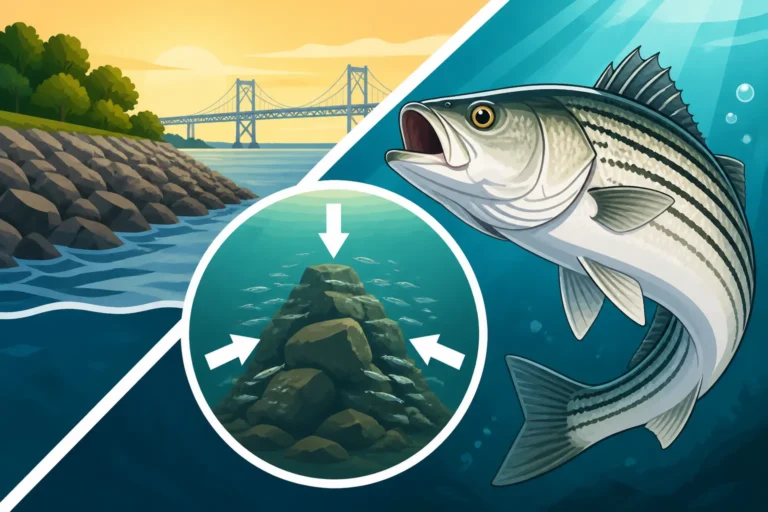
Once summer fully sets in, white perch move to deeper channels, oyster reefs, artificial structures like bridge pilings, and even deeper docks. They seek out these cooler, more oxygenated waters where baitfish are abundant. This often means fishing from a boat or targeting deeper piers that extend into the main channels. If you're using a fish finder, you'll see schools of perch hugging the bottom around these structures. They might not be as concentrated as during the spring run, but they are still there and actively feeding.
Targeting structure is paramount in summer. Look for oyster beds, sunken boats, rock piles, or channel edges – anything that offers cover and a consistent food source. Your fishing strategy should involve anchoring upcurrent or updrift of these structures and presenting your bait so it washes naturally into their hiding spots. A simple bottom rig, often called a "perch rig" with two small hooks and a sinker on the bottom, is incredibly effective. You can find pre-tied perch rigs on Amazon or at any local bait shop, which makes setup a breeze.
Popular baits for summer white perch include grass shrimp, bloodworms (still excellent, but can be expensive), small pieces of peeler crab, or even small minnows. Artificial lures like tiny spinners (Mepps or Rooster Tail), very small bucktail jigs, or soft plastic grubs in white, chartreuse, or motor oil colors can also be deadly when cast and retrieved slowly along the bottom. The key is to match the hatch and present something small and appealing to their opportunistic feeding habits.
Evening and Night Bites
The mid-day summer sun can make fishing tough, not just for you but for the perch too, as they often become lethargic in the warmest part of the day. This is why many experienced Maryland anglers turn to evening and night fishing for white perch during the summer. As the sun dips below the horizon, water temperatures cool, and the perch become significantly more active, moving out of their deep-water sanctuaries to feed in slightly shallower areas.
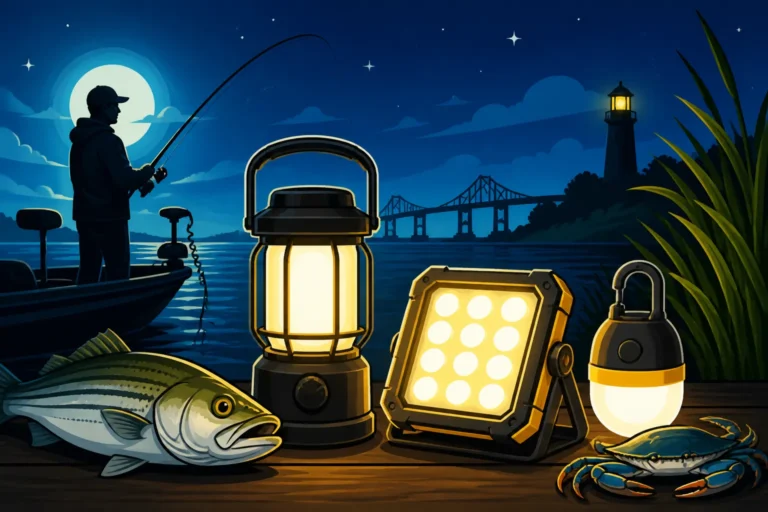
Fishing around well-lit piers, bridges, or docks after dark can be incredibly productive. The lights attract baitfish, which in turn attract the perch. Many of the best piers and shore fishing spots in Maryland are known for their night fishing opportunities. For instance, fishing the Bay Bridge Pilings after dark for a variety of species, including white perch, can be a fantastic experience. Use small glow-in-the-dark jigs or rig your bait under a bobber with a small chemical light stick to make it visible.
When fishing at night, sound and vibration also play a role. Tiny rattle traps or spinnerbaits can sometimes provoke a strike from a curious perch. Remember to bring a headlamp, insect repellent, and plenty of water or other refreshments. The peaceful calm of a summer night, broken only by the splash of a fish, is a unique and rewarding experience. This shift in timing means you can still enjoy fantastic fishing, even when the heat of the day might push you off the water.
Fall Feeding Frenzy: Preparing for Winter
As autumn arrives and the air turns crisp, Maryland’s white perch kick their feeding into high gear, making fall an outstanding time to target them. This period, typically from September through November, sees white perch engaging in a "fall feeding frenzy" as they prepare for the lean winter months. They’ll be actively bulking up, making them readily available and often more aggressive than any other time of year outside of the spring spawn.
Schooling Behavior and Aggressive Bites
In the fall, white perch begin to school up again, much like in the spring, but often in deeper parts of the bay and its major tributaries. They’ll congregate around channel edges, oyster reefs, and points where they can ambush schools of baitfish, such as juvenile menhaden, silversides, and peanut bunker. These larger schools mean that once you locate them, you can experience fast and furious action. The fish are often bigger in the fall too, having had a full season of growth.
The cooler water temperatures of fall invigorate the perch, leading to more aggressive bites. Unlike the subtle taps you might feel in summer, fall perch often hit with a solid thud or a strong pull, making them a joy to catch. This is a fantastic time for both boat anglers and shore-based anglers with access to deeper water. Fishing the mouths of major rivers as they empty into the Chesapeake Bay, like the Patuxent or the Choptank, can be particularly productive. Many anglers find the Fall White Perch Fishing in Maryland's Chesapeake Bay to be some of the best fishing all year.
Look for signs of baitfish on your sonar or visual cues like diving birds, which often indicate bait schools being pushed to the surface by predatory fish, including striped bass and, of course, white perch. Using a cast net to catch some live bait, like small minnows or peanut bunker, can also be a game-changer. Presented on a simple bottom rig, live bait is often irresistible to these hungry perch. Just remember to use smaller hooks to accommodate their mouths.
Transitioning to Cooler Water Tactics
As fall progresses and water temperatures continue to drop, white perch will start to move towards their wintering grounds in the deepest sections of the bay and its tributaries. Your tactics should adjust accordingly, focusing on presentations that get your bait or lure down to them quickly and effectively. Heavier perch rigs, metal jigs, or even small spoons become more effective as you target these deeper holding patterns.
The fall season is also a great time to experiment with different artificial lures. Small jigging spoons, like a Kastmaster or StingSilver, can be dropped to the bottom and jigged vertically to mimic struggling baitfish, drawing strikes from aggressive perch. Soft plastic grubs on jig heads, especially in darker colors like pumpkinseed or junebug, can also be very effective when fished slowly along the bottom. You can find a wide array of these lures and tackle accessories online through retailers like Amazon, ensuring you’re well-equipped for the colder water.
Don't overlook fishing during the changing tides, particularly the beginning of an incoming or outgoing tide. These periods often concentrate bait and activate the feeding instincts of the white perch. While the specific month will dictate exact water temperatures, generally, October and early November offer fantastic action before the fish settle into their deepest winter patterns. If you're planning a trip to the bay, be sure to check out a Maryland Fishing License Guide for 2026 to ensure you're compliant with all regulations.
Winter Wonders: The Challenge and Reward
Winter fishing for white perch in Maryland isn't for the faint of heart, but it can be incredibly rewarding for those willing to brave the colder temperatures. While the numbers caught might not rival the spring run, winter offers the chance to catch some of the largest, fattest white perch of the year. The fish are less active, but they are still there, hunkered down in their deep-water sanctuaries.
Finding Deep Pockets and Channels
In the coldest months, from December through February, white perch retreat to the deepest pockets and channels of the Chesapeake Bay and its major rivers. They seek out stable water temperatures and often congregate in massive, tight schools. This is where a good fishfinder becomes invaluable, as locating these schools is the biggest challenge. Without one, you're essentially searching for a needle in a haystack. Target depths can range from 20 to 50 feet or more, depending on the specific body of water.
The key to winter success is patience and precision. Once you find a school, you'll need to present your bait directly to them. Vertical jigging with small metal jigs or heavy-bottom rigs is the most effective method. Use sensitive gear to detect their often very subtle bites, which might feel more like added weight than an aggressive strike. Look for areas known for deep holes, like the mainstem of the Chesapeake Bay near the Bay Bridge or deeper sections of the Patapsco or Severn Rivers.
Though less active, white perch still feed in winter, albeit more slowly. Bloodworms, small pieces of nightcrawler, or tiny soft plastics can tempt them. Focus on slow presentations – a very slight lift and drop, or simply holding your bait perfectly still right in front of them. It's a game of finesse, but the payoff can be a cooler full of jumbo perch, which are excellent table fare. Many anglers also use this time to target other deep-dwelling species like blue catfish, especially in rivers like the Potomac, using techniques like Bottom Fishing Techniques for Maryland Catfish which can often yield incidental perch catches.
Seasonal Overview for Maryland White Perch
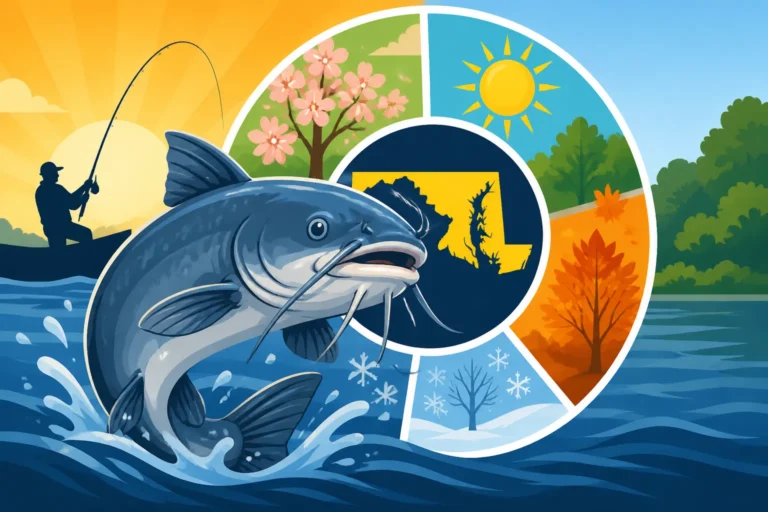
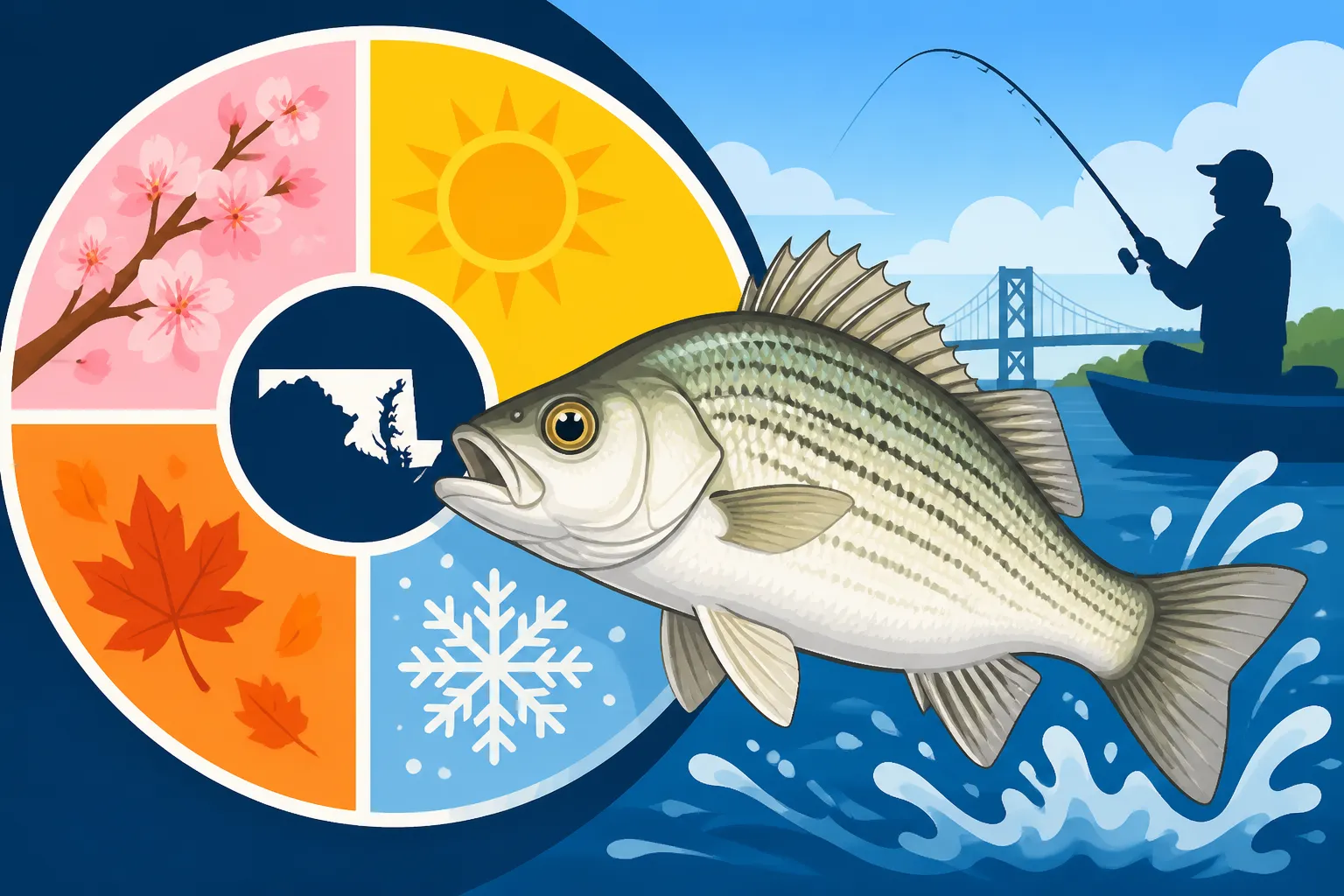
To give you a quick visual summary of the best times to target white perch in Maryland, here’s a breakdown by season, including what to expect and what gear generally works best. Keep in mind that specific conditions can vary year to year, but this table provides a solid general guideline.
| Season | Best Months | Typical Location | Recommended Bait/Lures | Notes |
|---|---|---|---|---|
| Spring | March – May | Shallow creeks, spawning rivers | Bloodworms, grass shrimp, small jigs | Most active, large schools, aggressive bite, peak numbers |
| Summer | June – August | Deeper channels, oyster reefs, docks | Small spinners, soft plastics, minnows | Early morning/late evening, structure-oriented, good eating size |
| Fall | September – Nov | Tributary mouths, channel edges | Perch rigs, small spoons, jigs | Schooling, aggressive feeding, bulking up for winter, bigger fish |
| Winter | Dec – February | Deepest holes, main channels, warmer outflows | Grub jigs, metal jigs, nightcrawlers | Slow bite, but larger fish possible, requires patience and precision |
The transition months between seasons are often key. For example, late February can see the very first signs of movement as perch begin to stage for their spring run, while late November can still offer excellent fall action before the deepest cold sets in. If you're interested in other fishing opportunities, remember that the Maryland Nontidal vs Tidal Fishing License, Explained guide can help clarify license requirements for different waters you might explore throughout the year.
Additional Tips for Consistent White Perch Success
Beyond knowing when to fish, a few other things can dramatically increase your chances of consistent white perch success in Maryland. These aren't just minor details; they can be the difference between a good day and a great day on the water.
Understanding Tides and Water Clarity
In tidal waters like the Chesapeake Bay and its rivers, understanding the tides is just as crucial as knowing the best month. White perch, like many estuarine species, are highly influenced by tidal movements. Often, the moving water of an incoming or outgoing tide concentrates bait and makes perch more active, as it's easier for them to ambush prey. The slack tide, when the water is relatively still, can sometimes slow the bite down. Checking a local tide chart before your trip is a simple step that can pay huge dividends. You can learn more about this in How Tides Affect Fishing in Maryland's Chesapeake Bay.
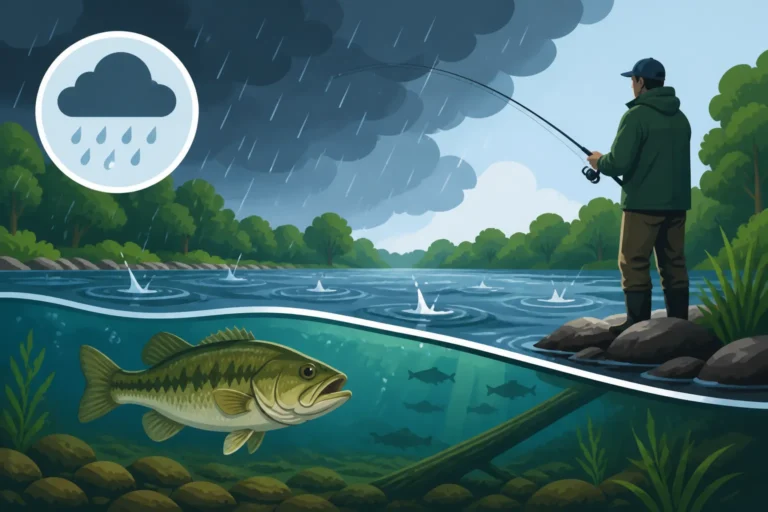
Water clarity also plays a significant role. White perch are sight feeders, and clearer water generally makes it easier for them to locate your bait or lure. After heavy rains, runoff can cloud the water, pushing perch into areas with better clarity or making them less willing to bite. In such situations, using baits with strong scents or lures with more vibration and flash can sometimes help. Conversely, in very clear, calm conditions, lighter lines and more subtle presentations might be necessary to avoid spooking them.
The Right Gear Makes a Difference
You don't need a boatload of expensive gear to catch white perch, but having the right gear certainly helps. A light to ultralight spinning rod (5'6" to 6'6") paired with a small reel spooled with 6-8 pound test monofilament or braid is ideal. This setup allows for sensitive feel to detect light bites, especially in deeper water or colder conditions, and it makes fighting even a modest perch a lot of fun.
For terminal tackle, keep it simple. Small hooks (size 4 to 8, depending on bait size) and various sinker weights (from 1/4 oz to 1 oz for current and depth) will cover most situations. Pre-tied perch rigs, as mentioned, are great for beginners. A small tackle box with a variety of small jigs, spinners, and soft plastics, along with extra hooks and sinkers, will ensure you're prepared for whatever the perch prefer on a given day. And don't forget a small cooler to keep your catch fresh – because these fish are truly delicious! For those curious about dining on their catch, Are White Perch Good to Eat? offers some tasty insights.
Disclaimer
Always check the latest Maryland Department of Natural Resources (DNR) fishing regulations before heading out, as rules, size limits, and creel limits can change. This guide is for informational purposes only and should not be considered a substitute for official regulations.