What’s Legal to Target During Maryland’s August Rockfish Closure
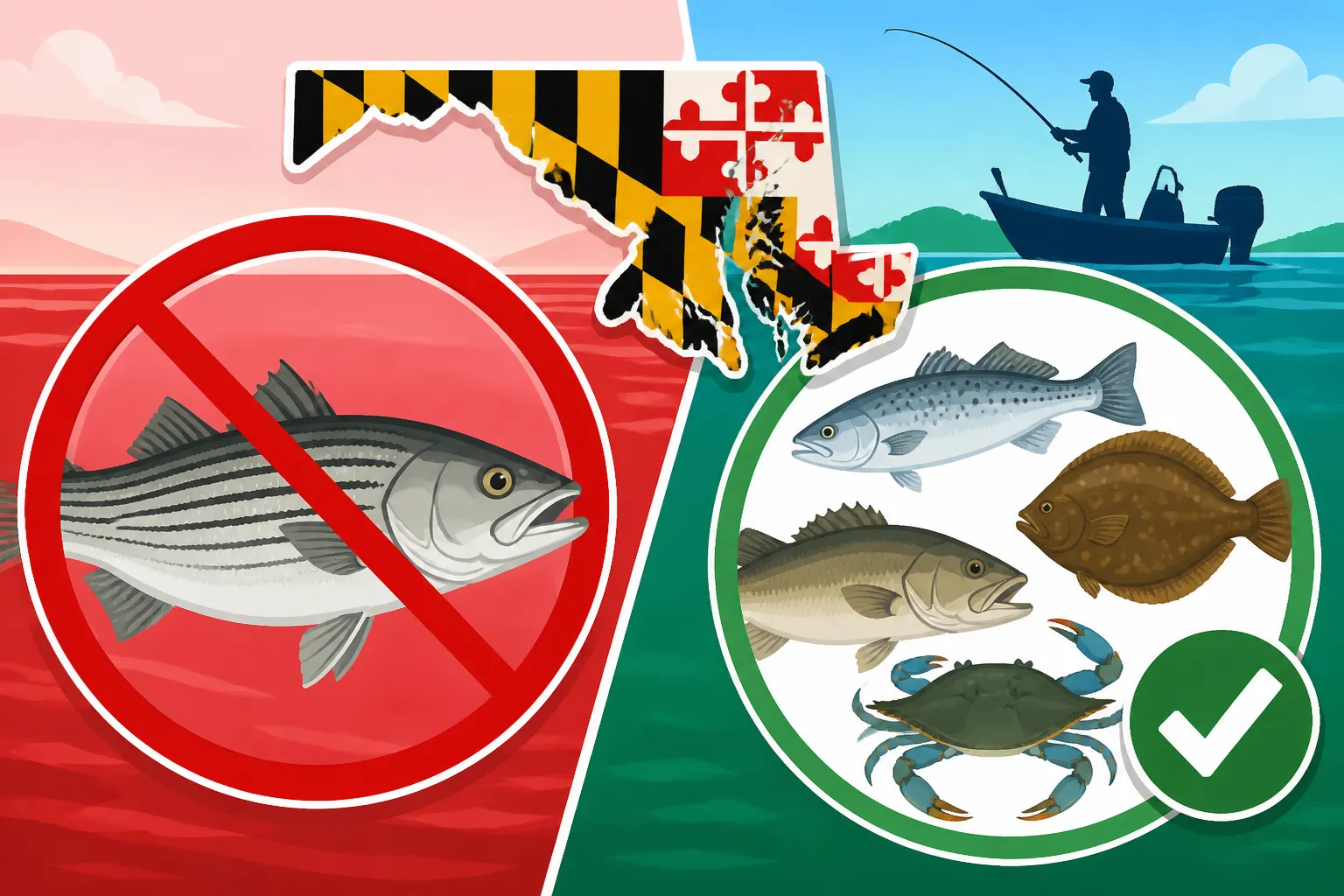
August can be a real head-scratcher for Maryland anglers, especially when you hit the water with dreams of a feisty rockfish only to remember that iconic species is off-limits for recreational harvest during the entire month. It's a bummer, I know, and it can leave you wondering what in the world is even legal to target. But don't despair! Maryland's waters are teeming with other incredible fish, and this guide will show you exactly what's legal and what's biting when the striped bass take their summer vacation.
Understanding the August Rockfish Closure
Let's address the elephant in the tackle box first: the August striped bass (rockfish) closure. For many anglers, the Chesapeake Bay and its tributaries are synonymous with chasing striped bass, so having an entire month where recreational harvest is prohibited can feel like a major roadblock. It's crucial to understand that this isn't just a suggestion; it's a strict regulation put in place for conservation, and ignoring it can lead to significant penalties.
The "Why" Behind the Ban
The reason for the August closure boils down to conservation and the well-being of the striped bass population. During the peak of summer, especially in August, water temperatures in the Chesapeake Bay and its tidal rivers climb dramatically. This warm water holds less dissolved oxygen, which creates a stressful environment for striped bass. When a striped bass is caught and then released in these conditions, even with the best intentions, the stress of the fight combined with low oxygen can significantly reduce its chances of survival.
Maryland's Department of Natural Resources (DNR) implements this closure to give the striped bass a much-needed break from angling pressure during this vulnerable period. It's about protecting the future of the fishery, ensuring that these incredible fish can survive the summer heat and continue to thrive for years to come. So, while it might feel frustrating in the moment, it's a critical measure for sustaining the species we all love to pursue. Understanding why helps us embrace the alternative opportunities that August offers.
Recreational vs. Commercial Regulations
It's also worth noting that fishing regulations can sometimes differ between recreational and commercial sectors, and even for different gear types. For recreational anglers using rod and reel, the August closure applies across all of Maryland's tidal waters, including the Chesapeake Bay and its tributaries, as well as the coastal bays. This means if you're out there with your favorite rod and reel, hoping to bring home a rockfish for dinner, August is a no-go.
However, it’s always smart to check the latest official Maryland DNR Fishing and Boating Guide, Explained for any nuanced exceptions or specific rules that might apply to certain areas or methods. For example, while recreational anglers can't keep striped bass in August, there might be specific research or commercial activities operating under different permits. But for the vast majority of us hitting the water for fun, the message is clear: focus on other species during this month. It’s a chance to broaden your angling horizons and discover new favorites.
Excellent Alternatives: Top Species to Target
Just because rockfish are off the menu doesn't mean your fishing gear needs to collect dust. Maryland's diverse waters offer a fantastic array of other species that are not only legal to target but often incredibly active and plentiful in August. This is the perfect time to explore new fishing techniques or introduce friends and family to the joys of catching fish that might not get as much attention during prime rockfish season.
Blue Catfish: An Invasive Giant
If you're looking for consistent action and a fish that's genuinely good for the ecosystem to remove, look no further than the blue catfish. These non-native behemoths have established themselves in many of Maryland's tidal rivers, particularly the Potomac, Patuxent, Nanticoke, and Choptank Rivers. They grow to impressive sizes, pull hard, and there's absolutely no daily or size limit on them – in fact, anglers are encouraged to keep as many as they can! For more details, you can read about the Maryland Blue Catfish Limit, or Lack of One.
Fishing for blue catfish in August is fantastic because they thrive in warmer waters and are often concentrated in deeper channels or holes within the rivers. Heavy tackle is a must; think medium-heavy rods, strong braided line, and circle hooks with hearty baits. Cut bait, like fresh alewife, gizzard shad, or even pieces of softer fish, works exceptionally well. You can find robust catfish rigs and heavy-duty line on Amazon, which is crucial when you hook into a truly massive blue cat that might weigh 30, 40, or even 50 pounds. This is an incredible opportunity to contribute to conservation while enjoying some serious fishing.
Northern Snakeheads: The Aggressive Predator
Another invasive species that provides thrilling action, especially in August, is the northern snakehead. These fish are known for their aggressive strikes and powerful fights, often in shallow, vegetated waters. Like blue catfish, there are strict rules against releasing snakeheads once caught, and anglers are encouraged to harvest them. They are found predominantly in the tidal Potomac River and its tributaries, as well as some Eastern Shore rivers like the Nanticoke and Blackwater. Find out more about Maryland Snakehead Fishing Rules to ensure you're compliant.
August's warm water and dense lily pad fields make it prime time for topwater snakehead fishing. Throwing frog imitations, buzzbaits, or walking baits over and around vegetation can lead to explosive strikes that will get your heart pounding. If they're not hitting topwater, weedless soft plastics rigged with heavy hooks can be worked through the cover. Remember to bring a sturdy net or a Boga Grip for landing these toothy predators safely, and don't forget a cooler with ice to take your catch home – they're surprisingly delicious! Many anglers use specialized weedless lures for snakeheads, and you can browse a wide selection of these and other necessary gear on Amazon.
White Perch and Yellow Perch: Panfish Perfection
For lighter tackle fun and consistently good eating, white perch and yellow perch are outstanding targets in August. White perch are abundant throughout the Chesapeake Bay and its tidal tributaries, often schooling around structure like oyster reefs, bridge pilings, docks, and channel edges. Yellow perch, while typically associated with cooler spring runs, can still be found in deeper, cooler holes of some tidal rivers and non-tidal lakes in August. Learning about White Perch in Maryland's Chesapeake Bay can help you dial in your approach.
For white perch, a simple bottom rig with small hooks tipped with bloodworms, grass shrimp, or small pieces of fresh bait will produce a steady stream of bites. They also readily hit small jigs, spinners, and even tiny spoons. Light or ultra-light spinning gear makes catching even a modest white perch a blast. Yellow perch can be a bit more elusive in August, but fishing deeper areas with small minnows or jigs can still yield success. These fish are perfect for a family outing, offering plenty of action for anglers of all skill levels, and they make for some of the best fried fish you'll ever taste.
Bottom Fish: Spot and Croaker
August is peak season for other classic bottom fish like spot and croaker, especially in the shallower to mid-depth areas of the Chesapeake Bay and its coastal bays. These panfish are incredibly popular for their prolific numbers and excellent table fare. They're also relatively easy to catch, making them ideal for young anglers or those looking for a relaxing day on the water with consistent bites. If you're wondering about limits, check out Is There a Limit on Spot and Croaker in Maryland?.
A simple two-hook bottom rig, often called a "fish-finder rig" or "high-low rig," is all you need. Tip your hooks with small pieces of bloodworm, fish bites, or even small pieces of peeler crab. Cast near channel edges, oyster bars, or even just sandy bottoms, and you're likely to get bites. Spot are known for their delicate, sweet flavor, while croaker offer a firmer, equally tasty fillet. Both provide continuous action, ensuring that your August fishing trip is anything but dull.
Flounder: Summer Flatties
While sometimes associated more with the ocean, summer flounder (fluke) are present in Maryland's coastal bays, like Sinepuxent and Isle of Wight bays, and can even be found in the lower Chesapeake Bay. August can still be a productive month for targeting these delicious flatfish, particularly as they stage up before their fall migration. For specific guidance, delve into Flounder Fishing in Maryland.
Flounder are ambush predators, so drifting with bait is a highly effective technique. A classic flounder rig involves a lead sinker on the bottom, with a single hook or two hooks snelled above it, often adorned with beads or spinners to attract attention. Baits like live minnows (peanut bunker), strips of squid, or pieces of Gulp! artificial baits work wonders. Focus your efforts around channel edges, bridge pilings, and inlets where current concentrates baitfish. Patience and a keen eye for subtle bites are key to success when chasing these tasty flatties.
Prime Locations and Techniques for August Fishing
Knowing what to target is only half the battle; knowing where and how to target them makes all the difference. August fishing in Maryland demands a bit of flexibility and knowledge of where these alternative species prefer to hang out when the water is warm.
Tidal Rivers and the Chesapeake Bay
The tidal rivers feeding into the Chesapeake Bay are absolute hotspots for August fishing, especially for species like blue catfish, snakeheads, and white perch. The slightly cooler, often murkier waters of these tributaries provide refuge and feeding grounds.
For blue catfish, focus on the deeper channels and holes of rivers like the Potomac, Patuxent, Nanticoke, and Choptank. Anchoring up and setting out multiple rods with cut bait on the bottom is a proven method. Pay attention to fish finders for significant drops or humps where catfish might congregate. The lower sections of these rivers, closer to the Bay, tend to hold larger fish. You can learn more about fishing the vast Fishing Maryland's Chesapeake Bay, A Complete Guide.
Snakeheads are typically found in the shallower, vegetated areas of these same tidal rivers and their associated creeks. Think lily pad fields, dense spatterdock, and submerged grass beds. Early mornings and late evenings often provide the best topwater action. During the heat of the day, try pitching weedless jigs or soft plastics into the densest cover. Access points for boats or kayaks are plentiful along the Potomac, offering prime snakehead territory.
White perch are ubiquitous. In the Bay and its rivers, they'll school up around structure. Look for bridge pilings (like those on the Choptank or Patuxent), oyster reefs, artificial fishing reefs, and channel edges. Small jigs, sabiki rigs (for catching bait, or for perch themselves), or bottom rigs with bloodworms are very effective. Drifting these areas or anchoring upcurrent and chumming lightly can bring them right to you.
Freshwater Lakes and Ponds
Don't overlook Maryland's fantastic freshwater lakes and ponds during the August rockfish closure. These bodies of water offer a completely different but equally rewarding angling experience, often with less competition. You can find some of the Best Maryland Lakes for Freshwater Fishing in our guide.
Largemouth bass are active, though they might move to deeper, cooler water during the hottest parts of the day. Early mornings and evenings, target them around lily pads, fallen timber, and docks with topwater lures, soft plastics (like Texas-rigged worms), or crankbaits. During midday, probing deeper drop-offs or shaded areas with jigs or slow-rolled spinnerbaits can be effective. Reservoirs like Loch Raven, Liberty, and Prettyboy are excellent choices.
Panfish like bluegill and crappie are also great options. Bluegill are often found near shoreline vegetation, docks, and submerged brush. A simple bobber rig with a worm, crickets, or small artificial bait will catch them all day long. Crappie tend to suspend around submerged brush piles, bridge pilings, or other deep cover. Small jigs tipped with minnows or crappie nibblers are usually the ticket. This is perfect for leisurely bank fishing or kayak fishing.
Ocean City and Coastal Bays
For those on Maryland's Atlantic coast, the Ocean City area and its back bays provide diverse fishing opportunities in August. From the ocean surf to the calm bay waters, there's always something biting. Consider our comprehensive Ocean City Maryland Fishing Guide for detailed information.
In the coastal bays (like Assawoman, Isle of Wight, and Sinepuxent Bays), flounder, spot, and croaker are prime targets. Drifting live minnows or strips of squid on flounder rigs along channel edges or over grassy flats is a popular and effective technique for flounder. For spot and croaker, fish sandy bottoms near piers or bulkheads with bottom rigs and bloodworms or fish bites. The various public piers and bulkheads in Ocean City are excellent places to try.
Surf fishing along Assateague Island or the Ocean City beaches can yield kingfish (whiting), croaker, spot, and even some smaller bluefish or red drum. A classic two-hook bottom rig with a pyramid sinker, baited with bloodworms, fish bites, or pieces of fresh cut bait, is the standard setup. Fishing around high tide, especially during dawn or dusk, can be particularly productive. Remember to bring a surf rod holder and a comfortable chair – surf fishing is as much about relaxation as it is about catching fish! You might find durable surf rods and reels, as well as bait-cutting tools, on Amazon for your coastal adventures.
Essential Gear and Mindset for Summer Fishing
Successful August fishing isn't just about knowing what's biting; it's also about being properly equipped and having the right approach to deal with the summer conditions.
Tackle for Target Species
Matching your tackle to your target species is key to both enjoyment and success.
- For Blue Catfish and Snakeheads: You'll want medium-heavy to heavy spinning or baitcasting gear. Rods typically range from 6'6" to 7'6" with a fast action to handle heavy weights and strong fish. Spool your reels with 30-60 lb braided line for strength and sensitivity. Large circle hooks (4/0 to 8/0) for catfish and stout, weedless hooks for snakehead lures are essential. A good pair of pliers and a fish gripper (like a Boga Grip) are invaluable for handling snakeheads.
- For White Perch, Yellow Perch, Spot, and Croaker: Light to ultra-light spinning gear (5-7 ft rods) is perfect. This makes even smaller fish feel like giants and provides maximum sport. Use 4-10 lb monofilament or braided line. Small hooks (size 4 to 8) on bottom rigs or small jigs (1/16 to 1/4 oz) are ideal. These setups are lightweight and sensitive, allowing you to feel every nibble.
- For Largemouth Bass: Medium to medium-heavy spinning or baitcasting gear works well. A 6'6" to 7' medium-fast action rod is versatile for a variety of lures. Use 8-15 lb fluorocarbon or braided line. You'll need an assortment of lures, including soft plastics, crankbaits, spinnerbaits, and topwater frogs or poppers.
It's always a good idea to have a tackle box well-stocked with a variety of hooks, sinkers, swivels, and leader material, regardless of your target. A good multi-tool or fishing knife can also be a lifesaver on the water.
Beating the Heat and Sun
August in Maryland means heat and intense sun, which can quickly turn a fun fishing trip into an uncomfortable or even dangerous one if you're not prepared.
- Hydration is paramount: Bring plenty of water, electrolyte drinks, or even a cooler full of ice for refilling bottles. Staying hydrated helps prevent heat exhaustion and keeps you focused.
- Sun Protection: Wear light-colored, long-sleesleeved UPF-rated clothing to protect your skin. A wide-brimmed hat and polarized sunglasses are also critical for shielding your face and eyes, and for seeing fish better under the glare. High-quality sunscreen is a non-negotiable for any exposed skin. You can find excellent UPF clothing, hats, and polarized sunglasses for fishing on Amazon, ensuring you're protected from the sun's harsh rays.
- Timing Your Trip: Consider fishing during the cooler parts of the day – early mornings, late evenings, or even at night, especially for catfish or some bass species. Night fishing can be incredibly productive and much more comfortable in August.
Catch and Release Best Practices
Even when targeting species you plan to keep, practicing good catch and release techniques for any accidental bycatch is important, especially for striped bass if you happen to hook one during the closure. For more insights on ethical angling, look into Maryland Catch and Release Rules During Closed Seasons.
- Minimize Fight Time: When a fish hits, try to land it as quickly as possible to reduce stress.
- Handle with Care: Use wet hands or a wet towel to handle fish, avoiding contact with their gills or eyes.
- Barbless Hooks: Consider using barbless hooks, or pinching down barbs, to make hook removal easier and less damaging.
- Revive Carefully: If a fish seems sluggish, hold it gently in the water, facing into the current, until it regains its strength and swims off on its own. This is especially important in warm water when oxygen levels are low.
By being mindful of these practices, we ensure that while we enjoy the abundance Maryland offers, we also do our part to protect the fishery for generations to come.
August Fishing: A Time for Exploration and Discovery
While the August rockfish closure might initially feel like a limitation, it's truly an opportunity to diversify your angling skills and discover the incredible variety of fish Maryland has to offer. Instead of seeing it as a month without rockfish, view it as a month for blue catfish, snakeheads, white perch, flounder, and all the other fantastic species that thrive in our summer waters.
This is the perfect time to explore new fishing spots, whether it's the snakehead-filled marshes of the Potomac, the blue cat heaven of the Nanticoke, or the panfish havens of our freshwater lakes. It’s a chance to experiment with different baits and lures, fine-tune your light tackle skills, or simply enjoy a relaxing day catching abundant fish with friends and family. The learning curve for these species is often gentle, making them accessible to beginners and seasoned anglers alike.
So, when August rolls around, embrace the change. Tie on a fresh bait, head to a new spot, and experience the thrill of Maryland fishing beyond the striped bass. You might just find a new favorite target, and you'll certainly create some wonderful memories on the water.
| Species | Primary Habitat in August | Recommended Baits/Lures | Notes |
|---|---|---|---|
| Blue Catfish | Deep channels of tidal rivers (Potomac, Nanticoke) | Cut bait (shad, alewife), chicken liver, clam | No limit, invasive, strong fighters, excellent table fare. |
| Northern Snakehead | Shallow, vegetated tidal rivers (Potomac, Blackwater) | Frog imitations, buzzbaits, weedless soft plastics | No release, invasive, aggressive topwater strikes, very good eating. |
| White Perch | Chesapeake Bay and tidal river structures | Bloodworms, grass shrimp, small jigs, spinners | Abundant, great for light tackle, delicious fried. |
| Spot | Sandy bottoms of coastal and lower Chesapeake Bay | Bloodworms, fish bites, small pieces of squid | Easy to catch, great for kids, excellent mild flavor. |
| Croaker | Sandy bottoms, channel edges (coastal & Chesapeake) | Bloodworms, squid, peeler crab | Good fighters, tasty, often found with spot. |
| Flounder | Coastal bays, lower Chesapeake Bay channels | Live minnows, squid strips, Gulp! grubs | Ambush predators, drift fishing works best, delicious. |
| Largemouth Bass | Freshwater lakes, ponds, tidal creeks | Soft plastics, crankbaits, topwater, jigs | Focus on early/late day, cover, and structure. |
Disclaimer
This article is for general informational purposes only and does not constitute professional advice. Laws, prices and regulations vary by location and change over time. Consult a qualified professional for guidance on your specific situation.