Staying Safe Kayak Fishing on the Chesapeake Bay
The Chesapeake Bay calls to many of us with its serene waters and abundant fish, offering an incredibly intimate way to experience fishing from a kayak. But let's be real, the Bay can also be a beast, turning tranquil into treacherous in a heartbeat. This guide is all about equipping you with the knowledge to enjoy those peaceful paddles and thrilling catches, while always prioritizing your safety out on those vast Maryland waters.
Understanding the Chesapeake's Unique Challenges for Kayak Anglers
Kayak fishing on the Chesapeake Bay isn't like paddling a calm lake. The Bay is a massive, complex estuary with its own set of dangers that can quickly overwhelm an unprepared paddler. Recognizing these challenges before you even launch is the first step toward a safe and enjoyable trip.
Unpredictable Weather Patterns
One of the biggest hurdles Bay anglers face is the weather. It can shift from sunny and calm to windy and stormy in what feels like minutes. A light breeze that felt refreshing at the dock can whip up into strong, white-capping gusts offshore, making paddling incredibly difficult or even impossible. This is particularly true during spring and fall, but even summer squalls can pop up with alarming speed, bringing lightning, heavy rain, and dangerous waves. Always check the forecast thoroughly, but also understand that the Bay has a mind of its own. Look for signs of changing weather like dark clouds forming quickly on the horizon or a sudden drop in temperature.
Beyond severe storms, factors like fog can appear without warning, especially in cooler months or during temperature inversions. Dense fog can reduce visibility to mere feet, turning a familiar stretch of water into a disorienting maze. Cold water and air temperatures, particularly outside of peak summer, also pose a significant hypothermia risk if you capsize. Even on a seemingly warm day, the Bay's water temperature can be dangerously cold, draining your body heat rapidly. This is why understanding the Best Time of Year to Fish in Maryland isn't just about fish activity, but also about your own safety margins.
Strong Tides and Currents
The Chesapeake Bay is tidal, meaning the water level and currents are constantly changing, influenced by the moon and ocean. These tides can create surprisingly strong currents, especially in narrower channels, around points, or near inlets. If you're paddling against a strong outgoing tide, you might find yourself making little to no progress, rapidly exhausting your energy. Worse, strong currents can drag you away from your intended fishing spot or even out into open water if you're not careful.
Understanding How Tides Affect Fishing in Maryland's Chesapeake Bay is vital for both catching fish and staying safe. Planning your trip around the tides – perhaps paddling out with an incoming tide and riding an outgoing tide back – can save you a lot of effort and keep you out of trouble. Rip currents can also form, pulling water offshore, which can be particularly dangerous for less experienced paddlers. Always observe the water carefully, looking for swirling patterns or areas where the water is moving noticeably faster.
Significant Boat Traffic
The Chesapeake Bay is a bustling waterway, especially during peak fishing seasons and summer weekends. You'll encounter everything from massive cargo ships and Navy vessels to speedy powerboats, sailboats, and other fishing boats. Unlike a quiet reservoir, you are sharing the water with many other users, and often, you are the smallest and least visible craft.
Commercial traffic, like tugboats and barges, creates huge wakes that can easily swamp a kayak or knock you overboard. Recreational boaters, sometimes less attentive, might not see a low-profile kayak, especially in choppy conditions or at dawn/dusk. The sheer volume of boats means you need to be constantly vigilant, anticipating their movements and making yourself as visible as possible. Never assume another boater sees you; always be ready to take evasive action.
Essential Gear and Preparations for Bay Kayak Fishing Safety
Before you even think about launching your kayak into the Chesapeake, proper preparation and having the right safety gear are absolutely non-negotiable. This isn't just about comfort or convenience; it's about survival.
Personal Flotation Devices and Visibility
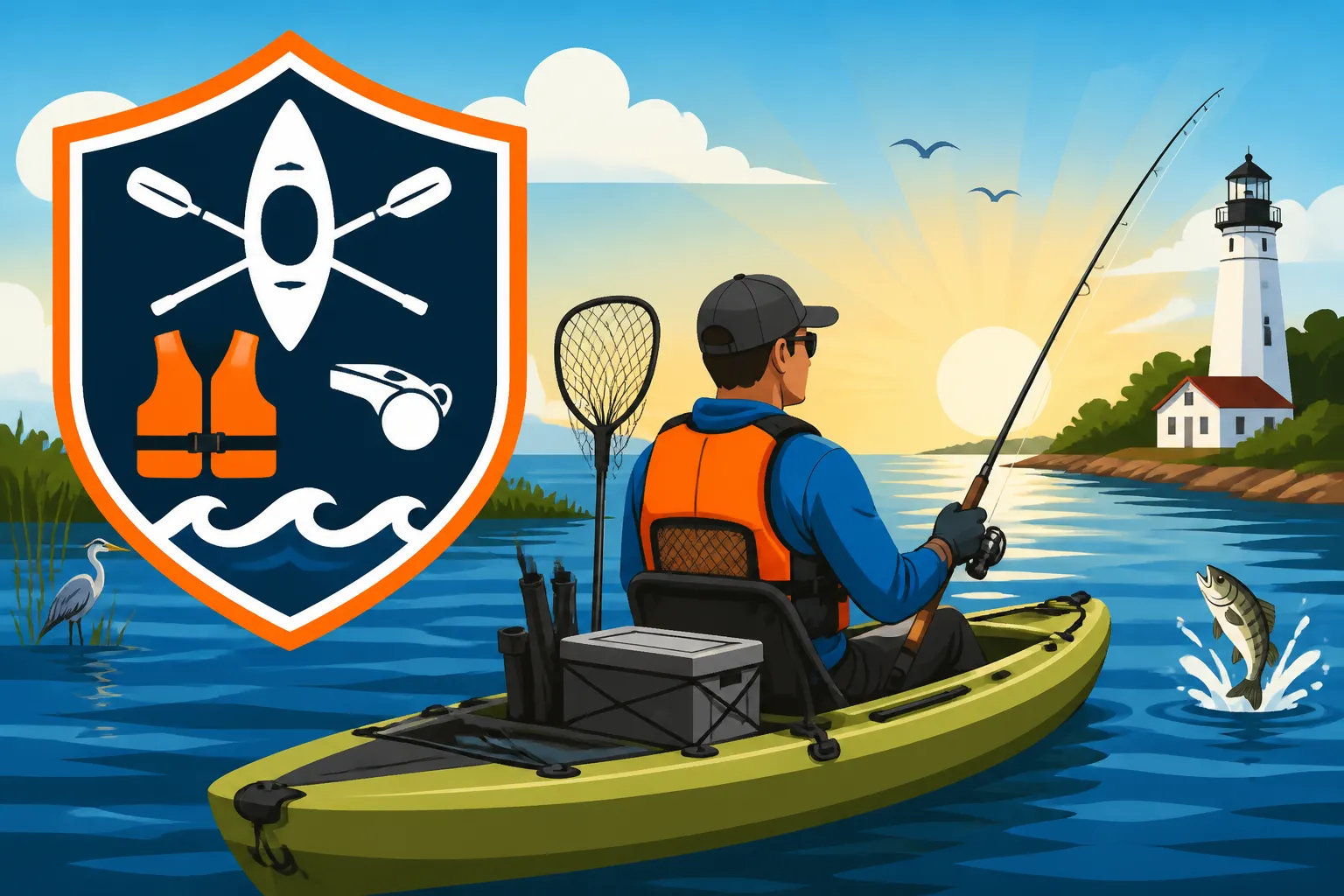
Your Personal Flotation Device (PFD), or life jacket, is your most important piece of safety gear. Wear it. Always. No excuses. Even if you're a strong swimmer, a PFD keeps your head above water if you're knocked unconscious, become disoriented, or are too cold and exhausted to tread water. For kayak fishing, look for a fishing-specific PFD that offers comfort, freedom of movement, and useful pockets for essentials. Don't cheap out on this. Many reputable brands offer excellent PFDs, and you can explore various models with good reviews on sites like Amazon.
Beyond your PFD, maximizing your visibility to other boaters is crucial. This means bright, contrasting clothing, especially fluorescent colors like orange or lime green. A tall, bright flag or safety pole on your kayak is also a must, significantly increasing your profile on the water, especially in waves or around larger vessels. Some flags even come with reflective tape for low-light conditions. Consider adding reflective tape to your paddle and kayak as well.
Communication and Signaling Devices
In an emergency, being able to call for help is paramount. A waterproof VHF radio is highly recommended for Bay kayak fishing. Cell phones, while useful, can lose signal in many Bay areas and aren't designed for marine emergencies. A VHF radio allows you to communicate directly with the Coast Guard (Channel 16), other boats, and TowBoatUS or Sea Tow if you need assistance. Always keep it charged and easily accessible, preferably tethered to your PFD.
Beyond voice communication, signaling devices are essential. A whistle attached to your PFD is a simple but effective way to get attention. Carry a mirror for signaling aircraft or distant boats during daylight. For night or low-light conditions, a bright, waterproof headlamp or flashlight is vital, allowing you to see and be seen. An Emergency Position Indicating Radio Beacon (EPIRB) or Personal Locator Beacon (PLB) is the ultimate signaling device, sending your exact location to rescue authorities via satellite. While an investment, for frequent Bay paddlers, it's an invaluable piece of gear that truly provides peace of mind.
Navigation Tools and Emergency Supplies
Even if you know a fishing spot like the back of your hand, conditions can change rapidly, and disorientation can set in, especially in fog or strong currents. A reliable GPS device or a marine chart plotter on your phone (with downloaded maps for offline use) is essential. Know how to use it before you go. Having a physical compass and a waterproof chart of the area as a backup is also a smart move, especially if electronics fail.
Beyond navigation, always pack a dry bag with essential emergency supplies. This should include:
- A basic first-aid kit for minor cuts, scrapes, or stings.
- Extra drinking water and some high-energy snacks.
- A multi-tool or knife.
- Sunscreen, sunglasses, and a wide-brimmed hat to protect against sun exposure.
- A spare paddle, securely tethered to your kayak. Imagine being miles from shore and losing your only paddle!
- A pump or sponge to remove water from your kayak.
- A tow rope – you might need to be towed, or you might need to tow someone else.
Here's a quick look at essential safety gear:
| Category | Item | Why It's Crucial |
|---|---|---|
| Personal Safety | PFD (Life Jacket) | Keeps you afloat, even if unconscious or exhausted. |
| Whistle | Audible signal to attract attention. | |
| Bright/Reflective Clothing | Increases visibility to other boaters. | |
| Visibility | Visibility Flag/Pole | Makes your low-profile kayak more noticeable on the water. |
| Headlamp/Flashlight | Illuminates surroundings and signals presence in low light. | |
| Communication | Waterproof VHF Radio | Direct communication with Coast Guard, other boats, and tow services. |
| PLB/EPIRB (Optional but advised) | Satellite-based emergency locator for ultimate peace of mind. | |
| Navigation | GPS Device/Chart Plotter | Helps you navigate, especially in fog or unfamiliar areas. |
| Waterproof Chart & Compass | Backup navigation if electronics fail. | |
| Emergency Prep | Dry Bag | Keeps essential items dry. |
| First-Aid Kit | Addresses minor injuries quickly. | |
| Extra Water & Snacks | Prevents dehydration and maintains energy. | |
| Spare Paddle | Critical if your primary paddle is lost or broken. | |
| Bilge Pump/Sponge | Removes water from your kayak after a capsize or splash. | |
| Tow Rope | For assisting or being assisted by another vessel. |
Navigating and Reacting to Hazards on the Chesapeake Bay
Even with the best gear, understanding how to actively navigate the Bay and react to its dynamic conditions is vital for safe kayak fishing. This goes beyond just knowing the rules of the road; it's about developing a keen awareness of your surroundings.
Reading the Water and Conditions
The Bay is constantly changing, and a safe kayak angler learns to read the water. Before launching, observe the wind, current, and wave conditions. Are there whitecaps indicating strong winds? Is the current moving quickly through a channel? What does the sky look like? While weather apps are great, nothing beats firsthand observation. Pay attention to how the wind interacts with landmasses – a sheltered cove might be calm, but just around the bend, you could encounter significant chop.
While on the water, continuously scan the horizon for approaching weather changes or large vessel traffic. Watch for changes in wave patterns, which can indicate shifting currents or shallower areas. If you're new to a particular spot, research it beforehand. Articles like Best Places to Fish in Maryland or Fishing Maryland's Chesapeake Bay, A Complete Guide often include details about typical conditions and hazards for different regions. If conditions start to deteriorate, don't hesitate to cut your trip short. No fish is worth risking your life.
Avoiding Collisions with Other Vessels
As the smallest craft on the water, you have a responsibility to avoid larger vessels. They often have blind spots and cannot maneuver quickly. The general rule is that sailboats and commercial vessels have the right-of-way over recreational powerboats, and all of them have the right-of-way over kayaks and canoes.
- Stay visible: As mentioned, bright colors and a tall flag are key.
- Maintain distance: Keep a wide berth from shipping channels, navigational buoys, and any large moving vessel. Never attempt to cross in front of a fast-moving boat.
- Anticipate wakes: Powerboats create wakes that can easily swamp a kayak. When a large wake approaches, turn your bow directly into it and brace yourself. This minimizes the risk of capsizing.
- Be heard: Use your whistle to alert others if they seem oblivious to your presence, but remember sound can travel deceptively on water.
- Plan your route: When paddling longer distances, try to stick to shorelines or shallower areas away from main boating channels, if possible and safe to do so.
Planning Your Exits and Knowing Your Limits
Every kayak fishing trip should have a mental "exit strategy." Before you launch, identify potential safe landing spots along your planned route – beaches, public boat ramps, or docks – in case you need to get off the water quickly due to weather, fatigue, or equipment failure. Always let someone know your float plan: where you're going, when you expect to be back, and who is with you.
Most importantly, know your personal limits. Don't push yourself too far, especially in challenging conditions. The Chesapeake Bay is vast, and a seemingly short paddle can become an epic struggle against wind and current. If you're feeling tired, cold, or just uncomfortable with the conditions, it's time to head back. It's better to end a trip early and safe than to push your luck. For those venturing into new waters, hiring a local guide can be invaluable for learning safe navigation and techniques specific to the Bay, as detailed in articles about Kayak Fishing Techniques for Maryland Waters.
What to Do When Things Go Wrong: Emergency Protocols
No one wants to think about an emergency, but being prepared for the worst can make all the difference. Having a clear plan of action is crucial if you find yourself in a dangerous situation on the Chesapeake Bay.
What to Do if You Capsize
Capsizing is a common concern for kayak anglers, especially in choppy water or when fighting a strong fish. Your first priority if you go overboard is to stay with your kayak. It's a large flotation device and much easier for rescuers to spot than a lone swimmer.
- Stay Calm: Panic is your worst enemy. Take a few deep breaths.
- Reach for your kayak: Grab your paddle and anything else floating free. Most fishing kayaks are very stable even when capsized and won't sink.
- Re-entry: Practice re-entry techniques in calm water before you need them. There are several methods, but generally, you want to get your body over the kayak from the side, then slowly slide your legs in, distributing your weight to avoid flipping it again. This is much harder in choppy water and can be exhausting.
- Signal for help: If you can't re-enter, or if you're injured or too cold, use your whistle, VHF radio (if it's waterproof and accessible on your PFD), or other signaling devices to alert others.
Remember, your PFD is doing its job, so focus on getting back on or clinging to your kayak. If you're wearing a wetsuit or drysuit, you'll have more time in cold water, but hypothermia remains a serious threat.
Dealing with Equipment Failure
Breakdowns happen. Your paddle might snap, your rudder cable could break, or your fishing rod could get tangled in your propeller drive. While some issues are minor, others can leave you stranded.
- Carry spares: A spare paddle is non-negotiable. A repair kit with basic tools, zip ties, and duct tape (yes, duct tape!) can fix many small issues.
- Know your boat: Understand how to operate your kayak's features and troubleshoot common problems. If you have a pedal drive, know how to remove and reinstall it in the water.
- Paddle backup: If your pedal or motor drive fails, you must be able to paddle effectively, potentially for a long distance, against currents or wind. Ensure you're proficient with your paddle.
- Call for assistance: If you're truly stranded, use your VHF radio or cell phone to call for help. The Coast Guard (Channel 16) is for emergencies; for mechanical breakdowns or non-life-threatening assistance, a commercial tow service like TowBoatUS or Sea Tow can be a lifesaver (consider their membership plans if you're a frequent Bay angler).
Emergency Contact and Float Plans
This might seem obvious, but it's often overlooked: always, always tell someone trustworthy where you're going and when you expect to return. This is your "float plan."
- Details matter: Provide specifics: your launch point, your planned fishing area, your intended route, estimated return time, and who is with you.
- Vehicle info: Tell them your vehicle make, model, and license plate, and where you'll be parked.
- Contact numbers: Give them numbers for emergency services (Coast Guard, local DNR, or 911) and, ideally, the number of a local tow service.
- Check-in: Agree on a check-in time. If you don't check in by that time, your contact knows to initiate a search.
- Emergency app: There are apps like Float Plan that allow you to digitally share this information with contacts, and some even have an emergency activation feature.
Never assume "it won't happen to me." The Chesapeake Bay is a beautiful but powerful force. By being well-prepared with the right gear, understanding the risks, and knowing what to do in an emergency, you can continue to enjoy the incredible experience of kayak fishing safely for years to come.
Disclaimer
This article is for general informational purposes only and does not constitute professional advice. Laws, prices and regulations vary by location and change over time. Consult a qualified professional for guidance on your specific situation.