How Many Trout Are Stocked in Maryland Each Year?
One of the most exciting parts of being a trout angler in Maryland is anticipating the stocking seasons. You might find yourself wondering, as many of us do, just how many trout the Maryland Department of Natural Resources (DNR) actually releases into our beautiful waterways each year. It’s a common question, and understanding the scope of these efforts can truly enhance your fishing experience, helping you plan your trips and appreciate the work that goes into making Maryland a fantastic trout fishing destination. This guide will help shed some light on the scale of Maryland's trout stocking program, explaining the numbers and the dedication behind them.
Understanding Maryland's Trout Stocking Program
Maryland’s trout stocking program is a massive undertaking, designed to provide diverse and abundant fishing opportunities across the state. From the bustling put-and-take streams to the serene catch-and-release waters, the DNR works tirelessly to ensure that anglers of all skill levels have a chance to experience the thrill of trout fishing. It’s not just about dumping fish in the water; it's a carefully managed program that considers everything from hatchery production to environmental conditions and angler access.
The Purpose Behind the Numbers
At its core, the stocking program aims to supplement natural trout populations, especially in areas where natural reproduction is limited by habitat or water temperature. In many of Maryland’s streams and lakes, especially those that warm up too much in the summer, stocked trout provide the primary angling opportunity. Without these efforts, many popular trout fishing spots simply wouldn't hold enough fish to support the demand from the angling community. It’s a way to keep the sport vibrant and accessible for everyone, from seasoned fly anglers to families introducing their kids to fishing for the first time.
Dedication to Angler Opportunity
The DNR’s commitment to trout fishing is evident in the sheer scale of their operations. They manage several hatcheries, including the Albert M. Powell Hatchery and the Bear Creek Hatchery, which are critical to raising the trout from eggs to catchable size. These facilities are staffed by dedicated professionals who monitor water quality, feed schedules, and fish health around the clock. Their goal is not just to produce fish, but to produce healthy, feisty trout that will provide a memorable fight when you hook into them. This dedication ensures that when you head out, you're not just hoping for a fish, you're fishing in waters specifically managed to boost your chances.
Annual Stocking Numbers: A Closer Look
When we talk about how many trout are stocked in Maryland each year, we're really talking about a significant number, typically in the hundreds of thousands. While precise figures can fluctuate due to a myriad of factors, the general range gives you a good idea of the scale. The Maryland DNR is consistently stocking a substantial quantity of trout to support the state's popular fisheries.
The General Scale of Stocking
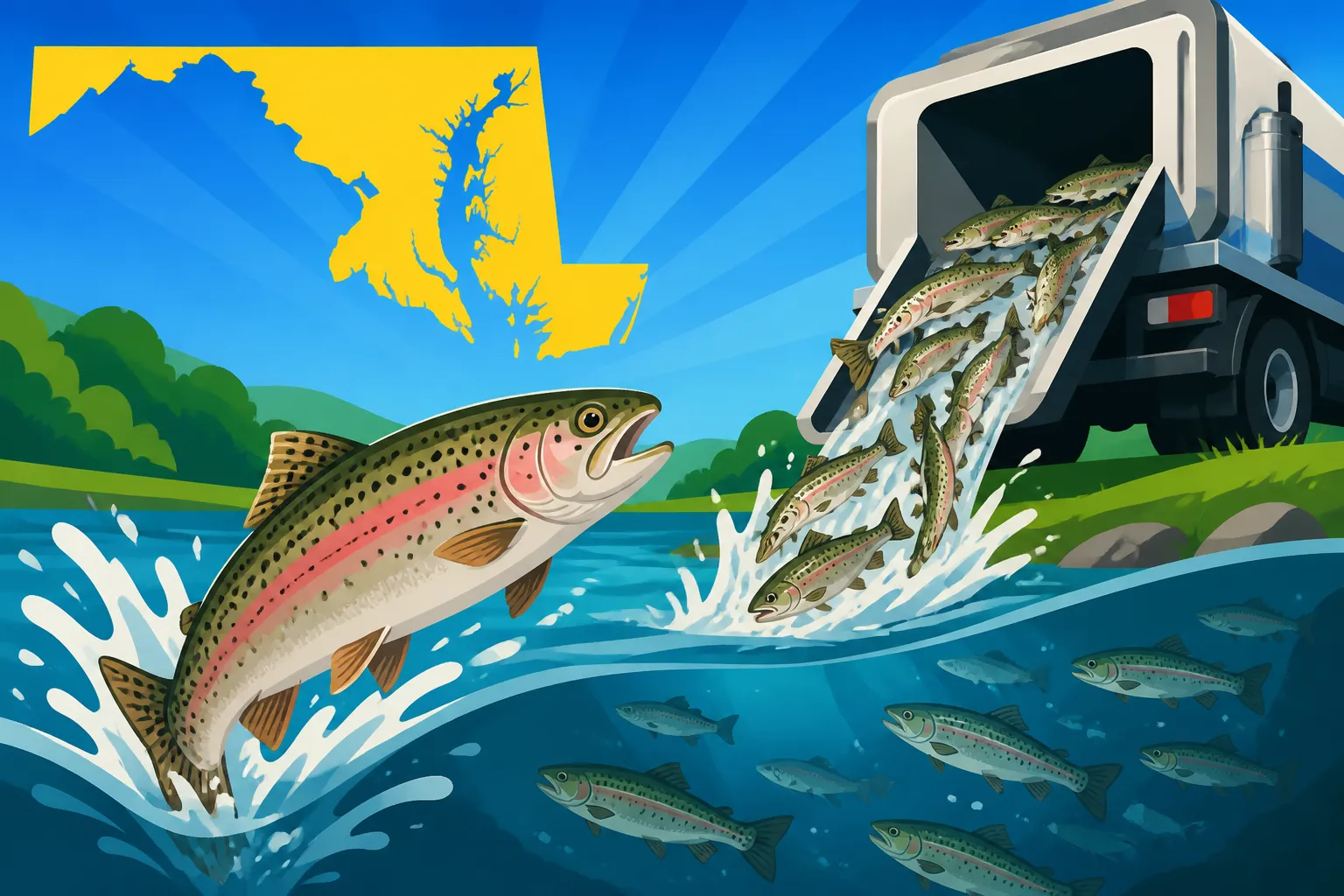
It’s fair to say that the Maryland DNR stocks well over 300,000 trout annually, and sometimes the numbers can climb even higher depending on various circumstances. These aren’t just tiny fingerlings; a significant portion of these are "catchable-size" trout, meaning they are large enough for anglers to target immediately after stocking. Imagine the excitement of hitting a stream the day after a stocking truck has been through! It’s a fantastic way to ensure that anglers have a good chance of success, particularly during the peak spring and fall stocking seasons. You can find information about specific stocking events on the DNR's website, which helps anglers know when and where the action is hot.
Why Exact Numbers Vary Annually
It’s tempting to want an exact, unchanging number, but the reality is that the total number of trout stocked each year isn't a static figure. It's a dynamic target that shifts based on several factors. Hatchery production can be influenced by water availability, unexpected fish diseases, or even budgetary considerations. For example, a particularly harsh winter might affect water temperatures at a hatchery, or a sudden disease outbreak could reduce the number of fish available. Similarly, environmental conditions in the streams themselves, such as drought or excessive flooding, can impact stocking plans. The DNR constantly adapts its strategy to ensure the most effective use of its resources and to provide the best possible angling experience. This adaptability is key to the long-term health of the program and the continued enjoyment of Maryland anglers.
Factors Influencing Stocking Numbers
The complex dance of stocking trout isn't just about growing fish and releasing them. Many environmental, logistical, and biological factors play a crucial role in determining the final count of trout that make it into Maryland's waters. These elements are constantly evaluated to optimize the program and enhance fishing opportunities.
Environmental and Biological Considerations
One of the biggest factors is the health of the fish themselves. Trout hatcheries operate under strict biosecurity protocols to prevent the spread of diseases. A disease outbreak, while rare, can significantly impact production numbers. Water quality and temperature within the hatcheries are also critical; trout are sensitive fish, and optimal conditions are necessary for their growth and survival. Beyond the hatcheries, the conditions in the wild streams and lakes play a role. If a stream has extremely low water levels due to drought, or conversely, is experiencing severe flooding, stocking might be delayed or adjusted to ensure the trout have the best chance of survival and to prevent them from being immediately washed downstream. This careful consideration for the fish's well-being is paramount.
Hatchery Capacity and Logistics
Maryland's trout hatcheries, like Albert M. Powell and Bear Creek, have a finite capacity. They can only hold and raise so many fish at one time. This capacity is determined by tank space, water flow, and staffing levels. Breeding programs also dictate which species, such as Rainbow Trout vs Brown Trout in Maryland Streams, are primarily raised. Moreover, the logistics of actually transporting and stocking hundreds of thousands of fish across the state are considerable. It involves specialized trucks, dedicated crews, and careful planning to ensure the fish arrive at their destinations in good condition. You can often see these stocking trucks, identifiable by their large tanks, making their rounds during the spring and fall. Keeping an eye on the DNR's stocking schedules can tell you When Does Maryland Start Stocking Trout Each Year? and give you a heads-up on when to expect fresh fish in your favorite stream.
Angler Demand and Program Funding
Ultimately, the stocking program is driven by angler demand. People love to fish for trout in Maryland, and the DNR strives to meet that enthusiasm. The popularity of certain fisheries, such as those designated as Maryland Put-and-Take Trout Waters, What That Means or Maryland Delayed Harvest Trout Waters Explained, directly influences stocking priorities. Funding also plays a significant role. The purchase of equipment, fish food, and the salaries of hatchery staff are all supported, in part, by revenue from fishing licenses and trout stamps. The more anglers who participate and purchase a Maryland Trout Stamp Requirements, the more resources are available to sustain and even expand the stocking efforts. It’s a symbiotic relationship: anglers support the program, and the program provides more fish for anglers to enjoy. If you're looking for gear, you can find a wide array of trout fishing equipment on Amazon, from rods and reels to waders and fly boxes, helping you get ready for your next trip.
How Anglers Benefit from Maryland's Stocking Efforts
The extensive trout stocking program in Maryland offers a wealth of benefits to anglers, creating diverse fishing experiences and ensuring opportunities are available to everyone who loves to chase these beautiful fish.
Accessible and Diverse Fishing Opportunities
One of the most immediate benefits is the sheer accessibility of trout fishing. Thanks to stocking, you don't need to travel to remote wilderness areas to find trout. Many urban and suburban waterways receive regular stockings, making it easy for families and beginners to get out and fish. This means you can often find good trout fishing just a short drive from Baltimore, Annapolis, or Frederick. The program also provides diversity, from the fast-paced action of "put-and-take" fisheries, where you can harvest your catch, to the challenging and rewarding experience of Fishing Maryland's Delayed Harvest Trout Streams where catch and release is emphasized during certain seasons.
The Excitement of Stocking Days
There's a special kind of excitement that buzzes through the angling community around stocking days. Knowing that thousands of fresh trout are being introduced into your local waters can be a powerful motivator to get out and cast a line. The Best Bait for Put-and-Take Trout in Maryland or the right fly pattern for Fly Fishing Gear for Maryland Trout Streams becomes a hot topic of conversation. These events often bring communities together, with anglers gathering at popular spots, sharing tips, and enjoying the shared anticipation. For many, it's a tradition, marking the unofficial start of prime trout fishing season in the spring and again in the fall. Make sure your tackle box is ready; Amazon is a great place to stock up on new lures or lines before the next big stocking!
Supporting the Ecosystem and Local Economies
While stocked trout are primarily for angler enjoyment, the program also has broader benefits. It helps to manage angler pressure on sensitive wild trout populations by directing activity towards stocked waters. This allows wild trout streams, often in Maryland's mountainous western regions, to maintain healthier natural populations. Furthermore, the program supports local economies. Anglers traveling to fish stocked streams often patronize local bait shops, restaurants, and lodging, contributing to the vitality of these communities. Whether you're purchasing a Maryland Fishing License Guide for 2026 or a new fishing vest on Amazon, every bit helps support the broader fishing ecosystem.
Maryland's trout stocking efforts are a testament to the DNR's commitment to its angling community. While the exact number of trout stocked may fluctuate slightly year to year, the consistent release of hundreds of thousands of fish ensures that Maryland remains a fantastic destination for trout enthusiasts.
Here's a quick overview of Maryland's primary stocked trout species and their general characteristics:
| Trout Species | Primary Stocking Purpose | Typical Size at Stocking | Common Angling Method | Taste Profile |
|---|---|---|---|---|
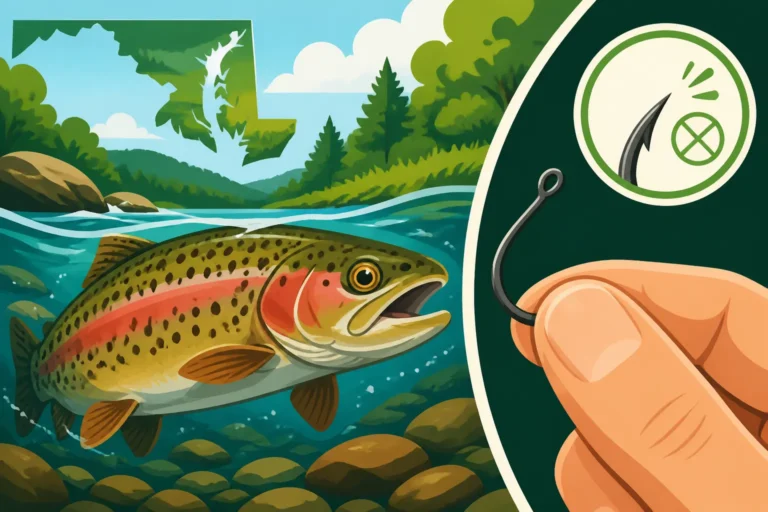
| Rainbow Trout | Most common, high numbers for put-and-take | 9-14 inches | Bait fishing (corn, PowerBait), spinners, flies | Mild, flaky, popular for eating |
| Brown Trout | Stocked in fewer numbers, more wary | 10-16 inches | Spinners, flies, more challenging to catch | Richer, firmer flesh, highly prized |
| Golden Rainbow | Special stockings, highly visible, novelty | 10-15 inches | Similar to Rainbows, often targeted by sight | Similar to Rainbows |
Remember, these stocking efforts are not just about the numbers; they're about the experience. They're about the joy of a bending rod, the beauty of a Maryland stream, and the memories made with friends and family. Keep an eye on the DNR’s announcements for Maryland's Spring Trout Stocking Season and Maryland's Fall Trout Stocking Season so you can plan your trips accordingly. You can even find great deals on fishing gear on Amazon to make sure you're fully equipped for whatever the season brings!
Disclaimer
This article is for general informational purposes only and does not constitute professional advice. Laws, prices and regulations vary by location and change over time. Consult a qualified professional for guidance on your specific situation.