Maryland Blue Catfish Limit, or Lack of One
It can be incredibly confusing trying to wrap your head around fishing regulations, especially when a species like the blue catfish, an invasive one here in Maryland, seems to operate under a completely different set of rules than our beloved native fish. Many anglers get tripped up, wondering if there's a hidden daily limit, a secret size restriction, or some obscure rule about these massive whiskered fish. This guide is here to clear up that confusion, diving deep into Maryland's stance on blue catfish and explaining exactly why, when it comes to keeping them, there practically isn't a limit at all.
Understanding Maryland's Blue Catfish Situation
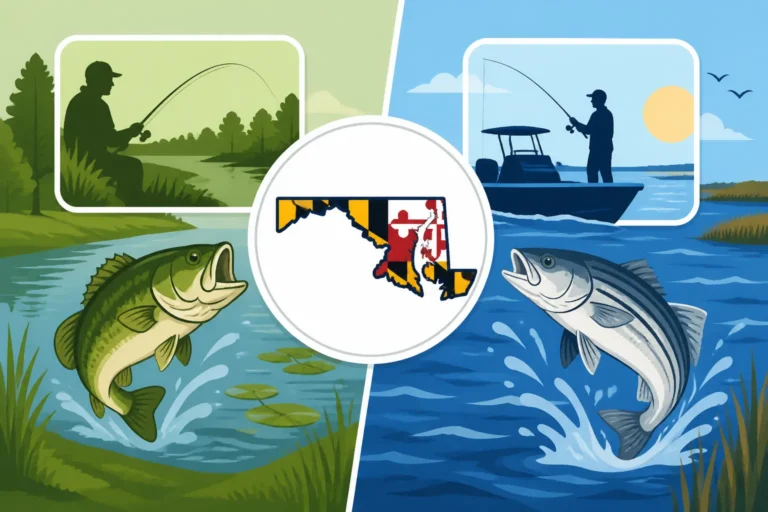
When we talk about blue catfish in Maryland, we're not just discussing another fish in the water; we're talking about a significant ecological challenge. These aren't native residents, and their presence impacts the delicate balance of our waterways, particularly the Chesapeake Bay and its tributaries. It’s important for every angler to understand the big picture, not just the rules, to truly appreciate why the regulations are the way they are.
The Invasive Threat of Blue Catfish
Imagine a guest arriving at a party and completely taking over, eating all the food, and elbowing out the original attendees. That's essentially what the blue catfish has done in Maryland's waters. Originating from the Mississippi River basin, these fish were introduced to the Mid-Atlantic region decades ago, and they've since spread like wildfire, establishing robust populations in rivers like the Potomac, Nanticoke, Choptank, and Patuxent. Their ability to adapt to both fresh and brackish water, combined with their incredible growth rate and voracious appetites, has allowed them to thrive.
The problem isn't just their numbers; it's their diet. Blue catfish are apex predators that consume a wide variety of prey, including native fish species like yellow perch, white perch, menhaden, and even juvenile striped bass, which are vital to the Bay's ecosystem. They compete with native species for food and habitat, disrupting the natural food web. This unchecked proliferation poses a serious threat to the biodiversity and health of Maryland's aquatic environments. This is precisely Why Blue Catfish Are Considered Invasive in Maryland and why the state takes such a unique approach to their management.
The Concept of a "Limit" in Fisheries Management
Typically, when we talk about fishing regulations, "limits" are a cornerstone of conservation. A daily creel limit dictates how many fish of a particular species an angler can keep in a single day, while a size limit might set a minimum length for retention (to allow fish to reach spawning maturity) or a maximum length (to protect large, prime breeding individuals). These limits are carefully designed, based on scientific data, to ensure sustainable populations for future generations of anglers and healthy ecosystems. Think about the strict Maryland Striped Bass Season and Rockfish Rules or the Maryland Flounder Size Limit; these are all about protecting populations.
However, for invasive species like the blue catfish, the management philosophy flips entirely. Instead of trying to protect and conserve their numbers, the goal is to reduce them. The fewer blue catfish there are, the less impact they have on native species. This fundamental shift in objective means that the traditional concepts of daily and size limits, which are designed for conservation, simply don't apply. This leads us to the unique regulatory framework for blue catfish in Maryland.
The Truth About Maryland's Blue Catfish "Limit"
So, you're out on the water, you hook into a monster blue catfish, and your mind races: "Can I keep this? How many can I keep? Is it too big? Is it too small?" It's a natural reaction, especially when you're used to navigating the intricate rules for other species. But with blue catfish, the answer is refreshingly, and somewhat startlingly, simple.
No Daily Creel Limit for Blue Catfish
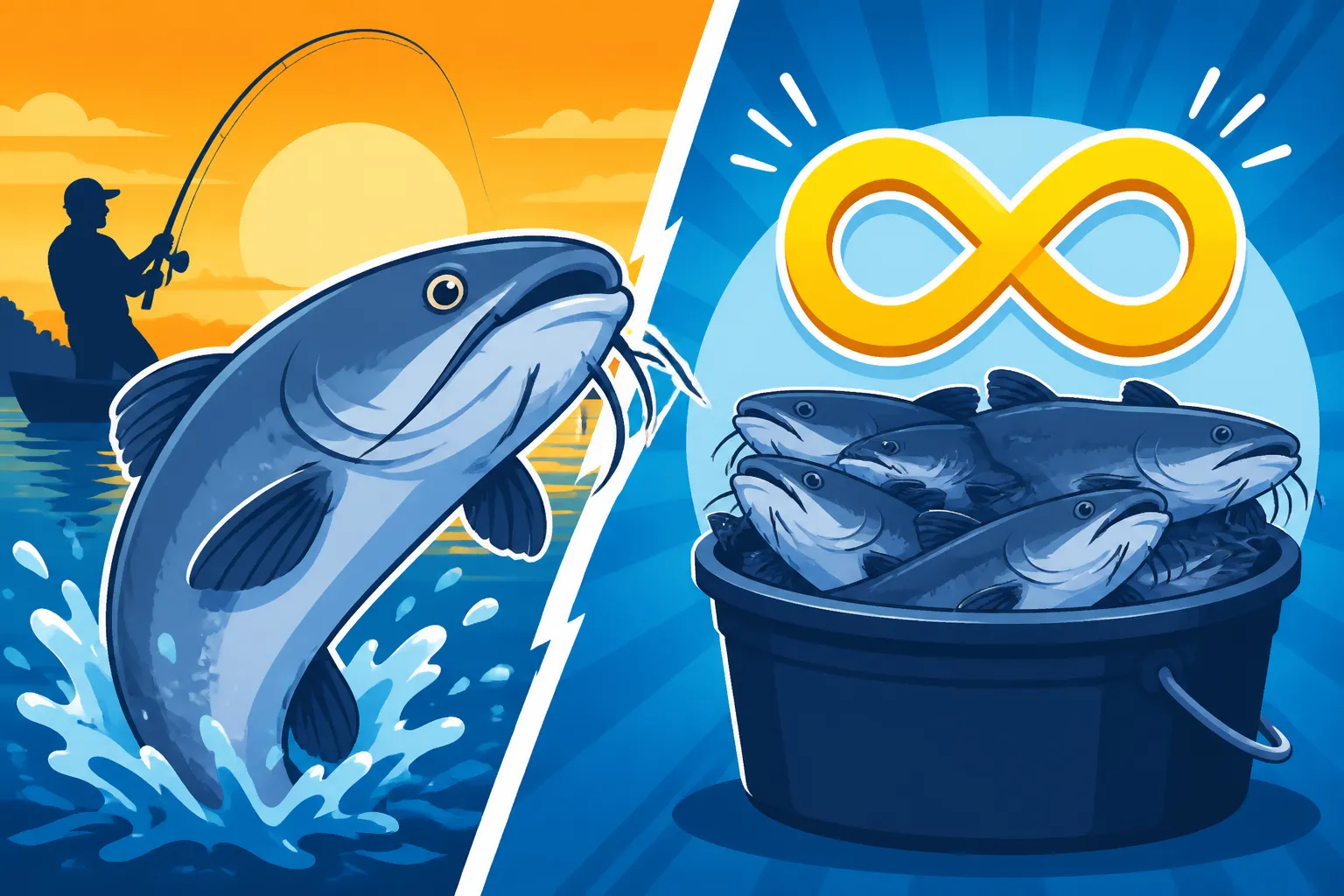
That's right, folks. There is no daily creel limit for blue catfish in Maryland waters. Let that sink in for a moment. If you head out to the Patuxent River, drop a line with some cut bait, and have an epic day reeling in dozens of blue catfish, you are legally allowed to keep every single one you catch. This isn't an oversight or a mistake; it's a deliberate strategy by the Maryland Department of Natural Resources (DNR).
The reasoning is straightforward: every blue catfish removed from the ecosystem is one less predator impacting native fish populations and one less fish reproducing to create more invasive offspring. The state actively wants anglers to harvest as many as possible. This policy empowers recreational anglers to become active participants in the conservation effort, turning every successful blue catfish trip into a direct contribution to the health of the Chesapeake Bay. This "catch-all-you-can-carry" approach is a strong encouragement for anglers to help manage this burgeoning population, a detail further elaborated in Maryland Blue Catfish Possession Rules.
No Size Restrictions on Blue Catfish
Adding to the unrestricted nature of blue catfish harvesting, Maryland also imposes no size restrictions on these fish. Whether you pull in a feisty 12-inch youngster or battle a monstrous 50-pounder, you can legally keep it. There's no minimum length you have to reach before it's legal, and no maximum length that dictates it must be released.
This lack of a size limit further reinforces the state's aggressive stance on managing this invasive species. For many other fish, protecting the larger, more reproductively mature individuals is crucial. For blue catfish, however, the larger individuals are often the most prolific spawners and the most effective predators. Removing them from the system has a more significant impact on the population's overall growth and its predatory pressure on native species. So, if you're targeting blue catfish, every fish of every size is fair game for your cooler. This particular regulation, or lack thereof, is a key point when considering Why Does Maryland Have No Size Limit on Blue Catfish?.
Encouraging Anglers to Harvest Blue Catfish
The absence of limits isn't just about giving anglers free rein; it's a call to action. Maryland's DNR views recreational anglers as a critical front line in the battle against blue catfish overpopulation. Your fishing trip can be both an enjoyable pastime and a vital conservation effort.
How Anglers Can Help Manage the Population
Every blue catfish you remove from Maryland's waters helps reduce the pressure on our native species. It contributes to the overall goal of mitigating the environmental damage caused by these invasive fish. This means treating every blue catfish you catch not as a catch-and-release opportunity, but as a mandatory harvest. The state explicitly encourages anglers to kill and remove all blue catfish caught.
This can sometimes be a mental shift for anglers who are deeply ingrained with catch-and-release ethics for other species. But with blue catfish, releasing them simply allows them to continue their destructive impact. Don't fall into the trap of thinking, "Oh, it's small, I'll let it go." Every single one counts. This is why when you hook a blue cat, the expectation is that you will dispatch it and keep it. The details on this expectation are clear in the Is It Legal to Release a Blue Catfish in Maryland? guidelines. By embracing this role, anglers become stewards of the Bay, actively participating in its restoration and health.
Tips for Effective Blue Catfish Fishing and Harvest
To truly make an impact and enjoy some fantastic fishing, it helps to know how to target these prolific eaters. Blue catfish are notoriously unfussy, which makes them a great target for anglers of all skill levels. They primarily feed on the bottom, so a basic bottom rig with heavy sinkers is often all you need.
For bait, think smelly and robust. Cut bait (like chunks of alewife, menhaden, or even chicken breast), chicken livers, and store-bought stink baits are all highly effective. They have an incredible sense of smell and are drawn to strong odors. Prime locations to target them include the deeper channels and holes of the Potomac River, particularly in its tidal sections, as well as the Nanticoke, Choptank, and Patuxent Rivers. You can find more targeted advice on how to locate and catch them in specific waterways by looking into How to Catch Blue Catfish in the Potomac River. Many anglers have found success using circle hooks to ensure good hooksets and minimize deep hooking, making the harvest process cleaner.
Beyond the conservation aspect, blue catfish are also excellent table fare! Their firm, white, flaky meat makes for delicious fillets. So, not only are you helping the environment, but you're also bringing home some fantastic protein for dinner. This is a common question, and yes, Are Blue Catfish Good to Eat From Maryland Rivers?.
Proper Handling and Transport of Blue Catfish
Since the goal is to remove blue catfish from the ecosystem, proper handling and transport are just as important as the catching itself. You want to ensure the fish are dispatched humanely and that you comply with all transport regulations to prevent any accidental spread.
On-Site Kill and Ice Storage
Once you've caught a blue catfish and decided to keep it (which, remember, is the expectation), the first step is to humanely dispatch the fish. A sharp blow to the head or a quick knife cut behind the gills are common methods. This ensures the fish doesn't suffer unnecessarily and prevents any chance of it escaping back into the water or spreading to new locations.
After dispatching, immediately place your catch on ice. A good, sturdy cooler is essential for this. I always recommend investing in a large, well-insulated cooler, and you can find excellent options, like those from Igloo or Yeti, on platforms like Amazon. Keeping the fish on ice not only preserves the quality of the meat for consumption but also ensures that if any fish are still technically alive after dispatching, the cold further incapacitates them, preventing any unintended release. Ensure your cooler has enough ice to keep the fish completely chilled throughout your trip.
Transporting Your Catch Legally
Maryland's regulations are clear about transporting invasive species: you cannot transport live blue catfish. The intent is to prevent the introduction of these fish into new, uninfested waterways. Therefore, any blue catfish you keep must be dead when you transport it away from the fishing site. This means if you catch one, it needs to be dispatched and put on ice before you pack up your gear and head home.
Always have a plan for your catch. Whether you're filleting them at home or taking them to a local processor, ensure they remain on ice and are visibly dead during transport. This simple step is critical in preventing further ecological damage and is a key component of Maryland Rules on Transporting Live Blue Catfish. Don't be tempted to use a livewell for blue catfish; save those for native game fish that you intend to release safely.
By adhering to these practices, you're not just fishing; you're actively participating in a crucial environmental management program. Every trip to target blue catfish is an opportunity to enjoy the outdoors, hone your angling skills, and contribute to the health of Maryland's incredible aquatic resources.
| Regulation Aspect | Blue Catfish in Maryland | Typical Native Game Fish (e.g., Striped Bass) |
|---|---|---|
| Daily Creel Limit | None (Encourage harvest) | Specific number (e.g., 1 or 2 per day) |
| Size Limit | None | Minimum or slot limits (e.g., 19-24 inches) |
| Catch & Release | Strongly Discouraged | Often encouraged or required (e.g., during closed seasons) |
| Transport Live | Illegal | Generally legal with proper care and conditions |
| Conservation Goal | Population Reduction | Population Sustainability & Growth |
Disclaimer
The information provided in this guide is for general informational purposes only and is subject to change. Fishing regulations in Maryland can be updated frequently. Always consult the latest official Maryland Department of Natural Resources (DNR) fishing guide or website before heading out to fish to ensure compliance with all current rules and regulations.