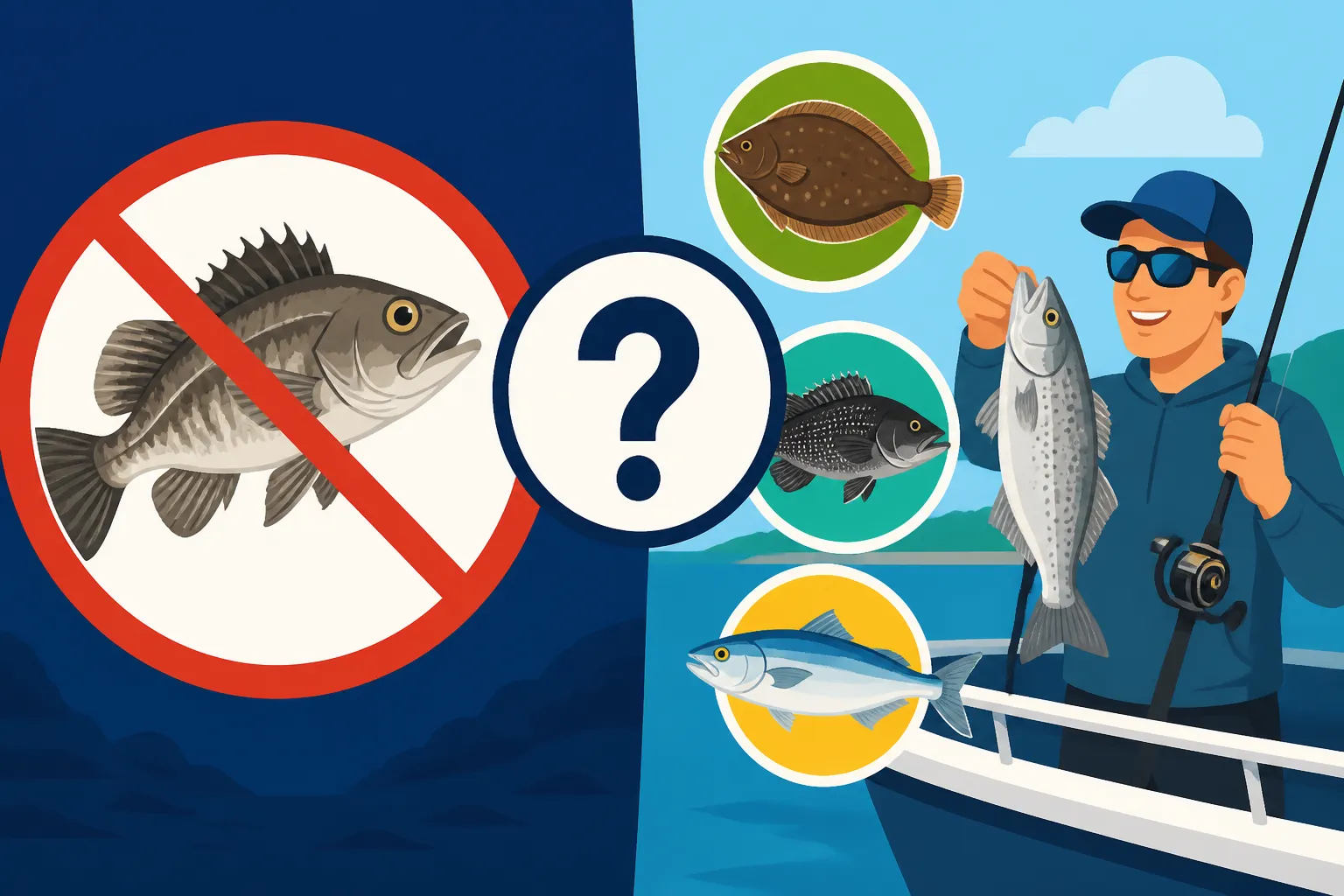
Can You Target Other Species During the Rockfish Closure?
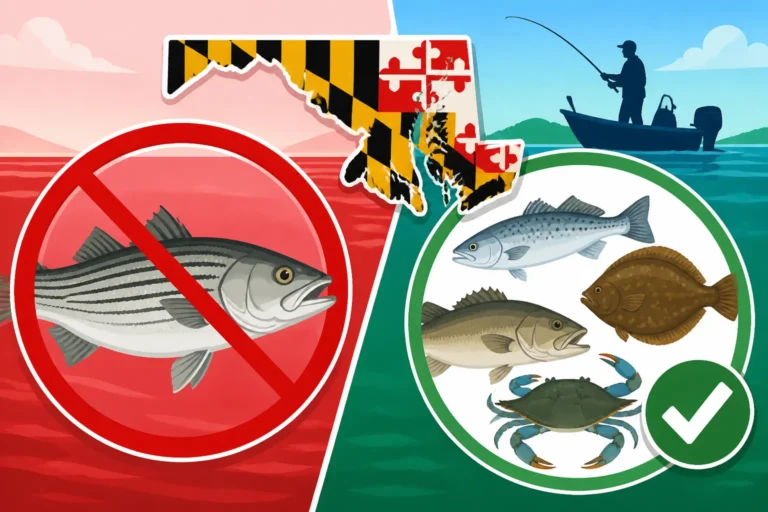
It's a familiar feeling for many Maryland anglers: that moment when you realize prime rockfish season is closed, and you're left wondering what to do with your fishing rod. The closures, while vital for conservation, can certainly put a damper on your fishing plans if you're not prepared. But here's the good news: Maryland's waters are teeming with a fantastic variety of other species that offer incredible angling opportunities, even when the striped bass are off-limits. This guide will walk you through viable alternatives, ensuring your fishing adventures continue uninterrupted.
Understanding Maryland's Rockfish Closures
First, let's acknowledge the elephant in the tackle box: why do these closures even exist? It's not to frustrate us, I promise! It's all about ensuring the long-term health and sustainability of Maryland's beloved striped bass population. Rockfish are iconic, and managing their numbers requires careful planning, which sometimes means temporary restrictions on when and where we can target them.
The Rationale Behind Striped Bass Restrictions
The primary reason for striped bass restrictions, often affectionately called rockfish in Maryland, is conservation. These magnificent fish migrate and spawn, and certain periods are incredibly vulnerable for them. During their spawning runs up freshwater rivers in the spring, for instance, they are concentrating to reproduce. Fishing pressure during these sensitive times could severely impact future generations, leading to a decline in their overall population. It's a tough pill to swallow when you want to be out on the water, but it's a necessary step to keep our fishing heritage alive for years to come. These rules are put in place by biologists and fisheries managers who study the fish's life cycles and population trends, trying to balance angler access with ecological needs.
Key Closure Periods for Rockfish
While specific dates can shift each year, there are generally a couple of key periods when striped bass fishing is restricted in Maryland. Often, there's a closure in the spring, especially in the spawning rivers and upper Chesapeake Bay areas, to protect those critical breeding fish. This might include specific river closures for striped bass, where targeting them is completely prohibited or only catch-and-release is allowed under strict conditions. Then, depending on stock assessments and management goals, there can also be a summer closure, sometimes in August, when water temperatures are high and striped bass are more susceptible to stress and mortality from catch-and-release fishing. Understanding these general timeframes helps you anticipate when you'll need to pivot to other species. It's always a good idea to check the Maryland Department of Natural Resources (DNR) regulations for the most current information before heading out.
Top Alternative Species to Target During Rockfish Downtime
Okay, so rockfish are out for a bit. Don't pack up your gear yet! Maryland's diverse waters, from the tranquil freshwater lakes to the bustling tidal rivers and the vast Chesapeake Bay, offer a wealth of other species ready to put a bend in your rod. It’s a fantastic opportunity to explore new techniques and broaden your angling horizons.
Freshwater Gems: Bass, Crappie, and Perch in Nontidal Waters
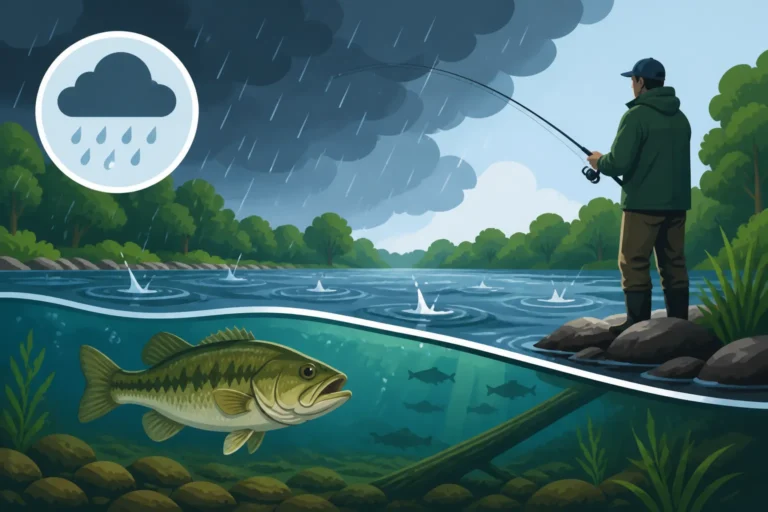
When the Bay's striped bass action slows down or closes, many anglers wisely turn their attention to Maryland's excellent freshwater fishing opportunities. Lakes like Loch Raven Reservoir, Liberty Reservoir, Deep Creek Lake, and countless ponds and nontidal rivers are absolutely brimming with fish. You'll find healthy populations of largemouth bass, which are fantastic fighters, especially on topwater lures during warmer months. These fish love to hide around submerged structure, lily pads, and fallen trees, offering exciting challenges for baitcasting and spinning gear alike.
Beyond bass, the panfish populations are often overlooked and provide incredible action, especially for families or those looking for consistent bites. Crappie, bluegill, and yellow perch are abundant in many of these waters. A simple ultralight setup with small jigs, spinners, or a bobber and a live minnow or worm can lead to a cooler full of delicious fillets. Imagine spending a peaceful afternoon at a quiet pond, pulling in a stringer of plump crappie – it’s a completely different, but equally rewarding, experience. If you want to dive deeper into these species, check out our guide on Maryland Panfish: Crappie, Perch and Sunfish or for bigger quarry, our Maryland Largemouth Bass Fishing Guide.
Invasive Species: Blue Catfish and Snakehead
Now, here's where you can actually become a hero for Maryland's native ecosystems while having an absolute blast: targeting invasive species. Blue catfish and northern snakehead are two non-native fish that have established strong populations in many Maryland rivers, most notably the Potomac River, but also the Susquehanna and Choptank, among others. The best part? There are often no size or creel limits on these fish, and anglers are actively encouraged to harvest them. This means you can keep as many as you want, and they make for excellent table fare!
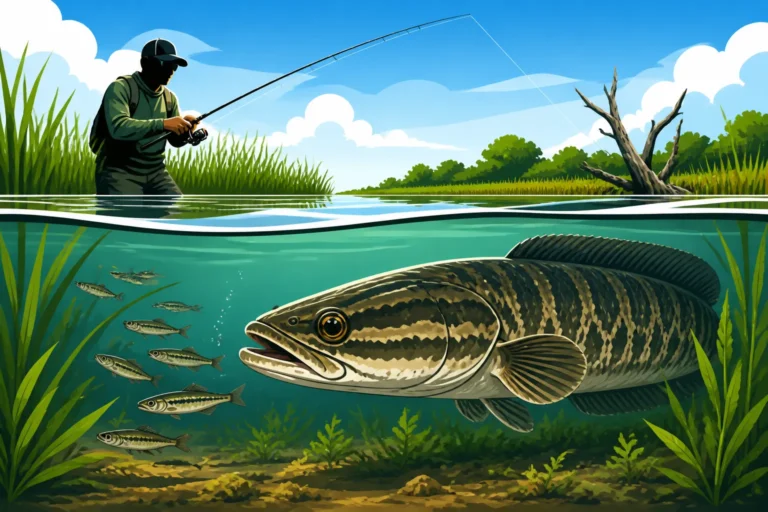
Blue catfish can grow to enormous sizes, offering a truly powerful fight. They congregate in deep holes and channels and will readily hit cut bait (like pieces of gizzard shad or clam snouts) fished on the bottom with heavy tackle. You might need a sturdy rod and reel combo that you can find easily on Amazon, capable of handling fish well over 20 pounds. Northern snakeheads, on the other hand, are ambush predators that love shallow, heavily vegetated areas. Targeting them with topwater frog lures, swimbaits, or even live minnows can lead to explosive strikes and an adrenaline-pumping fight. Because they are so aggressive, catching a snakehead is a unique and exciting experience. For more information on these fascinating, yet problematic, fish, explore Maryland Blue Catfish, an Invasive Giant and Northern Snakehead in Maryland Waters.
Bay and Ocean Opportunities: Perch, Croaker, Spot, and More
Even within the Chesapeake Bay and its tributaries, and certainly along Maryland's coast, there are plenty of options when striped bass are off the menu. White perch are a fantastic year-round target, and they can be caught in nearly every tidal creek, river, and throughout the Bay itself. They are prolific biters, even when conditions are tough, and they are delicious. Small spinnerbaits, tiny jigs, or bottom rigs with bloodworms or grass shrimp will almost always entice a bite. You'll find them schooling up around structure like docks, oyster reefs, and channel edges. Our guide on White Perch in Maryland's Chesapeake Bay has even more tips.
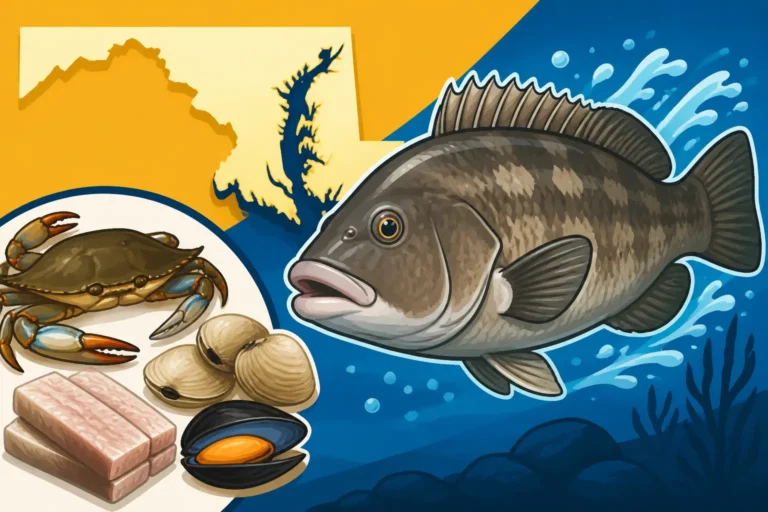
During the warmer months, the Bay and its coastal bays also become home to croaker and spot. These panfish-sized fish offer fast-paced action and are perfect for a relaxing day of bottom fishing. Simple bottom rigs with small hooks baited with bloodworms or squid strips will typically do the trick. They might not be the giants of the Bay, but they're incredibly fun to catch and also make for excellent eating. On the ocean side, near Ocean City, you can often target flounder, kingfish (whiting), and even black sea bass depending on the season and distance offshore. Checking out Spot and Croaker in Maryland Waters can give you an edge on those species. These coastal opportunities provide a completely different kind of fishing experience, from surf casting to pier fishing, or venturing out on a headboat for sea bass.
Essential Gear and Techniques for Diversifying Your Catch
Stepping outside your striped bass comfort zone might require a slight adjustment to your gear and a willingness to try new techniques. The good news is that much of what you already own for rockfish can be adapted, or you might discover a passion for a new style of fishing!
Adapting Your Tackle Box: From Light Spinners to Heavy Catfish Rigs
For most of the panfish like white perch, crappie, spot, and croaker, you'll want to downsize your gear significantly from what you might use for trophy rockfish. A light to medium-light spinning rod, perhaps a 6 to 7-foot model, paired with a small spinning reel spooled with 6-10 lb test monofilament or braid is perfect. This setup will make even smaller fish feel like giants and allow for accurate casting of light lures and baits. You can find some excellent, affordable multi-species rod and reel combos on Amazon that are ideal for this kind of fishing, saving you from buying individual components.
When it comes to blue catfish, however, you'll need to go in the opposite direction. These fish can grow absolutely massive, so a heavy-action rod and a reel spooled with 30-60 lb braid is a must. Many anglers opt for a conventional reel setup for catfish, allowing for more cranking power and higher line capacity. For snakeheads, a medium-heavy baitcasting or spinning rod that can throw heavier lures and pull fish out of thick cover is essential. Again, Amazon carries a wide array of specialized catfish and snakehead gear, including robust rod holders and heavy sinkers, that can handle the sheer power of these fish. Don't be afraid to invest in a few specialized items; the thrill of landing a monster blue cat or a thrashing snakehead is well worth it!
Effective Baits and Lures for Non-Rockfish Species
Your bait and lure choices will also need to shift based on your target species. For freshwater bass, popular lures include plastic worms, spinnerbaits, crankbaits, and jigs. Topwater frogs or poppers are incredibly exciting for largemouth bass, especially in shallow, weedy areas, and are also highly effective for northern snakehead. If you're going after crappie or yellow perch, small jigs (1/32 to 1/16 oz) tipped with a small plastic grub, a live minnow, or a piece of nightcrawler are deadly.
For blue catfish, cut bait is king. Freshly cut pieces of gizzard shad, menhaden, carp, or even chicken liver are irresistible to them. Make sure your hooks are strong and sized appropriately for the large mouths of these bottom feeders. For white perch, spot, and croaker in the Bay, the humble bloodworm is often the most productive bait, fished on a simple bottom rig. Small pieces of peeler crab or grass shrimp can also work wonders. Having a variety of bait options, whether live or artificial, will greatly increase your chances of success across different species and conditions.
Exploring New Waters and Fishing Methods
The rockfish closure is actually a fantastic catalyst to explore new fishing spots and techniques you might otherwise overlook. Have you always fished the Chesapeake Bay from a boat? Maybe it's time to try shore fishing at Sandy Point State Park or one of Maryland's many public piers. Our guide on the Best Piers and Shore Fishing Spots in Maryland can help you find a new favorite spot. Or perhaps you've primarily fished tidal waters; now is the perfect opportunity to visit one of Maryland's scenic freshwater lakes or reservoirs. The Best Places to Fish in Maryland guide will give you a comprehensive overview of diverse locations.
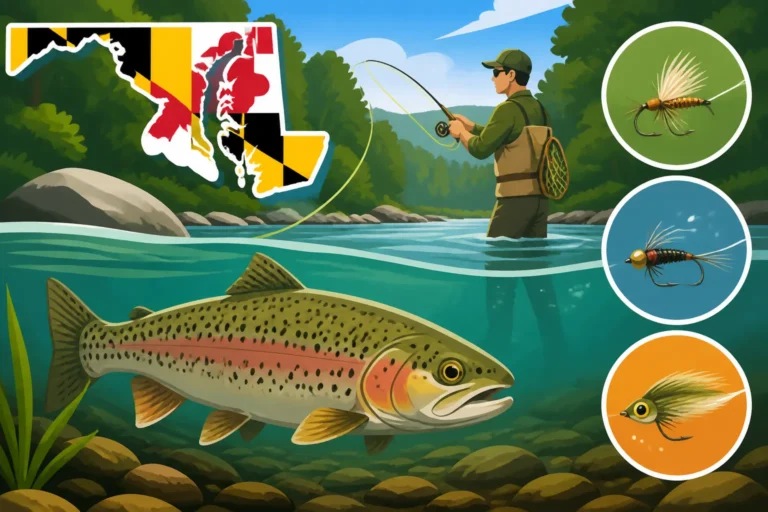
Consider trying fly fishing for trout in the colder mountain streams of Western Maryland, or maybe kayaking into shallow creeks for snakeheads. Each new location and method offers a fresh perspective and teaches you valuable angling skills. Learning to read the water in a freshwater stream is very different from interpreting tidal currents in the Bay, and mastering new casting techniques for specific lures can be incredibly rewarding. Embrace the change; you might just discover your new favorite way to fish in Maryland.
Navigating Regulations for Other Species
Just because you're not chasing striped bass doesn't mean you can ignore the rules. Maryland has specific regulations for every fish species, and they are crucial to follow for conservation and to avoid hefty fines. It's a small effort that makes a big difference in keeping our waters healthy and accessible for everyone.
Checking Daily Creel and Size Limits
This is probably the most critical piece of information you need before targeting any alternative species. Every fish species in Maryland, outside of a few invasive ones like blue catfish and snakehead, has specific daily creel (bag) limits and minimum (and sometimes maximum) size limits. What you can keep for yellow perch might be different from crappie, and certainly different from flounder. For example, knowing the Maryland flounder size limit is essential if you're hitting the coastal bays.
These regulations are not just suggestions; they are laws designed to protect fish populations. Violating them can lead to significant penalties. Always, and I mean always, consult the most current Maryland DNR fishing regulations before your trip. You can usually find a comprehensive guide online, often referred to as Maryland's DNR Fishing and Boating Guide, Explained, or pick up a physical copy wherever fishing licenses are sold. This is your bible on the water. Make it a habit to check for changes, as regulations can sometimes be updated mid-season based on biological assessments. Our Maryland Fishing Size and Catch Limits by Species article can also provide a great overview.
License Requirements Beyond the Bay
Another common misconception is that one fishing license covers all types of fishing. While Maryland does offer consolidated licenses, it's crucial to understand the distinction between tidal and nontidal waters, and how that impacts your licensing. If your regular go-to is the Chesapeake Bay, you likely have a Chesapeake Bay Sport Fishing License or a general consolidated license that covers tidal waters. However, if you venture into purely freshwater lakes, reservoirs, or the upper, nontidal sections of rivers, you'll need the appropriate nontidal fishing license. Understanding Maryland Nontidal vs Tidal Fishing License, Explained is key.
Some species, like trout in designated management areas, might also require an additional stamp, such as a Maryland Trout Stamp. If you're a Maryland resident, your Maryland Fishing License Guide for 2026 will walk you through all the options and help you determine which license or combination of licenses you need for your chosen alternative species and fishing location. Always ensure you have the correct and current license in your possession when fishing, as wardens do check, and ignorance of the law is not a valid excuse.
| Species Targeted | Typical Habitat | Common Baits/Lures | License Type (General) | Special Notes |
|---|---|---|---|---|
| Largemouth Bass | Freshwater lakes, ponds, nontidal rivers, tidal creeks | Plastic worms, jigs, crankbaits, spinnerbaits, topwater frogs | Nontidal | Great fighters, especially in cover. |
| Blue Catfish | Tidal rivers (Potomac, Susquehanna, Choptank) | Cut bait (shad, menhaden), chicken liver | Tidal (or Nontidal depending on river section) | Invasive, harvest encouraged, no limits. |
| Northern Snakehead | Shallow, vegetated tidal rivers (Potomac, Blackwater) | Topwater frogs, swimbaits, chatterbaits, live minnows | Tidal | Invasive, harvest encouraged, cannot be released live. |
| White Perch | Entire Chesapeake Bay, tidal rivers, brackish creeks | Bloodworms, grass shrimp, small jigs, spinnerbaits | Tidal | Abundant, great eating, often year-round. |
| Crappie | Freshwater lakes, reservoirs | Small jigs (tipped with plastic or minnow), minnows | Nontidal | Excellent eating, schooling fish. |
| Yellow Perch | Upper Chesapeake Bay, tidal rivers, freshwater lakes | Minnows, grass shrimp, small jigs | Tidal / Nontidal | Spring runs are popular, tasty. |
| Spot & Croaker | Lower Chesapeake Bay, coastal bays | Bloodworms, squid, fish bites | Tidal | Good numbers in summer, popular for bottom fishing. |
Don't let rockfish closures keep you from the water. Maryland offers such an incredible array of fishing opportunities that there's truly something for every angler, every season. These periods are an invitation to explore, learn, and discover new favorites. Tight lines!
Disclaimer
This article is for general informational purposes only and does not constitute professional advice. Laws, prices and regulations vary by location and change over time. Consult a qualified professional for guidance on your specific situation.