What Do Striped Bass Eat in the Chesapeake Bay?
One of the most common questions I hear from fellow anglers, especially those new to the Chesapeake Bay, is "What are these striped bass actually eating?" It's a fundamental puzzle because understanding their diet is the single biggest key to unlocking successful fishing trips. There's nothing more frustrating than casting all day with the wrong bait, only to see fish busting the surface for something you don't have. This guide will dive deep into the diverse menu of the Chesapeake Bay's beloved striped bass, or rockfish as we affectionately call them, helping you understand their feeding habits and, more importantly, how you can use that knowledge to your advantage.
The Chesapeake Bay: A Buffet for Striped Bass
The Chesapeake Bay isn't just a beautiful body of water; it's a vibrant ecosystem teeming with life, and for striped bass, it's a massive, ever-changing buffet. From the smallest crustaceans to schools of baitfish, everything plays a role in sustaining these powerful predators. Understanding the prey available at different times of the year and in various parts of the Bay is crucial for any angler looking to improve their catch rate. It's not just about tossing out any old lure; it's about matching the hatch, as they say. If you're wondering how they thrive and grow to impressive sizes, it's all thanks to this rich food source.
The Foundation of Their Diet: Forage Fish
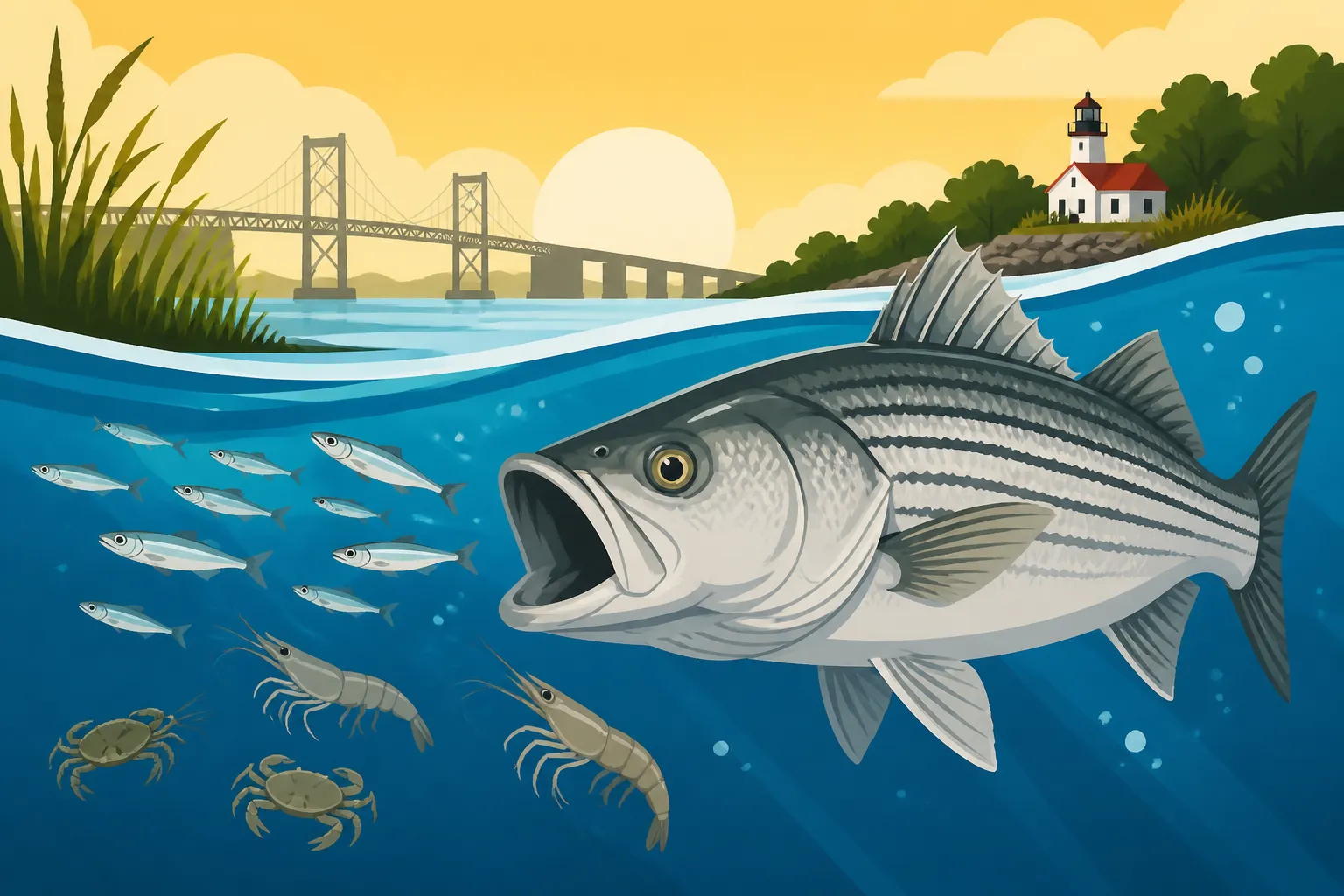
When you talk about what striped bass eat, forage fish are usually the first thing that comes to mind, and for good reason. These smaller, schooling fish are the primary caloric engine for a growing rockfish population. Without a healthy population of baitfish, the striped bass simply wouldn't be able to maintain their numbers or reach the impressive sizes we all hope to catch. It's a delicate balance, and environmental factors can greatly impact the availability of these crucial food sources. When these forage fish are abundant, striped bass fishing can be absolutely phenomenal.
One of the absolute kings of the forage fish world in the Chesapeake Bay is the Atlantic menhaden, often just called "bunker" or "pogies." These oily fish swim in massive, dense schools and are a favorite target for larger striped bass. Menhaden are rich in fat, providing the high energy content striped bass need for their migrations and spawning. Anglers often look for signs of menhaden on the surface – flipping, shimmering, or even being chased by birds – as a dead giveaway that striped bass are likely nearby. What Is a Menhaden and Why Does It Matter to Maryland Fishing? details just how vital these fish are.
Other Crucial Baitfish Species
Beyond menhaden, striped bass have a wide variety of other baitfish on their menu, each playing a role depending on the season and location. Spot and croaker, for example, are highly prized by rockfish, especially during the warmer months when these bottom-dwelling fish are plentiful. Many anglers will even "live-line" spot, hooking them alive and sending them down to where the striped bass are feeding. These species offer a different texture and scent profile, appealing to striped bass that might be looking for a change from their usual fare.
Another important group includes bay anchovies, silversides, and juvenile herring. These smaller baitfish often form massive schools in the shallower areas and along channel edges. While they might be individually small, their sheer numbers make them an attractive meal for striped bass, particularly younger or smaller rockfish. When striped bass are actively feeding on these tiny baitfish, anglers often need to scale down their lures to match the size of the natural prey, perhaps using smaller soft plastics or metal jigs.
Key Prey Species in the Chesapeake Bay
Striped bass are opportunistic predators, meaning they'll eat just about anything they can fit in their mouth if it presents an easy meal. While forage fish make up the bulk of their diet, they certainly don't limit themselves. The diversity of the Bay means there's always something else to snack on, whether it's crustaceans scuttling on the bottom or other small fish that wander into their path. This adaptability is one reason why striped bass are such successful and widespread predators.
Crustaceans: Crabs and Shrimp
Believe it or not, crabs are a significant part of a striped bass's diet, especially when they're shedding their hard shells and are soft and vulnerable. Small blue crabs, fiddler crabs, and even grass shrimp are readily consumed by striped bass of all sizes. You'll often find striped bass cruising shallow flats and oyster bars where crabs are abundant, rooting around for an easy meal. This is why lures that mimic crabs, or even using peeler crab for bait, can be incredibly effective, particularly in areas with good crab populations.
Shrimp, both the small grass shrimp found in shallower waters and larger varieties, also make for an excellent snack. While not as dominant as baitfish or crabs, they contribute to the diverse diet of a striped bass. If you've ever seen a striped bass spit up its last meal, you might be surprised to find remnants of small crustaceans alongside bits of fish. This varied diet ensures they get all the necessary nutrients to grow big and strong.
Other Fish Species: Perch, Eels, and More
Striped bass are not picky eaters, and their diet extends to other fish species found throughout the Bay. White perch, for example, which are incredibly abundant, often fall prey to larger striped bass. Juvenile white perch are particularly vulnerable and make for easy targets in shallow coves and river mouths. When fishing for larger striped bass, anglers sometimes use white perch as live bait themselves, indicating their natural appeal.
American eels are another fatty, high-energy food source, especially for bigger "rockfish." Eels are slippery and hard to catch, but if a striped bass can ambush one, it's a substantial meal. Anglers targeting trophy striped bass, especially during night fishing excursions, will sometimes use chunks of fresh eel or even whole live eels to entice those larger, more wary fish. You can find robust eel traps and other fishing gear on sites like Amazon if you're looking to explore different bait options.
Seasonal and Environmental Influences on Diet
The Chesapeake Bay is a dynamic environment, and a striped bass's diet changes with the seasons, water temperature, tides, and even moon phases. What they eat in the spring is often quite different from their summer or fall menu. Understanding these shifts is paramount for predicting their behavior and choosing the right approach. It's like us having different cravings depending on the weather – a hearty stew in winter, a light salad in summer. Striped bass are no different; their bodies instinctively seek out the most energy-efficient food source available.
Spring: Spawning and Resurgence
In the spring, after the exhausting spawning season, striped bass are often incredibly hungry and looking to regain energy. Maryland Striped Bass Spawning River Closures for Striped Bass illustrates how they migrate upriver to spawn. During this time, they'll target whatever is most readily available and easiest to catch. River herring and shad, which are also making their way up into freshwater to spawn, become a significant food source. Additionally, as the Bay waters warm, schools of menhaden begin to push into the Bay, providing a rich buffet for the recovering fish. This is when you'll see some of the most aggressive feeding behavior.
As spring progresses into early summer, the availability of baitfish like menhaden, spot, and croaker increases dramatically. Striped bass will follow these schools, often moving out of the rivers and into the main stem of the Bay. The fish are actively feeding, preparing for the warmer summer months and building up their reserves. Anglers often focus on areas where baitfish are concentrated, knowing that the striped bass won't be far behind.
Summer: Warm Waters and Diverse Prey
Summer in the Chesapeake Bay brings warmer water temperatures, which can affect striped bass behavior, making them less active during the heat of the day. However, they still need to eat! During this period, they often move to deeper, cooler waters, concentrating around structure like channel edges, oyster reefs, or bridge pilings. Their diet remains diverse, with menhaden still being a primary target, but crabs, spot, and croaker also become increasingly important as they become more abundant in the Bay.
Early mornings, evenings, and nighttime become prime feeding times in the summer. Striped bass will push into shallower areas under the cover of darkness to ambush prey. This is when lures mimicking baitfish and crabs can be highly effective. Summer Fishing Patterns on Maryland's Chesapeake Bay provides an excellent deep dive into how striped bass behave during these warmer months and what anglers can expect.
Fall: The Migration Feast
Ah, fall in the Chesapeake Bay – for many, it's the absolute pinnacle of striped bass fishing! As water temperatures begin to drop, striped bass embark on their fall migration, moving south out of the Bay towards the ocean. This period is characterized by intense feeding as they gorge themselves, building up fat reserves for the winter journey and the upcoming spawning season. Baitfish like menhaden, peanut bunker (juvenile menhaden), and anchovies are incredibly plentiful and become the primary target for these hungry fish.
"Blitzes" are common during the fall run, where massive schools of striped bass, sometimes accompanied by bluefish or other predators, push baitfish to the surface. Birds diving and fish crashing are unmistakable signs of this feeding frenzy. Large lures, poppers, and even chumming and chunking for Maryland's Chesapeake Bay Striped Bass techniques are incredibly effective during this time, capitalizing on the striped bass's need to feed heavily. Fishing Maryland's Fall Striped Bass Run offers a comprehensive guide to navigating this exciting season.
Winter: Deep and Dormant
While less active, striped bass still feed in the winter, albeit more slowly. They tend to congregate in deeper, warmer pockets of the Bay or in the lower reaches of major rivers. Their metabolism slows down, so they're not chasing fast-moving prey as vigorously. At this time, their diet might consist of slower-moving baitfish that have also sought refuge in deeper waters, or even bottom-dwelling invertebrates. Anglers often employ vertical jigging or slow-trolling techniques to tempt these colder-water fish, using baits that require less energy for the striped bass to pursue.
| Prey Species | Primary Habitat in Bay | Peak Season | Common Angling Approach | Lure/Bait Suggestion |
|---|---|---|---|---|
| Atlantic Menhaden | Open Bay, Channels, River Mouths | Spring, Fall | Trolling, Live-lining | Large soft plastics, Plugs, Live/Chunked Bunker |
| Spot/Croaker | Shallower Flats, Channel Edges | Summer, Fall | Live-lining, Bottom Fishing | Live Spot, Peeler Crab, Bloodworms |
| Bay Anchovies | Shallow Estuaries, Open Bay | Spring, Summer | Light Tackle, Jigging | Small jigs, Soft plastics, Metal spoons |
| Blue Crabs | Shallow Flats, Oyster Bars | Summer | Cut Bait, Crab Imitations | Peeler Crab, Soft Crab Lures |
| American Eel | Bottom, Structure, Rivers | Summer, Fall | Live-lining, Cut Bait | Live Eel, Eel Chunks, Eel-tail soft plastics |
| White Perch (Juvenile) | Shallow Coves, River Systems | Spring, Summer | Live-lining | Live Perch |
How Anglers Use This Knowledge to Their Advantage
Understanding what striped bass eat is not just a fascinating biological fact; it's the cornerstone of effective angling. Armed with this knowledge, you can make more informed decisions about where to fish, what bait to use, and what techniques to employ. It transforms fishing from a guessing game into a strategic pursuit. Knowing their diet helps you think like a fish, which is every angler's ultimate goal.
Matching the Hatch: Bait and Lure Selection
The concept of "matching the hatch" is incredibly important. If striped bass are feasting on small bay anchovies, a large 9-inch topwater plug is probably going to be ignored. Instead, opting for smaller jigs or soft plastics that mimic the size and profile of the anchovies will yield far better results. Conversely, if you see large schools of menhaden being busted by big rockfish, a large spoon or a hefty soft plastic paddle tail will be a more appropriate choice. Websites like Amazon are fantastic resources for finding specific lures and baits that mimic all sorts of Bay forage.
This extends to natural bait as well. If you know striped bass are gorging on spot, then live-lining a spot you caught nearby is often the most effective presentation. Similarly, during crab shedding season, using peeler crab or a realistic soft crab imitation can be deadly. Best Bait for Striped Bass in the Chesapeake Bay will delve deeper into specific bait choices. Always observe the environment: what are the birds doing? What's jumping out of the water? These are clues to what the fish are currently eating.
Location, Location, Location
Fish are where the food is. It's a simple truth that holds universally. If you understand what striped bass are eating, you can predict where they'll be found. For instance, if menhaden are schooled up along a channel edge, the striped bass won't be far away. If it's early summer and crabs are shedding in the shallows, striped bass will often move into those shallower areas to capitalize on the easy meal.
This also means paying attention to subtle environmental cues. How Tides Affect Fishing in Maryland's Chesapeake Bay emphasizes how current movements can concentrate baitfish, making specific points or eddies prime locations for ambush predators like striped bass. Understanding their diet helps you pinpoint not just what they're eating, but where they're most likely to find it, which directly translates to where you should be casting your line.
Techniques Tailored to Prey
The way striped bass feed on different prey influences the techniques you should use. If they're actively chasing fast-moving schools of baitfish in open water, trolling with large spoons or bucktails might be most effective. If they're bottom-feeding on crabs or spot, then jigging near the bottom or using a live-line rig is a better approach. Maryland Striped Bass Fishing Techniques explores a wide array of methods used throughout the Bay.
Even during the winter, when their metabolism slows down, understanding their diet informs your approach. They're less likely to chase, so a slow presentation, perhaps a jig worked very subtly near the bottom, mimicking an easy, slow-moving meal, will be more productive than a fast retrieve. Ultimately, knowing what they eat helps you present your offering in the most natural and enticing way possible.
Disclaimer
This article is for general informational purposes only and does not constitute professional advice. Laws, prices and regulations vary by location and change over time. Consult a qualified professional for guidance on your specific situation.