Maryland’s Largest Blue Catfish Ever Caught
The dream of landing a true monster is something every angler in Maryland can relate to. There's a special thrill that comes with battling a fish that feels like it could pull you right out of the boat, and when it comes to sheer size and fighting power, blue catfish certainly deliver. If you've ever wondered about the legendary catches in our waters and how to pursue these impressive, albeit invasive, giants, this guide will delve into the tales of Maryland's largest blue catfish and provide insights on how you might hook your own record-setter.
The Allure of the Record Breaker: Maryland's Largest Blue Catfish
There’s a unique excitement that hums through the fishing community whenever a new state record is established, especially when it involves a species as formidable as the blue catfish. These fish are known for their incredible size and strength, making any encounter a memorable one, but when an angler manages to pull in a true behemoth, it's the kind of story that gets told and retold for years. It's more than just a fish; it's a testament to patience, skill, and sometimes, a little bit of pure luck.
The Current State Record and Its Story
Maryland anglers have consistently proven that our waters hold some truly massive blue catfish. The state record stands as a testament to the immense potential for these fish to grow to staggering sizes. This isn't just a number on a record book; it represents a momentous day for an angler who put in the effort and was rewarded with the catch of a lifetime. Imagine the bend in the rod, the scream of the drag, and the sheer disbelief as a fish of that magnitude breaks the surface. It's an experience that etches itself into an angler's memory, forever changing their perception of what's possible in Maryland's rivers.
While specific dates and names might fade from casual conversation, the legend of that record-setting blue catfish continues to inspire. It speaks to the incredible productivity of Maryland's waterways and the sheer fighting spirit of these fish. Anglers often recount their own battles, drawing comparisons to the "big one" that set the standard. It encourages everyone, from seasoned veterans to weekend warriors, to keep casting, keep experimenting, and keep believing that their next hookset could be the one that challenges the record. It also highlights the growing presence of Blue Catfish Size Records in Maryland Rivers which shows just how prevalent these large fish are becoming.
Where Monster Blue Catfish Lurk in Maryland
When you're chasing after truly immense blue catfish, you need to know where to find them. These aren't your typical pan-sized catches; these fish prefer deeper waters, strong currents, and areas with ample food sources. The mighty Potomac River, particularly its lower tidal sections, has long been a hotspot for trophy blue catfish. Its vastness and diverse structure, including deep channels, submerged timber, and swift currents, create the perfect habitat for these apex predators to grow to incredible sizes.
Beyond the Potomac, other major tributaries flowing into the Chesapeake Bay, such as the Nanticoke and Choptank Rivers, have also produced remarkably large specimens. These rivers offer similar deep-water environments and rich foraging grounds, allowing blue catfish to thrive. They often congregate around structure like bridge pilings, deep bends, and sunken debris, using these spots as ambush points. Understanding the habits of these fish and knowing Best Spots to Catch Blue Catfish on the Potomac can significantly increase your chances of hooking into a true trophy. It’s all about targeting those prime areas where the big ones feel safe and have easy access to food.
Understanding Maryland's Blue Catfish Population
Blue catfish are a fascinating, albeit complicated, part of Maryland's aquatic landscape. Their sheer size and aggressive nature make them popular targets for many anglers, but their presence also carries significant ecological implications. Understanding why they've become so dominant in our waters and what that means for other species is crucial for any responsible angler. It's a double-edged sword: exciting fishing opportunities on one hand, and a serious conservation challenge on the other.
Why Blue Catfish Thrive in Maryland Waters
The success story of the blue catfish in Maryland is, unfortunately, a tale of an invasive species finding a perfect new home. Originally introduced to provide new sport fishing opportunities in Virginia in the 1970s, these fish have rapidly expanded their range throughout the Chesapeake Bay watershed. They are incredibly adaptable, capable of tolerating a wide range of salinities, from freshwater rivers far upstream to the brackish waters of the main Bay. This adaptability means they aren't confined to a single type of environment, allowing them to spread far and wide.
Furthermore, blue catfish are incredibly prolific breeders and have a voracious appetite. They grow quickly, reach impressive sizes, and have few natural predators once they hit a certain size. Their diet is incredibly broad, encompassing everything from smaller fish and crustaceans to detritus, making them highly efficient foragers. This combination of adaptability, rapid growth, and a diverse diet has allowed them to outcompete many native species for food and habitat, leading to a booming population in many of Maryland's waterways. This is why you'll often hear them referred to as Maryland Blue Catfish, an Invasive Giant.
The Ecological Impact of These Giants
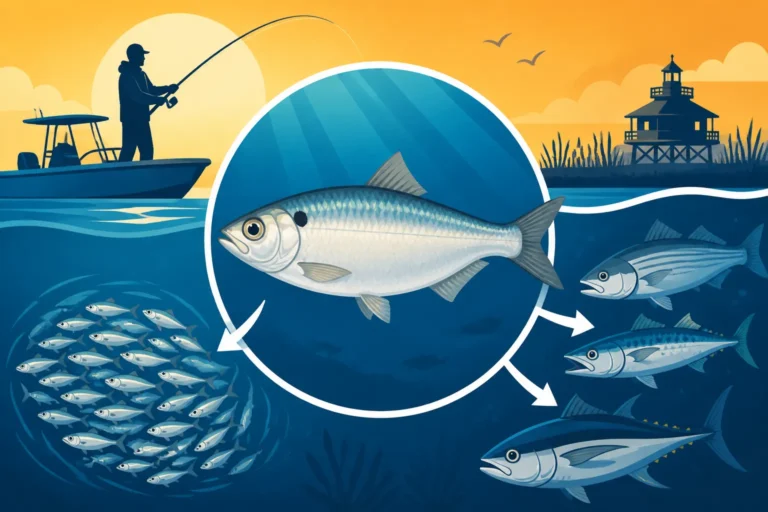
The sheer proliferation and predatory nature of blue catfish have raised significant concerns among conservationists and fisheries managers. These fish are not just passive residents; they are active predators that can disrupt the delicate balance of our native ecosystems. Their diet includes a wide array of native species, such as striped bass (rockfish) juveniles, white perch, menhaden, and even blue crabs. This predation puts additional pressure on species that are already facing challenges from habitat loss and other environmental factors.
The concern is that as blue catfish populations continue to expand and mature, they could lead to a decline in native fish populations, impacting the entire food web. This is precisely Why Blue Catfish Are Considered Invasive in Maryland. The Maryland Department of Natural Resources (DNR) actively encourages anglers to harvest blue catfish, with no size or creel limits in most areas, as a means to help control their numbers. It’s a situation where the joy of catching a big fish is balanced by the understanding that every blue catfish removed from the water is a small step towards protecting our native fish populations.
Strategies for Targeting Trophy Blue Catfish
So, you're ready to tackle a Maryland monster blue cat? Fantastic! But chasing fish that can easily top 50, 70, or even 100 pounds isn't something you can do with your ultralight spinning gear. These are serious fish that demand serious equipment and a thoughtful approach. It’s a different ballgame than chasing panfish, requiring a blend of power, precision, and plenty of patience. Getting your setup right is half the battle when you're going after the big ones.
Essential Gear for Battling Big Blues
When you’re setting your sights on a record-breaking blue catfish, you need gear that can withstand immense pressure. Think heavy-duty everything. A sturdy rod, typically in the 7 to 9-foot range with a heavy or extra-heavy action, is crucial. This will give you the backbone needed to absorb powerful runs and lift a massive fish from the depths. Pair that with a robust baitcasting or spinning reel capable of holding hundreds of yards of line. You’ll want a reel with a smooth, powerful drag system – it’s your best friend when a big blue decides to make a run for it.
Line choice is equally important. Many experienced anglers opt for braided line in the 50 to 80-pound test range for its incredible strength and minimal stretch, which helps with feeling subtle bites in deep water. You can find quality braided lines on platforms like Amazon if your local tackle shop doesn't have the heavy sizes you're looking for. For leaders, a heavy monofilament or fluorocarbon, often 80 to 100-pound test, is recommended to resist abrasion from the catfish's rough mouth and any submerged structure. And don't skimp on hooks – heavy-duty circle hooks, sized 8/0 to 12/0, are preferred not only for their strength but also because they tend to hook fish in the corner of the mouth, reducing gut-hooking and making release easier if desired. How Big Do Blue Catfish Get in Maryland Rivers? can give you a good idea of the kind of power you're up against.
Here’s a quick overview of recommended gear for trophy blue catfish:
| Gear Component | Recommendation | Why it Matters |
|---|---|---|
| Rod | 7-9 feet, Heavy to Extra-Heavy action, Fiberglass or composite | Power for lifting, absorbing runs, durability |
| Reel | Large baitcasting or spinning, high line capacity, smooth, strong drag | Holds ample line, withstands heavy fights, prevents line breaks |
| Main Line | 50-80 lb Braided line | High strength, low stretch for sensitivity, cuts through current |
| Leader Line | 80-100 lb Monofilament or Fluorocarbon | Abrasion resistance, knot strength, provides a buffer |
| Hooks | 8/0 – 12/0 Heavy-duty circle hooks | Strong enough for large fish, self-setting, reduces gut-hooking |
| Sinkers | 4-16 oz Pyramid, no-roll, or flat bank sinkers | Holds bait in strong currents, varies by depth and current speed |
| Terminal Tackle | Heavy swivels, bead, robust leader material (e.g., Catfish Sabiki rigs) | Prevents line twist, protects knots, customizes rig for presentation |
Baits and Techniques That Attract the Big Ones
Blue catfish are primarily scavengers and opportunistic predators, which means they aren’t particularly picky, but some baits consistently outperform others for landing the true giants. Fresh cut bait is hands down the most effective choice. Shad, gizzard shad, menhaden, carp, and even fresh chunks of bluegill are excellent options. The fresher the bait, the better, as the oils and scent are what truly attract these fish from a distance. Some anglers even cure their bait with special attractants to enhance its appeal, finding them on Amazon or specialized tackle shops.
The most common technique is bottom fishing, using a Carolina rig or a three-way swivel rig to present your bait directly on the riverbed where blue catfish often feed. When fishing in strong currents, heavier sinkers (4-16 ounces or more) are essential to keep your bait in place. Drifting with the current, especially in deeper channels, can also be highly effective. This allows your bait to cover more ground and present a natural presentation to fish holding in different areas. Patience is key; sometimes it takes a while for a trophy blue to find your bait, but when they do, you'll know it. Targeting specific depths where you see baitfish on your sonar, or near dramatic drops and structural features, will often lead to better results. Make sure to check out How to Catch Blue Catfish in the Potomac River for specific tactics.
Ethical Considerations and Conservation
While the thrill of catching a massive blue catfish is undeniable, it’s important for anglers to approach this fishery with an understanding of its ecological context. Blue catfish are an invasive species in Maryland, and their booming population has implications for our native fish and shellfish. As responsible stewards of our waterways, anglers play a vital role in managing this challenge. This means not just focusing on the catch, but also on the overall health of the environment.
Maryland's Stance on Invasive Species
The Maryland Department of Natural Resources (DNR) has a clear policy regarding invasive species like the blue catfish. Unlike native fish, where strict catch and size limits are often in place to ensure sustainable populations, blue catfish are managed with the opposite goal: to reduce their numbers. This is why you won't find a restrictive Maryland Blue Catfish Limit, or Lack of One in most areas. Anglers are not only allowed but actively encouraged to harvest as many blue catfish as they can legally catch.
This policy stems from a recognition that blue catfish pose a significant threat to native ecosystems. They compete with native species for food and habitat, and their predatory habits can impact valuable commercial and recreational fisheries. The DNR sees anglers as partners in conservation, empowering them to help mitigate the spread and impact of these invasive fish. So, when you’re out there targeting blue catfish, remember that you’re not just enjoying a day on the water; you're also contributing to the health and balance of Maryland's aquatic environments. This understanding is key to knowing Why Maryland Wants Anglers to Kill Invasive Fish.
Best Practices for Handling and Harvesting Large Catfish
When you do hook into a truly giant blue catfish, ethical handling practices are important, regardless of whether you plan to keep or release it. For those intending to harvest, a heavy-duty cooler with ice is essential to properly preserve the meat. The flesh of blue catfish, particularly from smaller to medium-sized fish, is quite delicious, often described as mild and flaky, making it an excellent table fare. Larger fish can sometimes have a stronger flavor or tougher texture, but many anglers still enjoy them, especially when prepared properly.
If you plan to release a large blue catfish, perhaps after a quick photo, minimize its time out of the water. Handle the fish gently, supporting its weight, especially its belly, to avoid internal damage. Use wet hands or gloves to protect its slime coat, and revive it by holding it upright in the water until it swims away under its own power. However, given their invasive status, the recommendation from the Maryland DNR is generally to harvest blue catfish if possible. If you decide to keep them, be mindful of safe fish cleaning practices. Large blue catfish yield a substantial amount of meat, making them a rewarding catch for the dinner table. Also, familiarize yourself with Is It Legal to Release a Blue Catfish in Maryland? and other pertinent regulations to ensure you are fishing responsibly.
Disclaimer
This article is for general informational purposes only and does not constitute professional advice. Laws, prices and regulations vary by location and change over time. Consult a qualified professional for guidance on your specific situation.