Maryland Spawning River Closures for Striped Bass
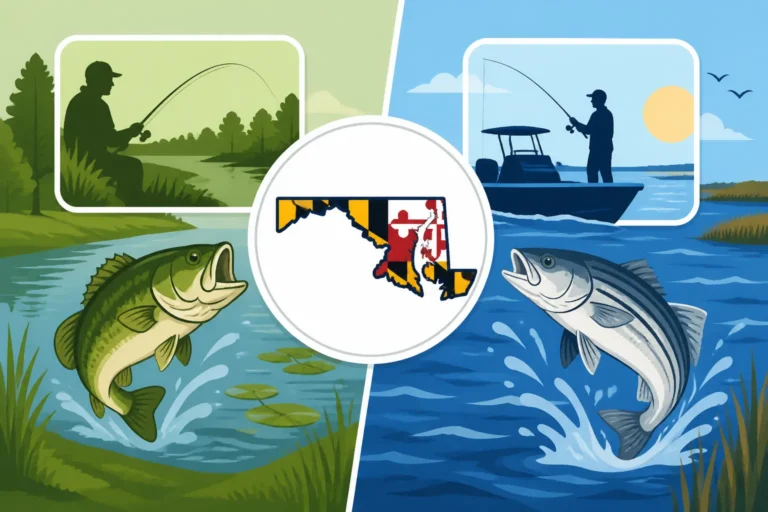
Oh, the spring run of striped bass! It's one of the most anticipated times for anglers in Maryland, bringing with it the promise of big fish and thrilling catches. But let's be honest, trying to keep up with the ever-changing rules, especially around the crucial spawning periods, can feel like navigating a minefield. You're just trying to enjoy a day on the water, but the fear of inadvertently breaking a rule, particularly concerning the protected spawning rivers, can really dampen the fun. This comprehensive guide is here to untangle the complexities of Maryland's spawning river closures for striped bass, so you can fish confidently and responsibly.
Understanding Maryland's Striped Bass Spawning Closures
The health of Maryland's striped bass population, often affectionately called rockfish by locals, hinges significantly on successful spawning each spring. These closures aren't just arbitrary rules; they're vital conservation measures designed to protect the very future of this iconic species in the Chesapeake Bay. It's a testament to the fact that our beloved rockfish need all the help they can get to thrive, especially with so many factors impacting their numbers.
The Critical Role of Spring Spawning Runs
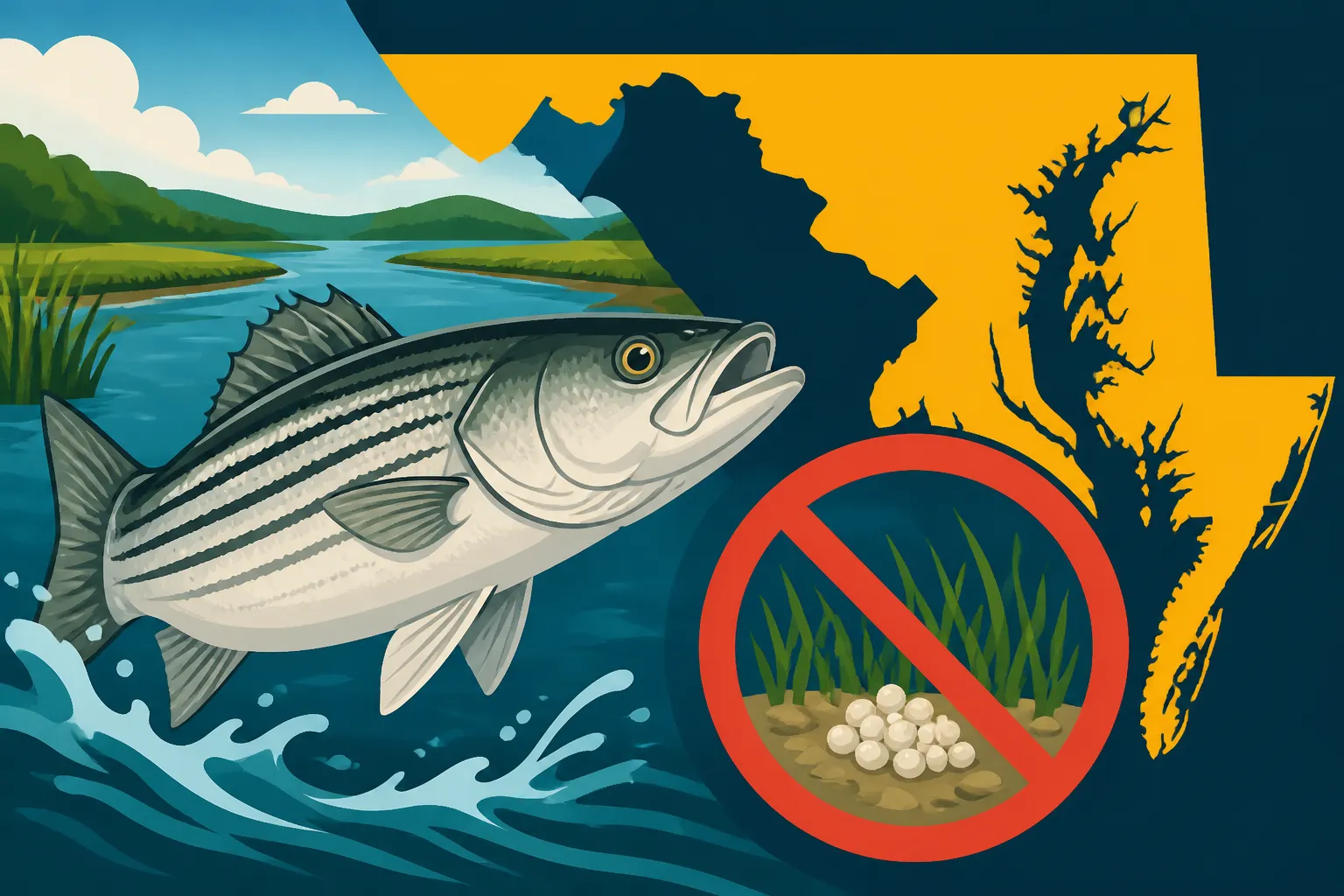
Every spring, mature striped bass undertake an incredible migration from the warmer coastal ocean waters and the main stem of the Chesapeake Bay into its freshwater tributaries. These rivers and their brackish sections are the nurseries for the next generation of rockfish. The females, heavy with roe, are looking for specific conditions – suitable water temperature, salinity, and bottom substrate – to release their eggs, which are then fertilized by males. This annual pilgrimage is a delicate dance of nature, and any significant disturbance during this time can have ripple effects on the entire population. It's a really special time, and seeing these massive fish make their way upstream is a powerful reminder of nature's cycles.
How Closure Dates Are Determined by Maryland DNR
The Maryland Department of Natural Resources (DNR) doesn't just pull these dates out of a hat. They rely on extensive scientific research, long-term data collection, and continuous monitoring of environmental conditions. Factors like water temperature, historical spawning patterns, and observed fish behavior all play a role. They're constantly tracking the progress of the fish and the conditions in the rivers to set these dates, which, while sometimes frustratingly specific, are ultimately aimed at maximizing the chances of a successful spawn. Sometimes, the dates might shift slightly from year to year, which is why it's always critical to consult the most current Maryland's DNR Fishing and Boating Guide, Explained before heading out.
The Scientific Basis for Protecting Spawning Fish
The science behind protecting spawning fish is pretty straightforward: it’s about giving them the best possible chance to reproduce without added stress or mortality. When striped bass are concentrated in these shallow, often confined, spawning areas, they become more vulnerable to fishing pressure. Even catch-and-release fishing, while generally a good practice, can cause stress, injury, or even mortality to fish that are already expending immense energy on reproduction. By creating these closure zones, the DNR aims to create a sanctuary where the fish can do their vital work undisturbed, ensuring that more eggs are laid and fertilized, leading to more juvenile fish entering the ecosystem.
Key Rivers and Their Specific Closures
Maryland's Chesapeake Bay is a vast and complex system, with numerous rivers and tributaries serving as critical spawning grounds. Understanding which rivers are closed, and exactly when and where those closures apply, is absolutely paramount. It’s not just a blanket rule across the entire state; it’s very specific, and missing a detail can lead to a hefty fine.
Major Spawning Tributaries in the Chesapeake Bay
Several key rivers are known to be the most important spawning grounds for striped bass in Maryland. These include, but aren't limited to:
- Susquehanna River: Particularly the Flats area below the Conowingo Dam. This is a huge magnet for big rockfish.
- Upper Bay Rivers: The Elk River, Bohemia River, Sassafras River, Chester River, and Northeast River.
- Mid-Bay Rivers: The Choptank River, Patuxent River, Severn River, Patapsco River, and Magothy River.
- Lower Bay Rivers: The Nanticoke River and Potomac River (though the Potomac has its own specific rules due to its unique jurisdiction).
These rivers provide the crucial freshwater and brackish environments that striped bass need to reproduce. Knowing these names is step one to understanding where you might encounter restrictions. If you're looking for more general information on fishing in these areas, you might want to check out our guide on Fishing Maryland's Chesapeake Bay, A Complete Guide.
Specific Dates and Boundaries for Each Closed Area
The closure dates for these spawning areas typically run from mid-March through May, though the exact start and end can vary slightly each year and by river. For instance, the main stem of the Chesapeake Bay itself remains open, but you cannot target striped bass in the designated spawning tributaries during their closure periods. The boundaries are usually clearly marked on official charts and often extend from a specified line in the river upstream to its headwaters.
For the most up-to-date and precise information on Maryland's 2026 Striped Bass Season Dates and closures, always refer to the Maryland DNR website or their annual fishing guide. Relying on old information is a common mistake that can lead to problems.
Here’s a simplified table illustrating common closure periods, but please note these are typical examples and specific dates can change annually. Always verify with the official DNR regulations.
| River/Area | Typical Closure Period | Specific Rule during Closure | Notes |
|---|---|---|---|
| Upper Bay Rivers | Mid-March to Mid-May | No targeting or possession of striped bass. | Includes Susquehanna Flats, Elk, Bohemia, Sassafras, Chester, Northeast. |
| Mid-Bay Rivers | Mid-March to Mid-May | No targeting or possession of striped bass. | Includes Choptank, Patuxent, Severn, Patapsco, Magothy. |
| Potomac River | Specific to PRFC Regulations | Often a "no targeting" or limited catch-and-release period. | Governed by Potomac River Fisheries Commission (PRFC). Check their rules. |
| Main Stem Chesapeake Bay | Open (with season limits) | Can fish, but must adhere to statewide Maryland Fishing Size and Catch Limits by Species. | Boundaries for closures typically start at specific river markers. |
Navigating the Susquehanna Flats Restrictions
The Susquehanna Flats, located at the very top of the Chesapeake Bay below the Conowingo Dam, is a legendary location for trophy striped bass. It's also one of the most heavily regulated areas during the spawning season. Typically, the Susquehanna Flats are entirely closed to all fishing from March 1st through May 31st. This means you cannot target any species, not just striped bass, within the designated closure area during this period.
This closure is particularly strict because the Flats serve as a primary staging and spawning area for a significant portion of the Bay's striped bass population. The sheer concentration of fish, combined with the relative shallowness of the water, makes them incredibly vulnerable. It's a tough pill to swallow for many anglers who dream of catching a monster rockfish there, but it’s a necessary step for conservation.
Why These Closures Matter for Striped Bass Conservation
These closures might feel restrictive, but they are a cornerstone of maintaining a healthy and sustainable striped bass population. Without them, the cumulative stress and mortality from fishing during this critical period could severely jeopardize future generations, leading to smaller fish, fewer fish, and ultimately, a less enjoyable fishery for everyone.
Protecting Reproductive Success and Future Generations
The core reason for these closures is to maximize the reproductive success of striped bass. Think about it: a female striped bass can carry millions of eggs. If she's caught, even released, the stress might prevent her from successfully laying those eggs, or compromise the viability of the ones she does lay. By giving these fish a period of complete reprieve, we allow them to dedicate all their energy to what nature intended: creating the next batch of striped bass. This directly impacts how many young fish, or "recruits," will enter the population in subsequent years. A few less fishing days now mean many more fish to catch in the years to come.
Impact of Fishing Pressure on Spawning Striped Bass
Beyond the direct mortality of fish kept, fishing pressure itself poses significant risks. Anglers often flock to these known spawning areas, and the sheer volume of boats and lines in the water can disrupt fish behavior. Studies have shown that even sound from boat engines can stress fish. Furthermore, if a fish is caught multiple times, it increases the likelihood of injury, exhaustion, or delayed mortality, especially when it's already in a weakened state from the rigors of spawning. Even if you're practicing strict Maryland Catch and Release Rules During Closed Seasons, the intention of the closure is to remove all pressure from these vulnerable fish.
The Long-Term Health of the Chesapeake Bay Fishery
The health of the striped bass population is intrinsically linked to the overall health of the Chesapeake Bay ecosystem and the economic well-being of Maryland's fishing industry. A robust striped bass population supports charter businesses, tackle shops, marinas, and countless other related industries. By enforcing these spawning closures, Maryland is investing in the long-term viability of this valuable resource. It's a long game, and these protections are about ensuring that our children and grandchildren can also enjoy the thrill of catching a Chesapeake Bay rockfish. Without these regulations, we'd risk devastating the population, as has happened with other species in the past.
What Anglers Can and Cannot Do During Closures
This is where many anglers get understandably confused. The rules aren't always intuitive, and it's easy to misinterpret what "closed" actually means. It's not always a blanket ban on all fishing; rather, it's very specific about what you can target and where.
Catch and Release vs. No Targeting Restrictions
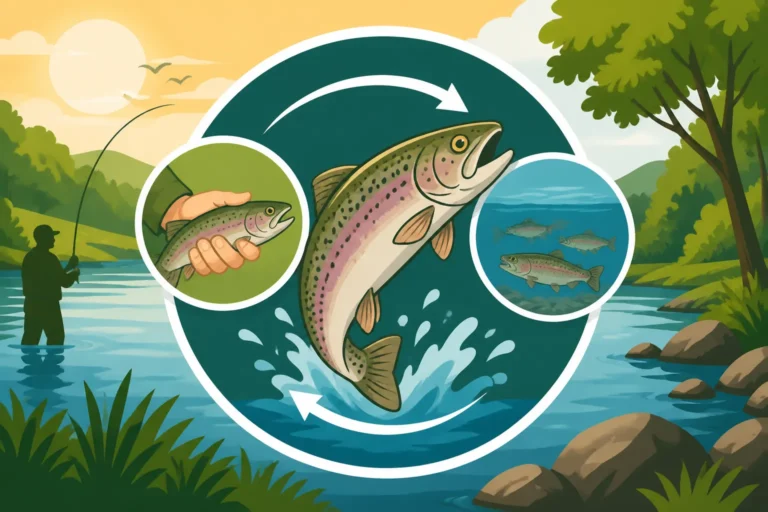
For many spawning rivers, the rule during the closure period is "no targeting or possession" of striped bass. This is crucial: it means you cannot intentionally fish for striped bass in these areas at all. Even if you plan to immediately release the fish, the act of targeting them is prohibited. This rule aims to eliminate any chance of accidental harm to the spawning stock. If you happen to catch a striped bass accidentally while fishing for other species in an open area, you must release it immediately and unharmed.
This differs significantly from a simple "catch and release only" regulation, which might still allow you to target the fish but require their immediate return to the water. In the spawning river closure zones, it's a hard stop on even trying to catch them. Anglers who are passionate about the sport often invest in tools like a fish gripper or a knotless rubber net, easily found on Amazon, to ensure any accidental catches are handled with the utmost care for immediate release, even when not legally required.
Permitted Fishing Activities in Adjacent Open Waters
While the spawning rivers themselves are closed to striped bass targeting, the main stem of the Chesapeake Bay and other non-spawning tributaries typically remain open. You can still fish for striped bass in these open areas, but you must adhere to the regular Maryland Striped Bass Season and Rockfish Rules, including size and bag limits. The trick is knowing exactly where the closed zone ends and the open zone begins. This often involves paying close attention to navigation markers or specific geographic coordinates detailed in the regulations. Many anglers use GPS units on their boats, or even fishing apps on their phones (which can be downloaded via Amazon app store), to ensure they stay on the right side of the line.
You can also target other species in the closed spawning rivers, provided that the overall river isn't completely closed to all fishing (like the Susquehanna Flats). For example, you might be able to fish for catfish or white perch in a spawning river during the striped bass closure, but you absolutely cannot use tackle or techniques that would reasonably be expected to catch a striped bass. It’s a fine line, and it requires a high degree of angler responsibility.
Gear Restrictions and Best Practices for Anglers
During the spring season, even in open waters where striped bass fishing is permitted, there are often specific gear restrictions. For example, Maryland generally mandates the use of circle hooks when fishing with natural baits for striped bass in the Chesapeake Bay and its tributaries. Circle hooks are proven to reduce gut hooking, increasing the survival rate of released fish. This is crucial when considering the overall health of the stock.
When fishing near the edges of closed zones, it’s best practice to use gear and baits that specifically target species other than striped bass if that’s your intention. Avoid large artificial lures or live baits typically used for rockfish. If you're fishing for yellow perch, for instance, a small jig or bait on a light tackle setup would be appropriate. Being a responsible angler means understanding these nuances and making choices that support conservation.
Navigating the Rules: Common Misconceptions and FAQs
The sheer volume of regulations and their occasional complexities often lead to misunderstandings among even seasoned anglers. Let's clear up some of the most common points of confusion regarding Maryland's spawning river closures.
"Can I Still Fish for Other Species?"
This is perhaps the most frequent question. The answer is yes, generally, but with very important caveats. If a river is designated as a striped bass spawning closure, it specifically means no targeting or possession of striped bass in that area during that time. It doesn't necessarily mean all fishing is prohibited. You can often still fish for other species like catfish, white perch, or yellow perch, provided:
- The river isn't under a complete "no fishing" ban. The Susquehanna Flats is a prime example of an area that is typically closed to all fishing.
- You are actively and clearly targeting another species. This means using appropriate bait, tackle, and techniques for that species, not just saying you are targeting catfish while using a large swimbait that's perfect for rockfish. Enforcement officers are well-versed in fishing methods and can discern intent.
- You immediately release any accidentally caught striped bass. If you hook a rockfish while legitimately targeting perch, you must release it immediately and unharmed.
- You adhere to all other Maryland Daily Bag Limits by Species and regulations for the species you are targeting.
So, while you might not be able to chase the big rockfish, you can definitely still enjoy some productive angling for other species in many of these areas, making sure you're properly informed about Maryland Fishing License Guide for 2026 requirements for each.
Understanding "No Targeting" Zones
The "no targeting" rule is often misunderstood. It doesn't just mean "no keeping." It means no attempting to catch the specified species. For striped bass in spawning rivers, if the regulation states "no targeting," it implies that any gear, bait, or method typically used to catch a striped bass is prohibited. This includes trolling large plugs, casting large swimbaits, or live-lining spot, for instance.
The intent behind this rule is to minimize any interaction between anglers and the vulnerable spawning fish. It’s a preventative measure, recognizing that even the stress of being caught and released can negatively impact a fish's reproductive success. So, if you're in a "no targeting" zone for striped bass, you're expected to actively avoid fishing for them. If an enforcement officer observes you using striped bass specific gear in such a zone, you could face penalties.
The Difference Between Closure and Slot Limits
It's easy to mix up all the different types of regulations, but "closure" and "slot limit" serve distinct purposes.
- Closure: This refers to a specific time period or geographical area where fishing for a particular species is either completely prohibited (no targeting, no possession) or heavily restricted (e.g., catch-and-release only). Spawning river closures are a prime example. The purpose is to protect the species during a critical biological phase, like reproduction.
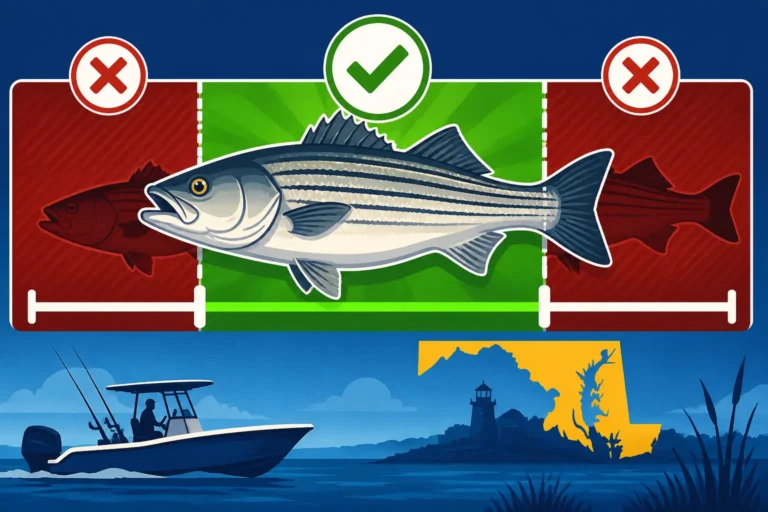
- Slot Limit: This refers to a size restriction where only fish within a specific size range can be legally kept. For example, a 19-to-24-inch slot limit means you can only keep fish that measure between 19 and 24 inches, inclusive. Fish smaller than 19 inches or larger than 24 inches must be immediately released. Maryland has often employed Maryland Rockfish Slot Limit Explained for striped bass in other seasons. The purpose of a slot limit is usually to protect both juvenile fish (to allow them to mature and reproduce) and large, older, often highly fecund fish (to serve as important breeders).
While both are conservation tools, they address different aspects of fishery management. A closure aims to prevent any interaction during a sensitive time, while a slot limit manages the harvest of fish during open seasons. You’ll need to understand both to be a fully compliant angler in Maryland.
Beyond the Closures: Other Striped Bass Regulations to Know
While understanding spawning river closures is crucial, it's just one piece of the larger regulatory puzzle for striped bass fishing in Maryland. The DNR manages this valuable fishery with a multifaceted approach, and a responsible angler needs to be aware of the whole picture.
Statewide Striped Bass Seasons and Size Limits
Outside of the specific spawning river closures, the main stem of the Chesapeake Bay and its open tributaries have their own defined striped bass seasons and corresponding Maryland Fishing Size and Catch Limits by Species. These seasons often change annually, reflecting the health of the stock and management goals. For instance, there's usually a spring trophy season, a summer season, and a fall season, each with different size limits and sometimes bag limits. It's not uncommon to see variations like a one-fish-per-angler daily limit, or a specific slot limit. Keeping up with these changes is vital. You can find detailed information on Maryland's 2026 Striped Bass Season Dates directly from the DNR. These regulations are sometimes influenced by interstate agreements, as striped bass are a migratory species, and what happens in Maryland affects states like Virginia and North Carolina too.
The Importance of Reporting Violations
Seeing someone blatantly disregard fishing regulations, especially during sensitive times like spawning closures, can be incredibly frustrating. It feels like a slap in the face to all the anglers who diligently follow the rules. But getting upset won't change anything; reporting a violation can. Maryland DNR has enforcement officers patrolling the waters, but they can't be everywhere at once. If you witness a violation, such as someone targeting striped bass in a closed spawning river or keeping undersized fish, you should report it. You can contact the Maryland Natural Resources Police (NRP) directly. Your report can be anonymous, and it's essential for helping to protect the fishery we all care about. Taking photos or videos with your phone can also be helpful evidence, but always prioritize your safety.
Accessing the Latest Maryland Fishing Regulations
The most common frustration among anglers is the feeling that regulations are constantly changing, making it hard to stay compliant. While the rules do evolve based on scientific data and conservation needs, accessing the most current information is easier than ever. The Maryland DNR website is the definitive source for all fishing regulations. They publish an annual Fishing and Boating Guide, which is available online as a PDF and often in print at bait shops and DNR offices.
You can also download fishing apps to your smartphone (many available through Amazon app store), which often include up-to-date regulations, maps, and even license purchasing options. Before every fishing trip, especially if you haven't been out in a while or are venturing to a new area, take a few minutes to double-check the latest rules. A quick search for "Maryland fishing regulations" will almost always lead you to the official DNR page. Remember, ignorance of the law is not an excuse for a violation. Staying informed is part of being a responsible and ethical angler, ensuring that our amazing Maryland Chesapeake Bay Sport Fishing License Explained remains viable for generations to come.
Disclaimer
Please remember that fishing regulations, especially for a dynamic species like striped bass in a complex ecosystem like the Chesapeake Bay, are subject to change. While this guide aims to provide accurate and comprehensive information, it is not a substitute for checking the official Maryland Department of Natural Resources (DNR) website or their current Fishing and Boating Guide before each fishing trip. Always consult the official state resources for the most up-to-date rules, seasons, and limits.