Walleye Fishing at Deep Creek Lake, Maryland
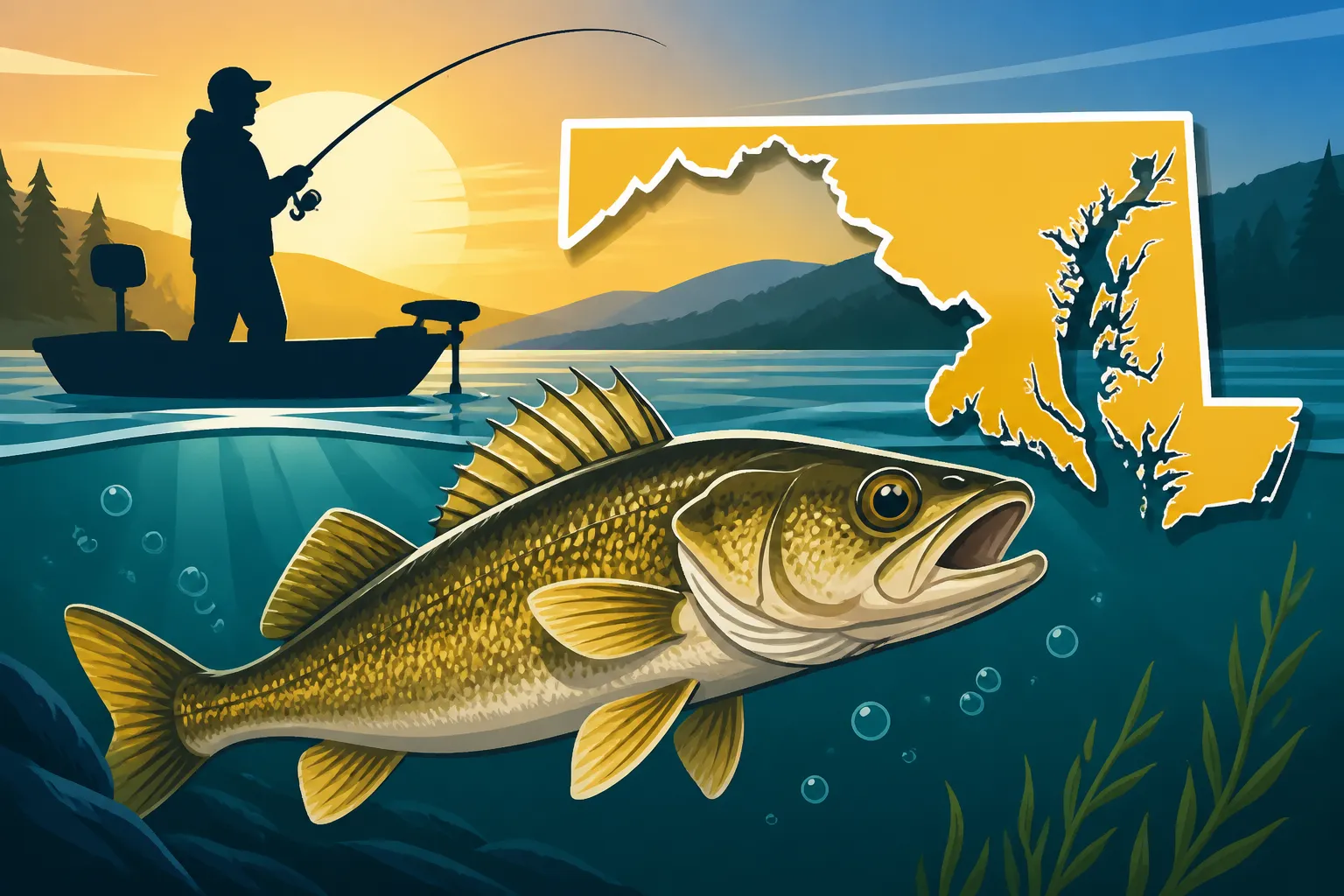
Deep Creek Lake is a jewel in Western Maryland, a stunning expanse of water nestled amidst mountains and forests. It draws countless anglers with its promise of diverse species, from smallmouth bass to trout. But for many, there's one particular prize that holds an almost mythical status: the walleye. These fish are known for their delicious, flaky white meat and their notoriously finicky nature, making them a true challenge. If you've ever spent hours on Deep Creek, chasing shadows and wondering why those elusive 'eyes aren't biting, you're not alone. This guide is here to shed some light on the habits of Deep Creek's walleye and arm you with the strategies and insights you need to finally land one of these incredible fish.
Understanding Deep Creek Lake's Walleye Population
Walleye are a fantastic, highly sought-after game fish, and their presence in Deep Creek Lake adds a unique dimension to the local fishing scene. However, they aren't always easy to find, let alone catch. Understanding their specific characteristics and preferred hangouts in this particular body of water is your first step toward success.
The Elusive Nature of Deep Creek Walleye
Let's be honest, walleye in Deep Creek Lake aren't like the ones you might find in some of the expansive, turbid lakes of the Midwest. Here in Maryland's largest freshwater lake, the water is generally much clearer, which can make these light-sensitive fish even more cautious. They have excellent low-light vision, which is why they often feed most actively at dawn, dusk, and throughout the night. During the brighter parts of the day, they tend to retreat to deeper, darker water or seek refuge in dense cover, making them harder to pinpoint. This isn't a lake where walleye are jumping into the boat; it requires patience, persistence, and a solid understanding of their habits.
The lake's forage base also plays a significant role in their elusiveness. Deep Creek Lake boasts a diverse ecosystem with yellow perch, bluegill, shiners, and various baitfish. Walleye are opportunistic predators, and they'll follow these bait schools wherever they go. This means their locations can shift throughout the day and across seasons, adding another layer of complexity to the hunt. For many anglers, the challenge is precisely what makes catching a Deep Creek walleye so rewarding. The feeling of finally reeling in one of these beautiful, olive-and-gold predators after a long wait is truly unparalleled.
Walleye Habitat and Behavior in the Lake
Deep Creek Lake offers a variety of structures and depths that appeal to walleye at different times of the year. During the warmer months, when the surface waters heat up, walleye will often move to deeper sections of the lake, seeking the cooler, more oxygenated water found below the thermocline. Look for them holding tight to main lake points, humps, and submerged islands that drop off sharply into deeper water. These areas provide both ambush points and access to their preferred temperature zones. They are creatures of structure and transition, rarely found roaming aimlessly in open water during daylight hours.
As the seasons change, so too does their behavior. In spring, after the ice recedes and water temperatures begin to rise, walleye might move shallower, especially around areas with gravelly bottoms or rocky points, though Deep Creek isn't known for significant river spawning runs like some other walleye fisheries. They'll be on the prowl for easy meals as other species become more active. Come fall, as the water cools again, walleye often go on a feeding binge, preparing for winter. They can once again be found shallower, chasing baitfish in coves and along flats, particularly during low-light conditions. Understanding these seasonal shifts is key to knowing where to start your search. If you're wondering about other species in the lake, you might find our guide Fishing Deep Creek Lake for Smallmouth Bass or Fishing Deep Creek Lake for Trout helpful.
Essential Gear for Deep Creek Walleye Fishing
Catching Deep Creek walleye isn't just about knowing where they are; it's also about having the right tools for the job. Walleye bites can be incredibly subtle, sometimes feeling like nothing more than a slight "tick" or added weight on your line. Your gear needs to be sensitive enough to detect these faint signals and robust enough to handle a solid fight.
Rods, Reels, and Line Choices
For Deep Creek walleye, a sensitive rod is non-negotiable. Most anglers opt for a medium-light to medium-action spinning rod, typically in the 6'6" to 7'6" range. The extra length provides better casting distance, better hook sets, and more control when fighting fish, especially when dealing with heavy cover or deep water. Look for a rod with a fast or extra-fast tip action, which allows the tip to bend easily for detecting bites, while the stronger backbone helps drive the hook home. Paired with a quality spinning reel in the 2500-3000 size range, you'll have a balanced setup that minimizes fatigue during long fishing sessions.
When it comes to line, many experienced walleye anglers swear by braided line for its incredible sensitivity and zero stretch. A 10-15 lb test braid is usually sufficient, allowing you to feel every bump, twitch, and subtle bite. However, because Deep Creek's water can be quite clear, a fluorocarbon leader is highly recommended. Fluorocarbon is nearly invisible underwater and offers excellent abrasion resistance, which is crucial when fishing around rocky bottom or submerged timber. A 6-10 lb test fluorocarbon leader, connected to your main braid with a strong knot like an FG or Albright, will give you the best of both worlds: sensitivity and stealth. Make sure you have a reliable knot-tying tool handy, you can find a good selection of those on Amazon.
Baits and Lures That Get Results
Walleye are opportunistic feeders, and they respond well to a variety of baits and lures. The key is often experimenting until you find what they're hitting on a particular day.
- Live Bait: This is often the most consistent producer for walleye, especially when they're being finicky. Live shiners or minnows, fished on a slip bobber rig over structure or slowly trolled behind a bottom bouncer, can be deadly. Nightcrawlers, either threaded on a hook or presented on a "worm harness" spinner rig, are another classic walleye bait, particularly effective when dragged slowly along the bottom. The natural movement and scent of live bait can entice even the most hesitant walleye.
- Jigs: Jigs are incredibly versatile and should be a staple in any Deep Creek walleye angler's tackle box. Use jig heads ranging from 1/8 to 1/2 ounce, depending on depth and current. Tip them with soft plastic grubs, paddle tails, or traditional curly tail plastics. Experiment with colors, but natural hues like greens, browns, and whites are often effective, as are brighter colors like chartreuse or orange in stained water or low light. Vertical jigging directly over known walleye structure is a prime technique.
- Crankbaits and Stickbaits: These lures are fantastic for covering water, especially when trolling. Deep-diving crankbaits can reach walleye holding in deeper water, while shallower-running stickbaits excel at night or during low-light conditions when walleye move up in the water column. Popular styles include those that mimic baitfish like perch or shiners. Again, natural patterns work well, but don't shy away from firetiger or chrome patterns. Having a good variety means you might need a decent tackle management system, and Amazon has plenty of options to keep your lures organized.
- Blade Baits and Spoons: These can be effective for vertical jigging, especially in colder water. Their flash and vibration can trigger strikes from lethargic fish.
- Swimbaits: Soft plastic swimbaits, either weighted internally or rigged on an external jig head, offer a lifelike profile and swimming action that walleye can't resist. Slow retrieves along drop-offs or over humps can be very productive.
Remember to vary your retrieve speed, jigging motion, and even your lure colors. Walleye can be incredibly picky, and what worked yesterday might not work today.
Proven Techniques for Deep Creek Walleye
Deep Creek Lake demands a multi-faceted approach to walleye fishing. You can't just rely on one method and expect consistent results. From covering vast expanses of water to pinpoint targeting, mastering a few key techniques will significantly increase your odds.
Trolling for Deep-Water Walleye
Trolling is arguably one of the most effective ways to locate and catch walleye in Deep Creek Lake, especially during the brighter hours of the day and throughout the summer when these fish retreat to deeper, cooler waters. The goal is to present your lure or bait at the exact depth where walleye are holding, often along the thermocline or just above structure.
You have several options for getting your offerings down. Planer boards are excellent for spreading out multiple lines, allowing you to cover a wider swath of water and present baits away from the boat's noise. This is particularly useful for targeting walleye that might be wary of boat traffic. Downriggers allow for precise depth control, letting you place your lures exactly where you've marked fish on your sonar. Another popular method is using lead core line or snap weights, which help sink crankbaits or worm harnesses to specific depths without the need for heavier, more complex equipment.
When trolling, pay close attention to your speed. Walleye typically prefer a slower presentation, often between 1.0 to 2.5 mph, but sometimes even slower, especially in colder water. Experiment with turns and S-curves; these changes in speed and direction can often trigger a strike as your lure appears to dart or stumble. A quality fish finder is absolutely invaluable for this technique, allowing you to identify humps, drop-offs, and most importantly, schools of baitfish and the walleye themselves. If you're looking to upgrade your electronics, you can find many highly-rated models on Amazon. Also, consider our Best Boat Ramps at Deep Creek Lake guide for easy access points to get your trolling setup in the water.
Jigging and Live Bait Rigs
While trolling covers water, vertical jigging and still-fishing with live bait are highly effective when you've pinpointed a specific piece of structure or a school of fish.
- Vertical Jigging: Once you've marked fish on your electronics over a hump, a rock pile, or a significant drop-off, positioning your boat directly above them and dropping a jig is a classic walleye tactic. Use a sensitive rod to impart subtle lifts and falls, letting the jig hit the bottom and then lifting it just a few inches. Walleye often strike as the jig falls or pauses. Tip your jigs with soft plastics, or even a piece of nightcrawler for added scent. This technique requires patience and focus, as those walleye bites can be incredibly light.
- Bottom Bouncing: When drifting or slowly trolling, a bottom bouncer rig with a worm harness or a live minnow can be deadly. The bottom bouncer keeps your bait just off the bottom, preventing snags while allowing you to maintain constant contact with the lakebed where walleye are often feeding. This is particularly effective over gravelly or rocky flats.
- Slip Bobber Fishing: For targeting walleye holding at a specific depth, especially near weed edges, submerged timber, or along creek channels, a slip bobber rig with a live minnow or leeches (if available and legal) can be very productive. The slip bobber allows you to cast out and then let your bait sink to a pre-set depth, keeping it suspended right in the walleye's strike zone. This is a great choice for times when walleye are suspended or when you're fishing a precise depth range in a relatively small area.
Night Fishing Strategies
If you want to truly maximize your chances for Deep Creek walleye, you absolutely cannot ignore the nighttime bite. Walleye are highly light-sensitive, and under the cover of darkness, they often become much bolder and move into shallower water to feed. This makes them more accessible to anglers.
One effective night strategy is casting shallow-running stickbaits or crankbaits along points, flats, and weed edges. Lures that have a subtle rattle or emit vibration can be particularly effective in the dark, helping walleye home in on their target. Colors that create a good silhouette against the night sky, like black or dark blue, are often preferred, as are glow-in-the-dark options or lures with reflective tape. Another approach is to fish under lights, which can attract baitfish and, in turn, draw in hungry walleye. You might anchor and use a submersible green light, then jig or fish live bait directly in the illuminated zone.
Safety is paramount when night fishing. Always ensure your boat's navigation lights are working, carry a reliable headlamp (you can find robust, waterproof options on Amazon), and familiarize yourself with the area during daylight hours to avoid hazards. Night fishing for walleye can be an incredibly peaceful and rewarding experience, offering a completely different dimension to fishing Deep Creek Lake.
Seasonal Approaches to Deep Creek Walleye Fishing
Walleye behavior is heavily influenced by water temperature and their spawning cycle. Adapting your approach throughout the year is crucial for consistent success on Deep Creek Lake. Each season presents its own unique challenges and opportunities.
Springtime Opportunities
As the ice finally melts away and Deep Creek Lake's waters begin to warm in early spring, walleye start to shake off their winter lethargy. While Deep Creek walleye don't have the pronounced river runs seen in some other walleye fisheries, they will still become more active and begin to prepare for their spawning period, typically around April when water temperatures reach the upper 40s to low 50s Fahrenheit. During this time, they may move shallower than their typical summer haunts, often congregating around rocky points, riprap, and other hard-bottomed areas that warm up faster and provide suitable spawning habitat.
Focus your efforts on these transition zones, particularly areas with access to deeper water nearby. Jigging with live minnows or soft plastics, or slowly trolling shallow-diving crankbaits, can be highly effective. The walleye will be looking to feed aggressively after winter, but their metabolism is still somewhat slow, so a slower presentation is usually best. Pay close attention to current seams if you find any, or wind-blown shorelines that concentrate baitfish. This is a great time to target them before they scatter and go deep for the summer.
Summer Deep-Water Tactics
Summer presents a common challenge for Deep Creek walleye anglers: the fish go deep. As surface water temperatures climb into the 70s, walleye seek out the cooler, more oxygenated waters of the thermocline, which usually forms in the main lake basin. This typically puts them at depths of 20-40 feet, or even deeper, depending on the lake's specific conditions. Locating the thermocline with your fish finder is essential; walleye will often suspend just above, below, or directly within this comfort zone.
During the peak summer months, early morning, late evening, and nighttime are your best bets for catching walleye when they might venture shallower to feed. During the bright, hot parts of the day, stick to deep-water trolling with downriggers or lead core line, presenting deep-diving crankbaits or bottom-bouncer rigs with live bait. Focus on main lake humps, points that extend into deep water, and channel edges. These areas provide structure and easy access to their deep-water sanctuaries. Pay attention to suspended bait balls, as walleye will often be close by.
Fall Feast and Winter Challenges
As autumn arrives and Deep Creek Lake's water temperatures begin to drop again, walleye often enter a "fall feeding frenzy" to pack on weight before winter. This can be one of the most productive times of the year to target them. They tend to move shallower again, similar to spring, but often with even more aggression. Look for them along shallower flats, rocky points, and secondary creek channels, especially those with good access to baitfish. Trolling crankbaits, casting jigs, or using live bait rigs can all be highly effective. The cooler water means they might be more willing to chase a lure.
Winter fishing for walleye at Deep Creek Lake is a different ball game entirely. While Ice Fishing at Deep Creek Lake, Maryland is a popular winter activity, walleye are not typically the primary target compared to other species like yellow perch or chain pickerel. If the ice is thick enough and safe, and you're determined to target walleye, focus on deep points and humps. Vertical jigging with small spoons or ice fishing jigs tipped with a minnow head can sometimes entice a bite. However, expect slower action and be prepared for tough conditions. Always prioritize safety on the ice. Remember to always consult the current regulations for Maryland Fishing Size and Catch Limits by Species before heading out in any season.
Navigating Regulations and Best Practices
Fishing for walleye in Deep Creek Lake, like any other fishing activity in Maryland, comes with its own set of rules and responsibilities. Understanding these regulations and adopting best practices not only keeps you on the right side of the law but also contributes to the health and sustainability of the fishery for generations to come.
Maryland Walleye Regulations at Deep Creek Lake
Before you even think about dropping a line into Deep Creek Lake, you need to ensure you have the proper fishing license. For most anglers, this means a Maryland Fishing License Guide for 2026 covering nontidal waters. If you're unsure about the distinction, our guide on Maryland Nontidal vs Tidal Fishing License, Explained can clarify things. Remember, licenses typically need to be renewed annually, so keep an eye on your expiration date or check out Maryland Fishing License Renewal.
Beyond the general license, walleye specific regulations apply. These usually include minimum size limits and creel limits (the number of fish you can keep per day). These regulations are put in place by the Maryland Department of Natural Resources (DNR) to protect the walleye population and ensure sustainable fishing. It's crucial to check the most current Maryland Fishing Guide or the DNR website for the exact figures before each fishing trip, as these can change. For example, a common regulation might be a minimum size of 15 inches and a daily creel limit of 5 fish, but always verify the latest information. Fishing without adhering to these limits can result in fines and other penalties.
| Aspect | Typical Maryland Nontidal Regulations (Verify Current Rules!) |
|---|---|
| Fishing License | Required for ages 16 and over |
| Walleye Minimum Size | Usually 15 inches |
| Walleye Daily Creel Limit | Often 5 fish |
| Fishing Method | Rod and Reel, certain other methods restricted |
| Trout Stamp (if applicable) | Not typically needed for walleye unless also targeting trout in certain areas |
| Two-Rod Endorsement | May be required if fishing with more than one line |
Disclaimer: These are common examples and not current official regulations. Always consult the Maryland DNR for the most up-to-date rules.
Conservation and Responsible Angling
Catching walleye is a thrill, but practicing responsible angling ensures that the thrill can be enjoyed by others, too. Deep Creek Lake is a precious resource, and conservation is vital.
- Catch and Release: While walleye are excellent table fare, consider practicing catch and release, especially for larger breeding-size fish. These bigger fish are crucial for maintaining a healthy population. If you do release a fish, handle it with care. Minimize its time out of the water, support its body horizontally, and avoid touching its gills. A good pair of long-nosed pliers can help you remove hooks cleanly and quickly, and you can find many durable options on Amazon.
- Proper Gear: Using appropriate tackle, like the rod, reel, and line choices discussed earlier, allows you to land fish efficiently without over-exhausting them. Barbless hooks can also make releasing fish easier and less stressful, though they are not generally required for walleye.
- Dispose of Waste Properly: Never leave trash, fishing line, or old bait on the shore or in the water. Pack out everything you pack in.
- Know Your Fish: Be absolutely sure of what you've caught, especially if you plan to keep it. Misidentifying a protected species or an undersized fish can lead to violations.
By following these guidelines and staying informed about the rules, you can enjoy the fantastic walleye fishing that Deep Creek Lake has to offer while doing your part to preserve it for future generations of anglers.
Disclaimer
This article is for general informational purposes only and does not constitute professional advice. Laws, prices and regulations vary by location and change over time. Consult a qualified professional for guidance on your specific situation.