Best Time of Year to Fish in Maryland
For any angler who's spent a frustrating day on the water, you know the feeling: you've got your gear, you're at your favorite spot, but the fish just aren't biting. It’s a common heartache, often stemming from one crucial oversight: fishing at the wrong time of year for your target species in Maryland's incredibly diverse waters. This comprehensive guide is here to unravel the seasonal mysteries of Maryland fishing, helping you pinpoint the absolute best times to cast your line for a successful and rewarding experience, whether you're chasing trophy rockfish or panfish for dinner.
Understanding Maryland's Diverse Waters and Seasons
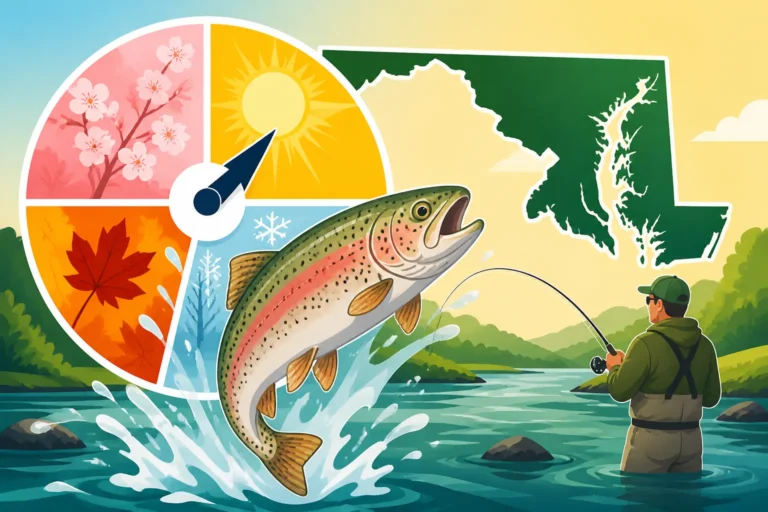
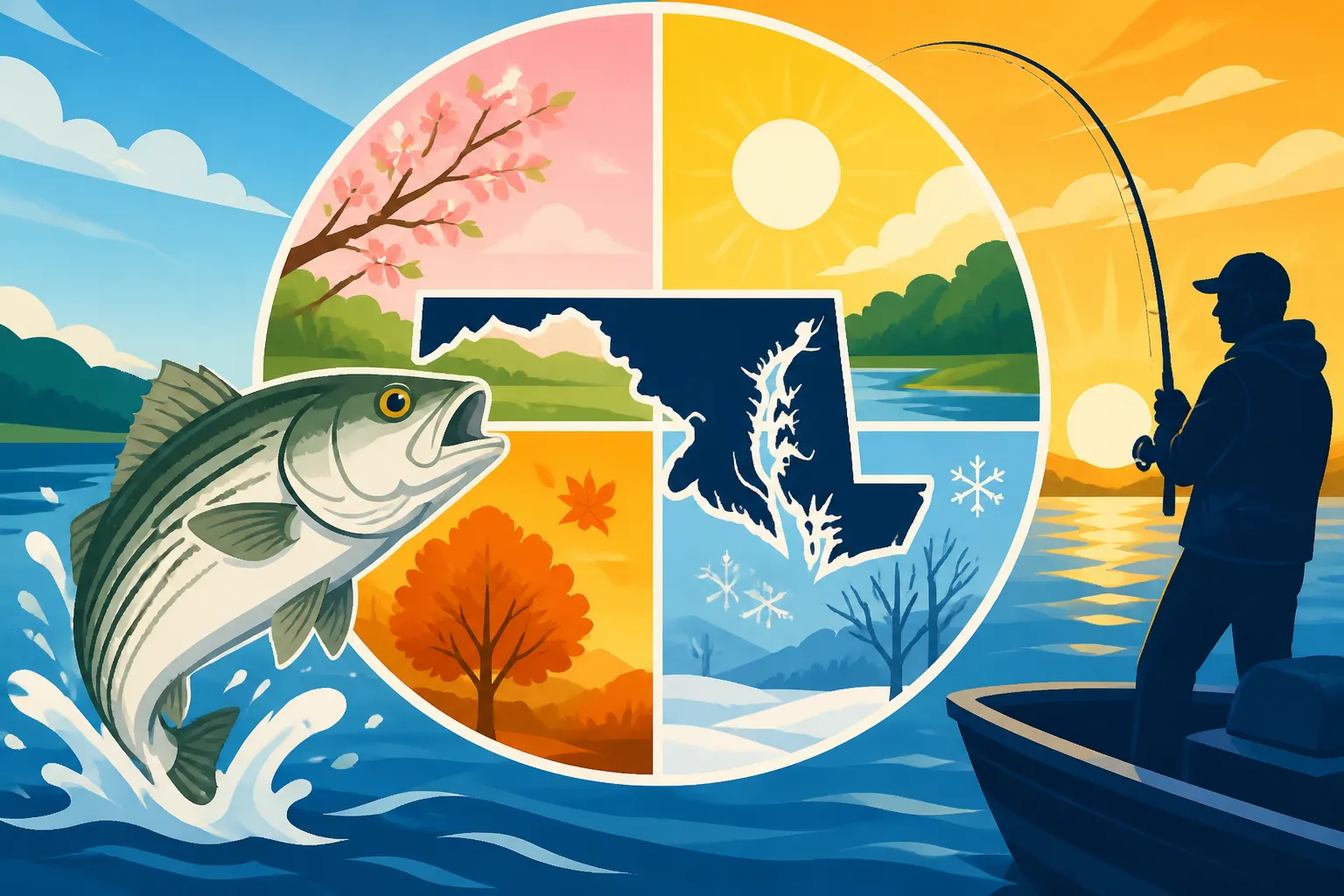
Maryland is a truly unique fishing destination, boasting an incredible variety of aquatic environments within its borders. From the vast, brackish expanse of the Chesapeake Bay to the rushing mountain streams of Western Maryland, and the sandy shores of the Atlantic Ocean, each offers distinct opportunities that change dramatically with the seasons. It's this very diversity that makes understanding seasonal patterns so critical for any angler hoping to consistently find success. The "best time" isn't a single date; it's a dynamic interplay of water temperature, fish biology, and environmental conditions across different habitats.
The Chesapeake Bay's Influence
The Chesapeake Bay, North America's largest estuary, is the undisputed heart of Maryland's fishing scene. Its immense size and complex ecosystem mean that fishing here is a year-round endeavor, though the target species shift with the calendar. As the seasons change, so do the migration patterns of iconic fish like striped bass (rockfish), the movements of baitfish, and the water temperatures that dictate fish activity. Understanding these rhythms is paramount for any Bay angler. For example, the spring brings the famous striped bass spawn, while summer sees a wider array of species spread throughout the Bay. The fall, of course, is renowned for the epic "rockfish run" as baitfish mass and predators feed aggressively before winter.
Freshwater Rivers, Lakes, and Reservoirs
Beyond the Bay, Maryland offers a rich tapestry of freshwater fishing opportunities. The state's western mountains are home to pristine trout streams, while central Maryland boasts large reservoirs like Loch Raven and Liberty, brimming with largemouth bass, crappie, and northern pike. Rivers like the Potomac and Susquehanna transition from tidal influences near the Bay to cool, rocky smallmouth bass havens further upstream. Each of these distinct freshwater environments has its own seasonal prime, often tied to water levels from spring rains, spawning cycles in late spring/early summer, or the cooling temperatures of fall that invigorate cold-water species. Knowing the nuances of these individual waterways is key to consistently hooking up with freshwater favorites.
Ocean City and Coastal Fishing
Finally, the Atlantic Ocean coastline, particularly around Ocean City and Assateague Island, presents a completely different set of seasonal opportunities. Here, anglers can experience surf fishing, inshore bay fishing, and thrilling offshore adventures. The coastal seasons are largely dictated by ocean currents and migratory fish patterns. Summer brings a bounty of flounder, bluefish, and kingfish to the surf and back bays, while offshore charters target tuna, mahi-mahi, and marlin in the warmer months. Even into the fall, species like tautog and sea bass remain active around wrecks and reefs. The "bite" changes almost weekly out here, so staying current on which species are present is vital for a successful coastal trip.
Spring Fishing: Rebirth and Ramps Up Action
Ah, spring in Maryland! After the quiet chill of winter, the fishing scene truly explodes with life. As ice thaws and water temperatures gradually rise, a palpable energy returns to the waterways, signaling the start of some of the most exciting fishing of the year. It's a season of transitions, from early season panfish to the highly anticipated arrival of trophy striped bass. Anglers, eager to shake off the winter doldrums, flock to their favorite spots, knowing that many species are on the move and feeding aggressively.
Early Spring White Perch Runs
One of the earliest and most celebrated signs of spring fishing in Maryland is the white perch run. As soon as river and creek temperatures nudge into the upper 40s and low 50s Fahrenheit, usually around late March and early April, these feisty little fish begin their migration from deeper Bay waters into the shallower, brackish tributaries to spawn. It's a fantastic opportunity for anglers of all skill levels, especially families, to experience fast-paced action. You'll find anglers lining the banks of rivers like the Susquehanna, Choptank, Patuxent, and Magothy, often using simple bottom rigs with bloodworms or grass shrimp.
The fishing can be absolutely incredible, with anglers sometimes catching dozens of perch in a single outing. It's not uncommon to hear tales of buckets filled with these delicious panfish. Many local bait shops will have fresh bloodworms in stock, and you can always check out fishing tackle on Amazon for any last-minute gear needs. The peak of the run usually lasts a few weeks, making it a can't-miss event for many Marylanders. These runs are a truly cherished tradition, signaling the true beginning of the fishing year.
Preseason Trout Stocking Frenzy
For freshwater enthusiasts, spring also heralds the eagerly awaited trout stocking season. The Maryland Department of Natural Resources (DNR) typically begins its intensive stocking program in late February and continues through May, releasing thousands of rainbow, brown, and golden rainbow trout into designated put-and-take streams, lakes, and ponds across the state. This creates prime opportunities for anglers to enjoy some fantastic trout fishing, often just days after the fish are released. Knowing which waters are stocked and when is crucial, and the DNR publishes a schedule that anglers eagerly consult.
Popular trout streams like the Gunpowder River, Savage River, and various sections of the North Branch Potomac become hotbeds of activity. Anglers use everything from powerbait and worms to small spinners and flies. The sheer volume of fish released makes for exciting and often successful outings. However, it's important to remember that these waters can get crowded, especially on weekends immediately following a stocking event. If you're looking to explore the beautiful world of Fly Fishing in Maryland, spring is an excellent time to get started on these stocked waters.
Chesapeake Bay Striped Bass Trophy Season
Perhaps the most anticipated event of the Maryland spring fishing calendar is the short but exhilarating trophy striped bass season. This window, usually from mid-May to mid-June, allows anglers to target truly massive striped bass as they migrate through the Bay following their spawning cycle in the upper Bay tributaries. During this period, the size limits are often relaxed to allow for the harvest of one large fish, generally over a certain minimum length, creating a unique opportunity for that once-in-a-lifetime trophy.
Anglers typically pursue these giants by trolling large baits or lures in deeper channel edges and around major structures like the Chesapeake Bay Bridge. Charters are especially popular during this time, with boats leaving from ports like Annapolis, Deale, and Solomons Island. It's a time of immense excitement, high stakes, and the chance to land a fish that will fill your freezer and provide bragging rights for years. While the Maryland Striped Bass Season and Rockfish Rules can change annually, this spring trophy season remains a highlight. However, always be sure to check the specific dates and regulations before heading out, as they are strictly enforced to protect this iconic species.
Summer Fishing: Warm Waters and Diverse Targets
As spring transitions into the longer, warmer days of summer, Maryland's fishing scene truly hits its stride, offering an incredible diversity of species across all water types. While the intense trophy striped bass action of spring might slow down in the heat, new opportunities emerge, and many species become more active and accessible. From inland lakes to the coastal waters, summer is a fantastic time for anglers who enjoy varied targets and pleasant weather, provided they know where and when to cast their lines.
Largemouth and Smallmouth Bass Action
Summer is prime time for bass fishing in Maryland's freshwater lakes, rivers, and reservoirs. Largemouth bass, the king of warm-water freshwater fishing, become highly active in the abundant cover of lily pads, submerged timber, and weed lines found in places like Loch Raven Reservoir, Liberty Reservoir, and countless smaller ponds across the state. Early mornings and late evenings are often the most productive times, as bass feed actively before the midday sun drives them into deeper, cooler waters or heavy shade. Anglers often use topwater lures, plastic worms, and spinnerbaits to entice strikes.
Further west, the cool, clear waters of the Potomac River and the Susquehanna River offer fantastic smallmouth bass fishing. These bronze backs are aggressive fighters, and summer is an excellent time to target them with small crankbaits, tubes, or by wading and casting flies. The key to success often lies in finding rocky currents, eddies, and submerged structures where smallmouth ambush baitfish. If you're keen on exploring Best Places to Fish in Maryland for bass, these freshwater spots should definitely be on your list for summer.
Flounder, Croaker, and Spot in the Bay and Ocean
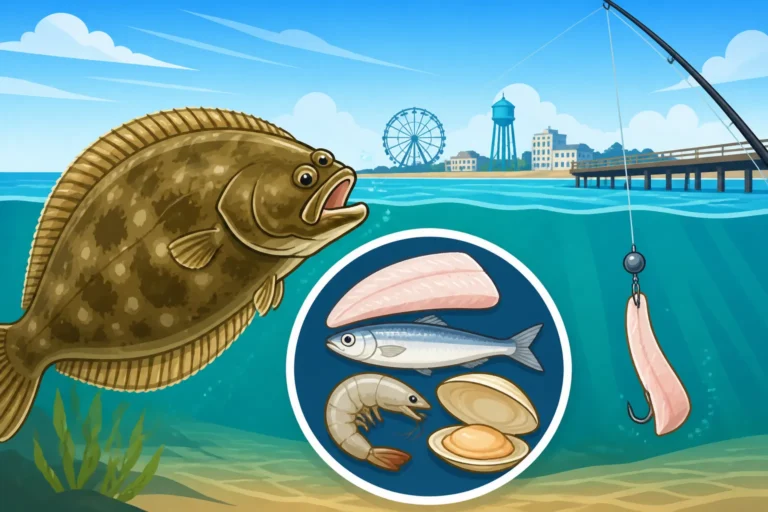
For anglers preferring the brackish and saltwater realms, summer brings a bounty of delicious bottom-dwelling and schooling fish. Flounder become a major target in the shallower, warmer waters of the Chesapeake Bay's tributaries and the back bays of Ocean City. Drifting with minnows, squid strips, or Gulp! artificial baits over sandy bottoms and channel edges can yield some excellent catches of these delicious flatfish. Understanding the current Maryland Flounder Size Limit is essential for keeping your catch legal.
Simultaneously, the Bay fills with immense schools of croaker and spot. These smaller, but incredibly fun-to-catch and tasty fish, swarm into the shallower waters of the Bay and its rivers, offering fast-paced action for anglers of all ages. Simple bottom rigs baited with pieces of bloodworm, fish bites, or peeler crab are usually all you need to fill a cooler. These species are perfect for a relaxing family fishing outing, as the action can be nearly continuous. Many anglers will stock up on specialized fishing rigs from Amazon to make sure they're ready for the bite.
Invasive Species: Blue Catfish and Snakehead
Summer also presents prime opportunities to target Maryland's invasive species: the voracious blue catfish and the elusive northern snakehead. These fish thrive in warmer waters and are actively sought after, not just for sport, but also as part of conservation efforts to control their populations. Blue catfish, which can grow to immense sizes, are abundant in the deeper, slow-moving sections of the Potomac River, Nanticoke River, and other Chesapeake Bay tributaries. They'll readily take cut bait like fresh bunker, chicken livers, or even hot dogs. There's no limit on these fish, and they are excellent table fare, making them a popular target.
Northern snakehead, with their aggressive topwater strikes, are a thrilling challenge for anglers in shallow, weedy areas of the Potomac River and its tributaries, as well as parts of the Eastern Shore. They are often targeted with weedless frogs, topwater lures, or spinnerbaits. Catching a snakehead is a unique experience, and anglers are encouraged to harvest them. The Maryland DNR has specific Maryland Invasive Fish Rules: Blue Catfish and Snakehead, which notably prohibit releasing live snakeheads back into the water. This emphasis on removing invasives makes summer fishing for these species both enjoyable and ecologically beneficial.
Fall Fishing: The Rockfish Run and Cooler Waters
As the vibrant colors of autumn sweep across Maryland, a new excitement descends upon the fishing community. Fall is, for many, the pinnacle of the fishing year, characterized by cooler temperatures, invigorated fish, and the legendary "rockfish run" in the Chesapeake Bay. It's a season of abundance, as many species feed heavily in preparation for winter, making for some of the most productive and thrilling fishing experiences Maryland has to offer. The comfortable weather, combined with aggressive fish, makes fall a favorite for many.
Chesapeake Bay Striped Bass (Rockfish) Run
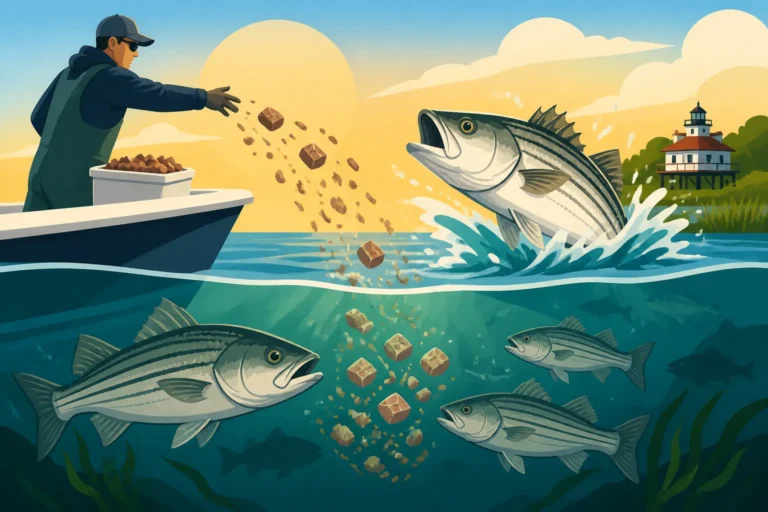
The fall rockfish run is nothing short of legendary in the Chesapeake Bay. As water temperatures begin to drop from late September through November, enormous schools of baitfish, primarily menhaden and spot, begin to migrate out of the Bay and into the ocean. Hot on their tails are hungry striped bass, which feed aggressively to build up fat reserves for the colder months. This creates incredible opportunities for anglers to encounter large schools of actively feeding fish.
Techniques vary from trolling and jigging to casting artificial lures into breaking fish. The Bay becomes a spectacle of bird play, with gulls diving to indicate schools of bait being pushed to the surface by predatory rockfish below. This is prime time to experience the thrill of a "rockfish blitz." Anglers often head to popular areas like the mainstem of the Bay, channel edges, and structure around the Bay Bridge. For those looking for the ultimate Chesapeake Bay experience, booking a Maryland Chesapeake Bay Fishing Charters, What to Expect during the fall run is often a highlight. The intensity of the bite can be phenomenal, making it a must-do for any serious angler.
Fall Trout Stocking and Delayed Harvest Waters
While spring gets a lot of attention for trout stocking, fall is another fantastic time for trout enthusiasts in Maryland. As water temperatures in streams and rivers cool down, the DNR conducts another round of stocking, refreshing populations in designated trout management areas. This often means less crowded conditions than in the spring, and cooler water temperatures can keep the trout more active and less stressed.
Additionally, many of Maryland's "delayed harvest" trout streams transition into their catch-and-release only periods around October 1st. These waters are typically stocked heavily in the fall and then managed under strict catch-and-release regulations with specific tackle restrictions (often artificial lures and flies only, sometimes barbless hooks) through the winter and into the following spring. This allows the fish to grow larger and become more wary, offering a challenging yet incredibly rewarding experience for dedicated fly fishermen. If you enjoy the tranquility and technicality of Fly Fishing in Maryland, these fall delayed harvest waters are a true gem.
Perch and Other Panfish
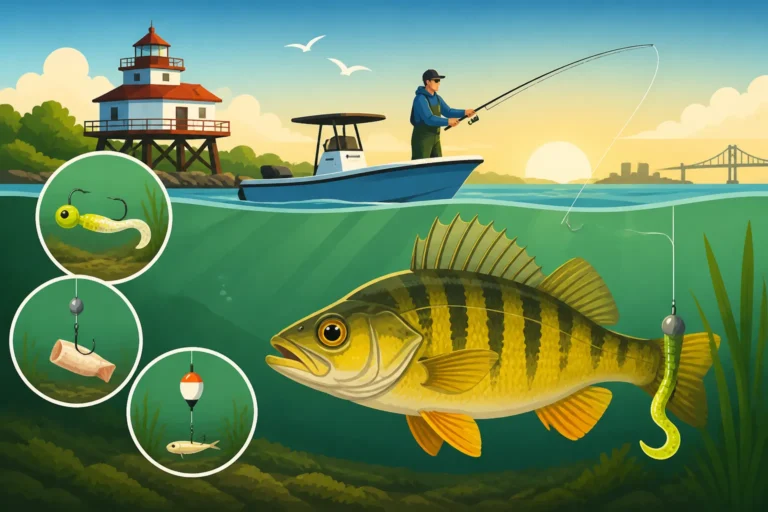
Beyond the striped bass spectacle and trout opportunities, fall also offers excellent fishing for other popular species, particularly white perch and yellow perch. As water temperatures cool, both species move out of their shallow summer haunts and school up in deeper channels and holes in the Bay and its tributaries. This schooling behavior makes them easier to locate, and once found, anglers can often catch them in large numbers.
Yellow perch, especially, see a resurgence in popularity during the fall, particularly in the upper reaches of the Chesapeake Bay and its rivers like the Susquehanna and Bush River, as they begin to congregate before their winter slumber and eventual spring spawn. Small jigs tipped with minnows or soft plastics are often effective. White perch continue to offer reliable action, often found deeper alongside rockfish. These panfish provide consistent action and make for excellent eating, filling your cooler with tasty fillets before the deep chill of winter sets in.
Winter Fishing: Challenging but Rewarding
Winter in Maryland may seem like a dormant period for fishing, but for the dedicated and well-prepared angler, it offers unique and incredibly rewarding opportunities. While the crowds thin out and the air turns crisp, certain species remain active, offering a chance to brave the elements for a memorable catch. It's a season that demands a different approach, often focusing on slower presentations and deeper waters, but the rewards can be substantial, especially for those seeking solitude and a true test of angling skill.
Deep Creek Lake Ice Fishing
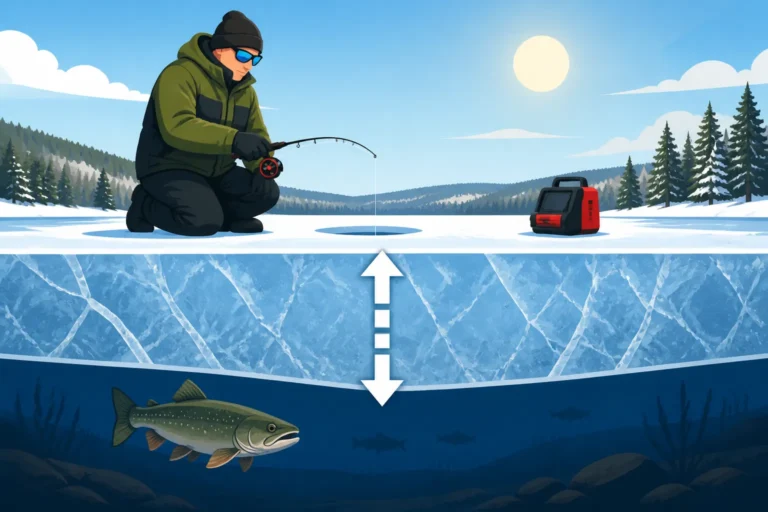
For those in Western Maryland, or willing to make the trip, Deep Creek Lake transforms into a premier ice fishing destination once the ice becomes thick enough (typically 4 inches for safe foot travel). This mountain lake, Maryland's largest freshwater body, offers fantastic opportunities to target yellow perch, chain pickerel, crappie, and even an occasional walleye or northern pike through the ice. It's a completely different fishing experience, requiring specialized gear like ice augers, tip-ups, and short ice rods.
Anglers often set up portable shanties for warmth and use small jigs tipped with wax worms or minnows. Patience is key, but the thrill of pulling a fish through a hole in the ice is something truly special. Always prioritize safety by checking ice thickness and conditions before venturing out. For a detailed guide on this frosty pursuit, check out our resource on Ice Fishing in Maryland. It's a wonderful way to extend your fishing season and experience a unique winter sport.
Winter Striped Bass Catch and Release
Even after the main recreational striped bass harvest seasons close, a dedicated winter catch-and-release fishery exists in the Chesapeake Bay, typically running from mid-December through February. During this period, striped bass school up in deep channels and thermal refuges, often around power plant discharges or major river mouths where the water is slightly warmer. This is not a harvest fishery; all fish must be immediately released unharmed.
Anglers target these schooling fish primarily by jigging with heavy spoons or soft plastics, or by slowly trolling deep-diving lures. It's a challenging but incredibly rewarding pursuit for those who want to feel the strong pull of a rockfish during the coldest months. Success often hinges on locating the schools, which can move frequently. While it requires resilience against the cold, the sheer number of fish in these wintering schools can lead to epic catch-and-release days. You'll definitely want to bundle up and pack a thermos of hot coffee, but the opportunity to battle a strong striped bass in the quiet of winter is an unforgettable experience.
Targeting Invasive Catfish in Rivers
The blue catfish and flathead catfish, being highly adaptable and tolerant of cold water, remain active throughout the winter months in Maryland's major river systems, especially the Potomac, Nanticoke, and Choptank. In fact, some of the largest blue catfish are caught during the colder seasons, as these fish continue to feed actively. Unlike many other species, their metabolism doesn't slow down to the same extent, making them a reliable target when other fish become sluggish.
Anglers targeting these invasives often fish deeper holes and channels using heavy tackle and large pieces of cut bait, such as fresh or frozen bunker, shad, or even chicken. Fishing from shore or boat, these powerful fish offer a serious fight, and with no possession limits, you can take home as many as you'd like for a delicious winter meal. This provides a valuable fishing opportunity during a time when many other species are less accessible. Plus, by removing blue catfish, you're directly helping native ecosystems.
Optimizing Your Trip: Beyond Just the Season
While knowing the best time of year for a particular species is foundational, a truly successful fishing trip often hinges on understanding other crucial factors that influence fish behavior. The "macro" view of seasons needs to be complemented by the "micro" details of daily conditions. Ignoring these elements can turn a prime seasonal opportunity into a frustrating day on the water. Even with the right time of year, paying attention to these nuances can significantly elevate your chances of success.
Tidal Movements and Their Impact
For anyone fishing the Chesapeake Bay or its tidal tributaries, understanding tidal movements is paramount. Tides dictate current flow, which in turn influences where fish feed and how aggressively. As a general rule, moving water is almost always better for fishing than slack tide. The incoming and outgoing tides create currents that stir up bait, concentrate forage, and position predatory fish in ambush points.
Many experienced Bay anglers swear by fishing the last two hours of an outgoing tide and the first two hours of an incoming tide, or vice versa, depending on the specific location and species. For example, during a strong outgoing tide, baitfish might be flushed out of shallow creeks, making them easy targets for striped bass waiting at the creek mouths. Conversely, an incoming tide can push bait into new areas. Using a tide chart (readily available online or in many fishing apps, or even from Amazon as a waterproof chart) for your specific fishing location is essential for maximizing your time on the water. This also relates to our discussion on Maryland Nontidal vs Tidal Fishing License, Explained, as different licenses might apply depending on the water.
Weather Patterns and Water Temperature
Beyond the general seasonal temperature changes, daily weather patterns play a huge role in fish activity. Cold fronts, warm spells, rain, and bright sunny days can all influence how and where fish feed. Fish are cold-blooded creatures, and their metabolism is directly tied to water temperature. A sudden drop in temperature, for instance, often makes fish lethargic and less willing to chase baits, driving them to deeper, more stable thermal zones. Conversely, a prolonged period of stable, warm weather can make them highly active.
Rain can also have a dual effect. A light rain can often turn on a bite, especially for freshwater species, as it adds oxygen to the water and washes in insects. However, heavy rains can muddy the water, reduce visibility, and disperse fish. Paying attention to forecasts, carrying a good thermometer to check water temperatures, and adjusting your tactics accordingly will significantly improve your catch rates. Even seemingly small details like barometric pressure changes can impact how aggressively fish feed.
Understanding Solunar Tables and Daily Best Times
For those who want to dive even deeper into optimizing their fishing trips, solunar tables offer a fascinating, albeit sometimes debated, layer of insight. Solunar tables predict periods of heightened fish and wildlife activity based on the positions of the sun and moon. The theory is that just as the moon influences tides, it also affects the behavior of all living creatures, including fish. These tables typically highlight "major" and "minor" feeding times throughout the day.
While not an exact science, many successful anglers incorporate solunar predictions into their planning, especially for targeting trophy fish or during slow periods. For example, if you know the bite is typically slow midday, but a solunar table indicates a minor feeding window, it might be worth staying out a bit longer or trying a different technique. Combining seasonal knowledge, tidal charts, weather forecasts, and solunar predictions gives you the most comprehensive understanding of when conditions are most favorable for fishing in Maryland.
Species-Specific Seasonal Highlights
To help you plan your Maryland fishing adventures, here's a quick rundown of the prime seasons for some of the most sought-after species. Remember, these are general guidelines, and local conditions can always vary. Always consult the latest Maryland Daily Bag Limits by Species and other regulations from the Maryland Department of Natural Resources before you head out.
Key Periods for Popular Gamefish
Knowing when your target species are most active can save you a lot of time and increase your success rate. Here's a table summarizing the best times for some of Maryland's most popular gamefish:
| Species | Primary Fishing Season | Key Notes |
|---|---|---|
| Striped Bass | Spring (Trophy), Fall (Run), Winter (C&R) | Spring for large migratory fish, Fall for aggressive feeding schools, Winter for jigging deep channels. |
| Largemouth Bass | Late Spring, Summer, Early Fall | Active in warmer freshwater lakes/ponds, often near cover. Best in mornings/evenings. |
| Smallmouth Bass | Late Spring, Summer, Early Fall | Thrives in cool, rocky rivers like the Potomac. Look for current breaks. |
| White Perch | Early Spring (Spawn), Summer, Fall | Abundant in tidal rivers & Bay. Spring runs are legendary. |
| Yellow Perch | Early Spring (Spawn), Fall | Strong runs in Upper Bay tributaries in spring. Schools up in deeper water in fall. |
| Trout | Spring (Stocking), Fall (Stocking/Delayed Harvest) | Best after DNR stockings. Fall delayed harvest offers challenging fly fishing. |
| Flounder | Summer, Early Fall | Excellent in Ocean City back bays & lower Chesapeake Bay. Drifting with bait. |
| Bluefish | Summer, Early Fall | Migratory, aggressive schools in the Bay & Ocean. Fast action, often on topwater. |
| Blue Catfish | Year-Round (Peak: Warmer Months, also good in Winter) | Invasive, no limits. Abundant in Potomac, Nanticoke. Feeds actively even in cold. |
| Northern Snakehead | Late Spring, Summer, Early Fall | Invasive, must harvest. Target shallow, weedy areas with topwater lures. |
| Crappie | Early Spring (Pre-spawn), Fall | Found in reservoirs like Loch Raven. Schools around structure. |
| Walleye | Late Spring, Early Summer, Fall | Deep Creek Lake is prime. Best targeted during cooler periods or at night. |
Best Times for Panfish and Invasives
Maryland's panfish — the delicious white perch, yellow perch, crappie, and various sunfish — often provide some of the most consistent action, especially for beginners and families. White perch, as mentioned, have incredible runs in early spring, and continue to be a reliable target through summer and fall in the Bay's tidal rivers. Yellow perch also shine in early spring during their spawning runs and again in the fall as they school up. Crappie in reservoirs like Loch Raven and Piney Run are fantastic targets in early spring as they stage for spawning, and again in the fall.
The invasive species, blue catfish and northern snakehead, truly offer a year-round opportunity, but they are particularly active and accessible during the warmer months. Summer is prime time for snakehead to strike topwater lures in their weedy haunts, and blue catfish gorge themselves throughout the spring, summer, and fall. Even in winter, these aggressive predators continue to feed, providing a valuable option when other species slow down. Targeting these species is not only great fun but also a direct contribution to preserving Maryland's native fisheries. It's a win-win, allowing anglers to enjoy plentiful action while doing their part for conservation.
Disclaimer
Fishing regulations in Maryland, including seasons, sizes, and catch limits, are subject to change by the Maryland Department of Natural Resources. While we strive to provide the most current information, it is the angler's responsibility to verify all regulations before fishing. Please consult the official Maryland DNR fishing guide or website for the latest rules and emergency closures. Always practice safe boating and fishing techniques, and respect private property.