What Is a Chesapeake Bay White Catfish?
Ever been out fishing in Maryland's diverse waters, reeled in a catfish, and then scratched your head wondering exactly what kind of catfish you just caught? You're definitely not alone. With several species of catfish calling our state home, distinguishing them can be a real head-scratcher, especially when it comes to the often-misunderstood white catfish. This guide is here to clear up that confusion, diving deep into what makes the Chesapeake Bay white catfish unique, where you can find them, and how to tell them apart from their more common cousins.
What Exactly is a White Catfish, Anyway?
The white catfish ( Ameiurus catus ) is a fascinating creature, and a truly native Maryland fish. It's often overlooked in favor of its larger, more aggressive relatives, or simply mistaken for them. But once you get to know the white catfish, you'll appreciate its distinct place in our aquatic ecosystems.
Unpacking the White Catfish's Unique Identity
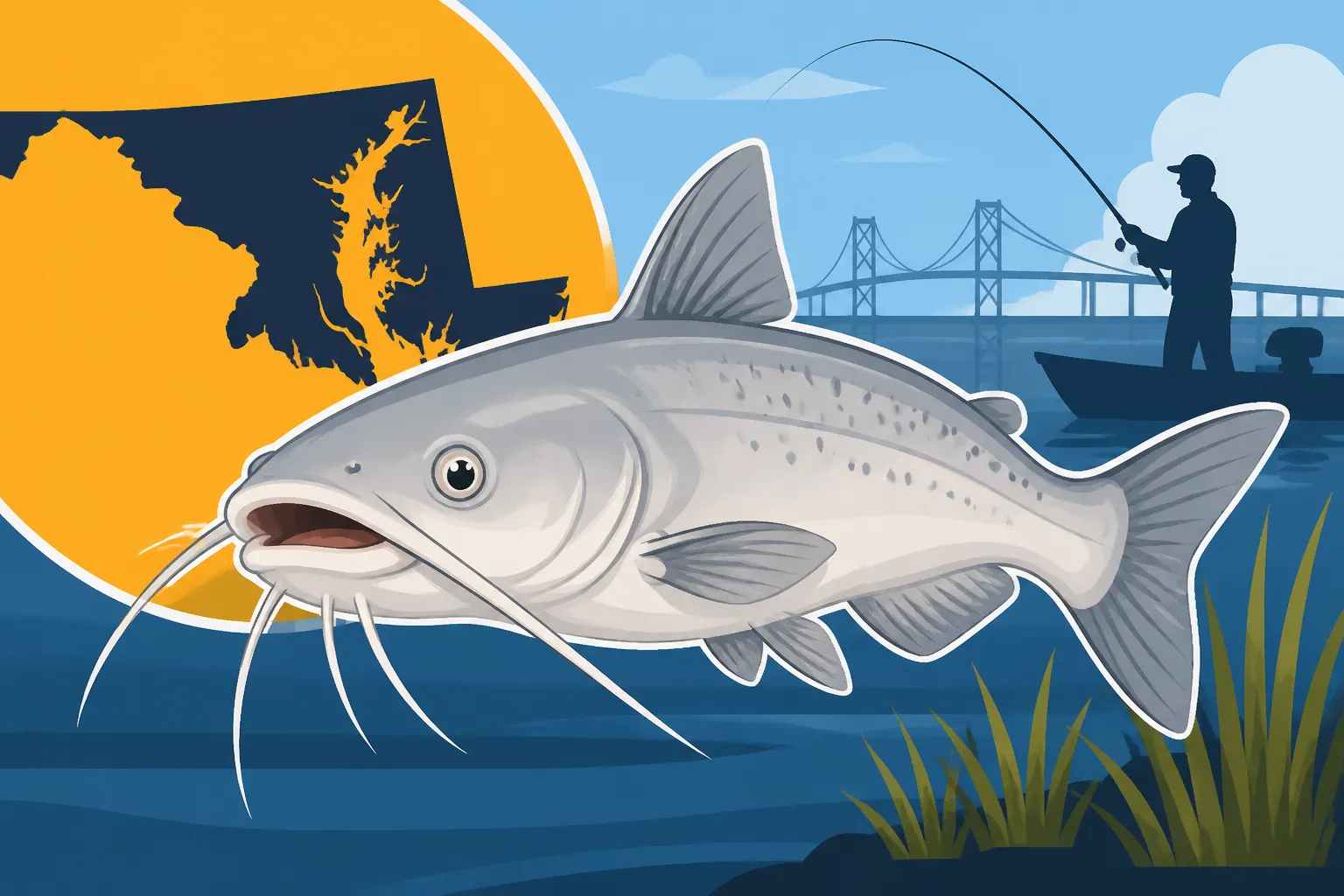
When you pull a white catfish from the water, you'll notice a few things right off the bat that set it apart. They typically have a somewhat stockier body compared to the more streamlined channel catfish, and their color tends to be a mottled olive-green, gray, or brown on the back, fading to a creamy white belly. Unlike the channel catfish, they usually lack the distinct spots on their sides, though some might have very faint ones. Their tail is another key identifier: it's typically rounded, or at most, very slightly notched, which is a stark contrast to the deeply forked tail of a channel catfish.
Most white catfish you'll encounter will be in the panfish size range, often between 10 to 15 inches. However, they can grow larger, with some reaching up to 20 inches or more and weighing several pounds. While not as monstrous as the big blue cats, a two or three-pound white catfish puts up a respectable fight, especially on light tackle. For anglers specifically targeting smaller, sweeter-tasting catfish for the dinner table, the white catfish is often considered a prime candidate.
Native Roots and Typical Habitats
One of the most important things to know about the white catfish is that it's a native species to the Eastern United States, including the Chesapeake Bay watershed. This is a crucial distinction, especially when we talk about invasive species like the blue catfish. White catfish have been a part of Maryland's aquatic landscape for a very long time, playing an important role in the food web.
You'll typically find white catfish thriving in slower-moving waters. Think tidal rivers, creeks, estuaries, and even some non-tidal lakes and ponds. They have a preference for areas with muddy or silty bottoms, often near submerged logs, weed beds, or other forms of cover. They're quite adaptable, capable of tolerating a wide range of water conditions, from slightly brackish estuarine environments to freshwater. This adaptability means you can find them in many different corners of Maryland. Places like the upper reaches of the Chesapeake Bay tributaries, the Choptank River, and even some of the smaller lakes and reservoirs across the state provide excellent habitat for white catfish. They're not usually found in fast, rocky mountain streams, preferring a more sedate pace of life. Are White Catfish Native to Maryland? can give you more insights into their historical presence.
Telling Your Catfish Apart: White vs. the Rest
Maryland's waters are bustling with various catfish species, and it's easy to get them mixed up. Knowing the subtle (and sometimes not-so-subtle) differences can help you identify your catch, understand their ecological role, and adhere to specific regulations.
White Catfish vs. Blue Catfish: Key Distinctions
This is perhaps the most important distinction for Maryland anglers, especially given the strong emphasis on managing invasive species. Blue catfish are non-native and highly predatory, while white catfish are native and generally smaller.
Here's how to tell them apart:
- Tail: The most reliable indicator. Blue catfish have a deeply forked tail, almost like a V-shape. White catfish, as mentioned, have a rounded or very slightly notched tail. This is your first visual check.
- Anal Fin: Look at the anal fin (the fin on the underside near the tail). Blue catfish have a long, straight-edged anal fin with 30-35 rays. White catfish have a shorter, more rounded anal fin with fewer rays, typically 18-24.
- Coloration: Blue catfish are typically silvery-blue to gray on their back and sides, with a white belly. White catfish tend to be a darker, mottled olive-gray to brownish, often with a white or yellowish belly. They generally lack the distinct spots that channel catfish often have.
- Size: While both can grow large, blue catfish reach truly enormous sizes in Maryland, often exceeding 50 pounds, with the state record being over 100 pounds. White catfish rarely exceed 5 pounds, making any large catfish with a deeply forked tail almost certainly a blue. Maryland Blue Catfish, an Invasive Giant is a great resource if you want to learn more about the challenges these fish pose.
| Feature | White Catfish | Blue Catfish | Channel Catfish |
|---|---|---|---|
| Tail Shape | Rounded or slightly notched | Deeply forked | Deeply forked |
| Anal Fin | Shorter, rounded (18-24 rays) | Longer, straight-edged (30-35 rays) | Rounded (24-29 rays) |
| Coloration | Mottled olive-gray/brown, white belly | Silvery-blue/gray, white belly | Gray/green, often with dark spots, white belly |
| Size | Typically 1-5 lbs, max ~10 lbs | Can exceed 100 lbs (invasive in MD) | Can exceed 50 lbs, commonly 5-15 lbs |
| Native Status | Native to Chesapeake Bay watershed | Invasive in Chesapeake Bay watershed | Native to MD, widespread |
White Catfish vs. Channel Catfish: Subtle Differences
This comparison can be a bit trickier, as both are generally similar in shape and often found in similar habitats. Many anglers mistake smaller channel cats for white catfish, and vice versa.
- Tail: Again, the tail is your friend. Channel catfish have a distinctly forked tail, though perhaps not as deeply forked as a large blue catfish. White catfish have that characteristic rounded or very slightly notched tail. If it's truly forked, it's a channel or blue.
- Spots: Channel catfish are famous for their dark spots, especially when they are younger. These spots can fade significantly on older, larger fish, but they're a common trait. White catfish generally lack these spots.
- Head Shape: Channel catfish tend to have a more slender head profile, while white catfish often have a broader, somewhat flatter head. This is a subtle difference, but noticeable with experience.
- Anal Fin: While both have rounded anal fins, the channel catfish's fin is usually longer than the white catfish's, typically having 24-29 rays compared to the white catfish's 18-24 rays.
Understanding these distinctions is essential for proper identification, especially if you're targeting specific species or need to comply with specific regulations that might vary by catfish type.
The Bullhead Catfish Family: A Closer Look
To add another layer of complexity, Maryland also hosts bullhead catfish – primarily brown bullhead, but sometimes yellow or black bullhead. These are even smaller than white catfish on average, and quite common in ponds, sluggish streams, and muddy bottom lakes.
- Size: Bullheads are generally much smaller than white or channel catfish, rarely exceeding 1.5 to 2 pounds.
- Tail: Like white catfish, bullheads have a rounded (not forked) tail. This is where the confusion can often start.
- Pectoral Fin Spines: This is the key identifier for bullheads. The pectoral fins (the ones behind the gills) of bullheads have a sharp, serrated spine. White catfish lack this serration. If you run your finger along the spine, a bullhead's will feel like a tiny saw blade.
- Coloration: Brown bullheads are dark brown to black on top, fading to a creamy belly, and sometimes mottled. They can be very similar in color to white catfish, making the other features more important.
- Barbels: Bullheads typically have dark barbels (whiskers) under their chin, whereas white catfish often have white or pale barbels. This can be a useful, though not foolproof, indicator.
For a deeper dive into these fascinating, smaller catfish, check out What's the Difference Between a Bullhead and a Channel Catfish?.
Where and How to Find White Catfish in Maryland
So, now that you know what a white catfish is and how to identify it, the next logical step is figuring out where to go fishing for them and what strategies will increase your chances of success.
Prime Fishing Grounds for White Catfish
White catfish are quite obliging and can be found in a wide variety of waters across Maryland. They're primarily a brackish and freshwater fish, preferring those slower, muddier environments.
- Chesapeake Bay Tributaries: Many of the Bay's tidal rivers and creeks are fantastic for white catfish. Think about the Patuxent River, the Choptank River, the Chester River, and the Nanticoke River. In these areas, target the shallower coves, sloughs, and creek mouths, especially where there's some woody debris or thick vegetation providing cover. The upper, fresher reaches of these rivers, often where the tidal influence becomes less pronounced, are particularly good. You can certainly catch them in the broader Fishing Maryland's Chesapeake Bay, A Complete Guide.
- Reservoirs and Lakes: Don't overlook Maryland's freshwater impoundments. Reservoirs like Loch Raven, Liberty, and Prettyboy can hold good populations of white catfish, particularly in the shallower, warmer coves and arms where there's plenty of silt and submerged structure. They tend to hang around the deeper parts during the day and move into shallower feeding areas during dawn, dusk, and nighttime.
- Ponds and Small Lakes: Many local ponds, especially those with muddy bottoms and plenty of aquatic vegetation, will have white catfish. These are often easier access points for a quick fishing trip and can be particularly productive for families or beginners.
- Docks and Piers: Often, white catfish will congregate around man-made structures like docks, piers, and bridge pilings. These structures offer cover and attract baitfish, which in turn attract catfish. Fishing from one of Maryland's many public piers can be a great way to target them. Best Piers and Shore Fishing Spots in Maryland can give you some specific ideas.
Remember, white catfish are often caught incidentally while targeting other species like white perch or even smaller striped bass, but if you tailor your approach, you can certainly make them your primary target.
Tried-and-True Techniques for Landing White Catfish
White catfish aren't typically picky eaters, which makes them a fun target for anglers of all skill levels. Their feeding habits are fairly straightforward, often involving rooting around the bottom for whatever tasty morsels they can find.
- Bottom Fishing: This is, hands down, the most effective method. White catfish are scavengers and bottom feeders. A simple bottom rig, consisting of a sinker (like an egg sinker or pyramid sinker) above a swivel, and a leader with a hook, is all you need. Cast it out and let your bait settle on the bottom. Bottom Fishing Techniques for Maryland Catfish details this approach perfectly.
- Still Fishing: This technique involves casting your bait out and letting it sit motionless. White catfish aren't usually chasing down their prey; they're more likely to stumble upon it. Patience is key here. Keep a close eye on your rod tip for the subtle "taps" that indicate a catfish bite.
- Fishing Near Structure: White catfish love cover. Cast your bait close to fallen trees, log jams, rock piles, submerged brush, or thick weed lines. These spots provide ambush points and a sense of security.
- Night Fishing: Like many catfish species, white catfish are often more active feeders during the twilight hours and throughout the night. Their keen sense of smell and barbels allow them to forage effectively in low light conditions. If you're struggling during the day, try an evening or night session.
Gear and Bait Essentials for White Catfish Anglers
You don't need highly specialized or expensive gear to successfully catch white catfish. In fact, standard panfish or light freshwater tackle often works perfectly.
The Right Rod, Reel, and Line Setup
For white catfish, you want a setup that's sensitive enough to detect their sometimes subtle bites but robust enough to handle a feisty two-pounder.
- Rod: A medium-light to medium-action spinning rod, 6 to 7 feet long, is ideal. This will give you enough backbone to cast moderate weights and fight fish, while still allowing you to feel those gentle nibbles. A fiberglass or composite rod can be quite forgiving and durable, perfect for knocking around in the boat or on the bank.
- Reel: A spinning reel in the 2000-3000 series range, spooled with 6-10 pound test line, is plenty. You don't need heavy-duty saltwater gear for these guys. Many reliable spinning reels can be found on Amazon, offering good performance without breaking the bank.
- Line: Monofilament line is a classic choice for catfish due to its stretch, which can prevent hooks from pulling out when a fish strikes hard. If you prefer the sensitivity of braid, opt for 10-15 pound braided line with a fluorocarbon leader of 8-12 pounds. The leader provides invisibility and abrasion resistance against those muddy bottoms and any underwater snags.
Top Baits That White Catfish Can't Resist
White catfish are opportunistic omnivores, meaning they'll eat just about anything they can get their mouths around. This makes bait choice fairly easy, but some options are definitely more effective than others.
- Worms: Nightcrawlers or garden worms are consistently excellent baits for white catfish. They're natural, readily available, and catfish love their scent and wriggling action. Thread a whole worm or a piece of a larger worm onto your hook, ensuring the hook point is exposed.
- Cut Bait: Small pieces of cut bait, especially oily fish like menhaden (bunker), mullet, or even pieces of crappie or bluegill, are highly effective. The scent trail they release in the water drives catfish wild. Use a small chunk, about the size of your thumbnail or a bit larger. For sourcing specific bait knives or bait rigging tools, Amazon often has a good selection.
- Chicken Liver: This is a classic catfish bait for a reason. It's incredibly smelly and soft, making it easy for catfish to find and gobble up. The downside is that it can be messy and falls off the hook easily. Using a small bait holder hook or even wrapping it with a bit of thread can help keep it on.
- Shrimp: Both fresh and frozen shrimp (peeled or unpeeled) are excellent baits. They have a strong scent and a texture that catfish find appealing.
- Prepared Baits: There are many commercially available "stink baits" or dough baits specifically designed for catfish. While they often work well for channel catfish, white catfish will also readily take them. These can be particularly handy if you don't want to deal with live or cut bait.
- Small Live Bait: Occasionally, a small live minnow or a tiny spot will entice a larger white catfish, especially if they are feeling a bit more predatory.
Regardless of your bait choice, make sure you're using a hook size appropriate for the bait and the expected size of the fish, typically a size 2 to 1/0 circle hook or an Aberdeen hook. Circle hooks are fantastic for catfish because they minimize gut-hooking, making release easier if you're not keeping your catch. You can find a wide range of hook styles and sizes on Amazon to suit your preferred fishing method. For more general advice on what to put on your hook, check out Best Bait for Catfish in Maryland Rivers.
White catfish might not be the flashiest fish in Maryland's waters, but they offer a consistent and enjoyable fishing experience, especially for those looking for good table fare or simply a fun fight on light tackle. Knowing how to identify them and where to find them means you're one step closer to a successful and rewarding day on the water.
Disclaimer
This article is for general informational purposes only and does not constitute professional advice. Laws, prices and regulations vary by location and change over time. Consult a qualified professional for guidance on your specific situation.