What Fish Can You Catch Year-Round in the Chesapeake Bay?
Many anglers in Maryland mistakenly believe that fishing in the Chesapeake Bay is strictly a seasonal affair, something to enjoy only during the warmer months when rockfish are biting. But let me tell you, that simply isn't true! While some species are definitely migratory, the Bay is a thriving ecosystem that offers fantastic fishing opportunities 365 days a year if you know what to target and how to adapt. This guide will open your eyes to the reliable, year-round catches you can make, ensuring your rods never have to gather dust.
Understanding the Chesapeake Bay's Dynamic Ecosystem
The Chesapeake Bay isn't just one big body of water; it's a complex, ever-changing environment with unique characteristics that allow different fish species to thrive at various times. Understanding this dynamic nature is key to unlocking its year-round fishing potential.
Temperature Swings and Salinity Gradients
Think of the Bay as a giant, living mosaic. From the freshwater rivers feeding into it up north, down to the saltier ocean influence at its mouth, you've got a spectrum of conditions. This range of habitats allows a diverse array of fish to call it home, even as the seasons turn. During the blistering summer heat, fish might seek refuge in deeper, cooler channels, or move into the slightly less saline upper reaches of tributaries. Conversely, when winter clamps down, some species migrate offshore entirely, but many resident fish simply hunker down in deeper, more stable thermal zones within the Bay itself, or move into specific river systems.
This continuous shift in temperature and salinity means that fish aren't always in the same place. A spot that was hot for white perch in May might be barren in December, but those perch haven't vanished – they've simply moved to where conditions are more favorable. It’s about knowing where to find them based on these environmental cues. This constant movement and adaptation are what allow for year-round angling; you just need to adjust your expectations and locations.
Forage Availability and Fish Movement
Fish need to eat, plain and simple. Even in the coldest depths of winter, they still require sustenance, albeit often with reduced metabolic rates. While baitfish like menhaden and silversides might thin out in colder months, other crucial food sources remain available. Think about all the smaller organisms that reside on the bottom – grass shrimp, various crabs, mussels, and smaller bottom-dwelling fish. These provide a continuous food supply for resident predators.
The presence of this year-round forage means that the fish you're targeting don't just disappear. They might become less active, their bites more subtle, and their preferred dining spots might change, but they are still actively seeking food. Successful year-round anglers understand that finding these consistent food sources, especially in winter, is often the secret to finding the fish themselves. It's less about a sudden "bite" and more about presenting a tempting meal directly in their path when they are sluggish but still hungry.
Year-Round Residents: The Reliable Catches
When the big migratory species like striped bass or bluefish head south for the winter or offshore, many anglers pack away their gear, sighing about the "off-season." But that's a mistake! The Chesapeake Bay is home to several fantastic species that stick around, offering consistent action if you're willing to brave the elements and learn their habits.
White Perch: The Bay's Ubiquitous Panfish
If there's one fish that truly embodies the spirit of year-round fishing in the Chesapeake Bay, it's the white perch. These feisty, delicious panfish are an angler's best friend, always present and often willing to bite, no matter the calendar month. They might not be the flashiest catch, but they provide reliable action, making them perfect for beginners and seasoned pros alike. You can truly explore the world of White Perch in Maryland's Chesapeake Bay at any time.
In the warmer months, white perch are seemingly everywhere, from shallow oyster beds to rocky points and the mouths of creeks. They school up, chasing small baitfish and readily hitting an array of lures and natural baits. But here's the magic: come winter, they don't vanish. Instead, they migrate to deeper, more stable waters, often congregating in massive schools in the main stem of the Bay or in deep river channels. Locating these schools with a good fish finder is half the battle; once you find them, the action can be non-stop, even on a freezing December or January day.
Targeting white perch year-round means adapting your tactics. In spring and fall, small spinnerbaits, Beetle Spins, or simple bottom rigs with bloodworms or grass shrimp are deadly in shallower areas. In winter, try jigging small metal spoons or soft plastics directly over those deep schools, or use a tandem rig with small pieces of clam or artificial bloodworms. They might take a lighter touch, but their consistent presence means you rarely get skunked when you're after them. They're also incredibly accessible, offering great fishing opportunities from piers, shorelines, and of course, boats.
Catfish: Blue and Channel Catfish Never Truly Leave
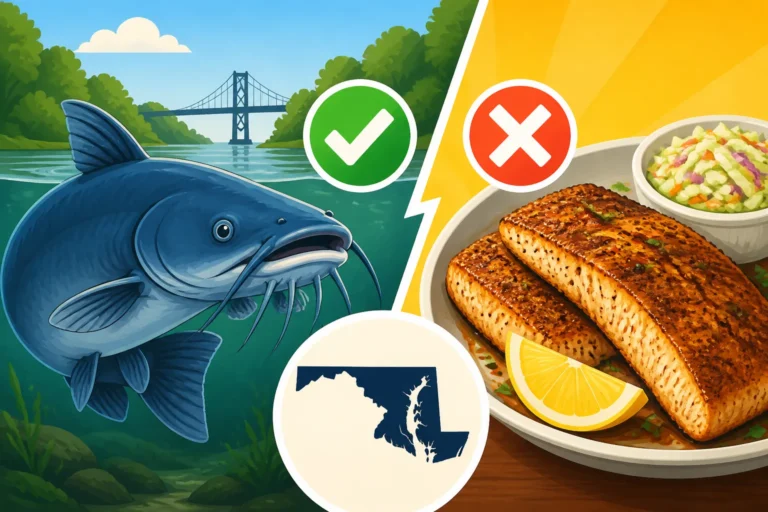
While often overlooked by those chasing glamour species, the Bay's catfish populations, particularly the invasive blue catfish and the native channel catfish, offer incredible year-round fishing opportunities. Unlike migratory fish, these robust bottom-dwellers are true residents, adapting to varying conditions and remaining catchable even when other species are hunkered down. If you're looking for a powerful fight and a delicious meal, these fish are your go-to, especially in the Bay's tidal rivers. The blue catfish, in particular, is an invasive species that Maryland actively encourages anglers to harvest, making it a win-win situation for both the ecosystem and your dinner table. Learn more about Maryland Blue Catfish, an Invasive Giant.
Blue catfish have exploded in numbers throughout the Chesapeake Bay system, thriving in the freshwater and brackish sections of major tributaries like the Potomac, Patuxent, Choptank, and Nanticoke Rivers. They are incredibly hardy and tolerant of a wide range of water temperatures, which is why they offer such consistent year-round action. While their activity might slow somewhat in the coldest part of winter, they still feed, often seeking out deeper holes and channels where they can conserve energy. Channel catfish, though typically smaller than their blue cousins, share similar habits and are also widely distributed.
For year-round catfish angling, especially for the blues, bottom fishing is the name of the game. Using sturdy tackle, a heavy sinker, and circle hooks is recommended. The best baits are usually fresh cut bait – pieces of oily fish like menhaden, alewife, or even white perch fillets are excellent. During winter, look for them in deep bends of rivers or main channel drop-offs where current is minimal. Many anglers swear by Best Bait for Blue Catfish in Maryland Rivers for consistent results. Even when the air is crisp, sitting by a warm fire on the shore or bundled up on a boat, waiting for that tell-tale tap-tap of a catfish, can be incredibly rewarding. Plus, there's no limit on blue catfish in Maryland, so you can keep as many as you like! For specific techniques, check out Bottom Fishing Techniques for Maryland Catfish.
Yellow Perch: An Early Spring and Late Fall Staple
While their peak runs occur in late winter and early spring as they move up rivers to spawn, yellow perch are actually present in various parts of the Bay and its tributaries for much longer, making them a key player in the extended fishing seasons. They are particularly strong targets in the upper Bay and its freshwater-influenced rivers and creeks, offering fantastic action during the cooler shoulder seasons.
You might primarily associate yellow perch with the incredible spring spawning runs in places like the Choptank or Nanticoke rivers. However, these fish don't just disappear after spawning. Throughout the late fall and early winter, yellow perch will stage in deeper holes within these same river systems and even in some upper Bay areas, preparing for their upstream migration. They are still actively feeding during this time, often on small minnows and aquatic insects.
Catching yellow perch during these extended periods usually involves similar tactics to white perch: small jigs, shad darts, or bottom rigs tipped with minnows or grass shrimp. The key is to find their deeper holding areas and present your bait slowly. While their prime "run" is certainly a seasonal highlight, their extended presence means you can realistically target them from late fall through early spring, providing crucial action when other species are less active. They are a wonderful addition to the Maryland Panfish: Crappie, Perch and Sunfish family that provides sustained interest.
Gear and Tactics for Year-Round Bay Fishing
Successful year-round fishing in the Chesapeake Bay isn't just about knowing which fish are available; it's about understanding how to catch them throughout the changing seasons. The Bay’s environment means constantly adapting your approach, your gear, and your mindset.
Adapting Your Approach for Each Season
The biggest mistake an angler can make when trying to fish year-round is to use a one-size-fits-all approach. The conditions of the Bay, and the behavior of the fish, change dramatically from month to month. What might catch a limit of striped bass in October won't even get a sniff from a white perch in February. The water temperature, clarity, and current all play significant roles in how active fish are and where they hold.
For instance, in the colder months, fish are generally more lethargic. This means slowing down your retrieve, presenting baits directly in their strike zone, and often fishing deeper. Using sensitive rods and lines becomes paramount to detect those subtle winter bites. Conversely, in warmer water, fish are more aggressive and will chase faster-moving lures. Your electronics become incredibly important in winter for locating those deep-water schools of perch or catfish. A reliable fish finder isn't just a luxury; it's an essential tool for identifying thermal layers and congregations of fish when they're not in obvious shallow-water haunts. Don't be afraid to experiment with different depths, even if it means moving around quite a bit.
Essential Year-Round Tackle Box Items
To be ready for the Bay's year-round offerings, you don't need a tackle shop's worth of gear, but a well-stocked, versatile kit is crucial. For the ever-present white perch, ensure you have an assortment of small jigs (1/16 to 1/4 ounce), Beetle Spins, and simple bottom rigs. Stock up on bait options like bloodworms (real or artificial), grass shrimp, and small minnows. Many local tackle shops carry these, but for convenience or specific brands, looking on Amazon can often fill gaps in your bait supply, especially if you're exploring artificial alternatives.
For the hard-hitting catfish, heavier gear is a must. Bring medium-heavy to heavy action rods with robust reels spooled with at least 20-pound test line, preferably braid for sensitivity. A variety of heavy sinkers (from 1 to 4 ounces, depending on current) and stout circle hooks (size 4/0 to 8/0) are essential for bottom fishing. Fresh cut bait is usually king here. Having a few different setups pre-rigged can save you valuable fishing time on the water. Beyond the species-specific gear, remember general essentials: a good pair of pliers, a sharp knife, extra line, and plenty of terminal tackle like swivels and sinkers. And, of course, a valid Maryland Fishing License Guide for 2026 is non-negotiable!
Weather and Water Conditions: Your Constant Companions
Fishing success, especially year-round in the Chesapeake Bay, is often dictated by conditions. Ignoring the weather or water parameters is a surefire way to have a frustrating day. How Tides Affect Fishing in Maryland's Chesapeake Bay is always important, but wind, air temperature, and especially water temperature are equally critical.
In winter, for example, a strong cold front can shut down a bite for days, pushing fish even deeper or making them completely unresponsive. Conversely, a mild spell might bring a flurry of activity. Always check marine forecasts before you head out, and pay attention to recent trends. Water clarity, which can change dramatically after heavy rains or strong winds, also plays a huge role in fish behavior and your lure choices. Clearer water often calls for more natural presentations, while stained water might require brighter colors or baits that produce more vibration. For understanding these nuances, refer to guides like How Water Clarity Affects Fishing in Maryland's Chesapeake Bay. Always prioritize safety: dress in layers, have appropriate foul-weather gear, and let someone know your float plan. Some of the best foul-weather gear or specialized electronics that can withstand harsh Bay conditions can be found with ease on Amazon, ensuring you're prepared for whatever the Bay throws at you.
Here's a quick look at the reliable year-round residents of the Chesapeake Bay:
| Fish Species | Primary Location (Year-Round) | Typical Depth (Winter) | Preferred Baits/Lures | Key Trait |
|---|---|---|---|---|
| White Perch | Main Bay, tidal rivers, creeks | Deep channels, holes | Bloodworms, grass shrimp, jigs | Ubiquitous, always feeding |
| Blue Catfish | Tidal rivers (Potomac, Patuxent) | Deep bends, channels | Cut bait (menhaden, perch) | Hardy, invasive, no limit |
| Channel Catfish | Tidal rivers, upper Bay tributaries | Deep holes, structure | Cut bait, worms, chicken liver | Widespread, moderate fight |
| Yellow Perch | Upper Bay tributaries, rivers | Deep holes, staging areas | Minnows, jigs, shad darts | Strong shoulder-season action |
Fishing the Chesapeake Bay is truly a year-round adventure, not just a warm-weather hobby. While the "trophy" seasons for species like striped bass get all the glory, the steady, reliable action provided by white perch, blue catfish, channel catfish, and yellow perch ensures that dedicated anglers can always find something bending their rod. It's about shifting your mindset, understanding the Bay's dynamic nature, and adapting your gear and tactics accordingly. So, don't let those colder months deter you; embrace the challenge, learn the nuances, and you'll discover a whole new dimension to fishing in Maryland. And remember, having a Maryland Chesapeake Bay Sport Fishing License Explained is your first step towards all this aquatic fun. Dive deeper into general tactics with Fishing Maryland's Chesapeake Bay, A Complete Guide and always be aware of Maryland Fishing License Age Requirements. The Bay is waiting!
Disclaimer
This article is for general informational purposes only and does not constitute professional advice. Laws, prices and regulations vary by location and change over time. Consult a qualified professional for guidance on your specific situation.