Are Blue Catfish Good to Eat From Maryland Rivers?
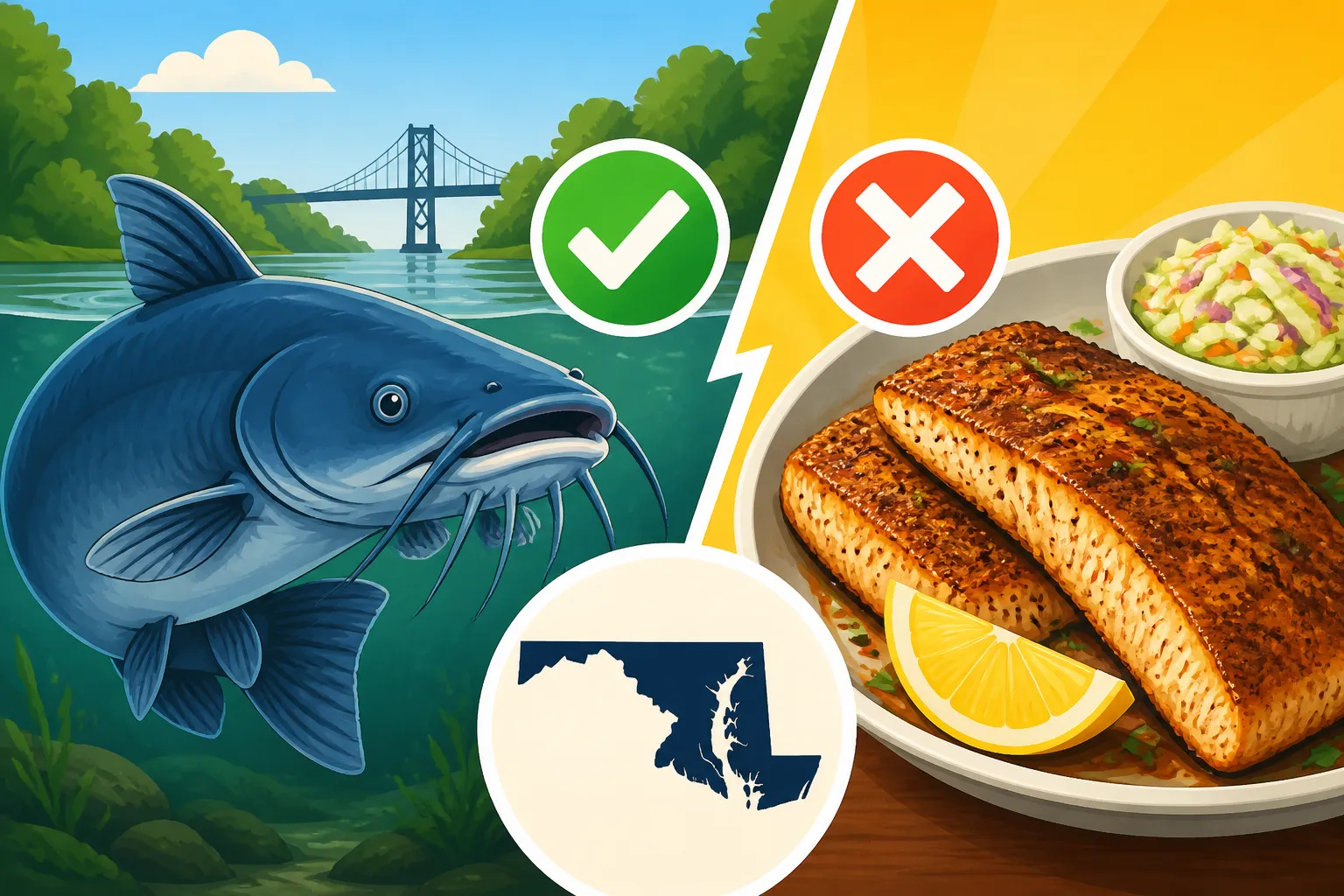
There's a lot of chatter these days about blue catfish in Maryland's rivers, and for good reason. These massive, non-native fish have really made themselves at home, from the tidal Potomac to the upper Chesapeake Bay tributaries. This naturally leads many anglers to wonder: "Are blue catfish actually good to eat from Maryland rivers?" It’s a totally valid question, especially when you consider their reputation as an invasive species. Many folks are hesitant about eating freshwater fish, worried about a "muddy" taste or unknown contaminants. But let me tell you, when it comes to Maryland blue catfish, you might be in for a delicious surprise that also helps our local ecosystem. This guide will dive deep into why these fish are not only edible but often preferred by those in the know, along with crucial safety and preparation tips.
The Culinary Appeal of Maryland Blue Catfish
When you talk about blue catfish, especially the bigger ones from our Maryland rivers, many people picture something slimy, bottom-dwelling, and maybe not the most appetizing. But that couldn't be further from the truth! These fish, particularly those harvested from cleaner, moving waters, offer a surprisingly delightful culinary experience. It’s a genuine win-win: you get to enjoy a tasty meal, and you're actively helping to manage an invasive species that poses a real threat to our native fish populations. You might have read about Maryland Blue Catfish, an Invasive Giant, and eating them is one of the most direct ways to help.
Taste and Texture Profile
Let's cut right to it: Maryland blue catfish are delicious. Their flesh is typically white, firm, and flaky, with a mild, almost sweet flavor. It’s not "muddy" or "fishy" in the way some people associate with certain freshwater species. In fact, many anglers and seafood enthusiasts find blue catfish meat superior to even some popular saltwater fish. The texture holds up well to various cooking methods, making it incredibly versatile in the kitchen.
Imagine a beautiful, thick fillet from a 5-10 pound blue catfish caught out of the upper Potomac River. The meat is pristine white, not unlike cod or even a milder rockfish. When cooked, it flakes apart easily but doesn't turn mushy. If you’ve ever enjoyed fried whiting or baked flounder, you’ll find blue catfish to be right in that same delicious wheelhouse, perhaps even with a bit more substance. The key is often the size of the fish and the water quality. Smaller to medium-sized fish (say, under 15 pounds) tend to have the best texture and mildest flavor, though larger ones are certainly edible, just sometimes a bit tougher.
Health Benefits and Sustainability
Beyond the great taste, there's a strong environmental argument for eating Maryland blue catfish. As an invasive species, blue catfish are voracious predators that compete with and consume native fish, crabs, and even oysters. By catching and eating them, you're directly contributing to the health of the Chesapeake Bay and its tributaries. It's a truly sustainable seafood choice because there's virtually no limit on how many you can take. In fact, Maryland's Department of Natural Resources (DNR) actively encourages anglers to harvest them, and you'll find there's Maryland Blue Catfish Limit, or Lack of One.
From a health perspective, blue catfish are generally considered a lean protein source. Many studies on invasive catfish in the region have shown that they often have lower mercury levels compared to other longer-lived, top-of-the-food-chain predators found in the same waters. This is partly due to their diet and relatively faster growth rates. Of course, general advisories about fish consumption always apply, and it's always wise to check current guidelines from the Maryland Department of the Environment (MDE) for specific waterways, but blue catfish are typically a safer choice regarding contaminants than many might assume. It’s a fantastic way to enjoy fresh, local seafood without the typical guilt or concern associated with overfished native species.
Safety Considerations for Eating River Catfish
While blue catfish are generally a safe and delicious option, it's always wise to be informed about potential safety considerations, especially when sourcing your food directly from wild rivers. The good news is that Maryland’s blue catfish typically fare very well in assessments for consumption, but a little knowledge goes a long way in ensuring your peace of mind and the quality of your meal.
Mercury and Contaminants
It’s natural to worry about what fish from certain rivers might have absorbed from their environment. Freshwater environments, particularly those near urban or industrial areas, can sometimes accumulate contaminants. However, blue catfish, being what's known as an opportunistic omnivore, tend to have a diverse diet that can include a lot of smaller invertebrates and plant matter, in addition to fish. This broad diet, combined with their relatively fast growth and turnover, can sometimes mean they accumulate fewer contaminants like mercury compared to long-lived, solely piscivorous (fish-eating) predators.
The Maryland Department of the Environment (MDE) issues consumption advisories for various fish species in specific waterways across the state. While I can't give you real-time data, it's always a good practice to consult the most current MDE advisories for the specific body of water where you plan to fish. Generally speaking, blue catfish from many of Maryland’s larger rivers, like the Potomac or the tidal sections of the Choptank or Patuxent, are often considered good to eat with very few, if any, restrictions, especially for recreational anglers consuming them regularly. The advisories are usually more stringent for vulnerable populations like pregnant women or young children, and often target specific larger, older fish. For the average angler taking home a few medium-sized blue catfish, concerns are often minimal. This is a topic that comes up a lot, especially when people are wondering Why Blue Catfish Are Considered Invasive in Maryland and what implications that has for consumption.
Preparing for Consumption
Proper handling and preparation are key to ensuring the best taste and safety of any fish, and blue catfish are no exception. The moment a blue catfish comes aboard, it should be iced down immediately. This slows bacterial growth and helps preserve the quality of the meat. A cooler full of ice is your best friend.
When it comes to cleaning, blue catfish are surprisingly easy to fillet, especially if you have a good, sharp knife. Many anglers swear by a strong electric fillet knife to make quick work of these fish, particularly the larger ones with thick skins. Some even remove the skin completely, which helps ensure no residual "muddy" taste (though this is rarely an issue with blue cats). The red meat along the lateral line can also be removed, as this sometimes holds stronger flavors. For best results, aim for clean, white fillets. You can find many instructional videos online that demonstrate efficient filleting techniques for catfish. Remember, thorough cleaning means less waste and a better eating experience.
Best Practices for Catching and Preparing Blue Catfish
If you're eager to try these delicious invaders for yourself, knowing a few best practices can make all the difference. From where you cast your line to how you handle your catch, optimizing these steps will lead to the freshest, most flavorful fillets for your table. And trust me, once you try a perfectly cooked blue catfish, you'll be hooked!
Where to Catch the Best Eating Catfish
Blue catfish are incredibly adaptable and can be found in a wide variety of Maryland waters, from freshwater rivers to brackish sections of the Chesapeake Bay. For the best eating quality, many anglers prefer catching them from areas with good current and relatively clear water. The Potomac River, particularly its tidal sections, is renowned for its abundant blue catfish population, and many consider fish from these waters to be excellent table fare. Other tidal rivers flowing into the Chesapeake Bay, like the Patuxent, Choptank, and Nanticoke, also hold strong populations.
While larger blue catfish can be quite impressive (and there are many tales of How Big Do Blue Catfish Get in Maryland Rivers?), the sweet spot for eating quality is often fish in the 3 to 15-pound range. These fish tend to have firmer, flakier, and milder-tasting meat. Extremely large catfish, while exciting to catch, sometimes have a slightly tougher texture, but they can still be delicious when properly prepared. If you're looking for specific locations, Best Spots to Catch Blue Catfish on the Potomac can give you a great head start. Anglers often find success fishing channel edges, deep holes, and around submerged structure using simple bottom rigs.
Cleaning and Filleting for the Table
Once you've landed your blue catfish, getting it from the water to your plate with optimal quality requires a few steps. As mentioned, immediate icing is paramount. Don't let your catch sit in the sun or in a warm livewell. A well-chilled fish fillets much cleaner and tastes better.
When you're ready to fillet, gather your tools: a sharp fillet knife (electric or manual), a sturdy cutting board, and plenty of fresh water for rinsing. The skin of a blue catfish is tough and slick, so many anglers choose to remove it entirely rather than scale the fish. Here’s a basic approach:
- Secure the Fish: Place the fish on its side on your cutting board.
- Head Cut: Make a deep cut behind the pectoral fin, down to the backbone, but don't cut through the backbone.
- Lateral Cut: Turn your knife flat and run it along the backbone towards the tail, separating the fillet.
- Rib Cage: Cut around the rib cage.
- Skin Removal: Lay the fillet skin-side down. Hold the tail end firmly, and angle your knife slightly down towards the cutting board. Slice the meat away from the skin using a sawing motion.
- Trim: Remove any dark red meat along the lateral line and any remaining fat or bloodlines. This ensures the mildest flavor.
Rinse your clean fillets in cold water, pat them dry, and they're ready for cooking or freezing. For freezing, vacuum sealing is ideal to prevent freezer burn and preserve that fresh taste. You can often find great fillet knives and vacuum sealers on Amazon that make this process a breeze.
Delicious Ways to Cook Blue Catfish
Now for the fun part: turning those beautiful, clean fillets into an incredible meal! The versatility of blue catfish meat means you're not limited to just one or two cooking methods. Its firm texture and mild flavor make it a fantastic canvas for a wide range of culinary styles.
Popular Cooking Methods
Blue catfish shines in several classic preparations. Here are a few favorites:
- Frying: This is arguably the most popular way to enjoy blue catfish, especially in the South, and for good reason. A light cornmeal or seasoned flour breading, deep-fried until golden brown and crispy, perfectly complements the mild, flaky white meat. It’s a comfort food classic that’s hard to beat.
- Grilling: For a healthier and equally delicious option, grilling blue catfish fillets is fantastic. Marinate them in a lemon-herb mixture or a simple Old Bay seasoning blend, then grill over medium-high heat until cooked through and slightly charred. The firmness of the meat holds up wonderfully on the grill.
- Baking/Broiling: If you prefer a hands-off approach, baking or broiling fillets with butter, garlic, and your favorite spices results in moist, tender fish. A foil packet can keep the fillets incredibly juicy and infuse them with flavor.
- Pan-Searing: A quick pan-sear in a hot skillet with a bit of butter or oil creates a beautiful crust while keeping the interior flaky. This method is excellent for showcasing the fish's natural flavors.
No matter your preferred method, remember not to overcook the fish. Blue catfish, like most white fish, cooks quickly. Overcooking will dry it out and diminish its delicate texture. Cook until the flesh is opaque and flakes easily with a fork.
Recipe Ideas and Flavor Pairings
The mild flavor of blue catfish makes it incredibly adaptable to various cuisines. Here are some ideas to get your culinary creativity flowing:
- Southern Fried Catfish: A classic for a reason! Dredge fillets in a mixture of cornmeal, flour, and generous amounts of salt, pepper, garlic powder, onion powder, and paprika. Fry in hot oil until golden brown. Serve with hushpuppies, coleslaw, and tartar sauce. This is probably the most iconic way to enjoy it.
- Blackened Blue Catfish: For those who love a spicy kick, blackening is perfect. Coat fillets generously with a Cajun or blackening seasoning blend (ensure it contains plenty of cayenne pepper and other spices), then sear in a screaming hot cast-iron skillet with a little butter or oil until a dark crust forms. Serve with dirty rice or a fresh salsa.
- Catfish Tacos: Flake cooked blue catfish (fried, grilled, or baked) into soft tortillas. Top with shredded cabbage, a creamy chipotle sauce, fresh pico de gallo, and a squeeze of lime. It's a fresh, vibrant meal that's always a crowd-pleaser.
- Fish Stew or Gumbo: The firm flesh of blue catfish stands up well to simmering in stews or gumbo without falling apart. Cut the fillets into chunks and add them towards the end of the cooking process to avoid overcooking.
You'll quickly find that once you get past any initial reservations, Maryland blue catfish is not only a fantastic table fish but also a responsible choice for our ecosystem. So next time you're out on the water, consider targeting these invaders. You'll be doing a service to the Bay and bringing home a delicious dinner. And don't forget, if you're looking for gear to land these big guys, knowing Best Time of Year to Catch Blue Catfish in Maryland can help ensure a successful trip!
| Cooking Method | Best For | Flavor Profile | Preparation Notes |
|---|---|---|---|
| Frying | Crispy exterior, flaky interior | Mild, savory, can be spiced | Use cornmeal or seasoned flour; don't overcrowd fryer. |
| Grilling | Healthier option, smoky flavor | Mild, smoky, pairs well with marinades | Marinate short time, medium-high heat, don't overcook. |
| Baking/Broiling | Moist, tender fillets | Mild, can absorb herb/citrus flavors | Use foil packets for moisture; season generously. |
| Pan-Searing | Quick cook, nice crust | Mild, rich from butter/oil | Hot skillet is key for a good sear. |
Whether you're fishing on a lazy afternoon or actively helping to curb the population of this invasive species, blue catfish offer a compelling reason to head out to Maryland's rivers. They're a truly underrated culinary gem, and by eating them, you're becoming a part of the solution for the Chesapeake Bay. So, grab your rod, find some Best Bait for Blue Catfish in Maryland Rivers, and get ready to enjoy some of the best-eating fish Maryland has to offer! Don't forget, if you're wondering about keeping other invasive species, you might be interested in Is It Legal to Release a Blue Catfish in Maryland? or even Techniques for Catching Snakehead in Maryland.
Disclaimer
This article is for general informational purposes only and does not constitute professional advice. Laws, prices and regulations vary by location and change over time. Consult a qualified professional for guidance on your specific situation.