Best Bait for Blue Catfish in Maryland Rivers
One of the biggest head-scratchers for any angler hitting Maryland's rivers is figuring out what bait will actually entice those often elusive, yet incredibly powerful, blue catfish. It can be frustrating to spend hours casting without a single bite, especially when you know these waters are teeming with big ones. This comprehensive guide will walk you through everything you need to know about the best baits for blue catfish in Maryland rivers, helping you put more of these hard-fighting fish in your net.
Understanding Blue Catfish Behavior and Diet
Before we even talk about specific baits, it’s crucial to understand what makes a blue catfish tick. These aren't your dainty little panfish; they're apex predators and opportunistic scavengers with a highly developed sense of smell. Knowing their natural instincts will guide your bait choices and ultimately lead to more success on the water.
Why Blue Catfish Are So Aggressive
Blue catfish are voracious eaters, and it's one of the reasons they've become such a dominant, and frankly, problematic, invasive species in many of Maryland's waterways, particularly the Potomac and some tributaries of the Chesapeake Bay. They're constantly on the hunt for food, and their diet is incredibly diverse, ranging from small fish and crustaceans to mussels and even detritus. This aggressive feeding behavior means they're often willing to hit a wide variety of baits, but some are definitely more effective than others. They're not particularly picky, but they are certainly attracted to strong scents and readily available food sources. This is why knowing what they naturally prefer, or what stands out, is key. If you're wondering, Maryland Blue Catfish, an Invasive Giant delves deeper into their impact and prevalence in the state.
Their Reliance on Scent and Vibration
Unlike some game fish that rely heavily on sight, blue catfish are primarily scent feeders. Their entire body is covered in chemoreceptors, and their barbels (whiskers) are packed with taste buds, allowing them to detect even minute traces of food in the water. This is why "stinky" baits often work so well – they create a powerful scent trail that blue catfish can follow from a significant distance, even in murky conditions. Beyond scent, they're also sensitive to vibrations. A struggling baitfish or a piece of cut bait bouncing along the bottom can send out subtle signals that these curious bottom-dwellers pick up, making them investigate further. Think about how they navigate dark, deep river channels; sound and smell are their primary tools.
The Reigning Kings: Natural Cut Baits
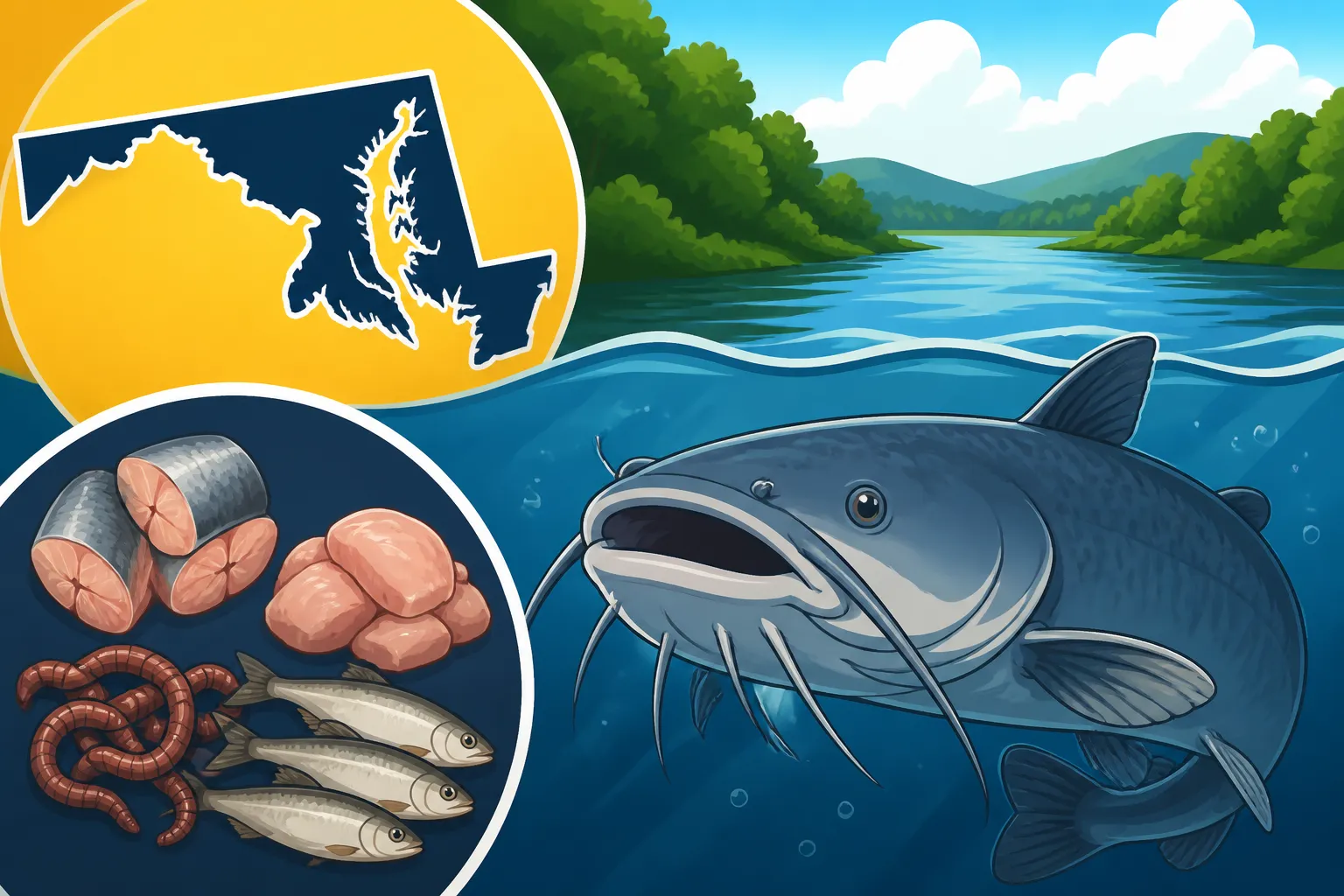
When it comes to consistently catching blue catfish in Maryland rivers, fresh cut bait stands head and shoulders above almost everything else. It perfectly taps into their opportunistic nature and their incredible sense of smell. Forget the fancy lures for a moment; a simple chunk of fresh fish is often all it takes.
The Power of Fresh Cut Bait
There's an old saying among catfishermen: "The fresher the cut bait, the better." This holds especially true for blue catfish. Freshly cut pieces of fish bleed into the water and release powerful oils and scent compounds that blue catfish simply can't resist. The natural oils and blood create a chum line that draws fish in from a distance, essentially putting out a dinner bell for any hungry blue cat in the vicinity. Don't be tempted to use old, freezer-burnt bait; it drastically reduces your chances. Aim for bait that's as fresh as you can get it, ideally caught the same day.
Choosing the Right Cut Bait Species
- Gizzard Shad: If you can find it, gizzard shad is gold. It's oily, bloody, and a natural food source for blue catfish in many river systems. It's often difficult to find commercially, so catching your own with a cast net is usually the best approach. A fresh gizzard shad fillet cut into strips or chunks is incredibly effective.
- Alewife/River Herring: Similar to shad, alewife and river herring are oily and shed plenty of scent. While their populations are managed, if legally sourced, they make excellent cut bait.
- White Perch: These are abundant in many of Maryland's tidal rivers and are relatively easy to catch. A freshly caught white perch, cut into strips or steaks, is a fantastic blue catfish attractor. They're meaty and provide a good strong scent. You might even catch a few for dinner before you start cutting them up for bait!
- Panfish (Bluegill, Crappie): If you're fishing in freshwater impoundments or less tidal sections, bluegill and crappie make excellent cut bait. They're readily available and have a decent oil content to attract blues. Just make sure you check local regulations on using game fish as bait.
- Carp: Common carp are often overlooked but are superb cut bait. They're oily, readily available in many blue catfish waters, and their flesh holds up well on the hook. Fillet a carp and cut it into 1-2 inch chunks, leaving the skin on for durability.
- Spot & Croaker: If you're fishing further down in the tidal rivers where saltwater influence is stronger, spot and croaker are excellent choices. They're natural forage for blue catfish in these areas and are very effective, especially when caught fresh.
Cut Bait Preparation and Presentation
Preparing your cut bait correctly can make a big difference. For smaller blue catfish (under 10 pounds), a 1-inch cube or strip is usually sufficient. For targeting trophy-sized blue catfish, don't be afraid to go big – 3-4 inch chunks or even whole small fish (like a 4-6 inch white perch or gizzard shad) can be irresistible to a monster blue.
When you're rigging, ensure your hook point is exposed for a good hookset. For smaller chunks, a single large circle hook (6/0 to 9/0) works well. For bigger pieces, you might opt for a double hook rig or a larger single hook. The key is to keep the bait on the bottom where the catfish are feeding. A simple Bottom Fishing Techniques for Maryland Catfish approach, such as a Carolina rig with a heavy weight, is usually the most effective presentation. This allows the bait to lie naturally on the riverbed, presenting an easy meal.
Lively Options: Using Live Bait
While cut bait is a staple, live bait can sometimes be the ticket, especially for more aggressive blue catfish or in situations where they might be slightly less active. The natural movement and distress signals of a live baitfish can trigger a predatory response that cut bait simply can't replicate.
Preferred Live Bait Species
Similar to cut bait, the best live bait mimics what the blue catfish are already eating in that particular river system. The key here is to keep your bait lively and natural-looking.
- Live Shad (Gizzard or Threadfin): Without a doubt, a live gizzard shad is one of the most effective baits for truly monstrous blue catfish. Their frantic movements send out strong vibrations, and their oily bodies release scent. However, keeping them alive is a challenge, requiring a good bait tank with aeration and proper water conditions.
- Live White Perch: These are a fantastic option in many Maryland tidal rivers. They're hardy and stay alive on a hook much longer than shad. A 4-6 inch white perch hooked through the back (above the lateral line) or through the lips is an irresistible meal for a big blue cat.
- Live Panfish (Bluegill, Sunfish): In non-tidal rivers and reservoirs, small live bluegill or other sunfish are excellent choices. They're tough, stay active, and are a natural food source. Again, always check local regulations regarding the use of game fish as live bait.
- Eels: Believe it or not, eels can be a surprisingly effective bait for large blue catfish, particularly in the lower tidal sections of rivers. A live eel, hooked through the lips, has incredible drawing power due to its wriggling action and natural scent. They're tough and can withstand a lot of abuse from eager catfish.
Live Bait Rigging and Presentation
When fishing live bait, the goal is to keep it alive and swimming naturally, but also within the feeding zone of the blue catfish. A heavy Carolina rig or a three-way swivel rig are popular choices. For a Carolina rig, use a weight heavy enough to keep the bait near the bottom, but not so heavy that it pins the bait down completely. A 1-2 foot leader of sturdy monofilament or fluorocarbon (40-80 lb test, depending on the size of fish you're targeting) is usually appropriate. Hook your live bait through the back or lips, ensuring the hook doesn't damage its spine or gills, which would quickly kill it. When casting live bait, do so gently to avoid dislodging or injuring your fish. The idea is to let it swim naturally, signaling its presence to hungry blue catfish lurking nearby.
The Stink Bait, Prepared Bait, and Artificial Lure Brigade
While natural baits often steal the show, there's a time and a place for prepared baits and even some artificial lures when targeting blue catfish. These options can be incredibly convenient or, in specific situations, surprisingly effective.
The Allure of Stink Baits
Stink baits are designed to do exactly what their name suggests: stink. They are formulated to release a powerful, often pungent, scent trail that mimics decaying organic matter or concentrated fish oils, which blue catfish find irresistible. Many anglers turn to them when fresh bait isn't available or when they want a bait that stays on the hook longer.
Types of Stink Baits
- Punch Baits: These are thick, sticky concoctions typically made from cheese, blood, and other strong-smelling ingredients. They are usually "punched" onto a treble hook or a specialized bait holder hook using a stick or tool. Brands like Catfish Charlie and Sonny's Super Sticky are well-known, and you can often find a good selection on platforms like Amazon. They excel in warmer water when catfish are very actively feeding by scent.
- Dip Baits: Similar in scent profile to punch baits but with a thinner consistency. Dip baits require a specific "bait worm" or sponge attached to your hook, which you then dip into the jar of bait. The sponge soaks up the bait, slowly releasing its potent aroma. Some anglers swear by dip baits in slow-moving water, where the scent can disperse effectively.
- Commercial Pre-made Baits: These include various forms of prepared catfish baits, often in nugget, pellet, or cut bait form, enhanced with potent attractants. Some popular ones are from companies like Berkley (PowerBait Catfish Chunks) or Uncle Josh (Meat Strips). While not always as effective as fresh cut bait, they are incredibly convenient and mess-free. Many of these pre-made options are widely available at local tackle shops and online retailers like Amazon. They can be a great choice for casual outings or when targeting smaller blue catfish.
When Artificial Lures Shine
Typically, blue catfish aren't targeted with artificial lures in the same way you'd fish for bass or striped bass. Their feeding behavior is more geared towards scavenging the bottom. However, there are exceptions, especially when you encounter an aggressive school or are fishing specifically for them in certain conditions.
Jigging and Trolling for Active Blues
In situations where blue catfish are actively schooled up and feeding aggressively, particularly around structure or deep channels, jigging or even slow trolling can sometimes provoke strikes. Large soft plastic swimbaits, especially those with a strong thumping tail, or even heavy bucktail jigs tipped with a strip of cut bait, can work. The vibration and profile might mimic a fleeing baitfish. These instances are less common than static bait fishing, but it's worth experimenting if you see active fish on your sonar or during a feeding frenzy. Think of it as triggering an instinctual chase response rather than a scent-driven investigation.
Mastering Bait Presentation and Strategy
Having the best bait is only half the battle. Presenting it effectively and understanding where and when to fish are equally crucial for consistent success with blue catfish in Maryland rivers.
Essential Rigging Techniques
Your choice of rig will largely depend on the water conditions, current, and the size of bait you're using. The goal is always to keep your bait in the strike zone—the bottom of the river.
- The Carolina Rig: This is the undisputed champion for blue catfish fishing. It consists of a weight (egg sinker or no-roll sinker) sliding freely on your main line, followed by a swivel, and then a leader (1-3 feet) ending with your hook. The sliding weight allows the catfish to pick up the bait without feeling immediate resistance, which can lead to dropped baits. The leader length can be adjusted; a longer leader allows the bait to waft more naturally in the current, while a shorter one keeps it tighter to the bottom in strong currents. This rig is simple, effective, and versatile for both cut bait and live bait.
- The Three-Way Swivel Rig: Also known as a "dropper rig," this setup uses a three-way swivel. Your main line ties to one eye, a leader to your hook (usually 1-2 feet) ties to a second eye, and a shorter leader (6-12 inches) to your sinker ties to the third eye. This rig keeps your bait slightly off the bottom, which can be advantageous in snaggy areas or when blue catfish are feeding just above the substrate. It's particularly useful when Fishing the Potomac for Blue Catfish where current and structure can vary greatly.
- The Santee Cooper Rig: This is a variation of the Carolina rig, popular in the Carolinas but effective wherever blue cats roam. It adds a small float (a "peg float" or small cigar float) on the leader, just above the hook. This float lifts your bait slightly off the bottom, preventing it from getting lost in mud or snags, and allows it to drift enticingly in the current. It's great for presenting cut bait in softer bottoms.
Chumming and Scent Trails
To maximize your chances, consider creating a scent trail. Blue catfish are drawn to concentrations of food, and a little chumming can effectively gather fish in your area.
- Homemade Chum: You can easily make chum by grinding up oily fish scraps, old bait, or even dry dog food (soaked in water and fish oil). Place this mixture in a mesh bag (like an onion sack) and deploy it upstream from your fishing spot, allowing the scent to drift down to where your baits are presented.
- Commercial Chum Blocks: Many tackle shops offer frozen chum blocks, often made from menhaden. These are convenient and effective. Deploy them in a chum pot or mesh bag to slowly release scent into the water column.
- Cut Bait Dispersal: Even just frequently recasting fresh cut bait, or periodically throwing out small scraps of your cut bait, can act as a form of chumming, enhancing the scent in your fishing area. Remember that blue catfish have an incredible sense of smell, so even a small amount of concentrated scent can make a big difference.
Location, Structure, and Timing
Knowing where blue catfish hang out is just as important as knowing what they eat. They are structure-oriented fish that prefer deeper water and areas with current breaks.
- Deep River Channels and Holes: Blue catfish love the deepest parts of the river. Use your sonar to locate old river channels, deep holes, and depressions. These areas often hold large concentrations of fish.
- Channel Edges and Drop-offs: The edges where shallow water suddenly drops into deeper channels are prime ambush points. Blue catfish will patrol these edges, waiting for food to drift down or unsuspecting baitfish to pass by.
- Bridge Pilings and Submerged Structure: Any submerged structure—bridge pilings, fallen trees, rock piles, old foundations—provides cover and current breaks where blue catfish can rest and ambush prey. Cast your baits as close to these structures as possible without getting snagged.
- Confluence of Rivers/Creeks: Where a smaller creek or river flows into a larger one, you often find a concentration of food and varied currents, making these excellent blue catfish spots.
- Best Time of Day: While blue catfish can be caught throughout the day, they are often most active during low light conditions—dawn, dusk, and especially at night. Their superior sense of smell and ability to navigate in the dark gives them an advantage. However, during cooler months or overcast days, they can be caught consistently during daylight hours in deeper water. For a full breakdown on timing, check out Best Time of Year to Catch Blue Catfish in Maryland.
Bait Sourcing, Storage, and Legality
Before you even get to the water, you need to think about how you'll acquire, store, and legally use your chosen baits. Responsible bait handling is crucial for both success and conservation.
Sourcing Your Bait
The best way to get fresh cut bait is to catch it yourself. A cast net is an invaluable tool for catching gizzard shad, alewife, and even small white perch in tidal rivers. Small hooks with tiny pieces of bloodworm or Fishbites can yield a quick supply of white perch. For larger baitfish like carp, a rod and reel with corn or dough balls is effective.
If self-sourcing isn't an option, many local tackle shops in Maryland will carry frozen baitfish like shad, spot, or even bunker. When purchasing, always ask for the freshest stock available and inspect it for freezer burn. For prepared baits, local shops are a good start, but online retailers like Amazon offer a broader selection of specialized stink baits and commercial options that might not be available everywhere.
Keeping Your Bait Fresh and Lively
Maintaining the quality of your bait is paramount.
- Cut Bait: Keep cut bait on ice in a cooler. The colder it is, the slower it will degrade and lose its potency. If you're using bait you've filleted yourself, consider vacuum sealing and freezing any unused portions immediately to maintain freshness for future trips.
- Live Bait: This is where it gets tricky. Live bait requires a well-aerated bait tank or cooler with a battery-powered aerator. Keep the water temperature stable and similar to the water you'll be fishing in. Avoid overcrowding the tank, as this stresses the fish and depletes oxygen. A healthy, lively baitfish is far more attractive than a sluggish, dying one.
Legal Considerations for Bait Use in Maryland
Maryland has specific regulations regarding the use of bait, especially live bait and certain species. It's your responsibility to know and adhere to these rules.
- Invasive Species: Maryland's Department of Natural Resources (DNR) has strict rules regarding invasive species like blue catfish and snakehead. For instance, it's illegal to transport live snakeheads. While you're allowed to use certain fish as bait, make sure you're not inadvertently contributing to the spread of invasives. Always check the current Maryland DNR fishing guide for the latest regulations.
- Game Fish as Bait: There are often restrictions on using regulated game fish species as bait, especially if they are undersized or during closed seasons. For example, using a protected species of striped bass (rockfish) as bait would be illegal. Always verify which species can be used as bait in the waters you're fishing.
- Collection Methods: Regulations also cover how you can collect bait, such as cast net size limits or whether seining is permitted.
A table summarizing some popular bait options:
| Bait Type | Pros | Cons | Ideal Use Case |
|---|---|---|---|
| Fresh Cut Shad | Extremely high scent, very effective | Hard to source, messy | Targeting large blue catfish in any conditions |
| Fresh Cut Perch | Readily available, decent scent | Can be less oily than shad | General blue catfish fishing in tidal rivers |
| Live Shad | Irresistible movement, very effective | Difficult to keep alive, hard to source | Targeting trophy blue catfish, active periods |
| Live Perch | Hardy, good movement | Less active than shad | General blue catfish fishing, longer soak times |
| Chicken Liver | Easy to find, inexpensive, strong scent | Falls off hook easily, very messy | Moderate blue catfish activity, light current |
| Stink Baits | High convenience, long lasting | Less natural, scent can be overpowering | Casual fishing, when live/cut bait is unavailable |
| Prepared Baits | Clean, easy to use, widely available | Less natural, varying effectiveness | Beginner anglers, convenience, targeting smaller cats |
Advanced Tips and Troubleshooting Your Bait Strategy
Even with the best baits, sometimes the fish just aren't biting. That's part of fishing! But there are ways to troubleshoot and adapt your approach to entice those stubborn blue catfish.
When Your Go-To Baits Aren't Working
It happens to everyone. You've got your favorite cut bait, you're in a good spot, and… nothing. Don't throw in the towel!
- Change Bait Size: If you're using large chunks for trophy cats and getting no bites, try scaling down to smaller pieces. Conversely, if you're only catching smaller fish, try a bigger offering to deter the little ones and attract the giants.
- Experiment with Different Species: If white perch isn't working, try shad. If shad is scarce, maybe some carp or even a chunk of blue crab (if legal and available) could do the trick, especially in brackish waters. Remember, variety is the spice of life for a blue catfish too.
- Vary Presentation: If your bait is sitting still on a Carolina rig, try a Santee Cooper rig to lift it slightly. If you're using live bait, try fishing it in a different part of the water column if you suspect the fish aren't hard on the bottom. Sometimes just a slight change in how the bait moves or where it sits can make all the difference. Consider if the current is too strong or too weak for your current setup, requiring a heavier or lighter weight.
- Add an Attractant: Some anglers swear by liquid scent attractants applied directly to their bait, even fresh cut bait. While fresh bait has its own scent, a dab of concentrated fish oil or a specialized catfish attractant (found on Amazon or at tackle shops) might provide that extra boost, especially in stained water. Just don't overdo it!
- Move Your Spot: Sometimes, the fish just aren't there. If you've given a spot a good half-hour to an hour without a bite, especially after trying different baits, it's time to relocate. Blue catfish, especially larger ones, can be quite migratory, moving with bait schools or current shifts.
Seasonal Considerations for Bait Choice
Blue catfish behavior and preferences can shift with the seasons, largely driven by water temperature and spawning cycles.
- Spring (Pre-spawn and Spawn): As water temperatures rise in spring, blue catfish become very active and aggressive as they prepare to spawn. This is a prime time for large, fresh cut baits and live baits. They are packing on weight and can be incredibly hungry. The spawning typically occurs when water temperatures reach the mid-70s.
- Summer: During the heat of summer, blue catfish might move into deeper, cooler water. Their metabolism is high, so they're still eating a lot, but they might be less willing to chase. Strong-smelling baits that can draw them out of their hiding spots are key. Night fishing becomes particularly effective, as blue cats often move into shallower areas to feed under the cover of darkness.
- Fall: As water temperatures cool, blue catfish start to feed heavily again, building reserves for winter. Similar to spring, this is an excellent time for fresh cut bait and live bait. They can be found throughout the water column, often actively chasing baitfish.
- Winter: In colder months, blue catfish often congregate in large schools in the deepest, most stable water they can find—think major river channels and deep holes. Their metabolism slows, but they still need to eat. Presenting smaller, concentrated baits right on their noses can be effective. They might not move far for a meal, so accurate casting is important.
Understanding Maryland's 2026 Striped Bass Season Dates or Maryland Rockfish Slot Limit Explained might indirectly inform you of baitfish movements that blue cats also key in on, as many bait species are shared across predator fish. Also, keep in mind rules around Maryland Invasive Fish Rules: Blue Catfish and Snakehead for ethical and legal compliance.
Don't Forget the Experience
While catching fish is undeniably exciting, remember that fishing is also about the experience. Spending time on Maryland's beautiful rivers, whether it's the mighty Potomac, the Patuxent, or a smaller tributary, is a reward in itself. The thrill of the tug on the line, the peace of the outdoors, and the satisfaction of mastering a new technique—these are the real trophies.
Armed with this knowledge of the best baits and strategies, you're well on your way to a successful blue catfish outing. Remember, patience is a virtue, and experimenting with different baits and presentations will undoubtedly improve your results over time. Tight lines!
Disclaimer
The information provided in this guide is for general informational purposes only and is not intended as legal advice. Fishing regulations in Maryland are subject to change, and it is the sole responsibility of the angler to consult the latest official Maryland Department of Natural Resources (DNR) fishing guide and local regulations before engaging in any fishing activities. Always adhere to all applicable laws and practice safe and ethical fishing.