What Fish Live Only in Maryland’s Cold Mountain Streams?
There's a special kind of magic in casting a line into a pristine, cold mountain stream in Maryland, but it can be really confusing to know what you might actually catch that truly belongs there. So many streams get stocked, making it hard to discern native species from those introduced. This guide will help you understand the unique fish species that genuinely only call Maryland's chilly, high-altitude waters home, shedding light on their unique characteristics and the vital role these precious habitats play.
The Unique Ecosystem of Maryland's Mountain Streams
Maryland might be known for its vast Chesapeake Bay and sprawling tidal rivers, but venture west, and you'll discover a completely different world: the rugged Appalachian Mountains. Here, tucked away in shaded valleys and flowing over ancient rock formations, are the cold mountain streams that harbor some of the state's most unique aquatic life. These aren't your typical slow-moving, warm-water creeks found closer to the Bay; these are vibrant, oxygen-rich arteries essential for very specific fish species.
Defining "Cold Mountain Streams" in Maryland
When we talk about "cold mountain streams" in Maryland, we're primarily referring to the headwater tributaries and smaller river systems found in the westernmost counties, particularly Garrett and Allegany, and parts of Frederick and Washington counties. These streams originate from high elevations, fed by springs and snowmelt, which keeps their water temperatures consistently low, often well below 65°F even in the peak of summer. This sustained cold temperature is absolutely critical. It means these waters can hold a high concentration of dissolved oxygen, a non-negotiable requirement for the fish that thrive here.
Think about the difference between a sluggish, muddy stream in the coastal plain versus a crystal-clear, bubbling brook tumbling over rocks in Savage River State Forest. The substrates are different – rocky bottoms with gravel and cobble, rather than silt and sand. The canopy cover is usually much denser, provided by mature deciduous and evergreen forests, which further shades the water and prevents it from heating up. This specific combination of cold, clear, oxygenated water, stable rocky substrate, and dense riparian vegetation creates a truly specialized niche. These conditions are so specific that many fish species simply cannot survive in them, while others absolutely depend on them for their very existence.
Why These Waters Are So Special for Fish
These cold mountain streams are like ecological islands. Because of their isolation and specific environmental demands, they often host species that can't compete or survive in warmer, more nutrient-rich, or less oxygenated waters. The fish that live here have adapted over millennia to these conditions, developing specific tolerances and life cycles that wouldn't work elsewhere in the state. For instance, cold water slows down the metabolism of fish, requiring less food but also meaning slower growth rates.
The pristine nature of these headwaters also means they often have fewer predators from warmer waters, giving native species a fighting chance. They serve as critical refuges for biodiversity, preserving genetic strains that might otherwise be lost. For anglers, these streams represent a chance to connect with Maryland's wild, untouched natural heritage, far from the hustle and bustle of the bigger rivers and the Bay. They are delicate ecosystems, highly sensitive to changes in temperature, sedimentation, and pollution, making their preservation paramount. Understanding the unique characteristics of these streams helps us appreciate the rare and special fish that depend entirely on them.
The Native Stars: Fish That Thrive Exclusively Here
When we talk about fish that only live in Maryland's cold mountain streams, we're really focusing on a very specific, and quite special, group. While many fish prefer cold water, only one truly native salmonid makes these conditions its exclusive Maryland home, unable to survive long-term in the warmer, less oxygenated waters found elsewhere in the state.
The Elusive Brook Trout: Maryland's Only Native Salmonid
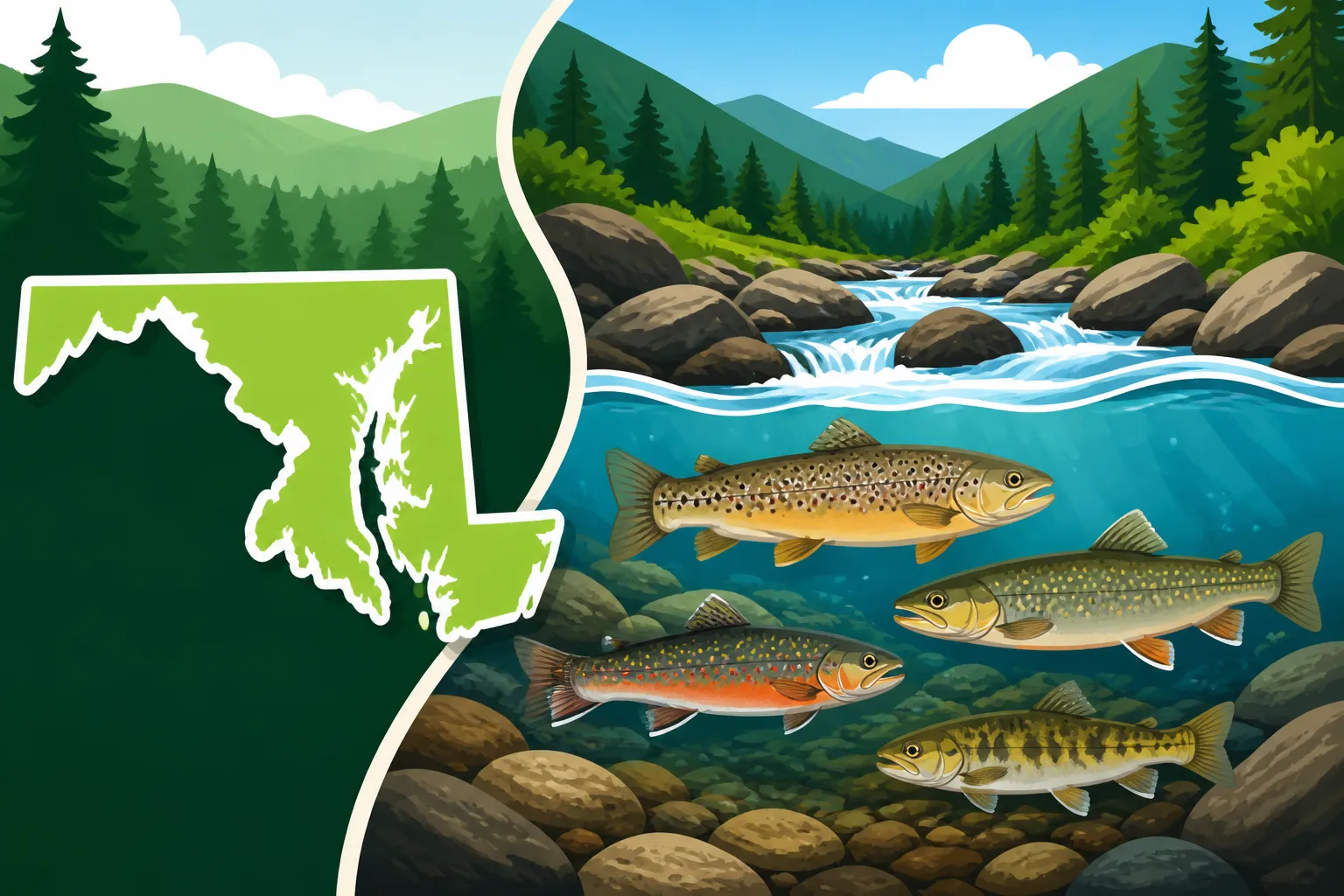
Without a doubt, the star of Maryland's cold mountain streams is the Eastern Brook Trout (Salvelinus fontinalis). This fish isn't just found in cold mountain streams; it requires them. It's Maryland's only native salmonid, and its presence is often considered a barometer for stream health. Unlike the Rainbow and Brown Trout, which are extensively stocked throughout the state, brook trout are truly indigenous to the Appalachian region. You won't find self-sustaining, wild populations of brook trout anywhere else in Maryland beyond these cold, clear, headwater streams. Many folks wonder, Are Brook Trout Native to Western Maryland? — and the answer is a resounding yes! They've been here for thousands of years.
These beautiful fish are easily recognizable by their dark green to brownish bodies, speckled with distinctive red spots (often with blue halos) and light worm-like markings on their backs and dorsal fins. Their lower fins are edged with white, followed by black and then orange-red, creating a striking visual. What makes them so exclusive to these mountain streams is their extreme sensitivity to water temperature and quality. If water temperatures consistently rise above 68°F, they become stressed and eventually die. They also need very clean, well-oxygenated water with stable, rocky streambeds for spawning. Sedimentation from development or logging can smother their eggs, decimating populations.
Finding a wild brook trout is a badge of honor for many Maryland anglers, and it truly feels like stepping back in time. These fish are often smaller than their stocked counterparts, but their vibrant colors and wild spirit are unmatched. They're a testament to the pristine nature of the streams they inhabit. If you want to learn more about where these resilient fish can still be found, you might find our guide on Where Do Wild Brook Trout Survive in Maryland? really helpful. Protecting these delicate wild populations means not just preserving the fish, but preserving the very essence of Maryland's mountain wilderness.
| Fish Species | Native to Maryland? | Exclusive to Cold Mountain Streams (Self-Sustaining)? | Key Characteristics | Conservation Status (General) |
|---|---|---|---|---|
| Brook Trout | Yes | Yes (Wild populations) | Dark green/brown, red spots with blue halos, white-edged fins, worm-like markings. Very sensitive to warm water. | Sensitive, focus on habitat |
| Rainbow Trout | No (Introduced) | No (Stocked widely) | Iridescent band along sides, smaller black spots, often silver in larger waters. Tolerates warmer water than brook trout. | Abundant (via stocking) |
| Brown Trout | No (Introduced) | No (Stocked widely) | Larger, fewer spots (red and black), often with a yellow-brown hue. More tolerant of slightly warmer water and pollution. | Abundant (via stocking) |
| Blacknose Dace | Yes | No (Found in many cool, clear streams) | Small, slender, dark lateral stripe. Prefers clear, cool water but not exclusive to mountains. | Stable |
| Mottled Sculpin | Yes | No (Found in various cool, rocky streams) | Bottom-dwelling, large head, mottled coloration for camouflage. Prefers rocky bottoms. | Stable |
Other Coldwater Species That Share the Habitat
While the Brook Trout stands alone as the truly exclusive native salmonid to these specific cold mountain stream environments in Maryland, it's worth noting that other native fish species also thrive in these conditions. They are integral parts of the ecosystem, sharing the pristine waters and contributing to the overall biodiversity, even if they aren't limited solely to these particular streams across the entire state. These are often smaller, less sought-after by anglers, but ecologically vital.
For example, various species of dace, such as the blacknose dace, and sculpins, like the mottled sculpin, are common residents. These smaller fish often occupy the nooks and crannies of the streambed, feeding on aquatic insects and serving as a food source for larger predators, including the brook trout. They are highly adapted to life in swift currents and cold water, often blending in perfectly with the rocky substrate. You might also find certain types of minnows that prefer these cooler, clearer environments. These species, while not having the same strict habitat exclusivity as the wild brook trout, are undeniable indicators of healthy coldwater stream ecosystems. Their presence, alongside the brook trout, paints a complete picture of the unique aquatic life that makes Maryland's mountain streams so special.
However, it's really important to draw that distinction: while these other fish love cold, clean water and are staples of these mountain streams, they do show up in other types of clear, cool-water streams throughout Maryland. The Brook Trout is the one that truly sets itself apart by requiring these very specific, high-altitude, consistently cold conditions to maintain wild, self-sustaining populations within the state. When you're fishing these western streams, keep an eye out for these smaller inhabitants, too – they're just as much a part of the wild character of these waters. For those looking to explore the best places to find these coldwater gems, a good starting point is our article on Best Trout Streams in Western Maryland.
Threats to Maryland's Cold Mountain Stream Ecosystems
Even though Maryland's cold mountain streams feel remote and pristine, they are far from immune to the pressures of the modern world. These delicate ecosystems are incredibly sensitive, and subtle changes can have devastating, long-lasting impacts on the native fish populations that call them home. It’s a constant battle to protect these vital habitats from a range of threats, both direct and indirect.
Habitat Degradation and Water Quality Challenges
One of the most significant threats to Maryland's cold mountain streams is the degradation of their physical habitat and a decline in water quality. Development, even miles away, can have a ripple effect. When forests are cleared for logging, agriculture, or residential construction, it removes the critical canopy cover that shades the stream. Without this shade, water temperatures rise, pushing them beyond the tolerable limits for sensitive species like the brook trout. This increase in temperature alone can wipe out entire populations, as they literally "cook" in their own home. It’s a frustration many local anglers feel when they see construction encroach on once-wild areas.
Beyond temperature, these land-use changes also lead to increased sedimentation. Eroded soil washes into the streams, silting up rocky bottoms and smothering the gravel beds where brook trout lay their eggs. This not only destroys spawning habitat but also clogs the gills of aquatic insects, which are a primary food source for the trout. Chemical runoff from farms (pesticides, fertilizers) and residential areas (lawn chemicals, even car washing soaps) can pollute the water, introducing toxins that fish and other aquatic life cannot tolerate. Even something as seemingly minor as a septic system malfunction can introduce harmful bacteria and nutrients. These challenges are often invisible until it's too late, making constant vigilance and watershed protection efforts absolutely critical. Finding durable gear, like a sturdy pair of wading boots you might purchase from a reliable online retailer like Amazon, is essential for exploring these areas safely and minimizing your own impact.
The Impact of Invasive Species and Stocking Practices
Another major challenge facing Maryland's native cold-mountain fish is the presence of invasive species and, ironically, even some well-intentioned stocking practices. Non-native fish, often introduced accidentally or deliberately by anglers, can outcompete native species for food and habitat, or even prey on them directly. While not always exclusive to mountain streams, species like certain types of aggressive minnows or warm-water fish that move upstream during high water events can disrupt the delicate balance.
More directly impactful, however, is the widespread stocking of non-native trout species, particularly Rainbow and Brown Trout. While stocking provides fantastic fishing opportunities for many anglers in "put-and-take" fisheries, it can pose a threat to wild brook trout populations when not managed carefully. Rainbow and Brown Trout tend to be more aggressive, grow faster, and are often more tolerant of slightly warmer water, giving them a competitive edge over smaller, slower-growing native brook trout. There's also the risk of disease transmission from stocked fish to wild populations. Furthermore, interbreeding can occur between stocked fish and wild fish (though less common with brook trout due to species differences, it's a concern in other regions), diluting the genetic purity of native strains. This is why Maryland's DNR Fishing and Boating Guide, Explained emphasizes careful management of stocking programs, especially in waters designated as wild trout streams. Ensuring that stocked trout don't colonize and displace native brook trout is a continuous and complex conservation challenge, requiring careful planning and execution.
How Anglers Can Help Protect These Fragile Habitats
Being an angler in Maryland's cold mountain streams isn't just about catching fish; it's about being a steward of these incredibly special and sensitive environments. Our actions, both on and off the water, have a direct impact on the survival of native species like the brook trout. It's a responsibility we share, and there are many practical ways we can contribute to their protection.
Practicing Catch and Release and Responsible Angling
For species like the wild brook trout, practicing responsible catch and release is paramount. These fish grow slowly and are often smaller, meaning every individual is vital for the population's health. When you do catch a brook trout, handle it with extreme care. Keep it in the water as much as possible, use wet hands to minimize the removal of its protective slime coat, and try to minimize the time it's out of the water. Using barbless hooks, or at least pinching down the barbs on your hooks, can significantly reduce injury to the fish, making release much easier and increasing its chances of survival. Our article on Barbless Hook Rules on Maryland Trout Streams goes into detail on why this simple practice is so effective.
Beyond handling, responsible angling also means respecting the stream itself. Stay on established paths to prevent erosion, avoid disturbing the streambed unnecessarily, and always pack out everything you pack in—and then some. Even small pieces of trash can degrade water quality and harm wildlife. Understanding the stream's ecology, such as where fish might be holding or spawning, helps you fish smarter and reduce your impact. Consider using lighter tackle; a sensitive rod and reel, perhaps from a brand you trust on Amazon, allows you to feel the subtle bites without over-fighting smaller fish, which can cause undue stress. It's about minimizing stress on the fish and the habitat so that future generations can experience the same joy of finding these wild, elusive beauties.
Supporting Conservation Efforts and Local Organizations
Beyond personal angling practices, one of the most impactful ways to help protect Maryland's cold mountain streams is by actively supporting conservation efforts. Many local and statewide organizations are dedicated to watershed restoration, stream monitoring, and advocating for policies that protect these fragile ecosystems. Groups like Trout Unlimited, for instance, have local chapters in Maryland that organize stream clean-ups, riparian planting projects (which help shade streams and reduce erosion), and public education initiatives. Contributing your time as a volunteer, or even making a financial donation, directly supports these vital efforts.
You can also be an advocate by staying informed about local environmental issues and voicing your concerns to elected officials when policies might negatively impact coldwater habitats. Simply spreading awareness among your fellow anglers and friends about the importance of these unique streams and the fish that call them home can make a big difference. Buying a Maryland fishing license also contributes to conservation through license fees. Every little bit helps. The more people who understand and care about what fish live only in Maryland's cold mountain streams, the better chance these special places and their incredible inhabitants have for long-term survival.
Disclaimer
This article is for general informational purposes only and does not constitute professional advice. Laws, prices and regulations vary by location and change over time. Consult a qualified professional for guidance on your specific situation.