Why Maryland Issues Mid-Season Rule Changes
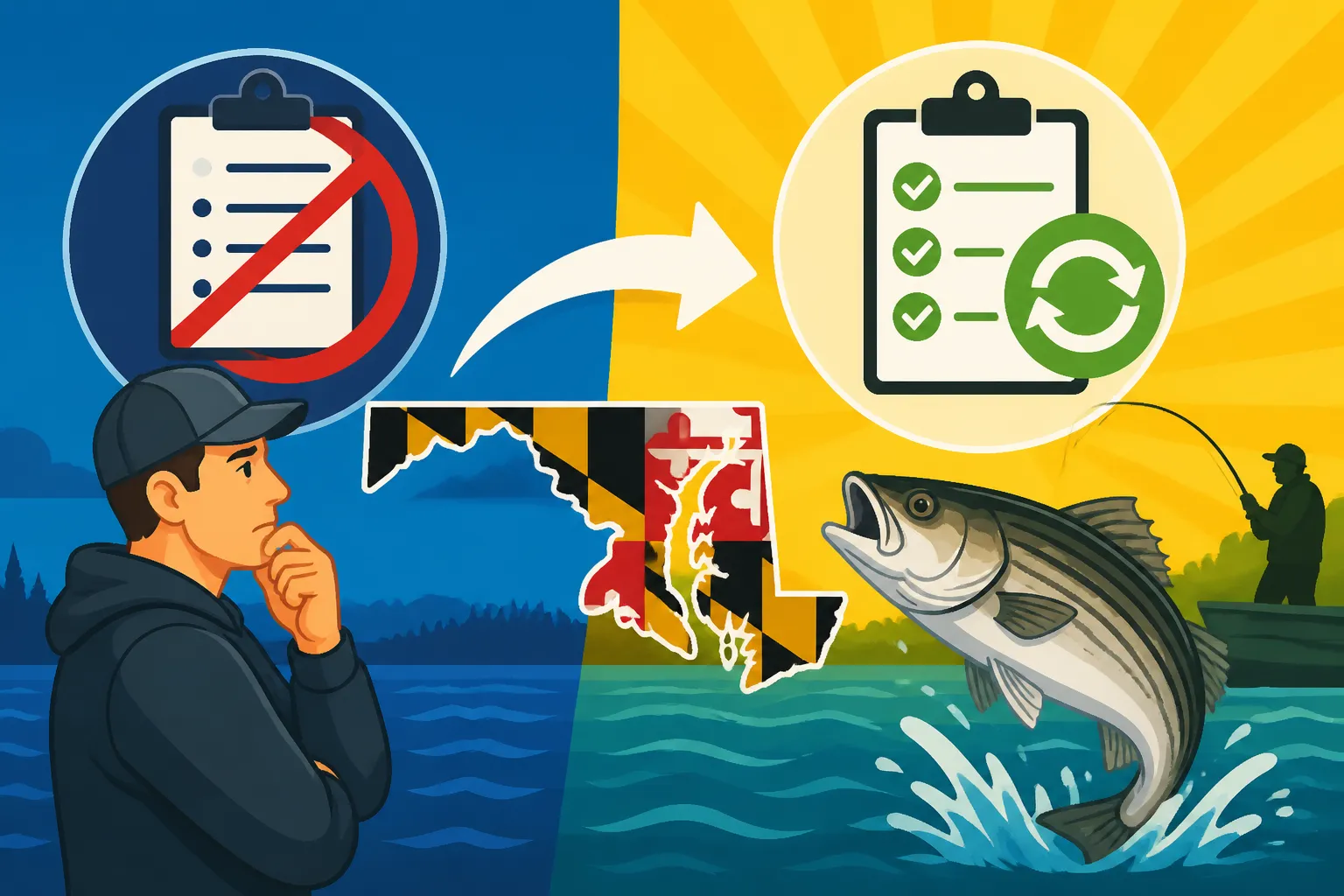
It's incredibly frustrating, isn't it? You've planned your fishing trip, maybe even bought specific tackle, only to hear whispers or see a sudden announcement that the rules have changed overnight. One day you can keep a certain fish, the next you can't, or the size limit shifts. It feels like the rug is being pulled out from under you, and it leaves many anglers wondering: why on earth does Maryland keep changing its fishing regulations mid-season? This guide will dive deep into the multifaceted reasons behind Maryland's dynamic approach to fisheries management, explaining the science, the politics, and the practicalities that necessitate these often-abrupt adjustments.
The Dynamic Nature of Fisheries Management
Fishing isn't static, and neither are the populations of fish we target. Maryland's waters, from the vast Chesapeake Bay to its intricate network of rivers and reservoirs, are complex ecosystems. What might seem like a stable environment one year can quickly become unpredictable the next due to a myriad of factors. Managing these resources requires constant vigilance and, sometimes, swift action.
Responding to Scientific Data and Stock Assessments
At the heart of any regulatory change is science. The Maryland Department of Natural Resources (DNR) doesn't just pull numbers out of a hat; they rely on extensive data collection and rigorous scientific stock assessments. These aren't one-off studies; they are ongoing efforts that monitor fish populations, spawning success, habitat health, and fishing pressure throughout the year. Imagine scientists out on research vessels, conducting trawls, collecting biological samples, and analyzing angler reports to paint a real-time picture of a species' health.
Sometimes, this ongoing monitoring reveals a red flag that simply cannot wait for the next annual regulatory cycle. For example, unexpected high mortality rates among a particular species might be detected, or a critical age class of fish might be struggling more than anticipated. If an early warning sign suggests that a species is being overfished at a rate that jeopardizes its long-term survival, immediate intervention becomes necessary. These adjustments are about preventing a complete collapse, safeguarding the fishery for future generations, even if it means short-term inconvenience for anglers. It's a tough pill to swallow when your favorite species is suddenly off-limits or has a reduced bag limit, but it's often a direct response to data indicating a critical need for protection. For more details on how these rules specifically impact certain species, you might find our guide on Maryland Striped Bass Season and Rockfish Rules particularly insightful.
Adapting to Environmental Shifts
Beyond direct fishing pressure, the environment itself plays a colossal role, and it's constantly in flux. Maryland's climate is changing, and so are its waterways. Factors like sudden changes in water temperature, unusual rainfall patterns leading to altered salinity, or even unforeseen disease outbreaks can have devastating effects on fish populations. For instance, an unusually cold winter might lead to a fish kill, or a prolonged drought could reduce spawning habitat in freshwater rivers.
Consider the Chesapeake Bay, a brackish estuary that's incredibly sensitive to environmental variations. A sudden influx of freshwater from heavy rains could push Striped Bass (rockfish) into saltier waters, concentrating them in specific areas, making them more vulnerable to fishing pressure. Conversely, warmer water temperatures can stress fish, making them more susceptible to disease or reducing their reproductive success. When the DNR identifies these environmental stressors having a significant impact, they might need to adjust regulations to provide fish with a reprieve. These changes aren't always about overfishing; sometimes, they're simply about giving nature a helping hand during challenging times. You can explore how these environmental changes affect specific catch limits in our article about Maryland Daily Bag Limits by Species.
Protecting Critical Fish Populations
When fish populations are at risk, whether from overfishing or environmental factors, mid-season rule changes become an essential tool in the DNR's arsenal. These measures are designed to act as quick, responsive safeguards to prevent irreversible damage to a species.
Emergency Measures for Overfished Stocks
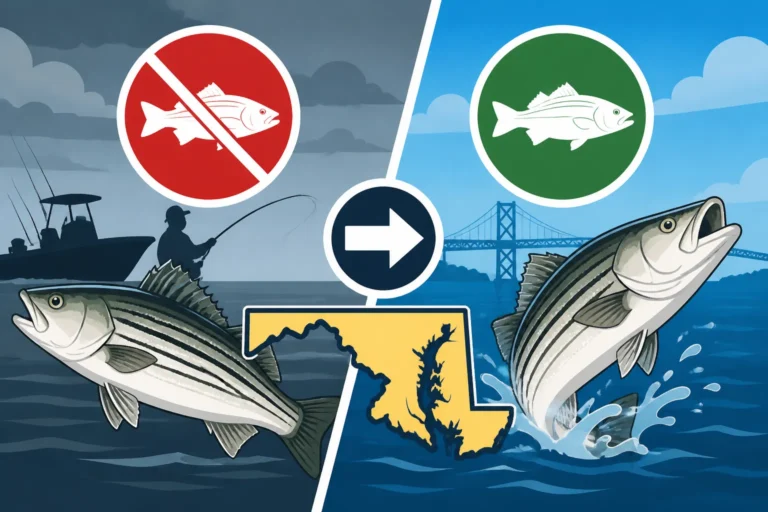
Let's be honest, the word "emergency" often gets our attention. When it comes to fisheries, an emergency typically means a stock is in serious trouble, and waiting until the next year to implement new rules could be catastrophic. Maryland's most famous fish, the Striped Bass (Rockfish), is a prime example of a species that has faced such challenges. When stock assessments reveal that the population is below healthy thresholds, or that fishing mortality is exceeding sustainable levels, the DNR, often in conjunction with regional bodies, must act decisively.
These emergency measures might include shortening a fishing season, implementing new slot limits, reducing bag limits dramatically, or even closing specific areas to fishing entirely during critical periods like spawning. While these decisions are rarely popular, they are made with the long-term health of the fishery in mind. The alternative—a complete collapse of the fishery—would be far worse for everyone involved. These aren't arbitrary decisions but rather calculated risks to ensure there are fish to catch for years to come. If you're curious about specific rockfish regulations, our piece on Maryland Rockfish Slot Limit Explained offers a comprehensive look. Anglers often need to stay on top of these urgent changes, perhaps by bookmarking the DNR's official regulations page or checking reliable online resources like Amazon for updated fishing guides.
Preventing Waste and Bycatch Issues
Another crucial aspect that can trigger mid-season changes is the prevention of waste and the reduction of bycatch. "Bycatch" refers to fish or other marine animals caught unintentionally while fishing for a different species. Sometimes, certain fishing methods or seasons can lead to high rates of bycatch of protected or undersized fish. For instance, if a particular season for one species coincides with a period when another vulnerable species is congregating or actively spawning, rules might be adjusted to minimize the incidental capture and mortality of those vulnerable fish.
Similarly, rules might change to prevent waste, particularly with invasive species. For example, Maryland has an aggressive stance on invasive species like the Blue Catfish and Northern Snakehead. While many anglers enjoy targeting these species, regulations around their possession and transport can change to encourage their removal from the ecosystem. If new information suggests that certain practices are inadvertently helping these invasives spread, or if specific measures are proving more effective at controlling their populations, the DNR might adjust rules, even mid-season, to maximize conservation efforts. Our guides on Maryland Blue Catfish Possession Rules and Maryland Snakehead Fishing Rules delve into these specific scenarios.
Interstate and Federal Regulations
Maryland's waters don't exist in a vacuum. Many of the fish species that populate the Chesapeake Bay and its tributaries, or migrate along the Atlantic coast, cross state lines and are managed by regional and federal bodies. This interconnectedness means that Maryland's regulations are often influenced, or even dictated, by decisions made at a broader level.
Coordinating with Regional Management Bodies
For many popular species, particularly those that migrate along the East Coast, Maryland is part of a larger management framework. The Atlantic States Marine Fisheries Commission (ASMFC) is a prime example of such a body. The ASMFC coordinates the conservation and management of fisheries from Maine to Florida. When the ASMFC determines that a species, like the Striped Bass, is facing overfishing or is in decline across its entire range, they will issue mandates to all member states.
Maryland, as a member state, is then obligated to implement regulations that comply with these regional mandates. This often means that if the ASMFC calls for a specific reduction in fishing mortality, Maryland must adjust its seasons, size limits, or bag limits to meet those targets, even if it's mid-season. These decisions are critical for the health of the entire stock, not just the portion found in Maryland's waters. It can feel like Maryland is making these changes unilaterally, but in reality, they are often part of a much larger, coordinated effort to manage shared resources effectively. Understanding the broader context can help make sense of sudden shifts in Maryland's 2026 Striped Bass Season Dates or other migratory species regulations.
Meeting Federal Mandates and Conservation Goals
In addition to regional commissions, federal laws and agencies also exert influence. The Magnuson-Stevens Fishery Conservation and Management Act, for example, is the primary law governing marine fisheries management in U.S. federal waters and plays a significant role in how states manage their coastal fisheries. Federal agencies like the National Oceanic and Atmospheric Administration (NOAA) Fisheries also provide scientific guidance and, in some cases, direct mandates for conservation.
If federal stock assessments or conservation goals indicate that a particular species under joint management is not recovering as planned, or if new threats emerge, federal mandates can come down that require states to make rapid adjustments. This ensures a consistent approach across jurisdictions and prevents one state's regulations from undermining the conservation efforts of another. While it can be challenging for anglers to keep track of these shifts, especially with species like Flounder that are managed coastally, these measures are designed to ensure the long-term sustainability of the species throughout its range. Keeping an eye on announcements from the DNR and checking their official guide (which can often be found on platforms like Amazon in digital formats) is key. You can also learn about changes to specific species in our article on Maryland Flounder Size Limit.
Public Input and Adaptive Management
While science and inter-state coordination are major drivers, the DNR also engages with the public. However, the nature of fisheries management often means that while public input is valued, the ultimate decision must prioritize the health of the fish population. This leads to an adaptive management style, where flexibility is paramount.
Balancing Angler Input with Biological Needs
The Maryland DNR holds public meetings, solicits comments, and engages with advisory committees comprised of diverse stakeholders, including recreational and commercial anglers, charter captains, and conservationists. This input is genuinely considered, and it provides invaluable real-world perspective on how proposed regulations might impact fishing communities and local economies. Anglers are on the water constantly, and their observations about fish behavior, abundance, and trends are incredibly important.
However, a fundamental tension often arises when angler preferences clash with biological imperatives. If scientific data indicates a dire need to protect a species, but anglers strongly advocate for less restrictive measures, the DNR must ultimately side with the long-term health of the fish population. While public frustration is understandable when regulations become more stringent, the DNR's primary mandate is conservation. These mid-season changes are often a direct reflection of situations where biological data signals an urgent need that overrides other considerations. For those looking to report observed issues, the Maryland Fisheries Complaint and Poaching Hotline is an important resource.
The Adaptive Management Approach
Fisheries management in Maryland operates on a principle known as "adaptive management." This isn't a rigid, set-it-and-forget-it system. Instead, it's a dynamic, iterative process of continuous monitoring, evaluation, and adjustment. Think of it like a scientist running an experiment: you implement a management strategy, monitor its effects, and then adjust the strategy based on the observed outcomes.
This approach is particularly well-suited for complex, ever-changing ecosystems like the Chesapeake Bay. When a new regulation is put in place, the DNR doesn't just walk away; they continue to collect data. If that data shows the regulation isn't having the desired effect—perhaps fish populations are still declining, or a different problem has emerged—then they will adapt. This could mean further adjustments, even within the same season. It’s an acknowledgement that we don't have all the answers upfront, and constant learning and responsiveness are essential. This is why you might hear about Maryland Emergency Fishing Closures, How They Work, sometimes with very little notice, as they are a critical component of this adaptive system. The goal is always to refine strategies to achieve the best possible outcomes for the fish and the anglers who pursue them.
Common Reasons for Mid-Season Rule Changes
To give you a clearer picture, here’s a breakdown of common reasons for those mid-season adjustments we all experience, and what their typical impact tends to be.
| Reason for Change | Triggering Event | Typical Regulatory Change | Affected Species (Examples) | Angler Impact |
|---|---|---|---|---|
| New Scientific Data | Unexpected population decline, low spawning success | Reduced bag/size limits, season closures | Striped Bass, Flounder, Yellow Perch | Less opportunity, stricter rules |
| Environmental Conditions | Heat waves, drought, floods, disease outbreaks | Area closures, harvest prohibitions | Any vulnerable species | Limited access, no retention |
| Interstate/Federal Mandates | ASMFC/NOAA requirements for stock recovery | Coordinated reductions in all states | Striped Bass, Black Sea Bass | Aligned with regional effort, potentially more restrictive |
| High Fishing Mortality | Exceeding harvest quotas earlier than projected | Premature season closure, emergency limits | Striped Bass, Tautog | Abrupt end to season, lost opportunities |
| Invasive Species Management | New data on spread, effective control methods | Changes to possession/release rules | Blue Catfish, Northern Snakehead | Encouraged harvest, stricter transport rules |
| Public Safety Concerns | Hazardous conditions in specific areas | Temporary area closures | All species (location specific) | Restricted access for safety reasons |
This table illustrates that while inconvenient, these changes are usually driven by serious concerns. Maryland's fisheries managers are constantly weighing the need for conservation against the desire for recreational opportunity. The balance is delicate, and sometimes, conservation must take immediate precedence. Keeping up with these changes is crucial, and knowing How Often Maryland Updates Its Fishing Regulations can help you stay prepared. If you're wondering about the initial permits required, our comprehensive guide on the Maryland Chesapeake Bay Sport Fishing License Explained is a great place to start. And remember, understanding the why behind these shifts can make adapting to them a little easier, ensuring we all contribute to healthy fisheries for years to come.
Disclaimer
Please note that fishing regulations are subject to change without notice. Always consult the official Maryland Department of Natural Resources (DNR) website or their current fishing guide for the most up-to-date and legally binding information before heading out on the water. This article provides general information and should not be considered a substitute for official regulations.