Can You Keep More Than One Rockfish a Day in Maryland?
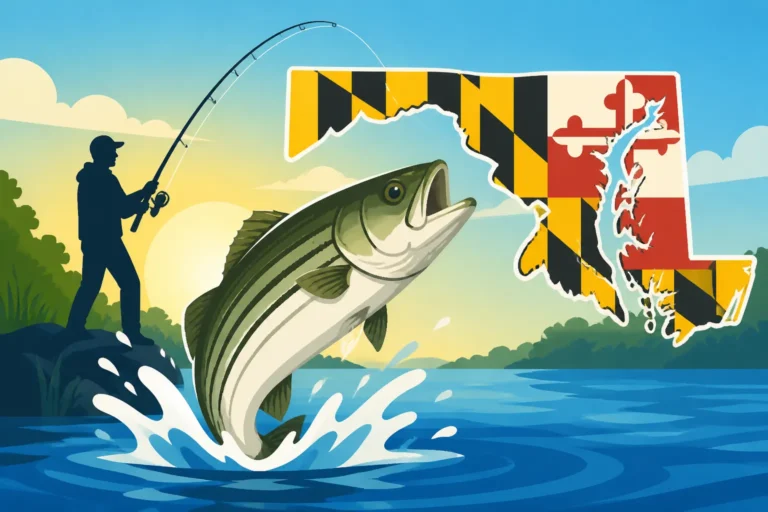
There's nothing quite as exciting as feeling that tell-tale tug on your line, knowing you've hooked into a feisty Maryland rockfish. But that initial thrill can quickly turn into a headache when you start wondering, "Wait, what's the limit again?" It's a common frustration for anglers in our state, trying to keep up with the ever-evolving rules and feeling uncertain about what you can legally bring home. This guide is here to clear up the confusion surrounding daily rockfish (striped bass) limits in Maryland, so you can fish with confidence and stay compliant.
Understanding Maryland's Rockfish Regulations
Maryland's Department of Natural Resources (DNR) works tirelessly to manage our fisheries, especially for iconic species like the striped bass, which we affectionately call rockfish. These regulations aren't set in stone; they're a dynamic response to scientific data, conservation needs, and the overall health of the fish population. It can feel like they change every other week, making it tough to stay informed!
Why Regulations Change So Often
The reason we see so many shifts in rockfish regulations boils down to a few critical factors. First, the Atlantic Striped Bass Management Board, which oversees the entire Atlantic coast population, makes recommendations based on stock assessments. These assessments look at how many fish are out there, how many are reproducing, and how many are being caught. If the stock is deemed to be in decline or needs rebuilding, states like Maryland are mandated to adjust their rules to reduce fishing pressure.
Think about it like managing a bank account. If you're spending more than you're earning, you need to cut back. For rockfish, if more fish are being harvested than can be naturally replenished, the regulations tighten. These adjustments can include changes to seasons, size limits, and, yes, daily creel limits. It's all part of a larger, coordinated effort to ensure that future generations of anglers will also have the chance to enjoy catching these magnificent fish. This often leads to Maryland Striped Bass Season and Rockfish Rules being updated annually.
The Importance of Daily Creel Limits
Daily creel limits, also known as bag limits, are a cornerstone of fishery management. They set a cap on the number of fish an individual angler can keep in a single day. Without these limits, even with size restrictions, it would be far too easy for anglers to harvest an unsustainable number of fish, especially during peak seasons when fish are plentiful and biting aggressively.
These limits are not arbitrary numbers. They are carefully calculated by biologists, taking into account factors like the spawning success of previous years, the current population size, and the projected impact of recreational and commercial fishing pressure. Their primary goal is conservation – to spread the harvest among more anglers and prevent overfishing, ensuring enough fish remain in the ecosystem to reproduce and sustain the population. It's a delicate balance, and sometimes it means making tough choices that aren't always popular, but they're essential for the long-term health of the fishery. Understanding Maryland Fishing Size and Catch Limits by Species is crucial for all anglers.
The Current Rockfish Daily Limit in Maryland
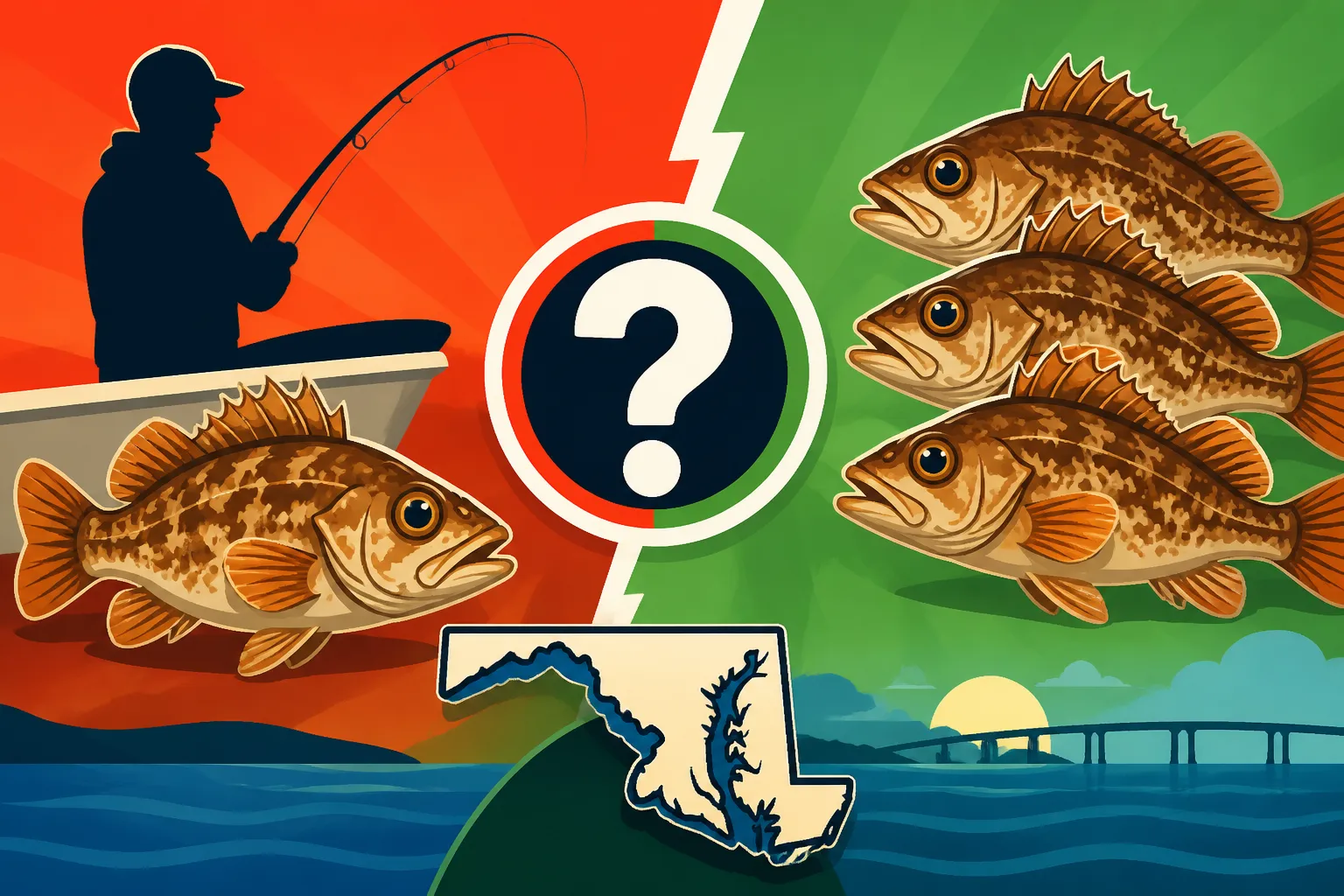
So, let's get down to the most pressing question: Can you keep more than one rockfish a day in Maryland? For most recreational anglers fishing in the Chesapeake Bay and its tidal tributaries, the answer is generally no, you can typically only keep one striped bass per person, per day. However, it's never quite that simple, as specific dates and size restrictions, often referred to as slot limits, play a huge role.
Specifics of the Daily Bag Limit
As of the current regulations, Maryland's recreational daily bag limit for striped bass in the Chesapeake Bay and its tidal tributaries is generally one fish per angler. This means that once you've landed your legal fish, that's your catch for the day, regardless of how many other fish you might hook. The intent behind this strict one-fish limit is to significantly reduce the overall recreational harvest and aid in the recovery of the striped bass stock.
This single fish limit applies across the board during the open seasons. It's not one fish in the morning and another in the afternoon. It's one fish for the entire 24-hour period. This is an important distinction to grasp, especially if you're out on the water all day or even planning a multi-day trip. Each new day brings a new opportunity for one legal fish. This also applies whether you're fishing from your own boat, a pier, or a kayak. Even if you’re fishing on Maryland's Free Fishing Days, the daily creel limits still apply.
The Slot Limit Explained
Beyond the one-fish-per-day rule, Maryland employs a slot limit for striped bass in the Chesapeake Bay. A slot limit means that fish must fall within a specific size range to be legally kept. For recent seasons, this has often been a 19 to 24-inch slot limit. This means your fish must be at least 19 inches long, but no longer than 24 inches.
Here's how it breaks down:
- Under 19 inches: If you catch a rockfish shorter than 19 inches, it's considered an undersize "short" and must be immediately released, no exceptions. The goal here is to protect juvenile fish, allowing them to grow and mature.
- 19 to 24 inches: If your rockfish measures exactly 19 inches up to, but not exceeding, 24 inches, it falls within the legal slot. This is the one fish you can keep for your daily limit.
- Over 24 inches: If you catch a rockfish longer than 24 inches, it's considered an "oversize" fish and must also be immediately released. These larger fish are often the most prolific spawners, and protecting them is vital for the population's long-term health. The DNR implemented this to protect the larger, breeding female rockfish, allowing them to contribute more to future generations. This is what Maryland Rockfish Slot Limit Explained is all about.
This slot limit strategy is a common and effective conservation tool. It aims to protect both the youngest, most vulnerable fish and the largest, most reproductively valuable fish, focusing the harvest on the middle-aged population.
Special Seasons and Exceptions
While the one-fish-at-19-24-inches rule is the general standard, Maryland's regulations can include special seasons with different rules or specific geographic exceptions.
- Spring Trophy Season: Historically, Maryland has had a short Spring Trophy season in early May, where anglers were allowed to keep one larger striped bass (e.g., 31-35 inches), often caught by trolling. However, in recent years, the Spring Trophy season has been eliminated or modified to align with the 19-24 inch slot limit for the entire Chesapeake Bay to further reduce fishing mortality. It’s critical to check the exact current regulations for each year, as these can be drastically altered.
- Atlantic Ocean and Coastal Bays: The regulations for striped bass caught in the Atlantic Ocean, coastal bays (like Assawoman Bay), and their tributaries are often different from the Chesapeake Bay. They might have different minimum sizes or slot limits, and sometimes different open seasons. For example, in the ocean, the size limits tend to be larger, often 28-31 inches, but still one fish per person. If you're planning a trip to Ocean City or Assateague Island, you must consult the specific coastal regulations.
- Potomac River: Fishing in the mainstem of the Potomac River below the Washington D.C. boundary falls under the jurisdiction of the Potomac River Fisheries Commission (PRFC), not directly the Maryland DNR. While the PRFC often mirrors Maryland's regulations, there can be subtle differences in season dates or limits. Always check both the Maryland DNR and PRFC regulations if you plan to fish the Potomac. Remember, if you catch a trophy-sized striped bass during Maryland's Winter Catch and Release Striped Bass Season, it must still be released.
Here’s a quick overview of potential rockfish limits, but always confirm with the official Maryland DNR website for the most current information:
| Fishery Location | Season | Daily Limit | Size Limit (Slot) | Notes |
|---|---|---|---|---|
| Chesapeake Bay & Tributaries | Spring/Summer/Fall | 1 fish per person | 19-24 inches | Most common regulation for recreational anglers. |
| Atlantic Ocean & Coastal Bays | General Season | 1 fish per person | Often 28-31 inches | Check specific coastal regulations, can vary. |
| Potomac River (Mainstem) | Refer to PRFC Rules | 1 fish per person | Often mirrors MD Bay rules | Always check Potomac River Fisheries Commission. |
This table is a simplification; always consult the official Maryland DNR Fishing Guide or their website for the most up-to-date and legally binding regulations, as these can change without much notice, sometimes even mid-season.
What Happens If You Catch More Than the Limit?
So, you're out there, having a fantastic day, and you've already kept your one legal rockfish. Then, boom, another one hits your line! Or perhaps you catch a fish that looks like it's within the slot, but upon closer inspection, it's just a hair too long or too short. What do you do?
The Rule of Immediate Release
The rule is very clear: any fish caught that either exceeds your daily limit or falls outside the legal slot must be immediately released back into the water. This isn't a suggestion; it's a non-negotiable requirement. "Immediate release" means you don't take it to the livewell, you don't put it on a stringer, and you certainly don't bring it back to the dock.
The best practice for immediate release is to minimize the time the fish is out of the water. Handle the fish gently, preferably with wet hands, and use a de-hooking tool if the hook is deep. If the fish is legal and you intend to keep it, be sure to dispatch it quickly and humanely. For fish you must release, try to keep them in the water as much as possible, removing the hook quickly and allowing them to swim off under their own power. This is particularly important for Maryland Catch and Release Rules During Closed Seasons.
Penalties for Violations
Fishing regulations are law, and violating them carries consequences. Maryland DNR Natural Resources Police (NRP) officers patrol our waters, and they are diligent in enforcing these rules. Getting caught with more than the legal daily limit, or with fish outside the slot limit, can lead to serious penalties.
These penalties typically include:
- Fines: Monetary fines are common, and they can be substantial, often increasing with the number of illegal fish or the severity of the violation.
- Citations: You'll receive a citation, similar to a traffic ticket, which can go on your record.
- Forfeiture of Equipment: In extreme cases, officers have the authority to confiscate fishing gear, or even your boat.
- License Suspension/Revocation: Repeat offenders, or those committing egregious violations, could face suspension or revocation of their Maryland fishing license, preventing them from fishing for a period.
The NRP take these violations very seriously because they directly undermine conservation efforts. It's simply not worth the risk to keep an illegal fish. Always err on the side of caution. Remember that understanding Maryland Fishing License Penalties for Violations is just as important as knowing the limits themselves.
Practical Tips for Staying Compliant
Navigating fishing regulations can feel like a minefield sometimes, but with a few good habits, you can stay on the right side of the law and enjoy your time on the water without worry.
Measuring Your Catch Accurately
A crucial part of complying with slot limits is accurate measurement. Don't eyeball it! Even an inch or two can make the difference between a legal fish and a violation.
Here’s how to measure correctly:
- Use a reliable measuring device: A rigid measuring board is ideal. Many anglers keep one affixed to their boat or kayak. You can find excellent options on Amazon or at any local tackle shop. Flexible tape measures are okay, but they can be harder to get an accurate reading on a squirming fish.
- Lay the fish flat: Place the fish on its side on the measuring board.
- Close the mouth: Gently close the fish’s mouth.
- Pinch the tail: The measurement is taken from the tip of the snout to the furthest tip of the tail, with the tail pinched together. Do not measure to the fork in the tail unless the regulation explicitly states "fork length."
- Read at the furthest point: Make sure you're reading the measurement at the very end of the pinched tail, not just where the tail starts to flare.
Always measure immediately after catching, especially if you're unsure if it meets the minimum or falls within a slot. It's better to measure and release an undersized or oversized fish immediately than to wait and risk a fine.
Keeping Up-to-Date with Regulations
Given how often regulations can change, staying current is probably the most important tip of all. Don't rely on what you heard last year or what your buddy told you.
Here are the best ways to stay informed:
- Maryland DNR Website: This is your definitive source. The Maryland Department of Natural Resources (DNR) website has a dedicated section for current fishing regulations. Bookmark it on your phone or computer. They often release press releases or updates when rules change. Many anglers refer to Maryland's DNR Fishing and Boating Guide, Explained for comprehensive details.
- DNR Fishing Guide: Pick up a physical copy of the annual Maryland Fishing and Boating Guide. These are usually available at tackle shops, DNR offices, and sporting goods stores. While comprehensive, remember that in-season changes might not be reflected in a printed guide.
- Fishing Apps: Several fishing apps (some official, some third-party) can provide real-time updates on regulations. Just make sure the app sources its information directly from the DNR.
- Local Tackle Shops: Your local bait and tackle shop owners are usually very knowledgeable about current local regulations. They're often the first to hear about changes and can offer advice specific to the waters you're fishing.
- Sign Up for Email Alerts: The Maryland DNR often has email newsletters or alert systems you can sign up for to receive notifications about regulation changes directly in your inbox.
Consistency is key. Make it a habit to check the regulations before every fishing trip, especially if you haven't been out in a while or are visiting a new area. It's a small step that can save you a lot of grief and ensure you're contributing to sustainable fishing practices for Maryland's cherished rockfish. Knowing How Maryland Updates Its Fishing Regulations can help you understand the process.
Disclaimer
Please note that fishing regulations, seasons, and creel limits in Maryland are subject to change. The information provided in this article is for general guidance and informational purposes only and does not constitute legal advice. It is the angler's sole responsibility to consult the official Maryland Department of Natural Resources (DNR) website or their current Fishing Guide for the most up-to-date and legally binding regulations before engaging in any fishing activity. Non-compliance with current regulations may result in fines or penalties.