Is Fish Cleaning Included in the Charter Price?
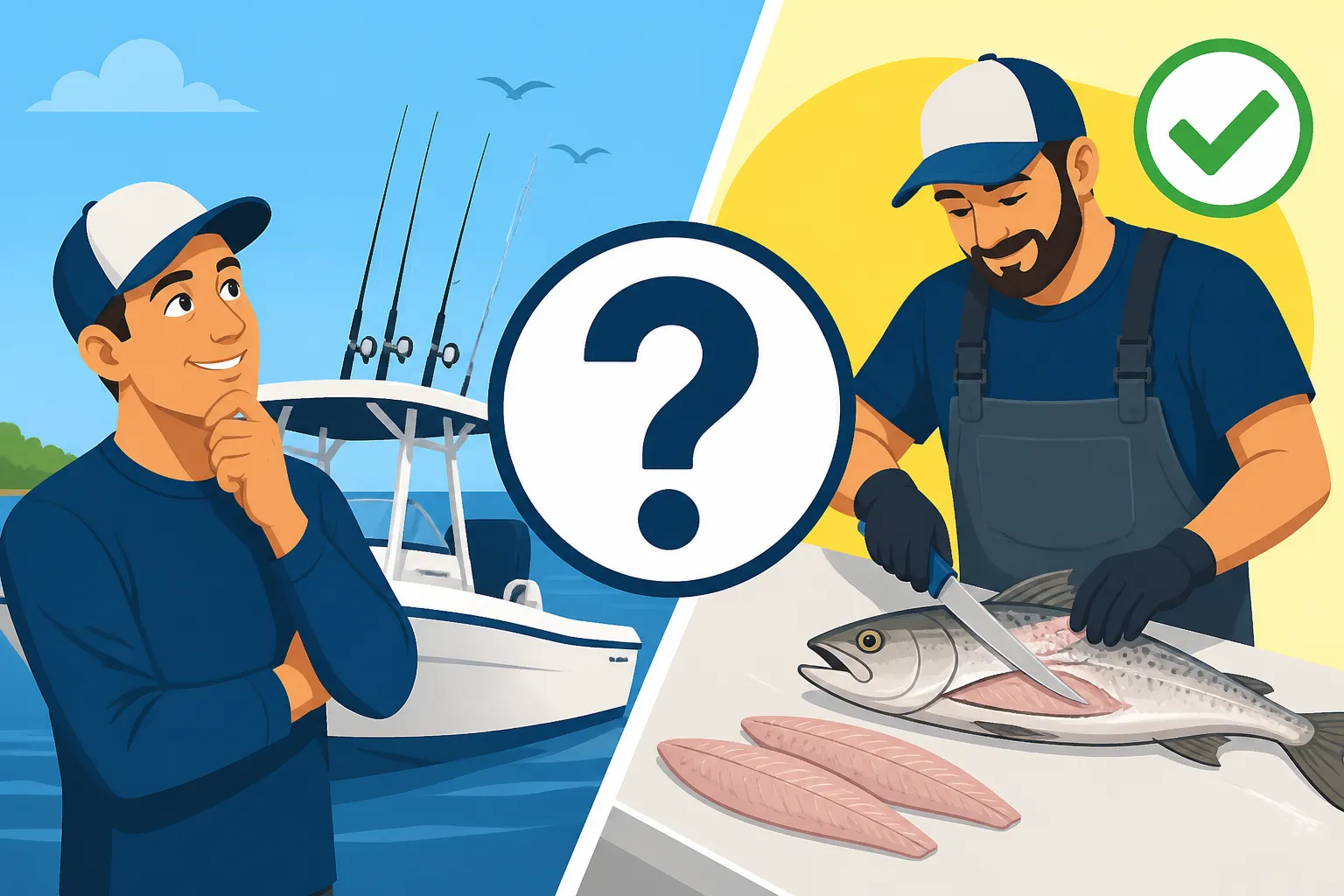
It’s a scenario many of us have faced after a fantastic day out on the water in Maryland: you’ve got a cooler full of beautiful fish, but now the reality sets in – someone’s got to clean them. You might naturally assume that when you pay for a fishing charter, the captain and crew will take care of the filleting and bagging for you. But is fish cleaning really included in the charter price, or is that an extra cost that can catch you by surprise at the end of a long day? This guide will break down the common practices in Maryland’s charter fishing industry, helping you understand what to expect and how to avoid any end-of-trip confusion.
The Standard Practice: What Most Charters Offer (or Don't)
When you book a fishing charter, you're investing in the captain's expertise, the boat, the fuel, the tackle, and the thrill of the catch. But the post-fishing processing of your hard-earned harvest can often fall into a gray area of expectation versus reality.
Initial Expectations Versus Reality
It’s completely understandable why many anglers, especially those new to charter fishing, might assume fish cleaning is part of the package. After all, you’re paying for a guided experience! You envision stepping off the boat with neatly bagged fillets, ready for the grill. The reality, however, is that while many Maryland charter captains and their mates are skilled at cleaning fish, it's often considered a separate service.
Think about it like this: the charter fee covers the fishing experience. It gets you to the fish, provides the gear, and helps you land them. The act of cleaning, filleting, skinning, and bagging is a labor-intensive, time-consuming process that happens after the fishing is done. For the crew, it means more time spent at the dock, often in less-than-ideal conditions, cleaning dozens of fish. This additional labor, especially when they could be getting the boat ready for the next trip or heading home to their families, is why it's usually treated as a separate service. It's a common point of misunderstanding, and it's always best to clarify this upfront.
The "Fillet & Bag" Service – Often an Extra
Most Maryland fishing charters, particularly those working the Chesapeake Bay or out of Ocean City, do offer fish cleaning services. However, this is almost universally an additional cost, not inherently built into your base charter fee. This service typically involves the crew taking your catch, filleting it, removing the skin and bones (if desired and practical for the species), and then bagging the fillets for you to take home.
The cost for this service can vary quite a bit. It’s usually calculated either per fish, per pound of cleaned fish, or sometimes as a flat fee for the entire cooler, depending on the captain and the volume of fish. For instance, a small bluefish might incur a minimal fee, while a large striped bass (or "rockfish" as we call them here in Maryland) that yields a significant amount of meat might have a slightly higher charge due to the size and effort involved. If you’ve had a banner day and filled your cooler with a limit of Maryland Striped Bass Daily Limit Per Angler or a boatload of white perch, that cleaning service can add up, but it's often well worth it for the convenience. It saves you the mess, the time, and ensures a professional job.
It’s really important to have this conversation with your captain or booking agent before your trip, or at least before the lines are even in the water. This way, there are no surprises when you’re back at the dock, tired but happy, with a cooler full of fish. Platforms like FishingBooker often include details about cleaning services in the charter descriptions, but a quick call or message to the captain directly is always the clearest way to confirm.
Factors Influencing Fish Cleaning Costs and Practices
The exact nature and cost of fish cleaning services on a Maryland fishing charter aren't uniform across the board. Several factors can influence whether it's offered, how much it costs, and what exactly it entails.
Type of Charter and Vessel
The kind of fishing trip you book can significantly affect the cleaning services.
- Private Charters: On a private charter, where you and your group have the entire boat, the captain and mate are focused solely on your experience. This often means they are more readily available to clean your catch, and they might even be more flexible with pricing or include it if you've had a particularly good day and given a generous tip for the overall trip. However, it's still usually an extra charge. The crew works hard to ensure a great time, and cleaning fish is additional labor.
- Party Boats (Head Boats): These larger vessels take many individual anglers out, and the crew is often stretched thin. On a party boat, you'll almost certainly pay extra for cleaning. The mates will usually have a designated cleaning station at the dock, and they'll process fish for all the passengers willing to pay. The pricing structure here is usually per fish or by weight, and it can be a production line operation, so don't expect highly personalized service. Booking a Solo Spot on a Maryland Party Boat is a great way to get on the water, but be aware of how the cleaning process differs.
- Offshore vs. Bay Charters: Ocean City offshore charters, targeting species like tuna, mahi-mahi, or marlin, often have very different cleaning dynamics. Tuna, for example, are huge fish, and "cleaning" often means gutting and gilling them at sea, then cutting them into large loins at the dock. This is a big job and is almost always a separate, often substantial, charge. In contrast, a Chesapeake Bay charter focused on Maryland White Perch Daily Limit or striped bass might involve simpler filleting, but the principle of an extra charge remains.
Species Caught and Processing Difficulty
Not all fish are created equal when it comes to cleaning. Some are a breeze, while others require more time, skill, and effort.
- Easier-to-Clean Fish: Species like flounder, white perch, and even smaller striped bass are relatively straightforward to fillet. They have distinct bone structures that make knife work efficient. For these, the per-fish or per-pound cost might be on the lower end.
- Harder-to-Clean Fish: Larger striped bass, bluefish, or certain offshore species can be more challenging. Bluefish, for instance, are notoriously bloody, and their tough skin and strong odor can make cleaning a less pleasant task. This added difficulty can sometimes be reflected in the cleaning fee.
- Invasive Species: Maryland actively encourages anglers to harvest and not release invasive species like blue catfish and snakehead. For Maryland Blue Catfish Limit, or Lack of One and Maryland Snakehead Fishing Rules, there's often no limit, so you could end up with a cooler full. Many charters are happy to clean these for you, and sometimes, because of the conservation aspect, the cleaning fee might be slightly more flexible or even waived for a few fish, but don't count on it being free, especially for a large haul. Cleaning dozens of blue catfish, which are robust and can be quite large, takes significant time.
Time of Year and Trip Duration
The season and length of your trip can also play a role.
- Peak Season: During busy times, like the spring trophy striped bass season or the fall rockfish run, charter captains and their mates are often running back-to-back trips. Their time at the dock between trips is critical for refueling, re-rigging, and getting a quick break. Asking them to clean a boatload of fish can cut into this precious turnaround time, making an additional charge for cleaning even more necessary for their operation.
- Longer Trips: A full-day or multi-day trip means more fishing time, which often translates to more fish caught. More fish means more cleaning. While the per-fish rate might remain the same, the total cost for cleaning could be higher simply due to volume. It's also worth noting that on longer trips, sometimes the initial processing (like gutting larger fish) might happen out on the water to preserve freshness, with the filleting done back at the dock.
How to Confirm Fish Cleaning Services Before You Book
The absolute best way to avoid any surprises regarding fish cleaning is to communicate clearly and directly with your charter captain before you even step foot on the boat.
Asking the Right Questions
When you're booking your trip, or even just researching Maryland Chesapeake Bay Fishing Charters, What to Expect, make sure to add these questions to your list:
- "Is fish cleaning included in the charter price, or is it an additional service?"
- "If it's an additional service, what is the cost? Is it per fish, per pound, or a flat fee for the cooler?"
- "What does the cleaning service entail? (e.g., filleting, skinning, bagging)"
- "Do you provide bags or should I bring my own?"
- "What's your policy on tipping for fish cleaning specifically?"
Getting these answers upfront allows you to budget properly and manage your expectations. Imagine catching a cooler full of beautiful striped bass and then realizing the cleaning fee is more than you anticipated. A simple conversation can prevent that kind of stress. Reputable charters are always transparent about their services and costs, so don't hesitate to ask. Platforms like FishingBooker are a great resource for finding charters and often provide a way to message the captain directly with these kinds of questions.
Reading the Fine Print and Charter Descriptions
Many charter boats will list their services and policies directly on their websites or on booking platforms. Before you finalize your booking, take a moment to read through everything carefully.
- Website Information: Check the "What's Included" or "Rates" section of the charter's website. They might explicitly state, "Fish cleaning available for an additional fee" or "Fish cleaned for $X per fish."
- Booking Platform Details: If you're using a platform like FishingBooker, scroll down to the amenities or "What's Included" section of the charter's listing. Sometimes, cleaning services are listed as an "add-on" or "optional extra."
- Confirmation Emails: After booking, confirmation emails might reiterate the terms and conditions. Keep an eye out for details about post-trip services.
If the information is not clear or if it seems vague, that's your cue to reach out directly. Never assume. It’s always better to over-communicate than to face an unexpected charge or service limitation at the end of an otherwise perfect day on the water.
DIY Fish Cleaning Options and Considerations
So, what if the charter doesn't offer cleaning, or the cost is higher than you expected, or maybe you just prefer to do it yourself? You've got options, but there are some things to keep in mind.
Cleaning Your Catch at Home or Public Ramps
Many anglers, especially those who fish regularly, are perfectly capable of cleaning their own catch.
- Advantages of DIY:
- Cost Savings: You avoid the extra fee from the charter.
- Control: You can clean your fish exactly how you like them – whole, filleted, steaked, with or without skin.
- Skill Development: It's a great skill to learn and can be quite satisfying.
- Disadvantages of DIY:
- Time and Effort: It takes time, especially after a long day of fishing.
- Mess: Fish cleaning is messy business, and it’s not something you want to do in your kitchen if you can avoid it.
- Facility Access: Finding a suitable place to clean your fish can be a challenge. Public boat ramps in Maryland often have designated fish cleaning stations with running water, but these can get crowded, especially on busy weekends. Always be respectful of others and clean up thoroughly after yourself.
- Disposal: You'll need a plan for disposing of the carcasses and waste properly, which is crucial for hygiene and preventing attracting unwanted pests. Many public cleaning stations have specific bins for this.
Ensuring Proper Handling and Transport
If you plan to clean your fish yourself, proper handling from the moment they're caught until you get them home is critical to ensure the best quality fillets.
- Immediate Cooling: As soon as a fish is caught, get it into a cooler full of ice. Not just a few cubes, but a generous amount of ice to quickly bring down its core temperature. This slows bacterial growth and preserves the taste and texture of the meat.
- Bleeding (for some species): For certain species like striped bass or bluefish, bleeding them immediately after catching them can significantly improve the taste by removing blood from the muscle tissue. A quick cut behind the gills and into the main artery will do the trick. Let them bleed out in a bucket or over the side (if allowed and safe) before putting them on ice.
- Preventing Waterlogging: While ice is crucial, try to keep your fish on the ice, not swimming in melted ice water. A cooler with a good drain plug can help you periodically drain off excess water. You want cold, not soggy.
- Transporting: Make sure your cooler is secure for the ride home, and keep it well-iced. If you're traveling a long distance, consider adding extra ice or even freezing a few bottles of water to act as longer-lasting ice blocks.
Essential Gear for Self-Cleaning
If you're committed to the DIY route, here's some gear that will make the job much easier:
- Sharp Fillet Knife: This is non-negotiable. A sharp, flexible fillet knife specifically designed for fish is key to clean cuts and efficient filleting. Keep a sharpening stone or steel handy.
- Fillet Board: A sturdy, non-slip fillet board provides a stable surface for cleaning. Many come with clamps to hold the fish in place.
- Cooler: A good quality cooler is essential for keeping your fish cold before, during, and after cleaning.
- Plastic Bags: Heavy-duty freezer bags are perfect for portioning and storing your fillets. Vacuum sealers are even better if you plan to freeze your catch.
- Gloves: Latex or nitrile gloves can help with grip and cleanliness, especially when dealing with slippery or spiny fish.
- Brush/Scrubber: For cleaning your board and area afterward.
By being prepared, cleaning your own fish can be a rewarding part of the fishing experience, ensuring your catch is perfectly prepared for the table.
Tipping for Fish Cleaning Services
Tipping is a customary practice in the charter fishing world, and it applies not only to the general service but often specifically to the fish cleaning. Understanding the nuances can help you show appreciation for a job well done.
General Gratuity Versus Cleaning Tips
First, let's talk about general gratuity. It's standard practice to tip the captain and crew for their hard work in putting you on fish, providing tackle, bait, instruction, and ensuring a safe and enjoyable trip. A common range for this general tip is 15-20% of the total charter price. This should be given directly to the mate, or sometimes the captain, at the end of the trip. The crew works incredibly long hours, often starting well before dawn and finishing long after sunset, so these tips are a significant part of their income. You can find more details on this in How Much to Tip a Maryland Fishing Charter Mate.
Now, regarding fish cleaning:
- If Cleaning is an Additional Charge: If you're paying a separate fee for fish cleaning (e.g., $X per fish or per pound), this fee is not a tip. This is a payment for the service itself. In addition to this payment, it's still good form to offer an extra gratuity directly to the mate who performed the cleaning. Think of it as a separate mini-tip for the extra effort involved. A few dollars per person, or a percentage of the cleaning fee, is usually appreciated.
- If Cleaning is Offered "Complimentary" (Rare, but it happens): In some very rare instances, or if you've had a particularly difficult day fishing and the captain is feeling generous, they might offer to clean a few fish for you without a stated charge. In this scenario, your general tip should be on the higher end of the 15-20% range to reflect the added service. If the mate cleans a significant amount of fish, consider giving them an extra cash tip specifically for that effort, even if the captain said it was "no charge." It shows you value their hard work.
Remember, the crew works hard to ensure you have a memorable and successful trip. Cleaning fish, especially a large haul, is physically demanding and time-consuming work done at the very end of their day. A thoughtful tip for this specific service acknowledges their dedication and effort, making them feel valued for going the extra mile. Don't be shy about asking about tipping expectations when you're making your initial inquiries – it's a completely normal question in this industry.
What to Do With Fish After a Maryland Charter Trip
So you've caught your fish, you've decided whether to pay for cleaning or do it yourself, and now you have beautiful fillets (or whole fish) ready to go. What's next?
Safe Storage and Transport Home
The journey home is just as important as the journey back to the dock. You've invested time and money, so you want to ensure your catch stays in pristine condition.
- Keep it Cold: This cannot be stressed enough. Your fillets should go immediately into a clean cooler packed with ice. If you have separate coolers, one for whole fish/carcasses and one for cleaned fillets, even better. The goal is to keep the temperature as close to freezing as possible without actually freezing the fresh fillets.
- Prevent Cross-Contamination: If you opted for a charter to clean your fish, they'll usually provide bags. Double-bagging can prevent any leaks in your cooler. If you're cleaning yourself, use new, clean bags for the fillets, and make sure they're sealed well. Avoid mixing cleaned fillets with uncleaned fish or other items in the same compartment unless absolutely necessary, and if so, ensure the fillets are very well sealed.
- Plan Your Route: If you have a long drive home, consider how long the ice will last. Larger blocks of ice melt slower than cubes. You might want to pick up an extra bag of ice before you leave the dock.
- Home Storage: Once home, immediately transfer fillets to your refrigerator or freezer. For refrigeration, consume within a day or two for best quality. For longer storage, flash-freeze them in vacuum-sealed bags. This minimizes freezer burn and preserves quality for several months.
Cooking and Enjoying Your Catch
This is the best part! Maryland's waters offer a fantastic variety of fish, each with its unique flavor and texture.
- Striped Bass (Rockfish): A firm, flaky white meat perfect for grilling, baking, or pan-frying. Simple preparations with lemon, butter, and herbs really let its flavor shine. Remember to follow Maryland Striped Bass Season and Rockfish Rules and Maryland Rockfish Slot Limit Explained if you're keeping them.
- White Perch: These smaller fish are delicious whole or filleted, pan-fried to a crispy golden brown. They have a delicate, sweet flavor.
- Flounder: A flatfish with very tender, mild white flesh. It's excellent baked, broiled, or fried. Maryland Flounder Regulations for 2026 are important to know.
- Blue Catfish: A truly versatile and tasty invasive species. Their firm, white meat is fantastic fried, grilled, or even smoked. There's no limit on them, so you can often bring home a huge haul. Maryland Blue Catfish Limit, or Lack of One is a big reason why anglers love to target them.
- Northern Snakehead: Another invasive species, these fish have firm, white, mild meat that holds up well to grilling, frying, or even in Asian-inspired dishes. Just remember, Maryland Rules for Keeping Snakehead Fish mean you cannot release them alive.
Don't forget to explore local recipes! Marylanders have a rich tradition of preparing fresh seafood, and you might find some amazing new ways to enjoy your catch. Sharing your freshly caught and prepared fish with friends and family is the perfect end to a great fishing adventure in Maryland.
Summary Table: Fish Cleaning Services on Maryland Charters
To help clarify the typical practices you might encounter, here's a quick overview:
| Charter Type | Cleaning Included? (Typically) | How it's Charged (Commonly) | Key Considerations |
|---|---|---|---|
| Private Bay Charter | No | Per fish or flat fee | Often flexible with good tip; more personalized |
| Private Offshore Charter | No | Per pound or substantial flat fee | Tuna/large fish require extensive processing; usually higher cost |
| Party Boat (Head Boat) | No | Per fish or by weight | Mates run a cleaning station; less personalized, efficient |
| Guided Freshwater Trip | Often Varies | Sometimes included, sometimes extra | Depends heavily on guide's individual policy; always ask |
| Catch & Release Trip | N/A | N/A | No cleaning needed, focus on safe release. Is a Maryland Fishing License Required for Catch and Release? |
Remember, this table outlines typical scenarios. The most crucial step is always direct communication with your specific captain or guide when booking your trip.
Disclaimer
This article is for general informational purposes only and does not constitute professional advice. Laws, prices and regulations vary by location and change over time. Consult a qualified professional for guidance on your specific situation.