Maryland Flounder Regulations for 2026
Few things are as frustrating as planning a fishing trip, getting out on the water, only to realize that the rules for your target species have changed without you knowing. When it comes to popular species like flounder in Maryland, keeping up with regulations is crucial for a successful and legal outing. This guide is here to shed some light on what you can expect for Maryland's flounder regulations in 2026, helping you prepare for a great season.
Understanding Maryland's Flounder Regulations for 2026
If you've spent any time fishing in Maryland, you know that regulations aren't set in stone. They shift and evolve, often leaving even seasoned anglers scratching their heads. Flounder, particularly summer flounder (often called fluke), are no exception. The rules around catching these delicious flatfish are a moving target, designed to protect the species while still allowing recreational opportunities.
Why Flounder Regulations Change So Often
It's easy to get annoyed when the rules seem to change every other year, but there's a really good reason behind it: conservation and sustainability. Flounder populations are monitored closely by state and federal agencies because they're a highly sought-after species by both recreational and commercial fishermen. The health of the flounder stock directly impacts how many fish can be caught and kept.
These regulations aren't just Maryland's decision alone, either. Flounder migrate up and down the Atlantic Coast, so Maryland's rules are often influenced by regional management plans set by bodies like the Atlantic States Marine Fisheries Commission (ASMFC). This means our state works with others to ensure a consistent approach to protecting the stock across its range. Factors like recent stock assessments, scientific data on spawning success, environmental conditions, and even input from anglers and commercial fishermen all play a role in shaping the specific size limits, creel limits, and season dates. It’s a complex dance, but it’s all aimed at ensuring there are flounder for generations to come.
Key Regulatory Components: Size, Creel, and Season
When the Maryland Department of Natural Resources (DNR) sets fishing regulations, they typically focus on a few core components that directly impact your ability to keep fish. For flounder, these almost always include a minimum size limit, a daily creel (or bag) limit, and sometimes specific season dates or closures.
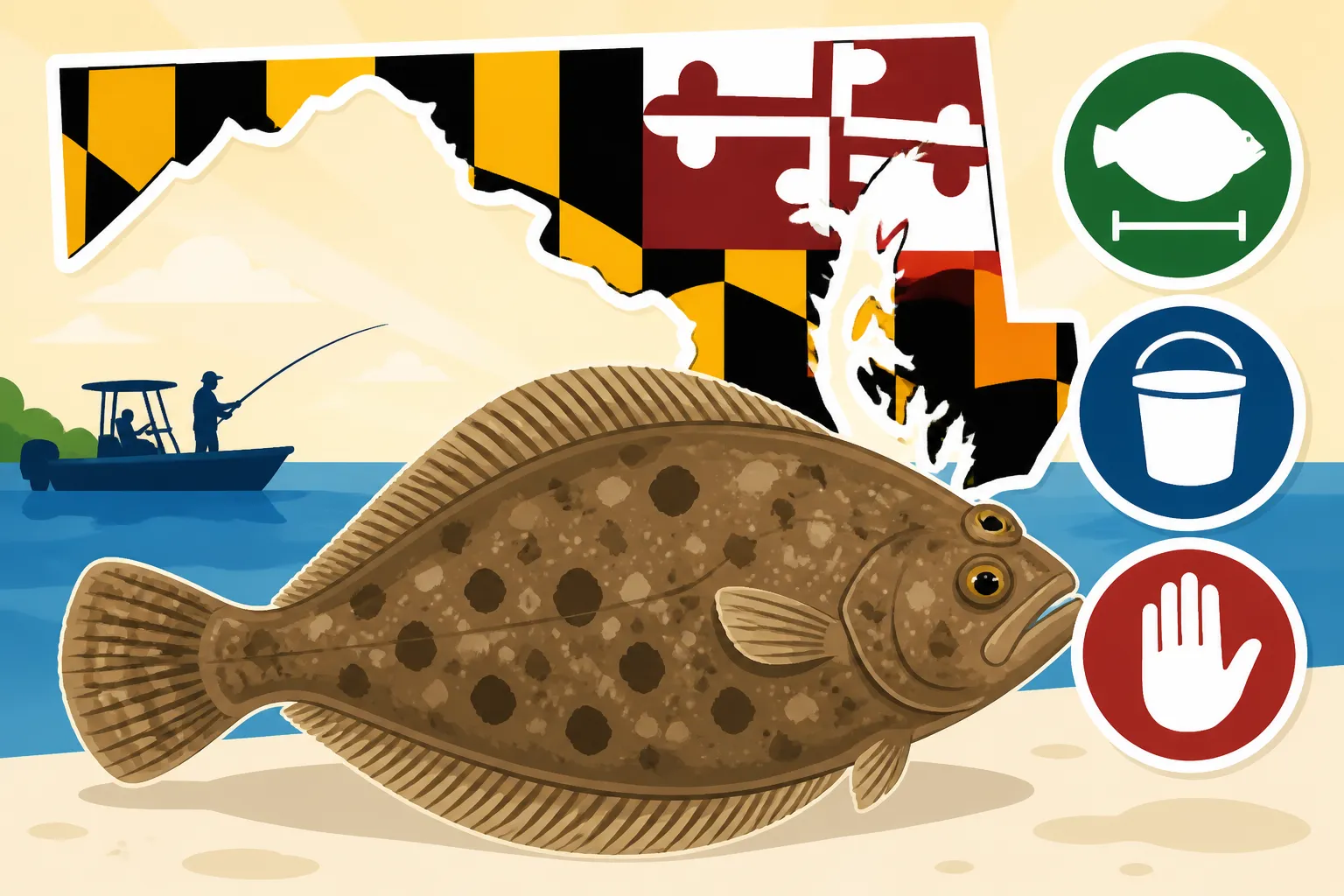
The minimum size limit means any flounder you catch must be at least that long to be legally kept. Catching a short fish requires careful release to ensure its survival. The daily creel limit dictates how many flounder an individual angler can keep in a single day. This isn't a boat limit; it's per person, so everyone on board needs to know their individual count. Finally, season dates specify when you can actually fish for and keep flounder. While flounder seasons in Maryland are often open for much of the year, specific closures or changes to length and creel limits can occur for brief periods, especially if stock assessments warrant stricter measures. Understanding these three pillars is the foundation of responsible flounder fishing.
Specific 2026 Flounder Rules: What Anglers Need to Know
While specific regulations for 2026 aren't officially released until much closer to the season (usually late in the preceding year or early in the new year), we can anticipate them by looking at current trends and the most recent regulations from 2024 and 2025. Typically, the Maryland DNR strives for consistency where possible, especially for popular species. It's always best to check the official Maryland DNR website as the new year approaches, but here's a strong indication of what to expect.
Minimum Size Limit for Flounder in Maryland
For 2024, recreational summer flounder (fluke) in Maryland's coastal and Chesapeake Bay waters generally had a minimum size limit of 19 inches. It's highly probable that the 2026 regulations will remain in this ballpark, likely holding steady at 19 inches. This measurement is taken from the tip of the nose to the tip of the tail.
Measuring accurately is absolutely vital. Imagine reeling in a beautiful flounder, you think it's a keeper, but it's just shy of 19 inches. It's a bummer, but you have to let it go. Trying to stretch a fish or "round up" is not only illegal but also harmful to the fish and the fishery in the long run. Always carry a reliable measuring device like a rigid ruler or a stick-on tape measure. Ensure the fish is laid flat and measure to the very tip of the tail. If there's any doubt, err on the side of caution and release it. This commitment to proper measurement is key to adhering to the rules and protecting the species. You can read more about specific measurement considerations in our guide to Maryland Flounder Size Limit After the June Rule Change.
Daily Creel (Bag) Limit Per Angler
Alongside the size limit, the daily creel limit is another critical component. For 2024, recreational anglers targeting summer flounder in Maryland were generally allowed to keep 4 fish per person per day. This means if you're fishing alone, you can keep up to four flounder that meet the size requirement.
If you're out on the water with a group of friends or family, remember that this is a per angler limit, not a boat limit. So, if there are four licensed anglers on your boat, and everyone catches their limit of four fish, you could theoretically have sixteen keeper flounder on board. However, it's crucial that each individual only possesses their legal limit. You can't, for instance, have one person catch eight fish and claim they're for two people if only one person was actively fishing. This distinction is important for compliance.
Flounder Season Dates and Open Periods
Maryland's recreational flounder season has historically been quite generous, often allowing for fishing year-round in many areas. For 2024, the season for summer flounder was generally open year-round. This broad window provides ample opportunity for anglers throughout the spring, summer, and fall to target flounder.
While a year-round season is typical, it's not impossible for specific closures to be implemented, particularly in certain areas or during sensitive periods like spawning. However, these are less common for flounder than for species like striped bass. For 2026, you can generally expect a similar year-round open season. It’s important to remember that regulations can sometimes differ slightly between the Atlantic Ocean and the Chesapeake Bay, though for flounder they are often harmonized. Always keep an eye on the official DNR announcements, especially before heading out for your first trip of the year.
Here's a quick overview of the expected 2026 Maryland flounder regulations, based on current rules:
| Regulation Type | Expected 2026 Rule | Notes |
|---|---|---|
| Minimum Size | 19 inches | Measured from tip of nose to tip of tail. Strict enforcement. |
| Daily Creel Limit | 4 fish per person per day | Applies to each individual angler, not the boat's total. |
| Season Dates | Open Year-Round (Anticipated) | Subject to change based on stock assessments and federal guidelines. |
Disclaimer: These are anticipated regulations based on current rules and are subject to change. Always verify with the Maryland DNR before fishing.
Navigating the Regulations: Practical Tips for Flounder Anglers
Staying on top of fishing regulations can feel like a full-time job, but a little preparation goes a long way. For flounder fishing, being prepared means having the right tools and knowing where to get the most up-to-date information. It’s all about making your time on the water enjoyable and worry-free.
Essential Gear for Accurate Measurement
We've all been there: you pull a fish out of the water, and it looks just right. But "looks right" isn't good enough when it comes to legal size limits. Having proper measuring tools is non-negotiable. A good, rigid measuring device is your best friend. Flexible tape measures can be tricky to use on a squirming fish and can lead to inaccurate readings, potentially landing you in hot water.
Look for durable rulers made of plastic or metal that won't warp or bend. Many tackle shops and online retailers, like Amazon, sell specialized fish rulers that have a lip at one end to butt the fish's nose against, ensuring a precise measurement every time. Some boats even have measuring tape affixed directly to a cooler lid or a flat surface. Remember to wet your hands before handling fish you intend to release, and quickly measure while the fish is calm, minimizing its time out of the water. This not only protects the fish but also helps you get an accurate read.
Staying Informed About Potential Updates
Because regulations can change, especially with species like flounder that are managed regionally, it's incredibly important to know where to find the absolute latest information. The last thing you want is to be relying on outdated rules.
The single best resource for Maryland fishing regulations is the official website of the Maryland Department of Natural Resources (DNR). They maintain the most current and legally binding rules for all species. Before any trip, especially early in the season, make it a habit to quickly check their "Fishing and Boating Guide" or their specific "Regulations" page. Local tackle shops are also fantastic sources; the folks working there often have their finger on the pulse of any recent changes or emergency closures. It’s also wise to check out the annual Maryland's DNR Fishing and Boating Guide, Explained which is updated yearly, and keep in mind How Often Maryland Updates Its Fishing Regulations so you're never caught off guard.
Understanding Different Waters: Bay vs. Ocean
When you think of flounder, many anglers immediately picture the sandy bottom of the Atlantic Ocean or its coastal bays. However, flounder are also found within the vast expanse of the Chesapeake Bay. It's a common question: do the regulations differ depending on whether you're fishing in the Atlantic or inside the Chesapeake Bay?
For summer flounder, Maryland typically tries to harmonize regulations across its waters, meaning the minimum size and creel limits are often the same whether you're fishing in the ocean or the Bay. This simplifies things considerably for anglers who might fish both environments. However, there can be subtle differences for other species or in specific situations, so it's always worth a quick check. For the most part, though, you can expect the 2026 flounder rules to apply broadly across Maryland's tidal waters where flounder are found. If you’re curious about how rules might vary for other species or across different environments, check out our guide on Do Maryland Ocean Fishing Rules Differ From Bay Rules?.
Disclaimer
The information provided in this guide regarding Maryland flounder regulations for 2026 is based on anticipated rules derived from current and recent regulations. Fishing regulations are dynamic and subject to change by the Maryland Department of Natural Resources (DNR) and federal management bodies. Always consult the official Maryland DNR website or their latest fishing guide for the most current and legally binding regulations before engaging in any fishing activity. Non-compliance with regulations can result in fines and penalties.