Best Guides for Beginners Learning to Fish in Maryland
If you've ever stood on the shore of a beautiful Maryland waterway, rod in hand, feeling a mix of excitement and utter bewilderment, you're not alone. The world of fishing can feel incredibly intimidating for beginners, from understanding complex regulations to knowing which bait to use, where to cast, and even what species you're legally allowed to keep. It's enough to make anyone want to pack up their gear before they even start. But don't let that frustration get the best of you! This guide is here to walk you through how finding the right fishing guide in Maryland can transform that daunting experience into an unforgettable, fun, and educational adventure, setting you up for a lifetime of angling enjoyment.
Why a Fishing Guide is a Game-Changer for Beginners in Maryland
Let's face it, diving into any new hobby can be tough, and fishing in a state as diverse as Maryland, with its vast Chesapeake Bay, winding rivers, and pristine freshwater lakes, adds another layer of complexity. You've got tidal waters, nontidal waters, specific seasons for different fish, and gear that seems to multiply faster than rabbits! A good fishing guide isn't just someone who puts you on fish; they're an educator, a local expert, and a safety net rolled into one, making that first step into fishing far less intimidating and far more enjoyable.
Overcoming the Learning Curve
Imagine trying to learn to drive a car by just hopping in and figuring it out on the highway. Sounds pretty stressful, right? That's what fishing can feel like for a beginner. You might have read articles online or watched a few videos, but nothing beats hands-on instruction. A seasoned guide will show you how to tie knots that actually hold, how to properly cast a line without creating a bird's nest, and how to feel for a bite. They'll demystify terms like "channel edge" or "structure" and explain why fish hang out in certain spots at certain times. It's like having a private tutor for your fishing education, condensing years of trial and error into a single, focused outing. They can even help you understand the nuances between different types of fishing, like bottom fishing for white perch versus jigging for striped bass.
When you're first starting, the sheer volume of information can be paralyzing. What type of rod and reel do you need? Monofilament or braided line? Live bait or artificial lures? Instead of agonizing over these decisions and spending money on gear that might not be right for your intended fishing, a guide provides all the necessary equipment, letting you try before you buy. This also allows you to focus purely on the act of fishing and learning, rather than worrying if your setup is incorrect.
Safety and Local Expertise
Maryland's waters can be beautiful, but they can also be unpredictable. Weather can change quickly, currents can be strong, and navigational hazards exist. A professional fishing guide is not only intimately familiar with the local waterways, but they also prioritize your safety above all else. They know the safe channels, where shallow bars lurk, and how to read the weather patterns. This peace of mind allows you to relax and truly enjoy the experience. You won't have to worry about getting lost, running aground, or encountering unexpected conditions.
Beyond safety, local expertise is invaluable. Guides spend countless hours on the water, observing fish behavior, tracking patterns, and finding those honey holes that aren't on any map. They know where the White Perch Spawning Runs in Maryland Rivers are happening in spring, or where the Best Spots to Catch Blue Catfish on the Potomac are during the summer. This local knowledge significantly increases your chances of catching fish, which, let's be honest, is a huge part of the fun, especially for a beginner. Catching fish builds confidence and reinforces the desire to continue learning.
Gear, Techniques, and Regulations Simplified
One of the biggest hurdles for new anglers is understanding the labyrinthine world of fishing gear and regulations. Do you need a Maryland Fishing License Guide for 2026 for every type of water? What are the Maryland Fishing Size and Catch Limits by Species? A good guide handles all of this for you. Most charter boats or guided trips operate under a blanket license that covers all passengers, so you generally don't need your own individual license while on their boat. However, it's always wise to confirm this when booking, and it's essential to know when Do You Need Your Own License on a Maryland Charter? might apply.
They provide all the necessary rods, reels, tackle, and bait, ensuring you're using the right tools for the job. They'll teach you the specific techniques that work best for the target species in that particular water body. For example, if you're targeting striped bass in the Chesapeake Bay, they might show you how to live-line spot or chum effectively. If you're on a freshwater lake, they'll demonstrate how to cast for largemouth bass with different lures. This hands-on, direct instruction eliminates the guesswork and allows you to learn proper form and strategy from the get-go.
What to Look For in a Beginner-Friendly Fishing Guide in Maryland
Not all fishing guides are created equal, especially when it comes to catering to beginners. Some guides focus on hardcore anglers looking for trophy fish, which might not be the best fit for someone just learning the ropes. When you're new to fishing, you need a guide who is patient, a good teacher, and someone who understands that the experience is as much about learning and having fun as it is about filling the cooler.
Patience and Communication Style
This is perhaps the most crucial quality for a beginner-friendly guide. You want someone who is genuinely excited to teach, not just to fish. They should be patient with tangled lines, missed bites, and endless questions. A great guide will explain why they're doing something, not just what they're doing. They'll break down complex techniques into simple, understandable steps, offering encouragement and constructive feedback without making you feel inept.
Think about your ideal learning environment. Do you prefer a calm, reassuring tone, or someone who's a bit more boisterous? When you're making inquiries, pay attention to how the guide communicates. Are they quick to respond? Do they patiently answer your questions about the trip, the target species, or even simple things like What to Bring on a Maryland Fishing Charter? A guide who takes the time to answer your pre-trip questions thoroughly is likely to be just as patient and helpful on the water. You're looking for someone who can tailor their teaching style to your individual needs, ensuring you feel comfortable and engaged throughout the entire trip.
Focus on Education, Not Just Catching
While catching fish is definitely a huge part of the allure, for a beginner, the educational aspect is equally, if not more, important. A truly beginner-friendly guide understands this. They'll celebrate your first successful cast, your first correctly tied knot, or your first time identifying a particular fish, even if it's not a monster trophy. Their goal should be to instill a love for fishing and provide you with the foundational skills to eventually go out on your own.
They'll teach you about fish identification, habitat, and conservation. They might explain why certain species have specific regulations or why catch and release is important in certain situations. This holistic approach makes the experience richer and more meaningful than just reeling in a fish. You're not just catching; you're learning about the ecosystem, the sport, and responsible angling practices. This emphasis on education is what transforms a single fishing trip into the start of a lifelong passion.
Family-Friendly and Inclusive Options
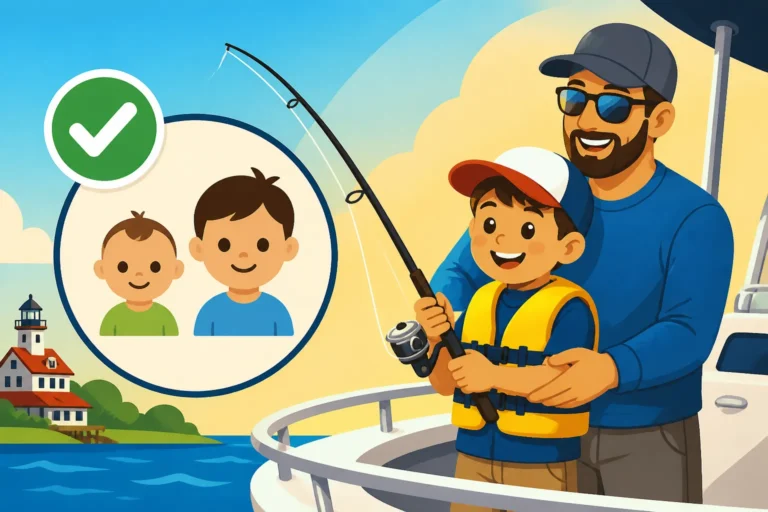
Many beginners are introduced to fishing through family outings, and a guide who welcomes and caters to diverse groups, including children, is a huge plus. Look for guides who explicitly advertise Family-Friendly Charter Trips in Maryland or who have experience with young anglers. They'll often have lighter tackle for kids, be skilled at keeping children engaged, and understand that short attention spans are part of the deal.
An inclusive guide also means they are accommodating to different physical abilities or specific needs. If you're looking to introduce someone to fishing who might have mobility challenges, for example, inquire if the boat is easily accessible. The goal is for everyone to feel welcome and have a positive experience, regardless of age, skill level, or physical capability. This open and welcoming attitude ensures that fishing becomes a hobby for everyone to enjoy.
Types of Fishing Experiences Great for Beginners in Maryland
Maryland offers an incredible variety of fishing environments, and some are naturally more beginner-friendly than others. Choosing the right type of water and target species can make a big difference in your initial success and overall enjoyment.
Chesapeake Bay Near Shore and Pier Guides
For many, the Chesapeake Bay is synonymous with Maryland fishing. While the open Bay can be intimidating, many guides specialize in near-shore fishing or even trips that incorporate fishing from piers. These experiences offer calmer waters and typically target abundant species like white perch, spot, and croaker, which are often eager to bite, providing consistent action for beginners. Imagine spending a relaxing morning casting near a calm shoreline, learning the basics without the added challenge of big waves or strong currents.
Guides specializing in these areas often focus on bottom fishing techniques, which are relatively easy to learn. They'll show you how to bait a simple bottom rig and feel for those tell-tale tugs. These trips are fantastic for families or anyone who might be prone to seasickness, as the water is much smoother. Some guides might even combine fishing with a bit of sightseeing, which can keep everyone entertained. You might explore some of the Best Piers and Shore Fishing Spots in Maryland or learn how to identify different waterfowl or historical landmarks visible from the water.
Freshwater Lake and River Guides
Don't overlook Maryland's freshwater options! Lakes like Deep Creek Lake, Loch Raven, and Liberty Reservoir, or rivers like the Potomac and Susquehanna, offer incredible fishing opportunities that can be perfect for beginners. Guides on these waters often target largemouth and smallmouth bass, crappie, or even trout, depending on the location. Freshwater fishing often involves different techniques, like casting lures or fishing with bobbers and live bait, which can be less complex than some saltwater methods.
A guided freshwater trip provides a peaceful setting to learn casting techniques and how to "read" the water for structure where fish might be hiding. If you're looking to understand the seasonal movements of fish in a contained environment, these guides are excellent. For instance, a guide on the Gunpowder River could introduce you to trout fishing, focusing on techniques and the specific Barbless Hook Rules on Maryland Trout Streams. It's a great way to learn about specific species without the added variable of tides and vast open water.
Ocean City Back Bay Charters
If your Maryland adventure takes you to the coast, the back bays of Ocean City offer another fantastic option for beginner anglers. These shallow, sheltered waters are home to flounder, white perch, and various panfish. The fishing here is typically done from smaller boats, often drifting or anchoring in calm conditions, making it another excellent choice for those new to boating and fishing.
A back bay charter guide will teach you how to target flounder, often using simple bait and jig combinations. They know the channels, the holes, and the best times to hit the tides for active fish. You might learn about the nuances of a Maryland Flounder Size Limit and how to properly measure your catch. These trips offer a quintessential coastal fishing experience without the commitment or potential challenges of offshore fishing. It’s a relaxed environment where you can focus on mastering basic techniques and enjoying the scenic beauty of the coastal marshlands.
How to Find and Book the Best Beginner Fishing Guide
Okay, so you're convinced a guide is the way to go. Now, how do you actually find one that fits your needs? It's not as simple as picking the first name that pops up in a search engine. A little research and knowing the right questions to ask will go a long way.
Online Platforms and Reviews
In today's digital age, one of the easiest ways to start your search is through online booking platforms specifically designed for fishing charters and guides. Services like FishingBooker aggregate listings from captains all over Maryland, including those specializing in beginner trips. These platforms often allow you to filter by location, target species, and even amenities, such as whether a trip is family-friendly or includes all gear.
When using such platforms or even just searching Google, pay close attention to reviews. Look for comments that specifically mention the guide's patience, teaching ability, and how well they handled beginners or children. A guide with a consistent track record of positive feedback from novice anglers is a strong indicator of a good choice. Don't be shy about reaching out to guides directly through these platforms to ask specific questions about their approach to teaching beginners. This upfront communication can give you a really good feel for their style.
Local Tackle Shops and Marinas
While online resources are great, sometimes the best advice comes from local experts. Visit a tackle shop in the area you plan to fish, or walk around a local marina. These places are often hubs for local fishing knowledge. The folks working there usually know the best guides in the area and can give you genuine, unbiased recommendations based on their interactions with captains and feedback from other anglers. They often have business cards or flyers for local guides who might not have a huge online presence but are highly respected in the community.
Striking up a conversation with staff at a tackle shop can yield invaluable insights into what's biting, current regulations, and which guides excel at teaching new anglers. They might even be able to tell you if a specific guide has a knack for engaging kids or if they focus on more advanced techniques. This personal touch can lead you to a hidden gem of a guide.
Key Questions to Ask Before Booking
Once you've narrowed down a few potential guides, it's time to ask some crucial questions. Don't be afraid to be thorough; you're investing in an experience, and you want it to be right.
Here's a quick checklist of questions:
- "Do you specialize in beginner or family trips?" This immediately tells you if their focus aligns with your needs.
- "What species do you typically target on these beginner trips, and what techniques do we use?" This helps manage expectations and ensures you're interested in the type of fishing offered.
- "What's your teaching philosophy? How do you work with first-time anglers?" Listen for signs of patience and a willingness to educate.
- "Is all gear, bait, and tackle provided, or do I need to bring anything specific?" Most beginner charters include everything, but it's good to confirm.
- "Do I need my own fishing license, or does your charter license cover passengers?" As mentioned, most charters cover passengers, but always verify. Maryland Charter Boat License Coverage for Passengers is a common question.
- "What happens if the weather is bad? What's your cancellation or rescheduling policy?" Important for planning and peace of mind.
- "What's the typical duration of the trip, and what's included in the price?" Understand the full scope of the experience and any potential hidden costs.
| Consideration | Beginner-Friendly Guide Features | Less Ideal for Beginners |
|---|---|---|
| Teaching Style | Patient, encouraging, detailed explanations | Impatient, assumes prior knowledge, focuses on results |
| Gear Provided | All necessary, user-friendly rods/reels | Expects you to bring specialized gear, advanced tackle |
| Target Species | Abundant, easier-to-catch fish (perch, catfish) | Hard-to-find trophy fish requiring advanced skill |
| Trip Focus | Education, hands-on learning, fun experience | Catching limits, breaking records, competitive |
| Communication | Clear, proactive, answers all questions | Brief, sometimes vague, less responsive |
| Cost Value | Invests in a learning experience | High cost for specialized trips without teaching |
Remember, booking a fishing guide isn't just about catching fish; it's about investing in an educational, safe, and enjoyable introduction to a wonderful pastime. By choosing a guide who truly understands the needs of beginners, you're setting yourself up for a fantastic first experience and potentially a lifelong love affair with fishing. Don't let the initial overwhelm deter you; there's a guide out there ready to help you cast your first line with confidence. To get a handle on all the local rules, it's a good idea to check out the Maryland Fishing Regulations Guide, Where to Find It. You might also find general information in Maryland's DNR Fishing and Boating Guide, Explained. For families, understanding Do Kids Need a Fishing License in Maryland? and finding the Cheapest Maryland Fishing License Option for a Family of Four are great starting points. You'll soon be ready for a Maryland Fishing License Renewal when the time comes!
Disclaimer
This article is for general informational purposes only and does not constitute professional advice. Laws, prices and regulations vary by location and change over time. Consult a qualified professional for guidance on your specific situation.