How Charter Captains Report Their Catch to Maryland DNR
Have you ever wondered what happens after your fantastic fishing trip with a Maryland charter captain, beyond just celebrating your catch? It's a question many anglers might not consider, but it's crucial for the health of our beloved Chesapeake Bay and its tributaries. This guide will walk you through the often-unseen but vital process of how Maryland charter captains diligently report their catches to the Maryland Department of Natural Resources (DNR), ensuring the sustainability of our fisheries for generations to come.
The Essential Role of Catch Reporting in Maryland Fisheries Management
When you head out on the water with a licensed Maryland fishing charter, you're not just enjoying a day of angling; you're participating in a much larger ecosystem management effort. Every fish caught, kept, or even released, tells a story to the scientists and managers at the Maryland DNR. Without this critical information, making informed decisions about our precious marine and freshwater resources would be like trying to navigate the Bay blindfolded.
Why Data Collection Matters for Our Fisheries
Think about it: the Chesapeake Bay and its surrounding waters are incredibly dynamic. Fish populations ebb and flow, influenced by everything from weather patterns and water quality to fishing pressure. If the DNR didn't have a reliable way to track what anglers are catching, they'd be guessing when it comes to setting limits, opening and closing seasons, and implementing conservation measures. Accurate data collection provides the backbone for understanding population trends, assessing the health of different species, and identifying areas that might need extra protection or specific management strategies. It's not just about counting fish; it's about understanding the entire aquatic landscape. This information helps us grasp the cumulative impact of thousands of charter trips throughout the year, ensuring that recreational fishing remains a viable and enjoyable activity far into the future.
The Maryland DNR's Need for Accurate Information
The Maryland DNR is tasked with a monumental job: balancing the desires of anglers with the long-term health of fish populations. To do this effectively, they need precise, timely data. This data directly feeds into stock assessments, which are scientific evaluations of fish populations to determine if they are healthy, overfished, or recovering. When a charter captain meticulously reports their catch, they're contributing to a collective pool of knowledge that allows the DNR to make data-driven decisions. For instance, knowing how many striped bass (our beloved rockfish!) are caught and released in various parts of the Bay helps the DNR understand spawning success and juvenile survival rates. This information is invaluable when considering rules like Maryland Striped Bass Season and Rockfish Rules or adjustments to Maryland Fishing Size and Catch Limits by Species. It's about ensuring we can all continue to enjoy reeling in that trophy fish, while also protecting the species for future anglers.
Maryland's Mandatory Reporting System for Charter Captains
For those operating a commercial fishing vessel, which includes all licensed charter boats in Maryland, catch reporting isn't just a suggestion—it's a legal requirement. This mandatory system is designed to provide the most accurate and comprehensive picture of recreational fishing effort and harvest. It’s how the state keeps tabs on what’s happening on the water, beyond just individual angler licenses.
The Electronic Trip Reporting (ETR) System
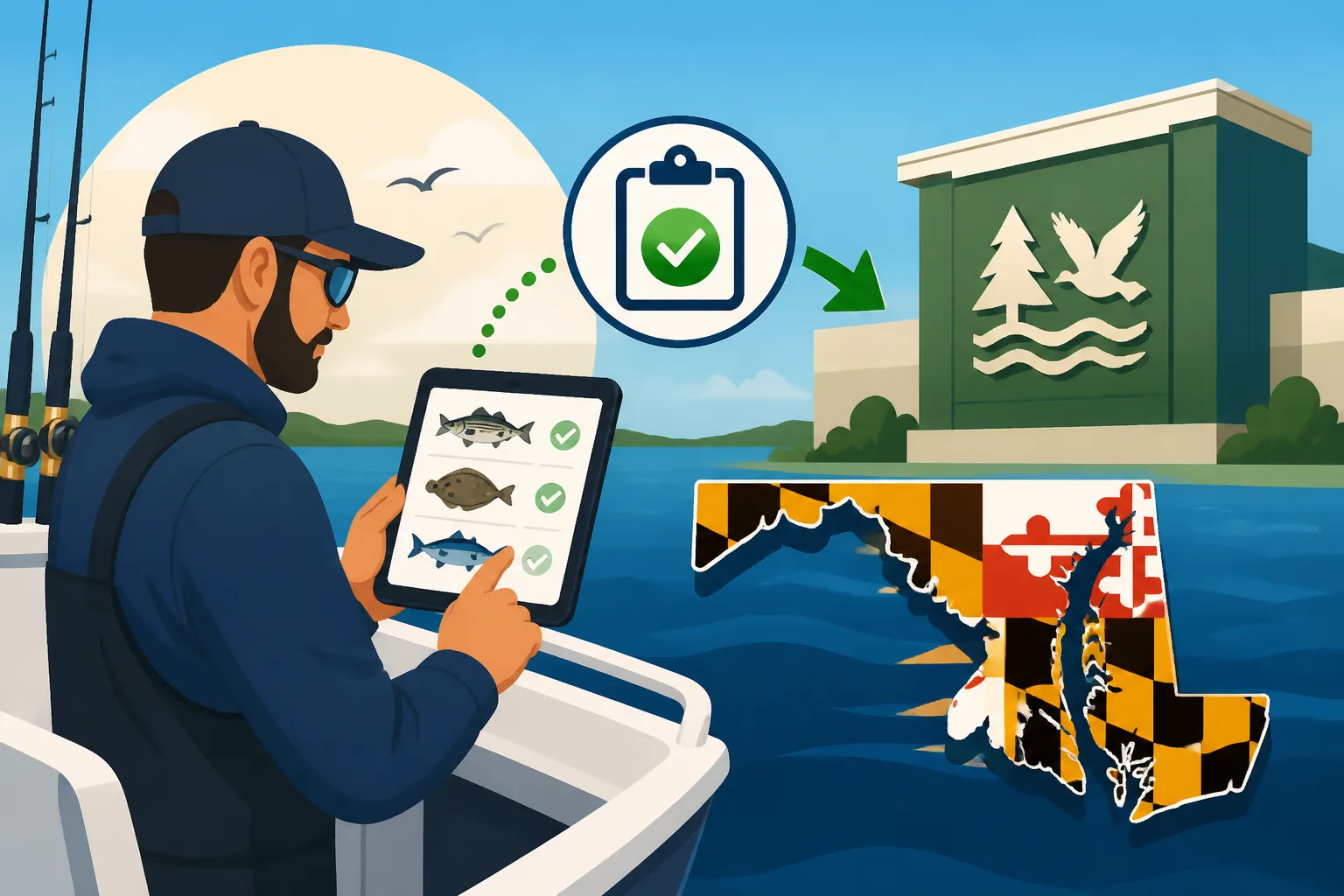
In Maryland, charter captains primarily use an Electronic Trip Reporting (ETR) system to submit their catch data. This isn't some old-school paper logbook (though many still keep those for their own records!); it's a streamlined digital platform designed for efficiency and accuracy. Captains log into a secure online portal, often from a computer or even a mobile device, shortly after returning from a trip. The system prompts them for all the necessary details, making it relatively straightforward to input the required information. The whole point of the ETR is to get data quickly and consistently, allowing the DNR to analyze trends almost in real-time. This system ensures that the information is standardized across all reporting captains, reducing errors and making the data much more useful for fisheries management decisions. Most captains are required to complete their reports within 24 to 48 hours of the trip's conclusion, ensuring the information is fresh and accurate.
What Information is Collected on Each Trip
You might be surprised by just how much detail goes into each report. It's not just "we caught some fish." The ETR system requires captains to input a range of specific data points for every trip. This typically includes:
- Trip Details: Date of the trip, start and end times, duration on the water.
- Vessel Information: The specific vessel used for the charter.
- Effort Data: Number of anglers on board, distinguishing between paying customers and crew.
- Location: General fishing area (e.g., "Upper Chesapeake Bay," "Patuxent River," "Ocean City near the Inlet"). While precise GPS coordinates aren't publicly shared, the general area is important for spatial analysis.
- Gear Used: Type of fishing gear employed (e.g., trolling, jigging, bottom fishing, live-lining).
- Species Caught: For each species, captains report:
- Number Kept: The count of fish harvested and retained by the anglers.
- Number Released: The count of fish caught and then released back into the water. This is critical for understanding fishing pressure on protected species or those with slot limits.
- Size Estimates: Often, a general size range or average size for kept fish.
This detailed breakdown allows the DNR to differentiate between harvest and fishing effort, giving a clearer picture of fish populations and the impact of recreational angling.
Let's look at a simplified example of the type of data a captain might report for a single species on a given trip:
| Species | Number Kept | Number Released (Live) | Number Released (Dead) | General Location | Primary Gear Used | Notes |
|---|---|---|---|---|---|---|
| Striped Bass | 3 | 12 | 1 | Mid-Bay, main channel | Trolling | All kept fish 19-24 inches. One slot fish died on release. |
| White Perch | 35 | 5 | 0 | Eastern Shore creek | Bottom Fishing | Excellent bite, good size. |
| Blue Catfish | 15 | 0 | 0 | Potomac River | Bottom Fishing | Aggressive takes, all harvested (invasive). |
| Flounder | 2 | 8 | 0 | Ocean City back bay | Drifting | Many undersized fish released. |
As you can see, the information goes far beyond a simple headcount, offering valuable insights into the angling experience and its effect on specific fish populations.
Compliance, Verification, and the Impact of Non-Reporting
While most Maryland charter captains are dedicated professionals who understand the importance of catch reporting, the system isn't simply reliant on good faith. There are measures in place to ensure compliance, and serious consequences for those who don't follow the rules. It’s all part of upholding the integrity of the data that guides our fisheries management.
Ensuring Compliance Among Maryland Charter Operators
The Maryland DNR doesn't just put an ETR system out there and hope for the best. They have various methods to ensure that captains are consistently and accurately reporting their catches. This might include:
- Random Dockside Interviews and Checks: DNR enforcement officers are frequently present at marinas and boat ramps. They can approach a returning charter captain and cross-reference their reported catch with what's on board, or simply ask about the day's trip. This presence acts as both a reminder and a deterrent against non-compliance.
- Cross-referencing Data: The DNR can analyze reported data for inconsistencies or unusual patterns. If a captain consistently reports zero catches while others in the same area are reporting good numbers, it might flag them for further investigation.
- Mandatory Training and Education: Many captains attend seminars or receive updates from the DNR about reporting requirements and the importance of accurate data. This helps foster a culture of compliance within the charter fleet.
- Professional Responsibility: Reputable charter captains understand that their livelihood depends on healthy fish stocks. They take pride in being good stewards of the resource, and accurate reporting is a core part of that responsibility. Platforms like FishingBooker, where many anglers find and book their trips, also often emphasize the importance of using licensed and compliant captains, indirectly encouraging proper reporting practices. Choosing a Licensed Captain in Maryland is always a good idea for this very reason.
Penalties and Consequences for Failing to Report
For charter captains, catch reporting isn't an optional bureaucratic hurdle; it's a legal obligation. Failure to comply can lead to significant repercussions that can jeopardize their business and reputation. These penalties are in place to underscore the seriousness of the requirement and to protect the integrity of the state's fisheries data.
The consequences can range from:
- Fines: Initial offenses might result in monetary penalties, which can be substantial.
- License Suspension or Revocation: Repeat offenses or severe non-compliance could lead to the suspension or even permanent revocation of a captain's commercial fishing license and/or their Coast Guard captain's license. Without these, they cannot legally operate a charter business.
- Reputational Damage: In the tight-knit fishing community, word travels fast. A captain known for cutting corners on regulations will quickly lose trust among fellow professionals and, more importantly, with potential clients who prefer to fish with responsible operators. This can severely impact their bookings and business viability, even if they're not explicitly caught for every single infraction.
Ultimately, these penalties serve as a powerful incentive for captains to uphold their reporting duties. It's not just about avoiding punishment; it's about contributing to the collective effort to maintain healthy fish populations and ensure that Maryland remains a premier fishing destination. After all, if the fishing declines due to a lack of proper management, everyone loses out. This ties into the broader legal framework, reminding us that Maryland Fishing License Penalties for Violations can apply to commercial operators just as they do to recreational anglers.
How This Data Shapes Future Fishing Regulations
It's easy to think of regulations as being handed down from on high, sometimes seemingly arbitrarily. But in Maryland, especially concerning fishing, those rules are deeply rooted in the data meticulously collected, primarily through systems like the charter catch reports. This isn't just data for data's sake; it's the foundation of scientific fisheries management.
From Raw Data to Regulatory Decisions
Once the Electronic Trip Reporting data comes in from all the diligent charter captains, the real work begins for the Maryland DNR. Fisheries scientists and statisticians dive into this raw information, along with data from other sources like creel surveys (angler interviews at boat ramps), commercial harvest reports, and scientific research nets. They analyze trends over time, assess the health and size of various fish populations, and model how different management strategies might impact those populations.
This comprehensive analysis then informs recommendations that go before various advisory committees and governing bodies, such as the Atlantic States Marine Fisheries Commission (ASMFC) for species like striped bass, which migrate along the coast. Public input is also a critical part of the process. Meetings are held where the public, including recreational anglers and charter operators, can review proposed regulations and offer their perspectives. It's a transparent process (as much as government can be!), and the data collected by captains directly influences outcomes like decisions on Maryland's 2026 Striped Bass Season Dates, changes to slot limits like the Maryland Rockfish Slot Limit Explained, or even Maryland Emergency Fishing Closures, How They Work if a particular stock is in trouble. It's a continuous cycle: data is collected, analyzed, regulations are set, and then new data is collected to see if those regulations are working. This iterative approach is how Maryland maintains its dynamic and often changing fishing rules.
The Angler's Role in Supporting Sustainable Fisheries
As an angler, whether you're hopping on a charter or casting from shore, you play an integral role in this entire system. While you might not be directly submitting ETR reports, your choice of charter matters. By opting for a licensed, reputable captain—you can often find these through resources like FishingBooker, which lists many Maryland charter operations—you're supporting professionals who are committed to compliance and sustainable practices. These captains contribute to the data pool that ultimately protects the fish you love to catch.
Furthermore, being mindful of your own catch and release practices, understanding and adhering to Maryland Fishing Size and Catch Limits by Species, and educating yourself about species like Maryland Blue Catfish, an Invasive Giant (which often have no limit and should be harvested) all contribute to the bigger picture. When you choose a responsible charter, you're not just buying a fishing trip; you're investing in the future of Maryland fishing. Your participation, your choices, and your respect for the regulations, all work in concert with the captains' diligent reporting to ensure that the thrill of fishing in Maryland remains a cherished pastime for generations to come. Remember, information is power, and in fisheries management, that power helps protect our most valuable natural resources. You can always refer to the Maryland's DNR Fishing and Boating Guide, Explained for the latest official rules and information.
Disclaimer
This article is for general informational purposes only and does not constitute professional advice. Laws, prices and regulations vary by location and change over time. Consult a qualified professional for guidance on your specific situation.