Is a Maryland Fishing License Required for Catch and Release?
It's a common misconception, particularly among those new to the sport or just visiting, that if you're only planning to catch and release fish, you don't really need a license. This couldn't be further from the truth in Maryland, and overlooking this simple requirement can lead to some real headaches, not to mention a significant dent in your wallet. This guide will walk you through exactly why a license is mandatory for all fishing activity in Maryland, including catch and release, what exemptions exist, and how easily you can get properly licensed before heading out.
The Simple Answer: Yes, You Need a License for Catch and Release
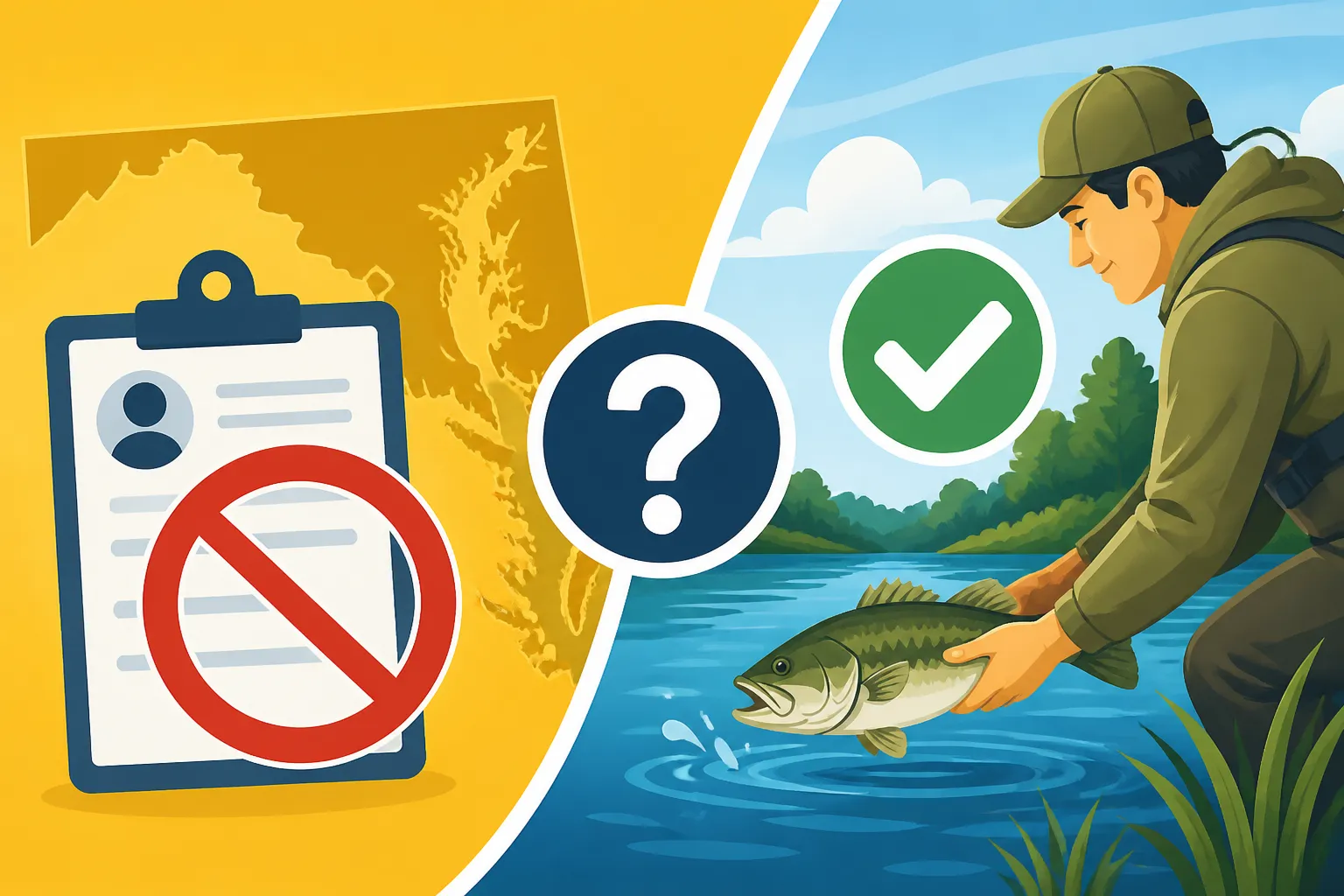
Let's clear the air right away: in Maryland, if you are actively engaged in fishing, whether with a rod and reel, a trotline, or even just a handline, you absolutely need a valid fishing license, regardless of your intention to keep or release your catch. The state doesn't differentiate between harvesting fish for dinner and practicing your angling skills for sport with the intent of letting them go. The act of fishing itself is what triggers the licensing requirement.
Understanding Maryland's Licensing Philosophy
The Maryland Department of Natural Resources (DNR) operates under the principle that all recreational fishing activity has an impact on the state's aquatic resources. Even catch and release fishing, while generally less impactful than harvesting, still involves handling fish, potentially stressing them, and interfering with their natural behavior. Moreover, the presence of anglers on the water or shore, regardless of their intent, means they are utilizing public resources that are managed and maintained by the state.
Think about it this way: your license isn't just a permit to take fish; it's an investment in the health of Maryland's waterways and the future of its fish populations. Every license purchased contributes directly to conservation efforts, habitat restoration projects, fish stocking programs, and the enforcement of regulations that protect these precious resources. If only those who intended to keep fish needed licenses, the funding for these vital programs would plummet, jeopardizing the very fisheries we all enjoy. For those who love spending a peaceful afternoon on the water, even if just enjoying the tranquility and returning every fish, this contribution is invaluable.
The Legal Ramifications of Fishing Without a License
Ignoring the requirement for a fishing license, even if you’re meticulously practicing catch and release, is not just a minor oversight in Maryland; it's a legal infraction that can carry significant penalties. Enforcement officers with the Maryland Natural Resources Police (NRP) are vigilant, patrolling everything from the vast expanse of the Chesapeake Bay to the smallest freshwater streams and ponds. They don't just check for size and creel limits; verifying proper licensing is one of their primary duties.
If you're caught fishing without the appropriate license, you could face fines that range from hundreds of dollars, plus court costs. In some cases, depending on the severity and any previous offenses, penalties could escalate, potentially including the confiscation of your fishing gear. This isn't just a theoretical threat; it happens regularly. Imagine planning a relaxing day on the water, maybe a family outing, only to have it cut short by a costly citation. It’s simply not worth the risk. It’s far easier and much cheaper in the long run to purchase the correct license upfront than to deal with the aftermath of a violation. For a full breakdown, you might want to look into the specific details about Maryland Fishing License Penalties for Violations.
Specific Scenarios and License Exemptions
While the general rule is "always have a license," Maryland does have a few specific exemptions and scenarios where a license might not be required or where your activity is covered by another license. It's crucial to understand these nuances so you can fish confidently and legally.
Age-Based Exemptions for Young Anglers
Maryland is committed to fostering a love for fishing in its younger generations, and to encourage this, the state offers a key exemption based on age. Generally, children under the age of 16 are not required to possess a Maryland fishing license. This is fantastic news for families, as it means you can take your kids, grandkids, nieces, or nephews out for a day of fishing without needing to buy a separate license for them.
This exemption applies across the board, whether you're fishing in freshwater lakes, tidal rivers, or the Chesapeake Bay. It allows young anglers to experience the joy of catching their first fish, even if it's just a small perch that gets promptly released. However, it’s important to remember that while they don't need a license, they are still subject to all other fishing regulations, such as size limits, creel limits, and seasonal restrictions. You, as the accompanying adult, are responsible for ensuring they adhere to these rules. If you're wondering about the specifics, you can learn more about Do Kids Need a Fishing License in Maryland? and What Age Can You Fish Without a License in Maryland?.
Fishing from Licensed Charter Boats
One of the most popular ways to experience fishing in Maryland, especially on the Chesapeake Bay or out of Ocean City, is by booking a trip on a licensed charter boat. These vessels offer guided fishing experiences, and for passengers on these trips, there's another convenient exemption regarding individual licenses.
When you fish on a charter boat or a head boat (party boat) that possesses a valid Maryland Tidal Fish License, you, as a paying passenger, are typically covered by the boat's license. This means you generally do not need to purchase your own individual fishing license for that trip. The captain and crew handle all the necessary licensing for the vessel, simplifying things for their clients. This is a huge benefit for tourists or occasional anglers who don't fish often enough to justify an annual license but still want to enjoy a day on the water. However, always confirm this with your charter captain before your trip to avoid any surprises. You can find more information about this by checking Does the Charter Captain's License Cover Passengers in Maryland?.
Maryland's Free Fishing Days
Maryland also designates specific "Free Fishing Days" each year, typically in June and July. These special days are designed to encourage people who might not otherwise fish to give it a try, and on these days, the fishing license requirement is temporarily waived for all residents and non-residents. It's a fantastic opportunity to introduce friends or family to the sport, explore new fishing spots, or simply enjoy a day on the water without the need to purchase a license.
While the license requirement is lifted, all other fishing regulations remain in effect. This means you still need to abide by species-specific size limits, daily creel limits, and any gear restrictions. Free Fishing Days are widely publicized by the Maryland DNR, and they're a perfect chance to test the waters, even if your intention is purely catch and release. For the most up-to-date schedule, be sure to check the official information on Maryland Free Fishing Days and specifically whether Can You Fish in Maryland Without a License on Free Fishing Days?.
Private Ponds and Property Exceptions
There's often confusion about fishing on private property. If you are fishing in a privately owned, non-commercial pond or lake that is completely enclosed within private land and has no outlet to public waters, you generally do not need a state fishing license. This is often the case for small farm ponds or stocked ponds on private estates.
However, the moment that waterbody has a connection to public waters – even a small stream or ditch that flows off the property – then state licensing rules apply. The same goes for any commercial fishing operations, even if on private land; they usually have their own set of specific regulations and licensing requirements. Always err on the side of caution and check with the property owner and local DNR office if you're unsure.
Why Maryland Requires Licenses for All Anglers (Even Catch and Release)
The requirement for all anglers to possess a license, regardless of their intent to keep fish, isn't just about collecting fees. It's a cornerstone of responsible fisheries management and conservation. This holistic approach ensures the long-term sustainability of Maryland's diverse aquatic ecosystems.
Funding Conservation and Fisheries Management
The most direct and critical reason for universal licensing is financial. Revenue generated from the sale of fishing licenses is the primary funding source for the Maryland DNR's critical fisheries programs. These funds are meticulously allocated to a wide array of initiatives that benefit every angler, from those chasing trophy striped bass in the Bay to those fly-fishing for trout in mountain streams.
Imagine a world without these funds: hatcheries that stock trout and other species would close, habitat restoration projects like oyster reef construction in the Chesapeake would cease, and vital research into fish populations, diseases, and environmental impacts would grind to a halt. License fees directly support the enforcement officers who patrol our waters, ensuring fair play and adherence to regulations, which protects fish populations from overfishing and poaching. These fees also contribute to boat ramp maintenance and public access projects. Even if you're only planning to catch and release, your license fee is directly investing in the future of the sport you love. It’s the engine that drives all conservation efforts, ensuring that there are healthy fish populations for generations to come. For more information on where these funds go, reviewing the Maryland's DNR Fishing and Boating Guide, Explained can be very insightful.
Protecting Maryland's Aquatic Ecosystems
Beyond direct funding, the licensing system helps protect Maryland's aquatic ecosystems by providing invaluable data and enabling comprehensive management. When you purchase a license, you're not just getting a piece of paper; you're becoming a registered participant in the state's efforts to monitor and manage its natural resources.
Every fishing activity, even catch and release, has an impact. Improper handling, stress during the fight, and even the type of gear used can affect a fish's survival rate after release. Regulations, informed by scientific data, aim to minimize these impacts. For instance, special rules like Maryland Striped Bass Season and Rockfish Rules and Maryland Trout Stamp Requirements exist to protect vulnerable spawning fish or specific populations, and these rules apply universally to all anglers, regardless of whether they intend to keep their catch. Accurate angler numbers, derived from license sales, help biologists understand fishing pressure and make informed decisions about stocking levels, season dates, and size limits. Without knowing how many people are fishing, it would be impossible to set sustainable regulations. So, even if you’re releasing every fish, your participation via a license is a crucial part of the broader conservation picture, helping to safeguard species like the iconic striped bass or the delicate wild trout populations.
Getting Your Maryland Fishing License
Now that you understand why a license is necessary for all fishing activities, including catch and release, getting one is thankfully a very straightforward process. Maryland has made it quite accessible for both residents and non-residents to obtain the necessary permits.
Where to Purchase Your License
You have several convenient options for purchasing a Maryland fishing license, ensuring you can get one regardless of where you are or when you decide to head out.
- Online: This is by far the easiest and most popular method for many anglers. The Maryland DNR website provides a user-friendly platform where you can purchase and print your license from the comfort of your home. It’s quick, efficient, and available 24/7, meaning you can even grab a license at midnight if a sudden fishing urge strikes you for the next morning. If you're planning ahead, you can often find useful guides or even specific fishing gear you might need, like a new pair of polarized sunglasses or a durable tackle box, available for purchase on sites like Amazon which can be delivered right to your door before your trip. More details can be found on Buying a Maryland Fishing License Online.
- In-Person: If you prefer a more traditional approach or need to ask specific questions, you can visit a licensed tackle shop, bait and switch store, or even some sporting goods retailers across the state. These vendors are authorized to issue Maryland fishing licenses. It's a great opportunity to pick up some local bait, get a hot tip on where the fish are biting, or grab any last-minute essentials like extra hooks or sinkers. Additionally, many Maryland DNR service centers also issue licenses. For a complete list of locations, you can check the Maryland DNR website. Learning How to Buy a Maryland Fishing License will give you all the options.
- By Mail: While less common today, it is still possible to obtain certain licenses by mail. However, this method takes longer and is generally not recommended if you need a license immediately.
Choosing the Right License for Your Needs
Maryland offers a variety of fishing licenses to suit different needs and types of fishing. It's important to select the correct one to ensure you're fully covered.
- Annual vs. Short-Term: For Maryland residents who plan to fish regularly throughout the year, an annual license is usually the most cost-effective option, such as the Maryland Resident Annual Fishing License Cost. Non-residents visiting for a short vacation might opt for a 3-day or 7-day license. For example, a non-resident looking to fish for a week would likely choose from the Maryland 7-Day Fishing License Options. These short-term licenses are perfect for a quick getaway or a planned fishing trip.
- Tidal vs. Nontidal: This is a crucial distinction in Maryland. Tidal licenses cover fishing in the Chesapeake Bay and its tributaries, as well as the Atlantic Ocean and its coastal bays. Nontidal licenses are for freshwater fishing in lakes, ponds, and rivers that are not subject to tidal influence. Many anglers choose a consolidated license that covers both tidal and nontidal waters, offering the most flexibility. Understanding the Maryland Nontidal vs Tidal Fishing License, Explained is key here. You might even consider picking up a waterproof Maryland fishing map or guide from Amazon that clearly delineates these zones, which can be a lifesaver when you're on the water.
- Additional Stamps/Permits: Depending on what you plan to fish for, you might need additional stamps or permits. For instance, if you plan to fish for trout in designated trout management areas, you'll need a Maryland Trout Stamp, which can often be added to your base license purchase. Similarly, specific species like striped bass may have additional regulations to be aware of. Sometimes, combining licenses, like a fishing and crabbing combo, can be more economical. Don't forget to check the regulations for any unique gear you might use, like a special net you saw on Amazon.
Always double-check the current regulations before you go fishing, as rules can change seasonally or annually.
Maryland Fishing License Options Summary
Here’s a quick overview of some common Maryland fishing license types and their general applicability, keeping in mind that actual costs can vary and it's always best to check the Maryland DNR website for the most current information.
| License Type | Covers Catch & Release | Primary Waters Covered | Target Angler Type |
|---|---|---|---|
| Resident Annual Nontidal | Yes | Freshwater lakes, ponds, rivers | MD Residents, year-round freshwater |
| Resident Annual Tidal | Yes | Chesapeake Bay, tidal rivers, Atlantic Coast | MD Residents, year-round saltwater/tidal |
| Resident Consolidated Sport | Yes | All MD tidal & nontidal waters, includes trout | MD Residents, year-round all-inclusive |
| Nonresident Annual Nontidal | Yes | Freshwater lakes, ponds, rivers | Out-of-state visitors, year-round freshwater |
| Nonresident 7-Day Tidal | Yes | Chesapeake Bay, tidal rivers, Atlantic Coast | Out-of-state visitors, short saltwater trip |
| Nonresident 3-Day Nontidal | Yes | Freshwater lakes, ponds, rivers | Out-of-state visitors, short freshwater trip |
| Trout Stamp (Add-on) | Yes | Designated trout management areas | Any angler targeting trout |
| Chesapeake Bay & Coastal Sport | Yes | Chesapeake Bay, tidal rivers, Atlantic Coast | Both residents & non-residents, specific focus |
This table provides a simplified look. Always confirm the specific details and current pricing on the official Maryland DNR website before making your purchase.
Disclaimer
The information provided in this guide is for general informational purposes only and is subject to change. While we strive to keep the information up-to-date and accurate, fishing regulations, license requirements, and fees in Maryland can be modified by the Department of Natural Resources at any time. It is always the angler's responsibility to consult the most current official Maryland DNR regulations and guides before engaging in any fishing activity. Failure to do so may result in fines or penalties.