What to Do With Fish After a Maryland Charter Trip
You’ve just returned from an incredible fishing charter on the Chesapeake Bay or out of Ocean City, feeling exhilarated from the tug of a big rockfish or the steady pull of a flounder. The sun is setting, your arms are a little tired, and you’re probably already dreaming of that delicious seafood dinner. But then reality sets in: you have a cooler full of fresh fish, and suddenly, you're wondering, "Okay, now what? How do I get this from boat to plate without messing it up?" It's a common moment of blissful confusion, and this guide is here to walk you through exactly what to do with your prized catch once your Maryland fishing charter ties back to the dock.
The Excitement and the Aftermath: Understanding Your Catch
There's nothing quite like the rush of landing a keeper, especially when you've booked a charter specifically for that experience. You've spent hours out on the water, perhaps with a seasoned captain you found through a platform like FishingBooker, learning the ropes and enjoying the stunning Maryland scenery. Now that you're back on solid ground, the process of enjoying your catch truly begins, but it starts with understanding what happened on the boat.
What Happens Right After the Catch on the Boat?
Most reputable Maryland fishing charters operate with efficiency and care. As soon as a legal, keeper-sized fish is brought aboard, the mate or captain will usually take immediate action to ensure its quality. This often involves dispatching the fish humanely and quickly to prevent stress, which can negatively impact meat quality. Then, it's typically placed directly into a large cooler filled with ice, often an ice-and-water slurry, to chill it down rapidly. This quick chilling is absolutely crucial for maintaining the freshness, texture, and flavor of the fish. Think of it like a fine steak – you wouldn’t let it sit out in the sun after harvesting, would you? The same goes for your fish. The sooner it's on ice, the better. This professional handling is one of the many benefits of a Maryland Chesapeake Bay Fishing Charters, What to Expect experience.
Sometimes, if you're catching a lot of smaller fish like white perch, they might go into a bucket of water before being transferred to ice. For larger species like striped bass or bluefish, it's usually straight to the icebox. The goal is always to minimize the time the fish spends out of a chilled environment. If you're on a multi-day trip or a very long offshore excursion, the crew might even start the filleting process at sea, but for most inshore or nearshore charters, the fish are kept whole on ice until you're back at the dock.
Knowing Your Limits: Keeping What's Legal
Before you even think about what to do with your fish, remember that your charter captain is a professional who knows the regulations inside and out. They are responsible for ensuring that all fish kept on board adhere to current Maryland fishing regulations, including size limits, creel limits (how many you can keep), and any season-specific rules. For example, if you're out targeting rockfish, they'll be keenly aware of the Maryland Striped Bass Daily Limit Per Angler and the specific slot limits.
It’s always a good idea for you, as the angler, to have a basic understanding of these rules too. You can generally keep the fish you catch on a Maryland charter, provided they meet all legal requirements. A common question I hear is, Can You Keep the Fish You Catch on a Maryland Charter?, and the answer is usually a resounding yes, as long as it's legal! However, it's the captain's ultimate responsibility to ensure compliance. If you're ever in doubt about the legality of a catch, just ask your captain or mate. They're there to help and keep everyone out of trouble. Ignoring these rules can lead to stiff penalties, not just for the captain, but potentially for you as well. It's best to respect the fish and the regulations that protect them. Remember that these limits are in place for conservation, to ensure healthy fish populations for years to come.
Getting Your Fish Home: From Boat to Cooler
The moment you step off the charter boat, that precious cargo in the cooler becomes your responsibility. Proper handling and transportation from the dock to your kitchen are key to preserving that fantastic fresh-from-the-Bay flavor.
Proper Fish Handling for Quality
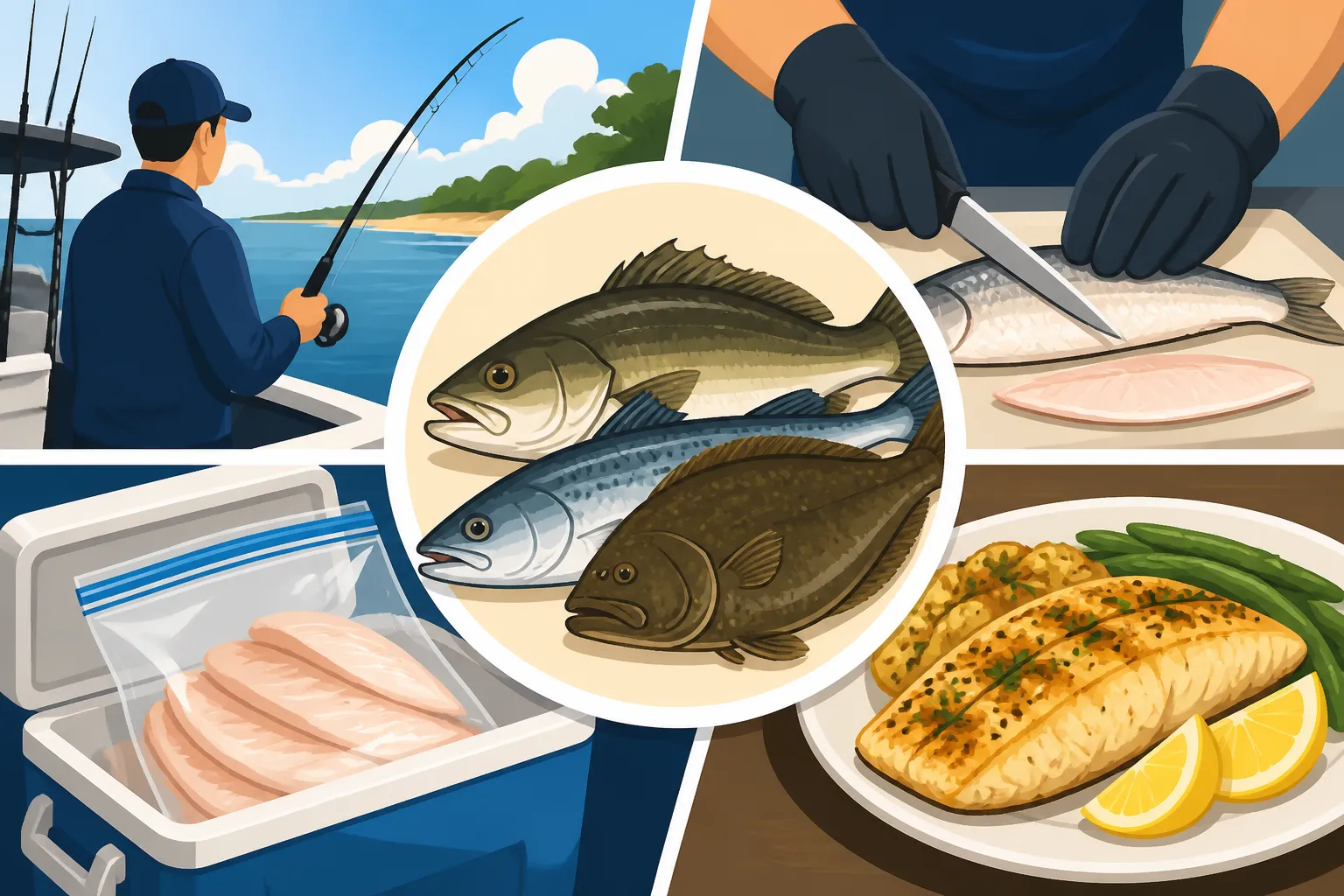
Even after being iced on the boat, how you continue to handle your fish matters a great deal. The primary enemy of fresh fish is warmth and bruising. When you transfer your fish from the boat's cooler to your personal cooler, make sure your cooler is also pre-chilled and packed with plenty of ice. An ice-and-water slurry works even better than just ice cubes, as it makes more direct contact with the fish and chills them more uniformly.
Avoid simply stacking fish directly on top of each other without ice in between. Each fish should be nestled in ice, ensuring maximum contact with the cold. This helps to keep the internal temperature of the fish low, which slows bacterial growth and enzyme activity that can degrade the meat. If you're going to be driving a long distance, it’s not a bad idea to refresh the ice supply before you leave the dock. Some marinas even have ice machines specifically for anglers. Think about how much effort went into catching that fish; a little extra care now will pay off immensely when you cook it. It's all part of making sure your Maryland Fishing Size and Catch Limits by Species result in delicious meals, not wasted fish.
Transporting Your Catch: Cooler Strategies
When it comes to getting your fish home, a good cooler isn't just a suggestion, it's a necessity. We're talking about more than just a picnic basket; you need a quality insulated cooler that can hold ice for hours, especially if you're facing a drive across the state.
Here’s a quick rundown of cooler strategies:
- Pre-chill your cooler: Before you even leave home for the charter, fill your cooler with ice. This cools down the cooler's insulation, making it more effective for the actual journey home.
- Ice, ice, baby: Don't skimp on the ice. A good rule of thumb is to use twice as much ice as fish by weight. If you caught 20 pounds of fish, aim for 40 pounds of ice.
- Drainage matters: While an ice slurry is great for chilling, you don't want your fish swimming in meltwater for too long, especially if you plan to keep them whole. Some coolers have drain plugs that allow you to periodically drain off excess water while keeping the ice.
- Keep it sealed: Once your fish are properly iced, keep the cooler lid closed as much as possible. Every time you open it, you lose valuable cold air.
- Location, location, location: In your vehicle, place the cooler in the coolest spot possible. The trunk can get surprisingly hot on a sunny day. The backseat, perhaps with the A/C directed towards it, might be a better option. You might even want to cover it with a blanket or tarp to add another layer of insulation from the sun.
Remember, the goal is to get your fish from the boat to your processing area (usually your kitchen) as quickly and as cold as possible. If you need a reminder on what else to pack for your trip, check out What to Bring on a Maryland Fishing Charter, which often includes cooler considerations.
| Cooler Strategy | Benefit | Consideration |
|---|---|---|
| Pre-chilling | Maximizes ice retention and chilling power | Requires planning ahead and extra ice |
| Ice Slurry | Fastest and most even chilling | Can lead to fish sitting in water if not drained |
| Ample Ice | Sustained cold temperatures for longer trips | Adds weight and takes up space in the cooler |
| Regular Draining | Prevents fish from soaking in meltwater | Requires access to a drain and disposal area |
| Keeping Sealed | Maintains internal temperature | Tempting to show off your catch! |
| Cool Location | Protects from external heat sources | May take up passenger space in your vehicle |
Filleting Your Fish: The First Step to the Plate
Alright, you've got your perfectly chilled fish home. Now comes the moment of truth: turning that whole fish into delectable fillets ready for cooking. You've essentially got two main paths here: doing it yourself or having a professional take care of it.
DIY Filleting: Tips and Tools
For many anglers, filleting their own catch is a rewarding part of the fishing experience. It connects you even more to the food you're about to enjoy and ensures you get exactly the cuts you prefer. However, it does require a bit of skill and the right tools.
Essential Tools:
- Sharp Fillet Knife: This is non-negotiable. A dull knife is dangerous and makes a mess. Invest in a good quality, flexible fillet knife and keep it razor-sharp.
- Cutting Board: A large, sturdy cutting board that won't slip around is crucial. Many anglers prefer plastic boards for easy cleaning.
- Fish Scaler: Depending on the species and how you plan to cook it, you might want to scale the fish first, though many filleting techniques bypass scaling.
- Gloves: Non-slip gloves can provide a better grip, especially on slimy fish, and protect your hands.
- Access to Water: Being able to rinse your knife and fish periodically helps keep things clean and prevents cross-contamination.
Basic Filleting Steps (General Guide):
- Preparation: Lay the fish flat on your cutting board. For stability, some people use a damp towel under the board.
- First Cut: Make a cut behind the gill plate, down to the backbone.
- Along the Backbone: Turn your knife and run it along the backbone towards the tail, keeping the blade as close to the bone as possible to maximize meat. You'll feel the bones guiding your knife.
- Rib Cage: Once you reach the rib cage, you can either cut over it or under it, depending on the species and your technique. Many prefer to cut around the ribs and then trim them off later, or use a rib-cage-removal tool.
- Skin Removal: Once the fillet is off the bone, lay it skin-side down. Starting from the tail end, make a small cut through the meat but not the skin. Hold the skin firmly and work your knife at a slight downward angle, separating the meat from the skin.
- Rinse and Inspect: Rinse your fillets under cold water and inspect them for any remaining bones (pin bones) or scales. You can use a pair of clean pliers or tweezers to remove pin bones.
There are tons of great video tutorials out there for specific species. Practice makes perfect, and soon you'll be filleting like a pro. Keep in mind, if you're not confident in your skills, or you simply prefer not to deal with it, there's always the next option.
Professional Filleting Services
This is where your charter captain or marina staff can really shine! Many Maryland fishing charters offer filleting services right at the dock, or they can direct you to a local fish cleaner. This is a huge convenience, especially after a long day on the water. Do Maryland Charters Clean and Fillet Your Catch? is a question you should always ask when booking or confirm with the captain before you head out.
What to Expect from Professional Services:
- Cost: Filleting services are usually an additional cost, typically charged per pound of whole fish or per fish. The cost can vary, so it's good to ask beforehand. You might wonder, Is Fish Cleaning Included in the Charter Price? and often the answer is no, but it's readily available for a fee.
- Efficiency: These professionals are incredibly fast and efficient. They can clean and fillet a cooler full of fish in a fraction of the time it would take an amateur.
- Quality: They are experts, so you'll typically get clean, well-trimmed fillets with minimal waste.
- Packaging: Some services will even bag your fillets for you, ready for your cooler. Be sure to bring plenty of Ziploc bags or similar if you prefer them to be individually packed.
- Tipping: If the mate or crew does the cleaning, a good tip is always appreciated on top of any stated fee. They work incredibly hard to make your trip enjoyable and your catch ready for the table.
Choosing a professional service means you can sit back, relax, and know that your fish will be perfectly prepared for cooking or freezing. It’s a small investment for peace of mind and excellent quality.
Beyond the Fillet: Preparing and Storing Your Fresh Catch
Now that you have beautiful, ready-to-cook fillets, the real fun begins! You can either prepare them immediately for a fresh dinner or preserve them for future meals.
Enjoying Your Fresh Fish
There's nothing quite like fresh-caught fish. If you plan to eat your fish within a day or two, keep the fillets refrigerated in an airtight container or zip-top bag, ideally over a bed of ice in your fridge. This keeps them cold and prevents them from absorbing any unwanted odors from other foods.
Quick Tips for Fresh Preparation:
- Simple is Best: For truly fresh fish, you often don't need complex recipes. A light seasoning of salt, pepper, a squeeze of lemon, and a pat of butter, then pan-seared or baked, can highlight the natural flavors beautifully.
- Grilled Goodness: Grilling is another fantastic option, especially for heartier fillets like striped bass. A little olive oil and your favorite herbs are all you need.
- Creative Dishes: From fish tacos with fresh salsa to a classic fish and chips, the possibilities are endless. Consider the texture and oil content of your fish when choosing a recipe. For instance, delicate white perch might be best pan-fried, while flaky flounder is excellent baked or broiled.
Remember, fresh fish is a perishable delight. The sooner you cook and enjoy it, the better it will taste. Don't let that amazing charter trip go to waste by letting your catch sit too long!
Freezing for Future Feasts
Sometimes, you come home with more fish than you can possibly eat in a couple of days, or you just want to savor that taste of the Bay a few weeks down the line. Proper freezing is essential to avoid freezer burn and maintain quality.
Best Practices for Freezing Fish:
- Rinse and Pat Dry: Thoroughly rinse your fillets and pat them completely dry with paper towels. Excess moisture can lead to freezer burn.
- Vacuum Seal: This is by far the best method. A vacuum sealer removes all the air, preventing freezer burn and preserving quality for months.
- Water Glaze Method: If you don't have a vacuum sealer, you can create an ice glaze. Place fillets in a freezer-safe container or bag, cover them with water (this forms a protective ice layer), and then freeze. Once solid, you can sometimes remove the block from the container and vacuum seal it, or just keep it in a sturdy freezer bag.
- Portion Control: Freeze fillets in meal-sized portions. It’s much easier to thaw exactly what you need.
- Labeling: Crucial step! Label each package with the type of fish and the date it was frozen. You might think you'll remember, but trust me, a month later, all white fillets look alike.
- Freezer-Safe Bags/Containers: Use heavy-duty freezer bags or rigid, airtight freezer containers. Regular zip-top bags aren't always thick enough for long-term freezing.
When properly frozen, most lean fish can last 6-8 months, while fattier fish might be best within 3-4 months. When you're ready to cook, thaw the fish slowly in the refrigerator overnight for the best results.
Sharing the Bounty: When You Have Too Much
It’s a fantastic problem to have: you had such a successful trip (perhaps you booked a great captain through FishingBooker!) that you've caught more fish than you or your family can consume. This is where the generosity of anglers truly shines.
Ideas for Sharing Your Catch:
- Friends and Family: Offer fresh fillets to neighbors, friends, or relatives. A gift of fresh, locally caught fish is always appreciated and a wonderful way to spread the joy of your trip. Just make sure to share it quickly before it needs to be frozen.
- Community: Some local food banks or shelters accept donations of fresh, properly handled fish. Check with local organizations in advance to understand their specific requirements. This is a fantastic way to give back and ensure no good fish goes to waste.
- Fish Fry! Host a get-together with the folks who went on the charter with you, or even just your closest friends. A fresh fish fry is a fantastic way to celebrate a successful trip and share the experience. You might even find yourself discussing What Happens to Extra Fish Caught on a Charter and realizing that sharing is the best policy.
No matter what you choose to do with your fish after a Maryland charter trip, the key is to prioritize freshness and safety. From the moment it leaves the water until it lands on your plate, careful handling ensures you get the most delicious reward from your angling adventure. Enjoy every bite!
Disclaimer
This article is for general informational purposes only and does not constitute professional advice. Laws, prices and regulations vary by location and change over time. Consult a qualified professional for guidance on your specific situation.