How Many Fish Can You Keep on a Maryland Charter?
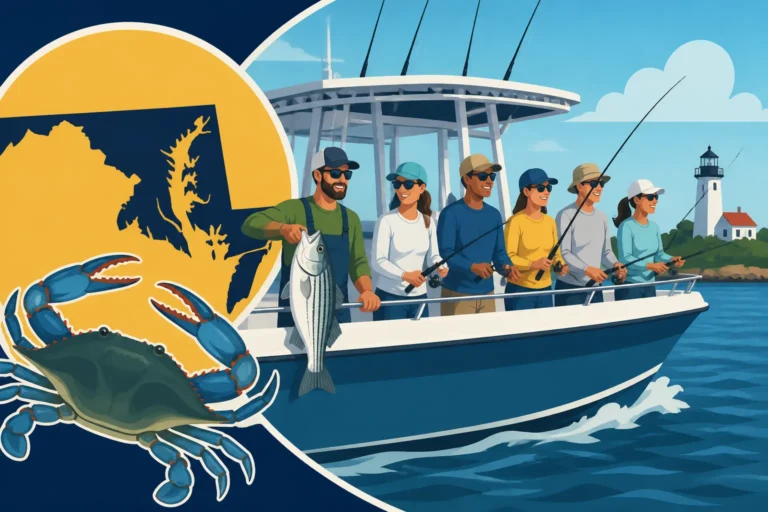
One of the biggest questions that pops up when you're planning a fishing trip in Maryland, especially on a charter boat, is "How many fish can I actually keep?" It's a valid concern, and honestly, navigating all the regulations can feel like trying to untangle a hundred-pound snarl of fishing line. Nobody wants to accidentally break the rules, especially when you're just trying to enjoy a day on the water and bring home some fresh fillets. This guide is all about demystifying those catch limits and helping you understand what to expect when you step aboard a Maryland fishing charter.
Understanding the Foundation of Maryland Fishing Regulations
Before we dive into the nitty-gritty of how many fish you can keep, it's really important to grasp why these rules exist in the first place. Maryland's fisheries, particularly the Chesapeake Bay, are incredibly vital ecosystems, and popular game fish like striped bass (rockfish) are cherished resources. The Maryland Department of Natural Resources (DNR) sets these regulations to ensure that fish populations remain healthy and sustainable for future generations of anglers. It's a delicate balancing act between allowing people to enjoy fishing and protecting the resource itself.
The Role of Conservation in Catch Limits
Think about it this way: if everyone could keep as many fish as they wanted, it wouldn't take long for the fish populations to dwindle. That's why conservation is at the heart of daily creel limits (the number of fish you can keep per day) and size restrictions. These rules are constantly evaluated and can change based on scientific assessments of fish stocks, environmental factors, and even angler input. What was legal last year might be different this year, which can be frustrating, but it's all part of adapting to protect the fish we love to catch.
For example, when a species like striped bass faces conservation challenges, you'll often see tighter limits, shorter seasons, or specific slot limits introduced to help the population rebound. This directly impacts how many of those prized rockfish you can take home. It's not just about one day's catch; it's about the long-term health of the entire fishery, ensuring that our kids and grandkids can experience the thrill of a bending rod in Maryland waters.
Maryland's License Structure and Charter Coverage
Another fundamental aspect is licensing. Many anglers might wonder if they need their own Maryland fishing license when fishing on a charter. Generally, when you book a trip with a licensed Maryland charter boat, the vessel itself operates under a blanket license that covers all paying passengers. This is a huge convenience and one of the many perks of going with a professional outfit. You don't have to worry about buying an individual Maryland Fishing License Guide for 2026 or Maryland Chesapeake Bay Sport Fishing License Explained for yourself for that specific trip.
However, it's always a good idea to confirm this with your specific captain or guide when you book. While most charters cover their passengers, understanding the rules, especially if you also fish from shore or your own boat, is still crucial. A reputable captain will be well-versed in all current regulations and will ensure everyone on board complies, making your trip stress-free. If you're looking for a charter, platforms like FishingBooker often list whether a fishing license is included or if guests need to purchase their own.
Daily Creel Limits and Slot Limits: What They Mean on a Charter
Now, let's get into the specifics of how many fish you can keep. This isn't a one-size-fits-all answer because it varies wildly by species, time of year, and even the specific body of water you're fishing. On a charter, the captain is your guide not just to finding fish, but also to understanding and adhering to these limits.
Understanding "Daily Bag Limit" Per Angler
The "daily bag limit" or "creel limit" refers to the maximum number of fish of a particular species that one individual angler can legally keep in a single day. This is the most common type of regulation you'll encounter. For instance, if the limit for white perch is 25 per person, and you're on a charter with five other people, the total number of white perch that could theoretically be kept by the group would be 150. However, most charters will manage the catch to ensure everyone gets a fair share within their individual limit.
What often happens on a charter is that the total catch is pooled, but the captain or crew will monitor it closely to make sure no individual exceeds their personal limit. This can be tricky with popular species like white perch, where limits are generous, or with striped bass, where limits are much tighter. Your captain will educate you on the current rules for the species you're targeting. For detailed information on specific species, you might want to check out resources like Maryland Daily Bag Limits by Species.
Decoding Slot Limits and Minimum/Maximum Sizes
Beyond just a number, many species in Maryland also have size restrictions. These can be minimum size limits, meaning the fish must be at least a certain length to be kept. This protects juvenile fish, allowing them to grow and reproduce. For example, flounder often have a minimum size to ensure they've had a chance to mature. Maryland Flounder Size Limit is a good example of how these specific rules apply.
Then there are "slot limits," which are a bit more complex. A slot limit means you can only keep fish that fall within a specific length range (e.g., between 19 and 24 inches for striped bass). This protects both the very small, immature fish and the very large, often prime breeding stock. For instance, if you catch a striped bass that's 18 inches, it's too small and must be released. If you catch one that's 26 inches, it's too large and must also be released. The goal here is to encourage anglers to harvest fish from the middle of the population, leaving the breeders to do their important work. This is a crucial concept for Maryland Rockfish Slot Limit Explained.
Catch and Release Considerations
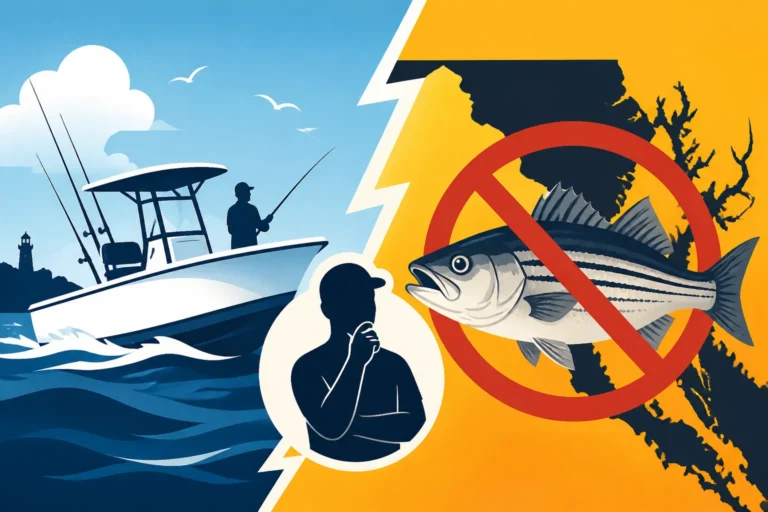
It's also worth noting that even if you're practicing catch and release, especially for species with specific seasons or closures, some rules still apply. For example, during certain Maryland Spawning River Closures for Striped Bass or Maryland's Winter Catch and Release Striped Bass Season, you might be allowed to target striped bass, but all fish must be immediately released unharmed. Your charter captain will guide you through these nuances, ensuring ethical and legal fishing practices even when no fish are being kept.
How Charter Boats Manage and Track Catches
A good charter captain and crew are masters of regulation. They don't just know where the fish are; they also know exactly what the rules are for every species, every day. This expertise is a major reason why many anglers prefer booking a trip with a professional, especially when dealing with complex regulations that can change frequently.
The Captain's Responsibility
The captain of a Maryland charter boat bears the ultimate responsibility for ensuring that everyone on board complies with all state and federal fishing regulations. This includes daily creel limits, size restrictions, and any special seasonal rules. They'll typically brief you at the beginning of the trip, explaining what you can and can't keep, and how they plan to manage the catch. Don't be shy about asking questions! They want you to have a great time, and part of that is understanding the rules so there are no surprises.
They'll have measuring boards on deck and will often handle the measuring and initial processing (like bleeding or icing) of any legal fish caught. This ensures accuracy and adherence to regulations. If you're ever in doubt about a fish's size or whether it's legal to keep, always defer to the captain or mate. They've seen it all and know the rules backward and forward. When you're searching for a charter on a site like FishingBooker, you can often see reviews that mention how well the crew handles catch management and guest education.
Communal vs. Individual Limits
On many charters, especially those targeting species with lower limits, the total number of fish kept by the group might be a collective effort, managed by the captain to stay within the boat's overall capacity and individual angler limits. For example, if the striped bass limit is one fish per person, and you have six anglers, the boat can legally keep six striped bass. The captain will ensure that no single person claims more than their individual limit.
Sometimes, especially with larger groups or on party boats, your individual catch might be tagged or kept separate, ensuring that you personally don't exceed your limit, even if other anglers on the boat haven't caught theirs yet. This helps prevent accidental violations and ensures everyone has a fair chance to take home fish within their legal allowance. It's a common practice to minimize any confusion.
Reporting Requirements for Charter Boats
Did you know that charter captains often have specific reporting requirements to the Maryland DNR? They're part of a crucial data collection effort that helps the state monitor fish populations and the overall health of the fishery. This means they're not just ensuring you follow the rules, but they're also contributing to the larger picture of fisheries management. This commitment to accurate reporting helps inform future decisions on catch limits and seasons, further emphasizing the importance of adhering to the rules on your trip. This kind of data contributes to the DNR's Maryland's DNR Fishing and Boating Guide, Explained, which is updated regularly.
Specific Species: Common Limits You'll Encounter
Maryland is a fantastic place to fish, with a huge variety of species to target. Because the regulations are so species-specific, it's helpful to have a general idea of what to expect for some of the most popular catches. Remember, these are general examples and always check with your captain for the most current rules.
Popular Bay and Freshwater Species Limits
Let's look at a few examples of species you might target and the kinds of limits you could encounter:
- Striped Bass (Rockfish): This is Maryland's state fish and often has the most dynamic regulations due to conservation efforts. Limits can vary by season, body of water (Chesapeake Bay vs. Atlantic Ocean), and often include slot limits. You might see a limit of one fish per person, within a specific slot. Maryland Striped Bass Daily Limit Per Angler is a frequently asked question for a good reason.
- White Perch: A beloved panfish, white perch generally have more generous limits, often allowing for 25 fish per angler per day. These are a blast to catch and make excellent table fare. Maryland White Perch Daily Limit makes for a great family fishing day.
- Blue Catfish: An invasive species, blue catfish have virtually no limits. In fact, Maryland encourages anglers to keep as many as they can, and there are typically no size or creel limits for them. It's an opportunity to catch a lot of fish and help the ecosystem! Maryland Blue Catfish Limit, or Lack of One is a unique situation.
- Northern Snakehead: Another invasive species, snakeheads also have no creel limit, and it's actually illegal to release a live snakehead back into the water once caught. If you catch one, the captain will ensure it's properly handled. Maryland Snakehead Fishing Rules are very specific here.
- Flounder: Found in the coastal bays and ocean, flounder usually have a minimum size limit and a daily creel limit that might vary throughout the year. Your captain will know the exact Maryland Flounder Regulations for 2026.
- Trout: In freshwater streams, trout regulations vary significantly based on whether you're in a Put-and-Take, Delayed Harvest, or Catch-and-Release Only stream. There will be specific creel limits (e.g., 5 per day) and sometimes size restrictions, depending on the stream classification. You might also need a Maryland Trout Stamp Requirements if you're specifically targeting trout in designated areas.
Quick Reference for Common Maryland Species Catch Limits
Here’s a general overview of common catch limits you might encounter, but remember these are subject to change and should always be confirmed with your charter captain for the most current information.
| Species | Typical Daily Creel Limit (Per Angler) | Typical Size Restriction | Notes |
|---|---|---|---|
| Striped Bass | 1 fish | Slot limit (e.g., 19-24 inches) varies by season/area | Highly regulated, can change frequently |
| White Perch | 25 fish | None, or small minimum (e.g., 7 inches in some areas) | Check local DNR guide for specific waterbody |
| Blue Catfish | No limit | No limit | Invasive species, harvest encouraged |
| Northern Snakehead | No limit | No limit, must be killed upon capture | Invasive species, illegal to release live |
| Flounder | Varies (e.g., 4 fish) | Minimum size (e.g., 17-18 inches) | Coastal and Bay regulations can differ |
| Black Sea Bass | Varies (e.g., 10-15 fish) | Minimum size (e.g., 13 inches) | Primarily ocean/coastal waters |
| Red Drum | Varies (e.g., 1 fish) | Slot limit (e.g., 18-27 inches) | Primarily ocean/coastal waters |
| Yellow Perch | 10 fish | None | Popular spring species in upper Bay tributaries |
| Crappie | 30 fish | None, or small minimum (e.g., 9 inches in some reservoirs) | Freshwater reservoirs and ponds |
| Largemouth Bass | 5 fish | None, or specific slot limits in certain reservoirs | Check specific lake/reservoir rules |
This table is a great starting point, but consider it a snapshot. Always, always rely on the expertise of your charter captain or consult the most recent Maryland DNR fishing guide before you head out. They're the ultimate authority on what's legal on any given day. If you're planning a trip, a quick search on FishingBooker for Maryland charters will often provide details on target species and what to expect regarding limits.
Knowing how many fish you can keep on a Maryland charter is really about understanding the balance between enjoying your time on the water and respecting the incredible natural resources we have here. Your captain is there to make sure you have a fantastic and legal fishing experience, so listen to their guidance, ask questions, and get ready to create some lasting memories – and maybe bring home a delicious dinner!
Disclaimer
This article is for general informational purposes only and does not constitute professional advice. Laws, prices and regulations vary by location and change over time. Consult a qualified professional for guidance on your specific situation.