Do Maryland Charters Clean and Fillet Your Catch?
It's a common and totally valid question to wonder what happens to your hard-earned catch once it's aboard a Maryland fishing charter. After a long day battling fish, the last thing you want to worry about is gutting and filleting a cooler full of fish when you get home. Many anglers assume it's part of the package, but the reality can sometimes be a little more nuanced, depending on the specific charter and the type of trip you're on. This guide will walk you through what to expect regarding fish cleaning and filleting services on Maryland charters, so you can plan accordingly and avoid any surprises.
The Expectation: Charters Typically Handle the Catch
For most reputable Maryland fishing charters, especially those operating out of popular ports like Deale, Annapolis, Solomons Island, or Ocean City, cleaning and filleting your catch is a standard offering. It's often seen as a crucial part of the overall customer experience. After all, you've paid for a fishing trip, and part of that experience is being able to take home ready-to-cook fillets, not whole, scaly fish. The crew understands this, and they're usually well-versed in handling various species from the Chesapeake Bay and the Atlantic Ocean.
However, "standard" doesn't always mean "free" or "included in every scenario." It's essential to understand the different levels of service and what might influence them.
What "Cleaning and Filleting" Usually Means
When you hear a charter offers fish cleaning, it generally refers to a few key steps:
- Gutting: Removing the internal organs. This is a basic step that almost all charters will perform, often even before the boat docks, especially for larger fish to cool them down faster.
- Scaling (for some species): Removing the scales, which is common for fish like rockfish (striped bass) or some panfish if you plan to cook them with the skin on.
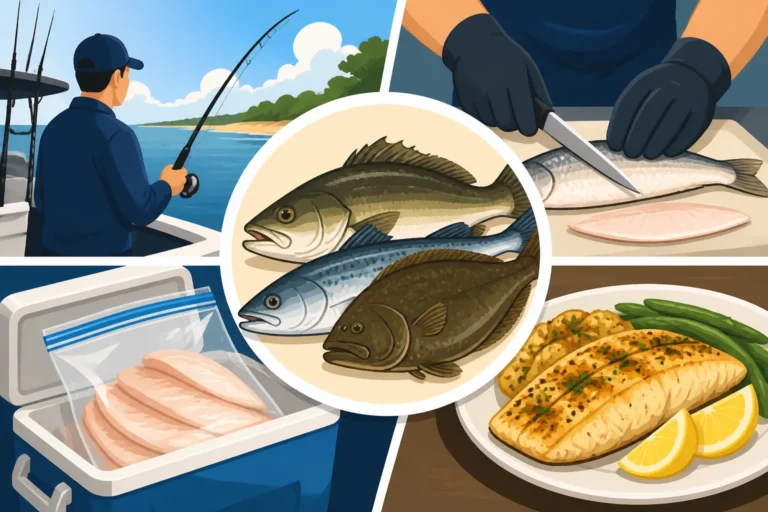
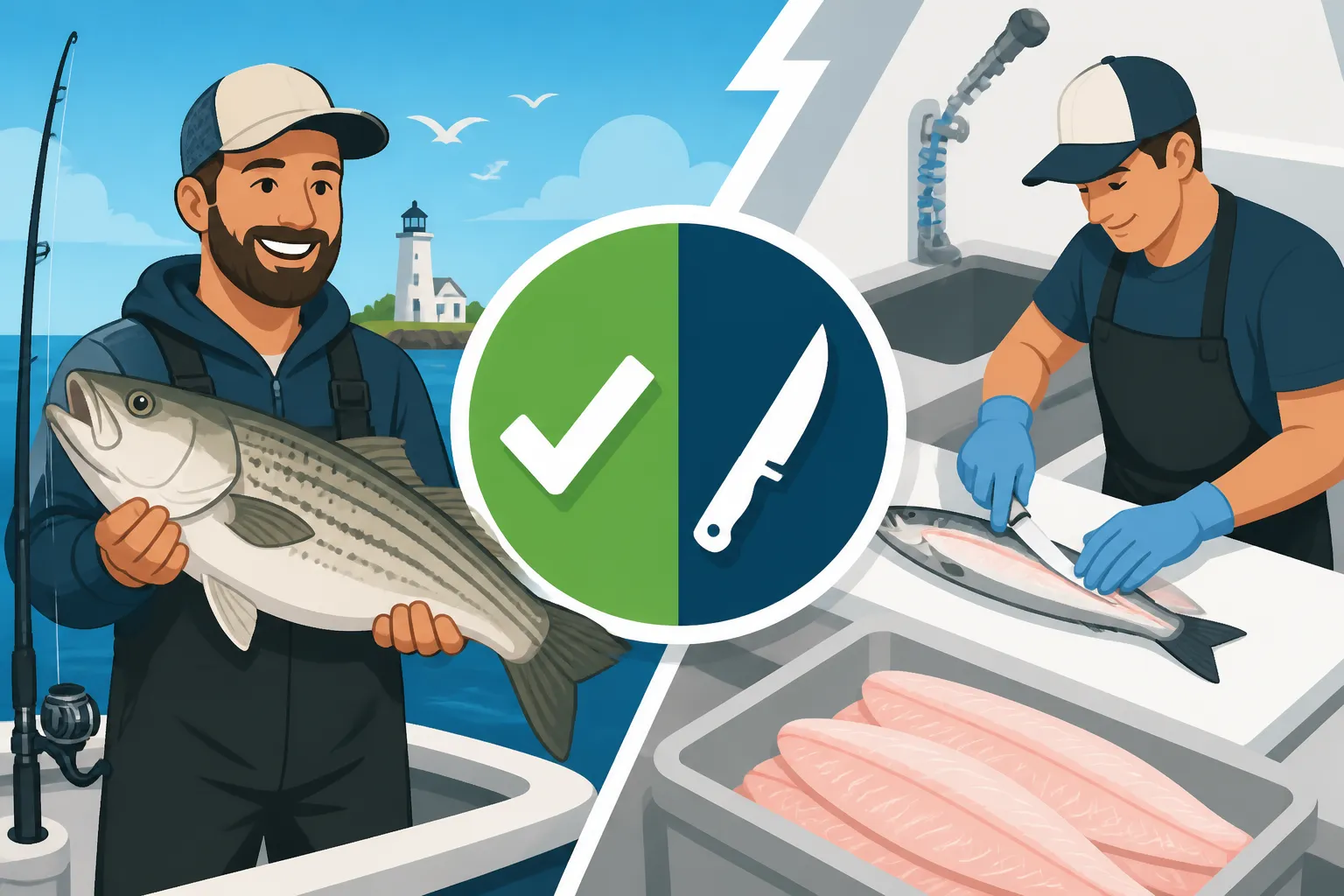
- Filleting: This is the process of removing the meat from the bones, typically resulting in skin-on or skin-off fillets. This is what most anglers are really after, as it makes preparation at home much easier.
- Packaging: Once filleted, the fish will often be rinsed and placed into bags, usually zip-top bags provided by the crew.
- Icing Down: The bagged fillets will then be packed in ice, either in your cooler or the boat's cooler, to keep them fresh for the journey home.
It’s worth noting that smaller species, or those you might cook whole (like a pan-fried spot or croaker), might just be gutted and scaled, rather than filleted, depending on your preference and the crew's usual practice for that species.
Factors Influencing Fish Cleaning Services and Costs
While many charters aim to provide a seamless fish-to-fillet experience, several factors can influence whether cleaning is offered, how thorough it is, and if there's an additional cost involved.
Type of Charter: Private vs. Party Boat
The kind of charter you book often dictates the cleaning arrangements.
- Private Charters: On a private charter, where you've booked the entire boat for your group, the crew (captain and mate) are typically dedicated to your experience. This means they are generally more inclined to clean and fillet all your legal catch. The cost of this service is often factored into the overall price of the trip, though a separate cash gratuity for the mate who does the bulk of the cleaning work is customary and highly appreciated. It’s part of the premium experience you’re paying for.
- Headboats or Party Boats: These larger vessels take many individual anglers out at once. On a party boat, the sheer volume of fish caught by dozens of people can make individual filleting a logistical challenge. While they will often have a designated area or crew member to clean fish, it might be a more basic gutting service, or they may charge a per-fish or per-cooler fee for filleting. Sometimes, they might have a professional fish cleaner waiting at the dock who charges separately. Always clarify this when booking a party boat trip.
Species Caught and Volume of Fish
The type of fish and the quantity you catch can also play a role.
- Easier-to-Fillet Species: Fish like striped bass (rockfish) are relatively easy to fillet, and charters are well-equipped to handle them quickly.
- More Challenging Species: Some species, like bluefish, which can be quite oily and bloody, or certain larger, tougher offshore fish, might require more effort. Invasive species like blue catfish or northern snakehead, which Maryland encourages anglers to keep, are often a priority for cleaning due to their abundance and delicious fillets. Maryland Blue Catfish Limit, or Lack of One
- High Volume: If your group has an exceptionally successful day and fills coolers with fish, the cleaning process will naturally take longer. While a good crew will power through, it's another reason why tipping generously for their effort is important. Conversely, on a party boat, a high volume might mean a quicker, less precise fillet job, or a longer wait.
Crew Availability and Time Constraints
Charter crews work long hours, and their day doesn't end when the lines come in.
- Quick Turnarounds: Some charters might have back-to-back trips, meaning they need to clean the boat and get ready for the next group quickly. This can affect the time they have available for extensive filleting.
- Mate's Role: The mate on a private charter is usually the primary person responsible for handling the fish once it's caught, which includes gaffing, icing, and eventually cleaning. Their time and expertise are valuable. When you look up How Much to Tip a Maryland Fishing Charter Mate, you'll see why their efforts on the cleaning table are a major part of their compensation.
Maryland Regulations
It's crucial to be aware of Maryland's fishing regulations regarding how fish must be presented, especially when transporting them. For species like striped bass, certain parts of the fish (like the head and tail) must remain attached until the fish is landed at the dock or your home. This allows enforcement officers to verify size and species. Therefore, a charter captain will adhere to these rules, sometimes performing only a basic gutting and gilling on the water, with full filleting done back at the dock. This is particularly important for species with strict Maryland Fishing Size and Catch Limits by Species or Maryland Rockfish Slot Limit Explained.
The Cost of Cleaning and the Role of Gratuity
This is where clarity is key. While many private charters include cleaning as part of the overall service, it's universally understood that the mate, who performs the physical labor of cleaning and filleting, earns a significant portion of their income from gratuities.
Is Fish Cleaning "Free"?
On a private charter, the service itself might not have a separate line item fee. However, it's considered part of the service for which you compensate the mate through a tip. A standard gratuity for a good mate is typically 15-20% of the charter price, and this includes their excellent work catching fish and processing them afterward. They often spend an hour or more after the boat docks meticulously cleaning your fish, washing down the boat, and preparing for the next trip.
When Cleaning Might Cost Extra
- Party Boats: As mentioned, party boats often have a separate charge for filleting. This could be a few dollars per fish, a flat fee per cooler, or a set rate for the cleaner at the dock.
- Extraordinary Circumstances: If you've asked for highly specialized cuts, or if you've caught an unusually large quantity of fish that requires significantly more time than a typical trip, some captains might communicate a small additional charge. This is rare, but always good to clarify if you anticipate an enormous haul.
- Shore-Side Services: At some marinas, independent fish cleaning services operate. These are typically pay-per-pound or pay-per-fish. If your charter doesn't offer cleaning, or if you prefer a different level of service, these can be a convenient alternative.
Pro-Tip: Always carry enough cash for gratuities. It's the standard practice and truly shows appreciation for the hard work of the crew.
Preparing Your Catch for the Journey Home
Even with a top-notch cleaning service, you have a role to play in ensuring your fish stays fresh until it hits your dinner plate.
Bringing Your Own Cooler and Ice
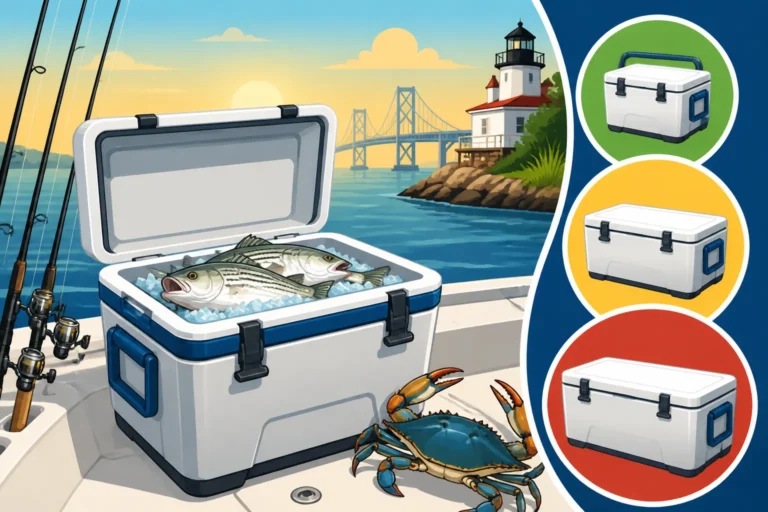
This is non-negotiable. Always bring a large cooler filled with ice. A good rule of thumb is to bring one large cooler for your drinks and snacks, and another, larger cooler just for your catch to take home. The charter boat will typically have ice on board for chilling fish caught during the trip, but you'll need your own for transport.
- Pre-Chill: If possible, pre-chill your cooler with ice the night before.
- Plenty of Ice: You can never have too much ice. Even after filleting and bagging, burying those fillets in fresh ice will keep them in prime condition.
- Size Matters: Consider the size of fish you might catch. For a trophy striped bass, you'll need a cooler that can accommodate those longer fillets.
The goal is to keep that fish as cold as possible, especially on a warm Maryland day, to maintain quality. For more tips, check out What to Do With Fish After a Maryland Charter Trip.
Packaging and Transporting Your Fillets
Once your fish are filleted and bagged by the crew, they'll go straight into your cooler.
- Airtight Bags: The crew will usually provide bags, but it doesn't hurt to bring a few extra large zip-top bags of your own, just in case.
- Labeling: If you're sharing a charter with others, or if you want to remember what you caught when, a small permanent marker can be handy for labeling your bags.
- Regulatory Compliance: Remember the rules about whole fish for certain species. Your captain will ensure compliance during the cleaning process, but if you choose to take any fish home whole (e.g., if you plan to smoke a smaller rockfish), make sure it meets the legal requirements for transport.
| Charter Type | Cleaning Service Included? | Typical Cost (Beyond Tip) | Common Practices | Angler Responsibility |
|---|---|---|---|---|
| Private Charter | Yes, usually part of service | Primarily gratuity for mate | Full gutting & filleting, bagged & iced | Bring large cooler with ice; tip generously for mate |
| Party/Head Boat | Varies (often extra) | Per fish/cooler fee or dock cleaner fee | Basic gutting often free; filleting usually extra | Clarify costs beforehand; bring cooler & cash |
What if Your Charter Doesn't Offer Filleting, or You Want to Do It Yourself?
While it's rare for a private charter to refuse to clean your fish, situations can arise, or you might simply prefer to handle it yourself.
Independent Fish Cleaners at the Dock
Many major fishing ports in Maryland will have independent fish cleaners operating at the docks, especially during peak seasons. They're set up to handle large volumes and can often work faster than you might at home. This is particularly common in Ocean City and sometimes at larger Chesapeake Bay marinas. Their rates are usually posted or can be inquired about, often based on the weight of the cleaned fish.
DIY Cleaning: Back at Home
If you're an avid angler, you might enjoy the process of cleaning your own fish. If your charter provides gutted fish, you're halfway there. Just make sure you have the right tools:
- Sharp Fillet Knife: This is the most important tool. A dull knife makes the job harder and more dangerous.
- Fillet Board: A non-slip surface to work on.
- Cooler with Ice: To keep the fish cold during the process.
- Plenty of Water: For rinsing fish and cleaning up.
For those who regularly fish for trout, understanding techniques and best practices, even for catch-and-release, is important. You might find resources like Maryland Trout Stamp Requirements helpful for specific regulations.
Choosing the Right Charter for Your Needs
To ensure a smooth experience, the best advice is always to ask questions before you book your trip.
Questions to Ask When Booking
- "Do you clean and fillet the fish?"
- "Is fish cleaning included in the charter price, or is there an additional fee?"
- "What is the typical expectation for tipping the mate for cleaning the fish?"
- "Should I bring a separate cooler for my fish, and how much ice should I bring?"
Reputable captains will be transparent about their policies. Don't be shy about asking; it shows you're prepared and thinking ahead. Platforms like FishingBooker often allow you to see charter descriptions and sometimes even reviews that mention fish cleaning services. This can be a great way to compare options and get a feel for what different captains offer. When you're browsing, look for specifics about "fish cleaning" or "filleting" in the amenities or services section.
Reading Reviews and Asking Fellow Anglers
Online reviews, particularly on specialized booking sites or fishing forums, can offer valuable insights into a charter's fish cleaning practices. Anglers often share their experiences, good or bad, about how their catch was handled. Word-of-mouth recommendations from friends or local bait and tackle shop employees are also incredibly reliable resources. Many of the charters that run out of destinations like Annapolis or Deale, whether for Maryland Striped Bass Fishing Techniques or targeting other species, have long-standing reputations that precede them.
Conclusion
The short answer is: yes, the vast majority of Maryland fishing charters will clean and fillet your catch, making it ready for your cooler. It's a standard and expected service that adds immense value to your fishing trip. However, understanding the nuances—like the difference between private and party boats, the role of gratuity for the hard-working mate, and the importance of bringing your own cooler and ice—will ensure you have the best possible experience. Always communicate your expectations upfront with the captain or booking agent, and you'll be enjoying fresh Maryland seafood in no time!
Disclaimer
This article is for general informational purposes only and does not constitute professional advice. Laws, prices and regulations vary by location and change over time. Consult a qualified professional for guidance on your specific situation.