Fishing the Savage River Reservoir
There’s a special kind of frustration that comes with trying to plan a fishing trip to a lesser-known gem like Savage River Reservoir. You hear whispers of its clear waters and abundant trout, but finding solid, detailed information can feel like hunting for a needle in a haystack. Many guides focus on the big, popular spots, leaving you wondering about the specifics of this beautiful western Maryland locale. This comprehensive guide is here to cut through that noise, offering you an in-depth look at fishing the Savage River Reservoir, from its unique ecosystem to the best techniques, local regulations, and everything you need to know for a successful and enjoyable trip.
Understanding Savage River Reservoir's Unique Character
The Savage River Reservoir isn't just another body of water; it's an experience unto itself, nestled deep within the rugged beauty of Western Maryland. For many anglers, it represents a pristine escape from the more crowded lakes and rivers, offering a sense of solitude and connection with nature that's increasingly rare.
A Remote Mountain Gem in Western Maryland
Picture this: winding mountain roads leading you deeper into the Savage River State Forest, the air getting crisper, and the sounds of civilization fading away. That’s the journey to Savage River Reservoir. Located in Garrett County, this reservoir is a testament to Maryland’s diverse landscapes, a stark contrast to the sprawling Chesapeake Bay or the busy reservoirs closer to urban centers. Unlike the bustling Deep Creek Lake, which often sees a flurry of recreational activity, Savage River Reservoir maintains a much more tranquil atmosphere. It’s fed by the Savage River, known for its cold, clean, and highly oxygenated water, which is a critical factor in the type of fishery it supports. The reservoir itself is long and relatively narrow, winding through forested hills, offering countless coves and submerged structures for fish to hide. This remote, wild aspect is precisely what draws many dedicated anglers, offering both a challenge and a deeply rewarding experience. If you’re looking for a true mountain fishing adventure, this is definitely one of the Best Places to Fish in Maryland, especially within the Fishing Spots in Western Maryland's Mountains.
Key Fish Species and What Makes Them Thrive Here
The cold, clear waters of Savage River Reservoir are a haven for specific fish species, primarily trout and smallmouth bass, along with a healthy population of panfish. This isn't a place for warm-water species that prefer stagnant, murky conditions; instead, it's tailored for those that thrive in a cooler, more pristine environment.
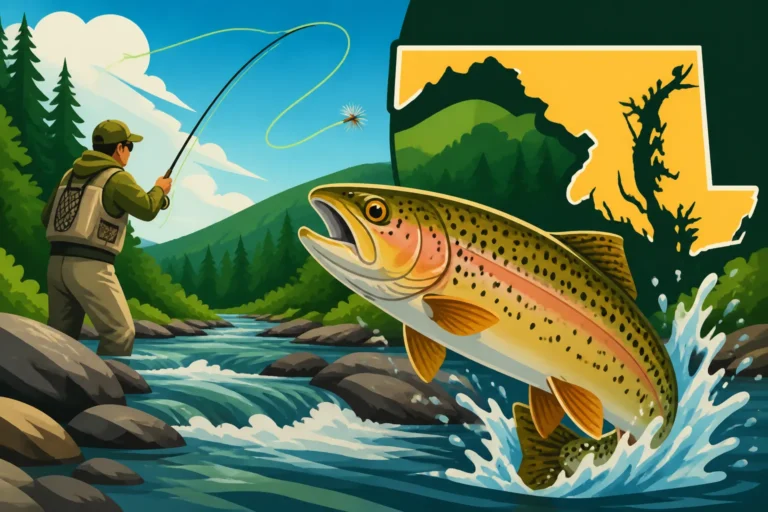
Rainbow Trout, Brown Trout, and even native Brook Trout can be found here, making it a dream destination for trout enthusiasts. The Maryland Department of Natural Resources (DNR) actively stocks the reservoir, especially with Rainbow Trout, to supplement the natural populations, ensuring a vibrant fishery. These trout absolutely adore the reservoir’s consistent cold temperatures and the abundant natural food sources found in its clear waters. For smallmouth bass, the rocky shorelines, submerged timber, and varying depths provide excellent habitat. These aggressive fighters thrive on the reservoir’s structure and the cooler water temperatures compared to more southern bass habitats. You'll also find Yellow Perch, a popular panfish, which provide consistent action, especially for those looking to bring home a tasty dinner. Their presence indicates a healthy forage base and a balanced ecosystem. Understanding why these species thrive here is key to understanding how to catch them.
Essential Fishing Techniques and Seasonal Strategies
Fishing Savage River Reservoir requires a nuanced approach, adapting your techniques to the season and the specific behaviors of the resident fish. It's not a "one-size-fits-all" kind of place, and success often hinges on your willingness to observe and adjust.
Year-Round Opportunities for Different Anglers
The beauty of Savage River Reservoir is that it offers distinct fishing experiences throughout the year, appealing to a wide range of anglers.
- Spring: As the ice recedes and water temperatures begin to rise slightly, spring is prime time for trout. The Maryland DNR often conducts stockings during this period, bringing fresh batches of feisty Rainbow Trout into the reservoir. Both bait anglers and fly fishermen can find success. Smallmouth bass also become more active, moving into shallower areas to feed after their winter dormancy. This is an excellent time for targeting them with jerkbaits or small crankbaits near rocky points.
- Summer: When the summer heat really kicks in, the trout tend to retreat to the deeper, cooler sections of the reservoir, often congregating near the dam or in deeper channels. Downrigging or deep jigging can be effective for reaching them. Smallmouth bass, on the other hand, will often feed actively in the early mornings and late evenings, or during overcast days, making topwater lures and soft plastics cast to shaded areas particularly effective. During the day, they might be found holding to submerged structure in deeper water.
- Fall: As autumn paints the surrounding forests in vibrant hues, the cooling water temperatures signal another fantastic fishing period. Trout become highly active again, feeding aggressively in preparation for winter. Fly fishing can be exceptional during the fall, matching the hatch or using streamer patterns. Smallmouth bass are also on the hunt, often schooling up and feeding voraciously, making them susceptible to a variety of lures. Many consider fall to be the Best Month for Trout Fishing in Maryland in these mountain reservoirs.
- Winter: If the ice conditions are safe and stable, Savage River Reservoir can offer excellent ice fishing opportunities, particularly for yellow perch and smaller trout. Always prioritize safety on the ice and check local conditions before heading out. When the ice isn't thick enough, cold-weather bank fishing for trout can still yield results, especially in areas with slight current or deeper holes.
Popular Baits, Lures, and Rigging for Success
Having the right tackle and technique can make all the difference on Savage River Reservoir. The clear water often means fish can be spooky, so presentation matters.
- For Trout: If you're using bait, popular choices include PowerBait (especially in bright, vibrant colors), live worms, or even small pieces of corn. Rig these on a light line with a small hook and minimal weight to allow for a natural drift. For artificials, inline spinners like Mepps or Panther Martin, small Kastmasters, or tiny spoons in silver or gold are highly effective. Fly fishermen will find success with a variety of patterns, including nymphs (Prince Nymph, Hare's Ear), emergers, dry flies (Elk Hair Caddis, Adams) during hatches, and small streamers (Woolly Buggers). Learning the art of Fly Fishing in Maryland can be particularly rewarding here.
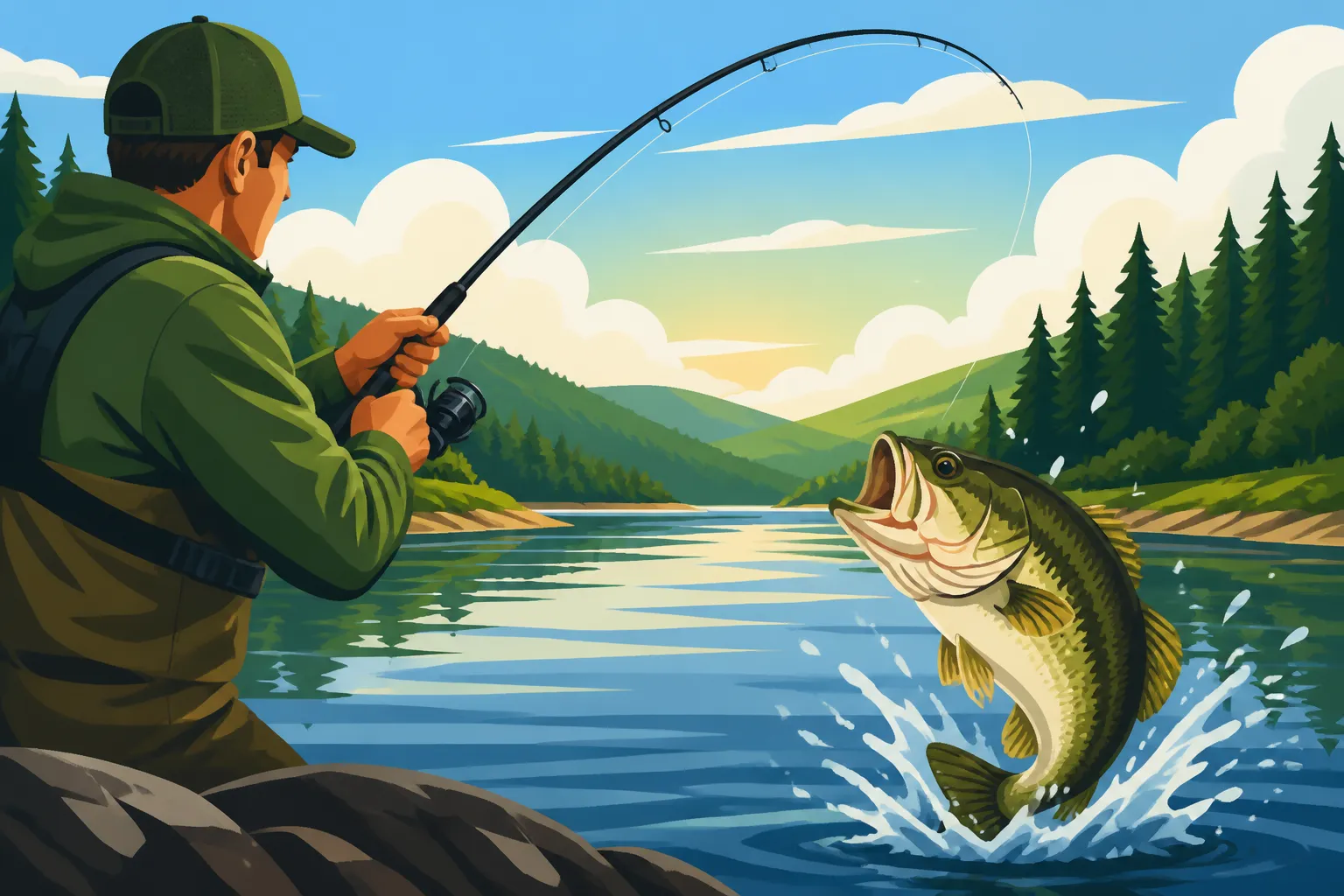
- For Smallmouth Bass: These aggressive fighters respond well to a wide array of lures. Jerkbaits are fantastic in spring and fall, mimicking baitfish. Spinnerbaits and crankbaits worked along rocky shorelines and points can draw explosive strikes. For a more subtle approach, soft plastics like tubes, grubs, and finesse worms rigged Texas or Carolina style are excellent for probing submerged structure. Topwater poppers and walking baits can create thrilling action during low-light conditions.
- For Yellow Perch and Chain Pickerel: Live minnows are a go-to bait, fished under a bobber or on a simple bottom rig. Small jigs tipped with a grub or a piece of worm can also be very effective for perch. For pickerel, larger spoons or spinnerbaits worked around weed beds or submerged timber will often entice a strike. When in doubt, a quick stop at a local tackle shop in Frostburg or Grantsville can provide up-to-the-minute advice on what's biting and what local anglers are using.
Accessing the Reservoir and Boating Regulations
Getting onto and around Savage River Reservoir is part of the adventure, but it's crucial to understand the rules that help preserve its tranquil nature.
There is a public boat ramp available near the Savage River Dam, providing convenient access for those with trailered boats. For kayakers and canoeists, informal launch spots along the shoreline are also accessible. However, a key regulation to be aware of is the motor restriction: only electric motors are permitted on Savage River Reservoir. Gasoline motors, regardless of size, are strictly prohibited. This rule is fundamental to maintaining the peaceful atmosphere and protecting the water quality, allowing for a quieter, more intimate fishing experience. This makes the reservoir a fantastic spot for kayak fishing or those who prefer the quiet efficiency of an electric trolling motor. Shoreline fishing is also a viable option, particularly near the dam and along accessible stretches of the banks. Always be respectful of private property and designated access points.
Navigating Regulations and Planning Your Trip
Beyond the fishing techniques, a successful trip to Savage River Reservoir also requires a solid understanding of Maryland's fishing regulations and thoughtful trip planning.
Maryland Fishing License and Specific Rules
Before you even think about wetting a line, make sure your paperwork is in order. Every angler 16 years of age or older needs a valid Maryland fishing license. Since Savage River Reservoir is a non-tidal freshwater body, you'll need a Maryland Nontidal Fishing License. Additionally, if you plan to target trout, or if you simply possess trout, you'll need to purchase a Maryland Trout Stamp in addition to your basic license. It's a small extra step, but skipping it can lead to hefty fines. You can learn more about this by checking out the Maryland Fishing License Guide for 2026 and Maryland Trout Stamp Requirements.
The Maryland DNR sets specific size and creel limits for various species in the reservoir to ensure sustainable populations. For trout, these limits can vary depending on the season and specific regulations for put-and-take versus catch-and-release areas. Generally, the Maryland Trout Daily Creel Limit will be specified in the annual fishing guide. Smallmouth bass also have size and creel limits, which are designed to protect larger breeding fish and allow smaller ones to grow. For smallmouth, many anglers practice catch and release, especially for the bigger specimens, to help sustain the fishery, even when not strictly required by law. You can read up on the specifics in Maryland Smallmouth Bass Catch and Release Rules. For panfish like yellow perch and crappie, limits tend to be more generous, but it's always best to consult the most current Maryland DNR Fishing and Boating Guide. A common confusion is the distinction between tidal and nontidal waters, but for the reservoir, you're firmly in the nontidal camp, a topic explained further in Maryland Nontidal vs Tidal Fishing License, Explained. Always consult the latest Maryland's DNR Fishing and Boating Guide, Explained for the most up-to-date regulations before your trip, as rules can change seasonally or annually.
Local Amenities and Nearby Attractions
While Savage River Reservoir feels wonderfully remote, you're not entirely cut off from civilization. There are some practical amenities nearby to support your trip and additional attractions if you want to extend your stay beyond just fishing.
The closest towns for supplies, gas, and basic groceries are Grantsville and Frostburg. You'll find tackle shops there that can provide not only gear but also invaluable local knowledge on current conditions and hot spots. If you're looking to make it an overnight or multi-day trip, there are camping opportunities within the sprawling Savage River State Forest, offering a rustic experience close to nature. For those who prefer a roof over their heads, various lodging options, from motels to cabins, can be found in Frostburg or further afield in Cumberland. For adventurers, the Savage River is also renowned for its whitewater rafting and kayaking, particularly the section below the dam, so you might even see some paddlers during your visit. If you're considering a guided trip for fishing or want to explore other fishing opportunities in the region, resources like FishingBooker can help you find local guides for different Maryland waters, though finding one specifically for the Savage River Reservoir might be more of a local word-of-mouth effort due to its specialized nature. Remember to pack everything you need, as convenient stores are not immediately adjacent to the reservoir itself.
Conservation and Responsible Angling Practices
Savage River Reservoir is a special place, and keeping it that way is up to all of us who enjoy its beauty. Practicing responsible angling and adhering to conservation principles are paramount.
The pristine nature of the reservoir’s waters and surrounding forest means adhering to Leave No Trace principles is crucial. Pack out everything you pack in, including all trash, discarded fishing line, and bait containers. Avoid disturbing wildlife or damaging vegetation. For many species, especially the trophy smallmouth and larger trout, practicing catch and release can significantly contribute to the health and sustainability of the fishery. If you do keep fish, only take what you will consume and always abide by the legal size and creel limits. Handle all fish with care, especially those you intend to release, minimizing their time out of water and using proper release techniques. Understanding these practices ensures that this beautiful mountain gem remains a vibrant and cherished fishing destination for generations to come.
Savage River Reservoir Fishing Quick Guide
Here’s a quick overview to help you plan your Savage River Reservoir fishing trip:
| Species Targeted | Best Seasons | Recommended Baits/Lures | Notes |
|---|---|---|---|
| Rainbow/Brown Trout | Spring, Fall, Early Summer | PowerBait, Worms, Spinners, Small Spoons, Nymphs, Dry Flies | Seek deeper water in summer; electric motors only. |
| Smallmouth Bass | Spring, Summer, Fall | Jerkbaits, Spinnerbaits, Soft Plastics, Topwater | Target rocky points, submerged structure. |
| Yellow Perch | Year-round (incl. Ice) | Live Minnows, Small Jigs, Worms | Great for consistent action, good eating. |
| Chain Pickerel | Spring, Fall, Winter | Spoons, Spinnerbaits, Live Minnows | Look for weed beds and timber. |
Disclaimer
The information provided in this guide is for general informational purposes only and is subject to change. Fishing regulations, licensing requirements, and local conditions can vary. Always consult the official Maryland Department of Natural Resources (DNR) website and their most current fishing guide for the definitive and up-to-date rules and regulations before planning any fishing trip. Adherence to all local, state, and federal laws is the sole responsibility of the angler.