Maryland Smallmouth Bass Catch and Release Rules
It's incredibly frustrating when you're out on the water, you hook into a beautiful smallmouth bass, and then suddenly you're second-guessing yourself on whether you're following all the rules, especially when it comes to safe release. You want to do right by the fish and the fishery, but the specific guidelines for catch and release can sometimes feel a bit murky. This comprehensive guide is here to clear up all that confusion, detailing Maryland's smallmouth bass catch and release rules and sharing the best practices to ensure a healthy future for these feisty fighters.
Understanding Maryland's Smallmouth Bass Regulations
Maryland is home to some fantastic smallmouth bass fishing, particularly in our western rivers. But with great fishing comes great responsibility, and understanding the regulations is the first step in being a responsible angler. It's not just about what you can keep, but how you handle what you don't keep.
Why Catch and Release Matters for Smallmouth Bass
Smallmouth bass are a cornerstone of many of Maryland's river ecosystems, particularly the cooler, rocky rivers and streams in the western part of our state. They're not just a thrill to catch; they're an important predator, contributing to the overall balance of the aquatic environment. Unlike some species that might reproduce in huge numbers, smallmouth populations can be more susceptible to overfishing if not managed carefully. That's why catch and release isn't just a suggestion; it's a vital conservation practice that helps ensure sustainable populations for generations of anglers to come.
When you practice catch and release, especially with larger, mature smallmouth, you're allowing those fish to return to the water to spawn again, contributing their strong genetics to the next generation. This is particularly crucial in popular areas like portions of the Potomac River, where fishing pressure can be significant. Every fish safely released is an investment in the future of the fishery, helping to maintain those exhilarating fights that we all love.
General Regulations for Smallmouth Bass in Maryland
The Maryland Department of Natural Resources (DNR) sets specific regulations for smallmouth bass to protect their populations. These regulations often involve length limits and creel limits (the number of fish you can keep). For smallmouth bass, these rules can sometimes vary by water body, so it’s absolutely essential to check the latest Maryland DNR Fishing and Boating Guide before you head out. Generally, there's a minimum size limit and a daily creel limit to ensure that enough fish reach maturity and can reproduce.
For instance, if you're fishing the legendary Potomac River, you'll find regulations designed to protect smaller fish while allowing for a reasonable harvest of larger ones. Often, there might be a slot limit or a minimum size that dictates what fish can be kept. These limits are carefully determined by biologists based on population assessments and growth rates. By adhering strictly to these rules, anglers play a direct role in the biological health of the smallmouth fishery. Remember, even if you intend to release all your fish, knowing the legal sizes and limits is crucial, as you might accidentally injure a fish that is technically "keepable" but you choose to release. For a deeper dive into all the rules, check out the comprehensive Maryland Fishing License Guide for 2026 and the detailed breakdown of Maryland Fishing Size and Catch Limits by Species.
Regional Variations in Smallmouth Bass Rules
One of the biggest pitfalls for anglers is assuming that one rule applies everywhere. When it comes to smallmouth bass in Maryland, this couldn't be further from the truth. The state's diverse waterways mean that regulations can, and do, differ significantly from one river system to another. The Potomac River, for example, is a prime smallmouth destination, but rules might vary along its different stretches, particularly between the tidal and non-tidal sections, or specific tributaries.
Similarly, if you're venturing to the Susquehanna River or its branches, you might encounter slightly different regulations. These variations are not arbitrary; they are tailored to the specific ecological needs and fishing pressure of each particular waterway. Some sections might be designated as "special catch-and-release only" zones for certain times of the year, or have stricter length limits to encourage the growth of trophy-sized fish. It's truly worth the extra effort to pinpoint your exact fishing location and double-check the local rules on the DNR website. A quick check can save you a lot of headache and ensure you're contributing positively to the resource you love.
Best Practices for Catch and Release Fishing
Catch and release isn't just about throwing the fish back; it's about giving that fish the best possible chance of survival and recovery. A poorly handled release can be just as detrimental as keeping a fish beyond the legal limit.
Minimizing Stress and Injury to Smallmouth Bass
The moment a smallmouth bass takes your lure, its body begins to experience stress. The longer the fight, the more exhausted the fish becomes. This is why using appropriate tackle that allows you to land the fish relatively quickly is important, without "horsing" it in. Once you've brought the fish alongside, the critical moments begin. Always wet your hands thoroughly before touching a fish. Dry hands can remove the protective slime coat that acts as the fish's first line of defense against parasites and bacteria. Imagine having your skin rubbed raw – that's what dry hands can do to a fish.
Support the fish horizontally, especially larger ones, to avoid damaging its internal organs or spinal column. Holding a fish vertically by the jaw, while common, can put undue strain on its delicate structures. Minimize the time the fish spends out of the water – literally, every second counts. If you need a quick photo, prepare your camera beforehand and have a plan.
One of the most impactful things you can do is use barbless hooks. The barb on a hook is designed to keep the fish on, but it also makes removal more damaging. You can buy barbless hooks, or simply take a pair of pliers and crimp down the barb on your existing hooks. Tools for this, or even pre-made barbless hooks, are readily available. Many anglers find a good pair of pliers or a de-hooking tool on Amazon to be indispensable for quick, clean hook removal. While often associated with trout, the principles of Barbless Hook Rules on Maryland Trout Streams apply equally well to smallmouth bass conservation.
Selecting the Right Gear for Gentle Release
Your choice of fishing gear plays a significant role in successful catch and release. As mentioned, using a rod and line strong enough to land the fish without an excessively long fight is key. Ultra-light tackle on a large smallmouth might be thrilling, but it can push the fish to its metabolic limits, making recovery difficult.
When it comes to landing nets, opt for rubberized or knotless mesh nets. Traditional knotted nylon nets can abrade a fish's slime coat, damage fins, and even get hooks tangled in the mesh, prolonging the unhooking process. Rubberized nets are much gentler on the fish's delicate tissues and gills, and hooks rarely get stuck. They allow for a quicker, safer release. Many anglers invest in high-quality rubberized landing nets, and you can find a wide selection of them on Amazon that are perfect for smallmouth bass. Additionally, a pair of long-nosed pliers or a specialized de-hooker can make removing hooks much easier and faster, further reducing handling time and stress on the fish.
Reviving and Releasing Smallmouth Bass Successfully
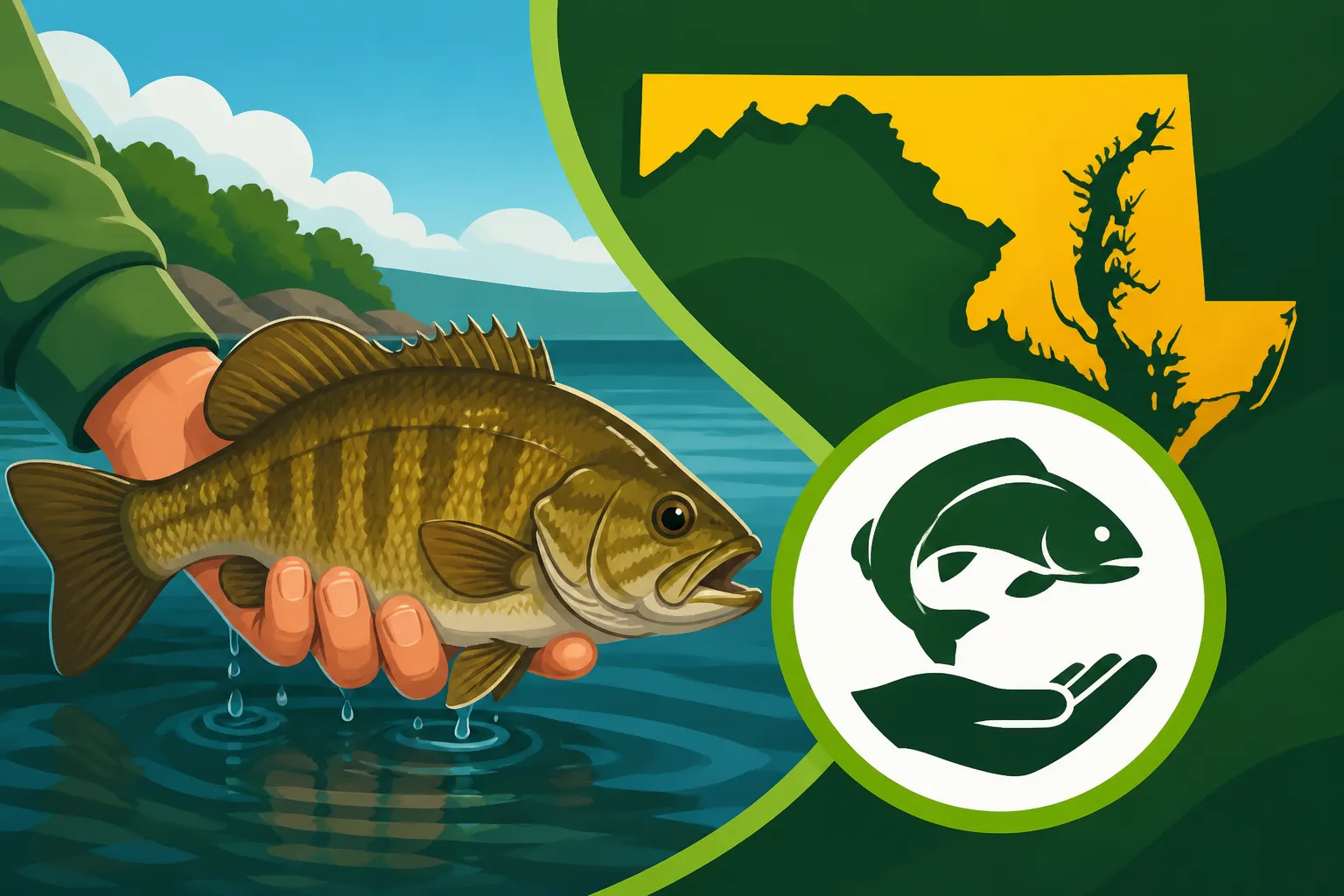
Sometimes, even with the best handling, a smallmouth bass might be exhausted after the fight. Knowing how to properly revive a fish is crucial. Once unhooked, hold the fish gently in the water, facing into the current. If there's no current, move the fish back and forth slowly to push water over its gills. This helps to get oxygen-rich water flowing through them. Do not push the fish backward, as this can force water the wrong way through their gill filaments.
Look for signs of recovery: the fish will start to move its fins, regain its natural color, and eventually try to swim away on its own. It's vital to wait until the fish is strong enough to swim off forcefully, rather than just floating away. If it seems weak, continue the revival process. Releasing a fish that is too weak just leaves it vulnerable to predators or unable to recover from the stress of the fight. The goal is for the fish to swim away confidently, ready to fight another day. These practices are especially important during critical times, much like the Maryland Catch and Release Rules During Closed Seasons that apply to other species.
Seasonal Considerations for Smallmouth Bass Catch and Release
The time of year you fish can significantly impact the survival rate of released smallmouth bass. Environmental factors like water temperature and spawning cycles make fish more or less vulnerable to the stresses of being caught.
Spring Spawning and Post-Spawn Vulnerability
Spring is a magical time for smallmouth bass, as it’s when they move into shallower waters to spawn. Male smallmouth diligently guard their nests, making them particularly aggressive and easier to catch. However, this also makes them incredibly vulnerable. Catching a male bass off its nest can leave the eggs exposed to predators like panfish, significantly impacting the success of that year’s spawn. For this reason, many states implement special regulations or closures during the spawning season. While Maryland may not have specific closures for smallmouth in all areas, anglers are strongly encouraged to practice extreme care and minimal handling if fishing during this sensitive period.
Post-spawn, both male and female smallmouth are often recuperating, having expended massive amounts of energy. They may be more susceptible to stress and disease, and less able to recover from a strenuous fight. Fishing during this time demands an even greater commitment to quick, gentle catch and release. For general insights into peak fishing times, you might want to review the Best Time of Year to Fish in Maryland.
Summer Stress and Water Temperature
Summer brings warm water, and for smallmouth bass, this can mean lower oxygen levels in the water and increased physiological stress. Warmer water holds less dissolved oxygen, and a fish fighting on a line will be working extra hard, consuming more oxygen. If the water temperature climbs significantly, say above 75°F (24°C), the stress of being caught can become lethal, even with perfect handling. When water temperatures are high, consider postponing your smallmouth fishing trip or targeting them during the cooler parts of the day, such as early morning or late evening.
Look for areas with deeper, cooler water, or oxygenated riffles and rapids. If you do catch a smallmouth in warm water, it’s even more critical to land it quickly, handle it minimally, and revive it thoroughly until it swims off with vigor. Sometimes, the best practice in very warm water is simply to not fish for smallmouth at all, choosing to pursue other species that are more tolerant of the heat. Understanding How Weather Fronts Affect Maryland Bass Fishing can also help predict water temperature shifts.
Fall and Winter Fishing for Smallmouth
As water temperatures cool in the fall, smallmouth bass become more active and less stressed by capture. The cooler water holds more oxygen, and their metabolic rates are lower, meaning they recover much more easily from a fight. Fall fishing can be fantastic for smallmouth, as they feed aggressively to prepare for winter.
Even into winter, in some of Maryland’s deeper river sections or tailwaters, smallmouth can be targeted. While their activity levels slow significantly, the cold water means that catch and release survival rates are generally excellent, assuming the fish aren't exposed to freezing air for extended periods. In colder months, the main concern is keeping your hands warm and ensuring the fish doesn't get frostbite from prolonged air exposure. A quick, efficient release is always the goal, but the colder environment offers a wider margin for error in terms of fish survival.
The Role of Anglers in Smallmouth Bass Conservation
As anglers, we're not just users of the resource; we're also its most passionate stewards. Our actions, both individually and collectively, have a direct impact on the health and future of Maryland's smallmouth bass populations.
Reporting Violations and Supporting DNR Efforts
One of the most powerful tools in conservation is vigilance. If you witness someone violating fishing regulations – whether it's keeping undersized fish, exceeding creel limits, or using illegal methods – reporting it is crucial. The Maryland DNR relies on informed citizens to help enforce regulations and protect our fisheries. It can feel uncomfortable to report a violation, but it's essential for the long-term health of the resource. You're not being a "tattletale"; you're actively contributing to conservation.
The DNR also works tirelessly to manage fish populations, conduct scientific research, and implement stocking programs where necessary. By following all regulations, purchasing your fishing licenses, and educating fellow anglers, you directly support these vital efforts. Your license fees often go directly back into funding these conservation programs. If you ever need to report a suspected violation, you can always contact the Maryland Fisheries Complaint and Poaching Hotline.
Participating in Conservation Programs
Beyond following the rules, many opportunities exist to get more involved in smallmouth bass conservation. Local angling clubs, watershed groups, and environmental organizations often organize river cleanups, habitat restoration projects, and citizen science initiatives. These can include stream monitoring, invasive species removal, or even advocating for better water quality in smallmouth habitats. Imagine spending a weekend volunteering to plant native vegetation along a stream bank, knowing that your efforts will provide crucial shade and habitat for juvenile smallmouth for years to come.
These grassroots efforts are incredibly effective and rewarding. They allow you to connect with other passionate anglers and environmentalists, and contribute directly to the health of the very waters you love to fish. Many of these groups focus on improving habitats in areas like the Potomac and Susquehanna Rivers, which are vital for smallmouth. For ideas on where to focus these efforts, a good starting point could be the Best Places to Fish in Maryland guide to understand key areas.
Maryland Smallmouth Bass Regulations Overview
To help you keep track, here's a general overview of Maryland's smallmouth bass regulations. Always remember to consult the latest Maryland DNR Fishing and Boating Guide for the most current and specific rules for your chosen fishing location, as these can change.
| Water Body / Type | Minimum Size Limit | Daily Creel Limit | Special Notes |
|---|---|---|---|
| Statewide (General) | 11 inches | 5 fish | Subject to specific water body exceptions. |
| Potomac River | 14 inches (often) | 5 fish | May have specific sections with different rules, e.g., "trophy" sections or catch-and-release only periods. |
| Susquehanna River | 12 inches (often) | 5 fish | Check for specific regulations on different branches or stretches of the river. |
| Deep Creek Lake | 12 inches | 5 fish | Specific to the lake; often includes both largemouth and smallmouth in combined bass limits. |
| C&O Canal (Nontidal) | 11 inches | 5 fish | Fishable sections adhere to nontidal regulations; always verify specific stretch rules. |
Note: This table is a simplified overview. Always check the official Maryland DNR Fishing and Boating Guide for the most up-to-date and localized regulations before fishing.
Disclaimer
The information provided in this guide is for general informational purposes only and is subject to change. Fishing regulations in Maryland are updated periodically by the Maryland Department of Natural Resources (DNR). It is the sole responsibility of each angler to review and comply with the most current official regulations published by the Maryland DNR before engaging in any fishing activities. Failure to do so may result in fines or penalties.