Best Month for Trout Fishing in Maryland
Trying to figure out the absolute "best" month to go trout fishing in Maryland can feel like chasing a phantom. Every angler has their favorite time, and the truth is, what's "best" really depends on what kind of trout fishing experience you're after. This guide will break down Maryland's trout fishing opportunities month by month, helping you pinpoint exactly when and where to find your perfect day on the water.
Understanding Maryland's Trout Seasons and Stocking Schedule
Maryland's trout fishing scene is incredibly dynamic, largely thanks to the diligent efforts of the Maryland Department of Natural Resources (DNR). They manage an extensive stocking program that injects thousands of rainbow, brown, and even golden rainbow trout into our state's waterways each year. This means that while some states might have short, intense trout seasons, Maryland offers opportunities year-round, provided you know where to look and what to expect.
The core of successful trout fishing in Maryland revolves around understanding the stocking schedule. These stockings are not random; they are strategically timed to coincide with favorable water temperatures and angler access. Knowing when the fresh fish are hitting the water is often the key to consistent action. Beyond the stocked fish, Maryland also boasts a network of wild trout streams, mostly tucked away in the cooler, western regions, which operate on a different set of rules and offer a more challenging, rewarding experience.
Spring: The Gold Rush
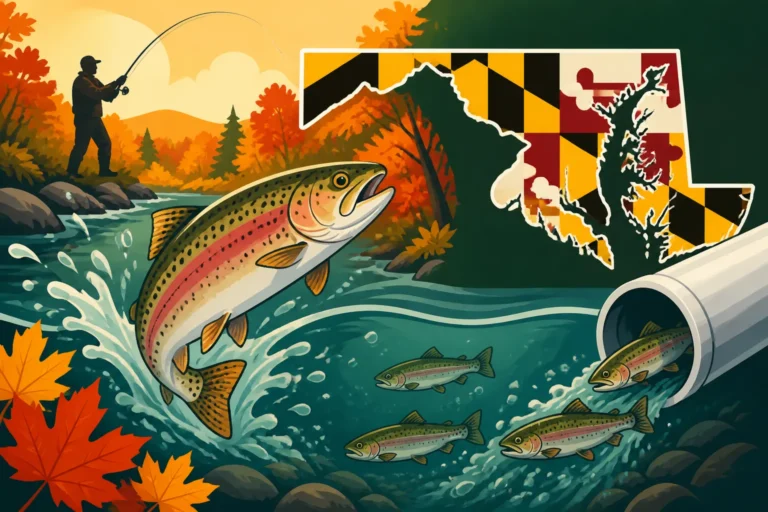
Ah, spring! For many Maryland trout anglers, March, April, and May represent the undisputed peak of the season. This is when the weather finally starts to break, the trees begin to bud, and most importantly, the Maryland DNR kicks off its massive Spring Trout Stocking Season. Rivers and streams that were quiet through the winter suddenly burst to life with freshly stocked fish.
The Pre-Season Rush and Opening Day Excitement
Before the official statewide opening day for trout season, Maryland often has a "pre-season" stocking. This is a highly anticipated event, though details vary year to year, and many waters are temporarily closed to fishing immediately after these stockings to allow the fish to acclimate and spread out. The actual "opening day" for trout fishing is usually in late March or early April and is practically a holiday for many families and avid anglers. Imagine hundreds of people lining the banks of popular spots like the Patapsco River or the Gunpowder Falls, all casting their lines in hopes of landing one of the eager, newly released trout. It's a vibrant, community-filled atmosphere, perfect for introducing kids to fishing or for seasoned anglers looking for fast action. You’ll often find these stockings focus on easily accessible "put-and-take" areas, designed for high catch rates.
Prime Conditions and Abundant Fish
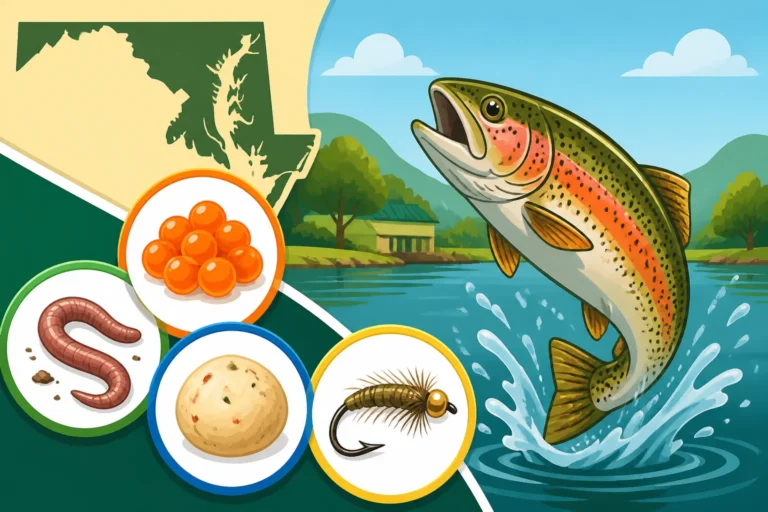
During these months, water temperatures are typically ideal—cool enough for trout to be active but not so cold that they’re sluggish. The spring rains often keep water levels up, providing excellent habitat and cover. Freshly stocked trout are generally less wary than their wild counterparts, making them more receptive to a wide variety of baits and lures. PowerBait, corn, worms, and small spinners like Mepps or Panther Martins are perennial favorites. Fly anglers will find success with attractor patterns and nymphs, particularly if there are early insect hatches. The sheer volume of fish released during this period means that even if you're not a highly experienced angler, your chances of catching your limit are significantly higher. This makes spring an excellent time for beginners or those simply looking to fill their cooler.
Summer: The Challenging Months
As Maryland heats up from June through August, trout fishing definitely shifts gears. The easy pickings of spring often give way to more challenging conditions. Don't get me wrong, it's still possible to catch trout, but it requires a change in strategy and a deeper understanding of trout behavior.
Warm Water Woes and Fish Survival
The biggest challenge in summer is rising water temperatures. Trout are coldwater fish, and anything above 70°F (around 21°C) can be stressful or even lethal for them. Many of Maryland's smaller, shallower put-and-take streams become too warm, causing stocked trout to either migrate to deeper, cooler pockets or, unfortunately, perish. This is a critical time for conservation-minded anglers; if you find yourself fishing in warm water, it's often best to switch to a catch-and-release mentality, handling fish as little as possible to maximize their survival. Focus your efforts on the cooler hours of the day—dawn and dusk—when water temperatures are at their lowest.
Delayed Harvest and Wild Trout Havens
This is where Maryland's Delayed Harvest Trout Streams truly shine. These waters are stocked in spring and fall, but regulations restrict harvest until June 15th (or sometimes later), and often implement tackle restrictions like artificial lures only, or even fly-fishing-only, and barbless hooks. By summer, the fish in these sections have had time to grow a bit, become more educated, and often migrate to the cooler sections of the stream. Similarly, our pristine wild trout waters, primarily found in the mountains of Western Maryland like sections of the Savage River or the Casselman River, maintain cooler temperatures due to their elevation, dense tree cover, and spring-fed sources. Fishing these areas requires more finesse, stealth, and typically involves fly fishing with small, delicate patterns matching emerging insects. It's a completely different experience than the spring rush, offering solitude and the thrill of outsmarting truly wild fish.
The Fall Comeback: A Hidden Gem for Trout Anglers
While spring gets all the glory, autumn is arguably the "best month for trout fishing in Maryland" for many experienced anglers seeking quality over quantity. The air cools, the leaves turn vibrant, and the crowds thin out considerably. More importantly, the Maryland DNR once again begins its trout stocking operations.
Second Stocking Wave and Cooler Temperatures
As September rolls into October and November, Maryland's trout streams experience a beautiful resurgence. Water temperatures drop back into the ideal range (45-60°F), revitalizing the fish and making them more active. The DNR conducts a significant Fall Trout Stocking Season, often targeting the same popular put-and-take streams as in spring, but also sometimes including specific sections designed for sustained fisheries.
What makes fall particularly special is that the fish stocked in autumn often have a better chance of surviving through the winter due to consistently cooler temperatures and less fishing pressure compared to spring. This means they can grow larger and become more challenging to catch. Additionally, fall is a prime time for brown trout, which are known for their vibrant fall spawning colors and aggressive behavior as they prepare to reproduce. For anglers who enjoy a more serene fishing experience, with fewer people on the banks and breathtaking scenery, the fall simply cannot be beaten. Think about casting a spinner or a brightly colored streamer into a pool surrounded by fiery red and gold foliage – it's an unforgettable experience.
Focusing on Delayed Harvest and Wild Trout Waters
Just like in summer, the cooler temperatures of fall make the Fishing Maryland's Delayed Harvest Trout Streams and wild trout sections incredibly productive. In many delayed harvest areas, the "no-kill" or "artificial lures only" regulations remain in effect through the fall, ensuring a healthy population of larger, smarter fish. These fish have seen a few flies and lures by now, so presentation and fly selection become paramount. Dry fly fishing can be exceptional during specific hatches, and nymphing is consistently effective.
For the purist, fall on a wild trout stream in Western Maryland offers solitude and the chance to target truly native fish. These streams, often smaller and requiring some hiking to access, hold populations of brook and brown trout that are a testament to Maryland's natural beauty. It's a completely different game than chasing recently stocked fish; you'll need to be stealthy, read the water carefully, and make precise casts. This is also when you'll often encounter larger, more aggressive brown trout as they become territorial for spawning. If you're looking for a peaceful, challenging, and rewarding trout fishing experience, fall is your season.
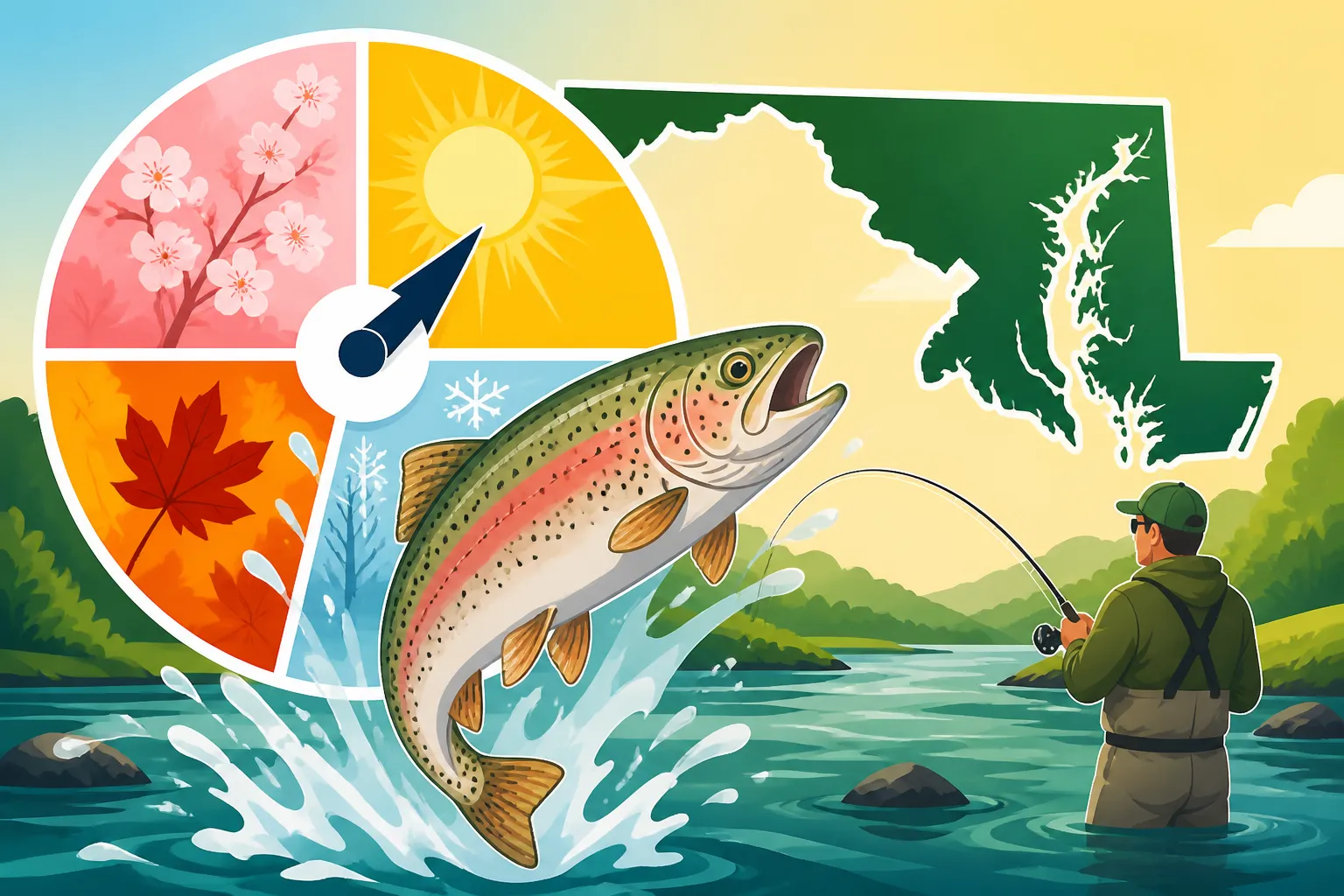
| Season | Typical Months | Best For | Conditions & Considerations | Popular Tactics |
|---|---|---|---|---|
| Spring | March – May | High catch rates, family outings, beginners | Frequent stockings, cold to mild water, high angler pressure initially | Bait (PowerBait, worms), spinners, nymphs, attractor flies |
| Summer | June – August | Challenging wild trout, delayed harvest, solitude | Warm water (stressful for trout), low water levels, less stocking | Small nymphs, dry flies (early/late), light tackle, stealth |
| Fall | September – November | Quality fish, beautiful scenery, less crowded | Cooler water, fall stockings, active brown trout, good survival rates | Nymphs, streamers, small spinners, dry flies |
| Winter | December – February | Solitude, larger holdover fish, patience | Very cold water, slow metabolism of fish, limited access | Deep nymphing, slow retrieves with lures, jigging |
Winter's Quiet Opportunities
When the bitter cold of December sets in and stretches through January and February, many anglers pack away their gear until spring. However, for the truly dedicated, winter can offer surprisingly good trout fishing in Maryland, particularly for those seeking solitude and the challenge of enticing sluggish, cold-water fish.
Targeting Deep Pools and Slower Runs
Trout in winter behave much differently than their active spring or fall counterparts. Their metabolism slows down considerably, and they become less inclined to chase fast-moving prey. Instead, they conserve energy by holding in deeper, slower-moving pools and runs, often near the bottom where water temperatures are most stable. Finding these thermal refuges is key to winter success. Look for stretches of water with good depth, minimal current, and overhead cover like fallen logs or undercut banks. These spots provide both shelter from the cold and protection from predators.
Your approach needs to be slow and methodical. Forget flashy retrieves or aggressive presentations. Instead, focus on subtle movements that mimic lethargic baitfish or nymphs. Suspending bait under a float in a deep pool, or slowly jigging a small tungsten nymph along the bottom, can be incredibly effective. Consider using a sensitive rod and light line, as strikes can be very subtle. Remember that the fish are not going to move far to eat, so putting your bait or lure right in front of them is essential.
Gear and Safety for Cold Weather Fishing
Winter trout fishing isn't just about technique; it's also about preparation and safety. Maryland winters can be unpredictable, with temperatures plummeting and ice forming rapidly. Dressing in layers is crucial, starting with a good base layer that wicks moisture away from your skin, followed by insulating layers, and a waterproof outer shell. Don't forget a warm hat, gloves, and waterproof, insulated boots. Many anglers also find portable hand warmers invaluable.
For gear, you might consider longer rods for better line control and lighter presentations. Fluorocarbon line can be advantageous in clear, cold water due to its low visibility. When it comes to lures, small jig heads tipped with soft plastics, tungsten nymphs for fly anglers, or tiny spoons can be effective. Products found on platforms like Amazon, such as high-quality merino wool socks, waterproof fishing gloves, or even specialized ice fishing gear (though less common for stream trout, the principles of cold-weather fishing apply), can make a huge difference in your comfort and ability to stay out longer. Always let someone know where you're going and when you expect to return, especially if you're venturing into more remote areas. The beauty of winter fishing lies in its quiet isolation, but that also means you need to be extra cautious.
Choosing Your Preferred Trout Season in Maryland
Ultimately, the "best month for trout fishing in Maryland" is a personal preference. Each season offers a unique experience, from the frenetic energy of spring stocking days to the peaceful solitude of a winter stream.
Spring (March-May): If you're looking for high catch rates, family fun, and don't mind a bit of a crowd, spring is your go-to. The DNR stocks heavily, and the fish are typically eager biters. This is also a fantastic time for beginners to gain confidence and experience the thrill of consistent action. You'll find many popular streams are easily accessible and well-maintained. Remember to check the Maryland Fishing License Guide for 2026 to ensure you have the proper permits, including a Maryland Trout Stamp Requirements if you plan on fishing designated trout waters.
Summer (June-August): For those who prefer a challenge, quiet waters, and a focus on native or holdover fish, summer can be surprisingly rewarding. You'll need to seek out cooler water—think higher elevation streams, shaded sections, or deep pools. This is a prime time to explore Maryland's wild trout streams or practice your finesse techniques in Fly Fishing in Maryland on delayed harvest waters. Patience and careful presentation are your best friends here.
Fall (September-November): Many seasoned anglers consider fall the true gem of Maryland trout fishing. The crowds thin, the scenery is stunning, and the DNR conducts another round of stockings. Fish stocked in the fall often have more time to settle in and grow, offering a better fight. It's an excellent balance of good fishing opportunities and a peaceful, scenic environment. Targeting larger brown trout becomes a real possibility during their pre-spawn activity.
Winter (December-February): If you crave solitude, enjoy the stark beauty of a winter landscape, and are willing to bundle up, winter offers a unique angling experience. You'll be targeting sluggish fish in deep, slow pools, demanding a high level of patience and subtle technique. It's not about numbers, but about the satisfaction of a hard-earned catch in conditions that deter most. Just ensure you're well-equipped with warm clothing; a good set of waders and layers available on Amazon can truly extend your comfort on the water.
No matter which month you choose, always check the latest Maryland DNR regulations for specific stream closures, catch limits, and special tackle restrictions. Conditions can change rapidly, so staying informed is crucial for a successful and legal outing.
Disclaimer
Please remember that fishing conditions, regulations, and stocking schedules in Maryland can change frequently. Always consult the official Maryland Department of Natural Resources (DNR) website or their current fishing guide for the most up-to-date information before planning your trip. This guide is for informational purposes only and should not be considered legal advice.