Fishing Sandy Point State Park Without a Boat
It’s a familiar frustration for many of us who love to cast a line: you see all the incredible fishing opportunities in Maryland, especially in the vast Chesapeake Bay, but you don't own a boat. How are you supposed to tap into those rich waters when you're limited to terra firma? This guide is here to tell you that Sandy Point State Park offers some fantastic land-based angling, and we'll break down exactly how you can make the most of it, no boat required.
Why Sandy Point State Park is a Prime Shore Fishing Spot
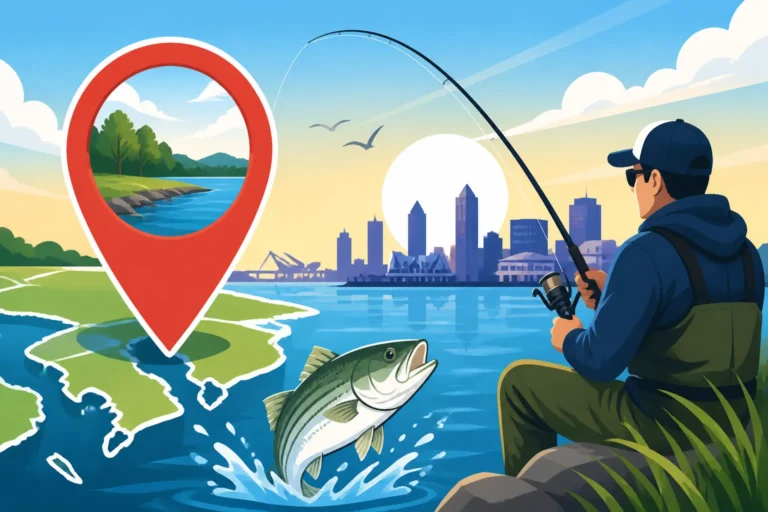
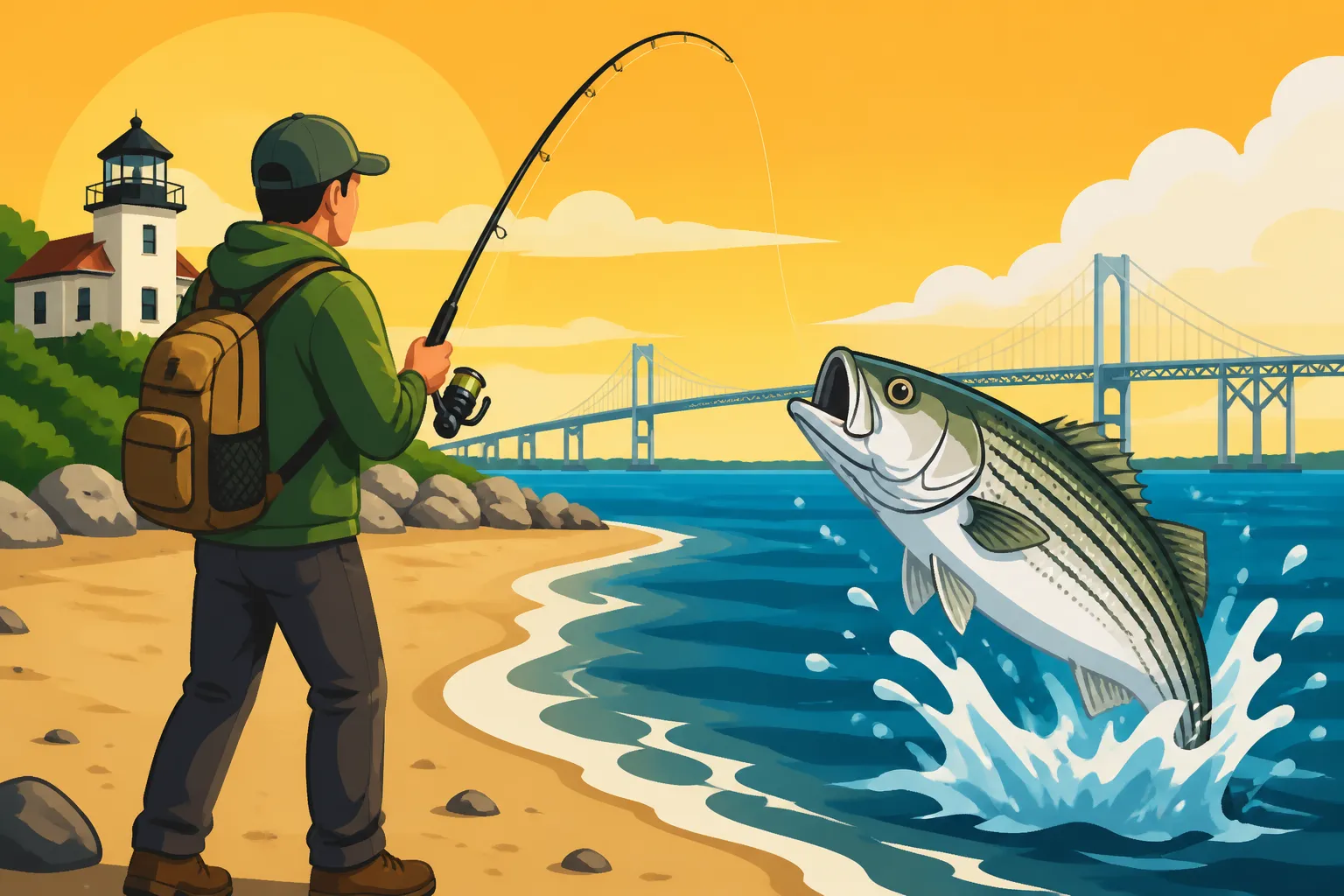
Sandy Point State Park, nestled right at the foot of the iconic Chesapeake Bay Bridge, is more than just a picnic spot and swimming beach. For anglers without a boat, it’s a goldmine, providing direct access to prime Chesapeake Bay waters that are usually reserved for those with a vessel. The unique geography of the park, with its pier, beaches, and proximity to major channel edges, creates an environment where a wide variety of fish can be successfully targeted from shore. It’s a place where the grandeur of the Bay is truly within reach for everyone.
Accessibility and Facilities for Anglers
One of the biggest advantages of Sandy Point State Park is its sheer accessibility. Unlike many private marinas or less-developed shorelines, Sandy Point is designed for public use, making it incredibly easy to get your gear from the car to the water’s edge. The park features ample parking, which is a blessing, especially on busy weekends. From the parking lots, you can quickly get to several prime fishing areas.
The most prominent feature for anglers is the long fishing pier. This pier extends a good distance into the Bay, allowing you to cast into deeper waters and reach areas that would otherwise require a boat. It provides excellent vantage points for spotting fish activity or for simply enjoying the expansive views of the Bay Bridge as you wait for a bite. There are also designated fishing areas along the shoreline itself, offering different depths and structures to explore. You’ll find restrooms, snack bars (seasonal), and even a small boat launch if you ever decide to try kayak fishing or launch a small craft in the future. The convenience factor alone makes Sandy Point a top-tier destination for land-based anglers.
Diverse Species Available from Shore
You might be surprised by the sheer variety of fish you can catch from the shores and pier of Sandy Point State Park. While you won't be reeling in giant tuna, the Bay waters here are teeming with popular sportfish that are fantastic to catch and often delicious to eat. The strategic location, right at the confluence of various Bay currents and structures, makes it a natural gathering point for many species throughout the year.
The most sought-after species here are often the feisty white perch and the iconic striped bass, also known as rockfish. White perch are abundant, especially during their spring and fall runs, and they provide consistent action for anglers of all skill levels. For those looking for a bigger challenge, keeper-sized striped bass are regularly caught from the pier and jetties, particularly during the cooler months and the spring and fall migrations. Beyond these, you can also expect to encounter spot, croaker, bluefish (especially in summer), and various catfish species. On occasion, even a flounder might make an appearance if you're fishing the bottom with the right bait. This diverse menu ensures that every trip offers the potential for something new and exciting. You can learn more about specific catch limits for different species in our guide on Maryland Fishing Size and Catch Limits by Species.
Seasonal Opportunities for Land-Based Fishing
Sandy Point State Park truly offers year-round fishing opportunities, though the target species and tactics will change with the seasons. Understanding these seasonal shifts is key to maximizing your success from shore. In early spring, as water temperatures begin to rise, you'll see strong runs of white perch moving into shallower areas and tributaries. This is a fantastic time for consistent action, often just before the main striped bass migrations begin. As spring progresses, the bigger striped bass start moving through the main Bay channels, making them accessible from the pier and deeper shorelines. Our guide on Best Time of Year to Fish in Maryland delves into these patterns statewide.
Summer brings warmer waters, and with it, species like spot, croaker, and bluefish become more prevalent. While striped bass fishing can slow down a bit in the heat, early morning and late evening bites can still be productive. The fall is arguably one of the best times to fish Sandy Point from shore. As the Bay's temperatures drop, the massive fall migration of striped bass begins, offering incredible opportunities for anglers. White perch also become very active again, fattening up for winter. Even in winter, dedicated anglers can find success targeting resident striped bass in deeper channels or various catfish species. Each season presents its own unique charm and challenge, making Sandy Point a dynamic fishing destination.
Essential Gear and Techniques for Shore Fishing at Sandy Point
Successfully fishing Sandy Point State Park without a boat means optimizing your gear and techniques for the specific conditions you'll encounter. It's not about having the most expensive equipment, but rather choosing versatile and effective setups that can handle various species and casting scenarios from a fixed position. A little preparation and understanding of basic shore fishing principles will go a long way.
Rods, Reels, and Line for Different Species
When fishing from the pier or shoreline at Sandy Point, versatility is your best friend. You'll want a setup that's strong enough to handle a decent-sized striped bass but sensitive enough to detect the subtle bite of a white perch.
- All-Around Setup: A medium to medium-heavy spinning rod, about 7 to 9 feet long, paired with a 3000 to 4000 size spinning reel, is an excellent choice. This length provides good casting distance, which is crucial for reaching deeper waters from the pier or open shoreline. Spool it with 15-20 lb braided line, which offers superior casting distance, sensitivity, and strength-to-diameter ratio. Add a 2-3 foot leader of 20-30 lb fluorocarbon or monofilament line. Brands like Penn and Shimano offer reliable spinning reels that hold up well to saltwater conditions, and braided lines from PowerPro or Sufix are popular choices among Bay anglers.
- Lighter Setup for Perch: If you're primarily targeting white perch or panfish, a lighter, more sensitive setup can be a lot of fun. A 6 to 7-foot light to medium-light spinning rod with a 2000-2500 size reel spooled with 8-10 lb braid and a 10-15 lb fluorocarbon leader will allow you to feel even the lightest bites. This lighter tackle makes fighting smaller fish more exciting and is perfect for jigging small lures or bait.
- Heavier Setup (Optional): If you're specifically targeting larger striped bass during peak seasons or casting heavy surf rigs, you might consider a longer, heavier surf rod (10-12 feet) with a larger reel (5000-6000 size) and 30-50 lb braid. This isn't essential for a general trip, but it can be advantageous for maximum casting distance and battling stronger fish near the bottom.
Remember, saltwater conditions are harsh on gear, so always rinse your rod and reel thoroughly with freshwater after each trip to prevent corrosion.
Baits and Lures That Get Bites
The Chesapeake Bay is a diverse ecosystem, and fish at Sandy Point will respond to a variety of baits and lures. Having a selection will increase your chances of success.
- Natural Baits:
- Bloodworms: These are absolute dynamite for white perch, spot, and croaker. They're expensive but incredibly effective, especially when fished on a bottom rig. You can buy them at most local tackle shops.
- Peeler Crab: A top-tier bait for striped bass, especially during the spring and fall. The scent trail is irresistible. Use small chunks on a bottom rig or a fish-finder rig.
- Shrimp: Fresh or frozen shrimp (peeled or unpeeled) can attract a wide range of species, including perch, spot, croaker, and even some smaller striped bass.
- Squid: A durable and effective bait for bottom fish. It stays on the hook well and catches perch, spot, croaker, and catfish.
- Fish Bites/Fishbites: These synthetic, scented baits are a fantastic alternative or addition to natural baits. They stay on the hook much longer, are less messy, and come in various scents (crab, clam, bloodworm) that mimic natural prey. They are especially popular for bottom fishing for perch, spot, and croaker.
- Artificial Lures:
- Jigs: Small jig heads (1/8 oz to 1/2 oz) tipped with soft plastic bodies (grubs, paddletails, Gulp! shrimp) are incredibly versatile. They can catch white perch, striped bass, and even bluefish. Chartreuse, white, and pink are consistently good colors.
- Spoons: Casting spoons (like Hopkins Shortys or Kastmasters) are excellent for targeting schooling fish like striped bass and bluefish that are chasing baitfish. Their flash and wobble imitate fleeing bait.
- Plugs/Hard Baits: While less common for general shore fishing, small lipped plugs or topwater lures can be effective for striped bass and bluefish during certain times, especially early mornings or late evenings when fish are actively feeding on the surface.
- Blade Baits: Small metal blade baits can be very effective for white perch, especially when jigged vertically from the pier or near structure.
Always match your bait or lure size to the size of the baitfish present in the Bay, and don't be afraid to experiment with different offerings until you find what the fish are biting.
Practical Rigging and Casting Strategies
Your rigging and casting approach will depend heavily on what you're targeting and the conditions at Sandy Point.
- Bottom Fishing Rigs:
- Two-Hook Bottom Rig (Hi-Lo Rig): This is a staple for catching white perch, spot, and croaker. It consists of a leader with two dropper loops, each holding a small hook (size #4 to #8), and a sinker (1-3 oz, depending on current) at the bottom. This allows you to present two baits at different depths close to the bottom. It's incredibly effective when using bloodworms, shrimp, squid, or Fish Bites.
- Fish-Finder Rig: For targeting larger fish like striped bass or catfish with natural bait, a fish-finder rig is ideal. It involves a main line, a plastic fish-finder slide with a pyramid or bank sinker attached, a swivel, and then a 1-2 foot fluorocarbon leader tied to a single hook (circle hooks are excellent for preventing gut hooks, especially when fishing for striped bass). This rig allows the fish to take the bait without immediately feeling the weight of the sinker, increasing your hook-up ratio.
- Lure Fishing Strategies:
- Jigging: From the pier, cast your jig out and let it sink to the desired depth. Then, use a series of sharp rod lifts followed by pauses, allowing the jig to flutter down. This mimics an injured baitfish. For white perch, smaller, quicker jigs near the bottom are often key. For striped bass, slightly larger jigs with a more aggressive retrieve can work.
- Casting and Retrieving: For spoons, plugs, or larger soft plastics, cast out and retrieve at a steady pace, varying the speed and adding twitches to entice strikes. Pay attention to where the baitfish are located – if they are near the surface, cast topwater lures or shallow-running plugs. If they are deeper, let your lure sink before starting your retrieve.
- Casting Techniques:
- Overhead Cast: The most common and effective cast for distance, especially important from the shore or pier. Ensure you have clear space behind you.
- Roll Cast/Sidearm Cast: Useful when space is limited, such as when other anglers are nearby on the pier, or when trying to avoid overhanging obstacles. These casts don't generate as much distance but offer more control in tight spots.
Always be mindful of other anglers on the pier or shoreline and maintain a respectful distance. Good casting etiquette ensures a pleasant experience for everyone. Many anglers find researching local conditions and current hot spots on platforms like FishingBooker helpful, even if they're not booking a charter, to understand what methods local experts are using.
Navigating Regulations and Maximizing Your Experience
Fishing in Maryland, even from shore, comes with important rules and considerations. Understanding these regulations and adopting best practices will not only keep you out of trouble but also contribute to a more enjoyable and successful fishing trip at Sandy Point State Park. Maryland's Department of Natural Resources (DNR) works hard to manage fisheries sustainably, and adhering to their guidelines is crucial for the health of the Bay.
Maryland Fishing License Requirements at State Parks
This is one of the most common questions, and it’s critical to get it right. Yes, you absolutely need a valid Maryland fishing license to fish at Sandy Point State Park. While some piers in Maryland might have blanket licenses that cover all anglers, Sandy Point's pier does not operate under such a setup. Every individual aged 16 or older must possess their own valid license.
For fishing the tidal waters of the Chesapeake Bay, which Sandy Point State Park is a part of, you'll need a Maryland Bay & Coastal Sport Fishing License. If you happen to also fish any freshwater areas in Maryland, you'd generally need a Nontidal Fishing License, but for Sandy Point, the Bay & Coastal license is primary. Residents and nonresidents have different costs and options, including annual or 7-day licenses. You can easily purchase your license online through the Maryland DNR Compass system, or in person at many local bait and tackle shops, as well as some sporting goods stores. Our comprehensive guide, Maryland Fishing License Guide for 2026, covers all the details you’ll need to ensure you’re legal before you even cast a line. Failing to have a proper license can result in fines and penalties, so it’s always better to be prepared.
Understanding Tides and Their Impact on Fishing
For fishing in the Chesapeake Bay, understanding the tides is paramount. Unlike freshwater lakes, the Bay is a tidal estuary, and the movement of water significantly influences fish behavior, feeding patterns, and where they position themselves. Ignoring the tides is like trying to fish blindfolded.
At Sandy Point State Park, the fishing can drastically change depending on whether the tide is incoming (flood), outgoing (ebb), high, or low. Generally, the most productive times to fish are during the moving tides – either the incoming or outgoing. This is when the water is in motion, carrying baitfish, nutrients, and creating current breaks that predatory fish use to ambush their prey.
- Incoming Tide (Flood Tide): As the tide comes in, it often brings cooler, cleaner water from the Bay and ocean, pushing baitfish closer to shore and into shallower areas. This can be excellent for striped bass and white perch, particularly as they move to feed in newly submerged structures or along channel edges.
- Outgoing Tide (Ebb Tide): An outgoing tide pulls water, and often baitfish, out of shallower creeks and rivers and into the main Bay channels. This can concentrate fish, especially near mouths of rivers or channels, making them easier to target.
- Slack Tide (High or Low): The period of slack water, right at the peak of high or low tide when the current is minimal, is often the slowest for fishing. Fish tend to disperse and become less active. However, it can sometimes offer a brief window of opportunity if fish are concentrated in deeper holes or near specific structures.
You can find tide charts for the Chesapeake Bay online or through various fishing apps. Look for tables specifically for Annapolis or the Chesapeake Bay Bridge, which will give you the most accurate predictions for Sandy Point. Planning your trip around the periods of moving water, especially during dawn and dusk, will significantly increase your chances of success. Our guide, How Tides Affect Fishing in Maryland's Chesapeake Bay, provides even more depth on this crucial topic.
Best Practices for a Successful and Responsible Trip
Beyond licenses and tides, there are several best practices that will enhance your fishing experience at Sandy Point and ensure you're a responsible angler.
- Check Regulations Daily: Fishing regulations in Maryland, especially for popular species like striped bass, can change frequently. Always check the current Maryland DNR Fishing and Boating Guide or their website before you go. This includes size limits, creel limits (how many fish you can keep), and season dates. For instance, Maryland Striped Bass Season and Rockfish Rules are updated annually.
- Respect the Park and Other Anglers: Sandy Point is a public park for everyone. Keep your fishing area clean, pack out everything you pack in, and dispose of any trash properly. Be mindful of casting lines near swimmers or sunbathers, and give other anglers ample space on the pier or shoreline. Avoid loud noises and excessive commotion.
- Practice Catch and Release: If you're not planning to keep your catch, or if a fish is undersized, handle it gently and release it quickly. Use barbless hooks when possible to minimize harm. Wet your hands before handling fish to protect their slime coat, and try to keep them in the water as much as possible, especially for larger fish.
- Safety First: Even from shore, safety is important. Wear appropriate footwear, especially if fishing rocky areas. Bring plenty of water and sun protection (hat, sunglasses, sunscreen). Be aware of weather changes, as Bay conditions can shift quickly. If fishing at night, bring a headlamp or flashlight.
- Be Prepared for the Elements: The Bay can be windy, and temperatures can vary. Dress in layers, and bring rain gear even if the forecast looks clear. A cooler with ice will keep your catch fresh if you plan to take fish home.
- Utilize Resources: The Maryland DNR offers extensive resources, including a Maryland's DNR Fishing and Boating Guide, Explained, which is invaluable for understanding all the rules and opportunities. You can also network with local tackle shops; they are often a wealth of information on current conditions and what’s biting.
Planning Your Trip to Sandy Point State Park
A successful fishing trip to Sandy Point State Park isn't just about what you catch; it's also about enjoying the entire experience. Thoughtful planning can make a huge difference, ensuring you're there at the right time, comfortable, and ready to make the most of this fantastic shore-fishing destination.
Best Times to Visit for Less Crowds and Better Fishing
Sandy Point State Park is a popular destination, especially during the warmer months. To balance good fishing opportunities with avoiding the biggest crowds, here are a few tips:
- Weekdays vs. Weekends: If your schedule allows, fishing on a weekday will almost always mean fewer people on the pier and shoreline. This gives you more room to cast and move around, and generally a more peaceful experience.
- Early Mornings and Late Evenings: These are prime times for fishing at any location, and Sandy Point is no exception. Not only are many fish species more active during these low-light periods, but the park will also be less crowded than during the middle of the day. Plus, the sunrises and sunsets over the Bay Bridge are truly spectacular.
- Off-Season Visits: While summer is popular for swimming and beach-going, spring and fall offer fantastic fishing with generally fewer recreational visitors. The cooler temperatures make for comfortable fishing conditions, and the striped bass and white perch runs are often at their peak. Winter, for the truly dedicated, offers minimal crowds, though the weather can be challenging.
- Check the Park Schedule: Sandy Point hosts various events throughout the year. Checking the park's official schedule before you go can help you avoid days with major festivals or gatherings that will draw extremely large crowds.
By strategically planning your visit, you can enjoy the serenity of the Bay and focus on the fishing, rather than navigating hordes of people. Even if you're checking for information on a busy platform like FishingBooker, you can still find tips from other anglers that might help you avoid peak times.
Additional Amenities and Nearby Resources
Beyond the fishing, Sandy Point State Park and its surrounding area offer several amenities and resources that can enhance your visit.
- Picnic Areas: The park has numerous picnic tables and grills, making it easy to turn your fishing trip into a full family outing. You can pack a lunch to enjoy while taking a break from casting.
- Nature Trails: If you need a break from fishing, there are short walking trails that offer opportunities to observe local wildlife and enjoy the natural beauty of the Bay shoreline.
- Swimming Beach: During the summer months, a designated swimming beach is open, which can be a great option for family members who aren't as keen on fishing, or for a refreshing dip after a long day of casting.
- Bait and Tackle Shops: There are several excellent bait and tackle shops located within a short drive of Sandy Point State Park, particularly in the Annapolis and Kent Island areas. These local shops are invaluable resources for fresh bait, last-minute tackle needs, and up-to-date fishing reports. They can tell you what's biting, where, and what baits are working best. Don't hesitate to stop in and chat with the staff; they are often seasoned local anglers themselves.
- Food Options: While the park has seasonal snack bars, there are plenty of restaurants and eateries in nearby Annapolis or on Kent Island if you're looking for a more substantial meal before or after your fishing adventure.
Having these resources nearby means you don't have to pack absolutely everything or worry about forgetting a crucial item. It adds to the convenience and overall enjoyment of a fishing trip to Sandy Point State Park.
Sandy Point State Park Shore Fishing Quick Reference
Here’s a quick overview to help you plan your next shore fishing excursion at Sandy Point:
| Target Species | Best Season(s) | Recommended Baits/Lures | Ideal Rig | Special Tips |
|---|---|---|---|---|
| White Perch | Spring, Fall, Summer | Bloodworms, Shrimp, Fish Bites, Small Jigs | Two-Hook Bottom Rig | Fish moving tides, target structure on pier pilings. |
| Striped Bass | Spring, Fall | Peeler Crab, Cut Bait, Jigs, Spoons | Fish-Finder Rig, Jigs, Spoons | Target moving tides, early/late in day. Look for baitfish. |
| Spot & Croaker | Summer, Early Fall | Bloodworms, Shrimp, Fish Bites | Two-Hook Bottom Rig | Great for consistent action; can be abundant. |
| Bluefish | Summer (warm water) | Spoons, Topwater Plugs, Cut Bait | Single Hook Rig, Leader | Look for surface activity; can be aggressive. |
| Catfish | Year-round | Cut Bait, Shrimp, Chicken Liver | Fish-Finder Rig | Fish bottom, especially near deeper channels. |
Disclaimer
Please note that fishing regulations, including size and catch limits, seasons, and licensing requirements, are subject to change by the Maryland Department of Natural Resources (DNR). Always check the most current regulations before heading out to fish. This guide is for informational purposes only and should not be considered a substitute for official DNR publications or professional advice. Fish responsibly and safely.