Maryland Trout Daily Creel Limit
There’s nothing quite like the thrill of a Maryland trout stream, the cool mountain air, the clear water, and the sudden tug on your line. But let's be honest, figuring out all the rules and regulations can feel like trying to untangle a bird's nest of fishing line sometimes. Many anglers, especially those new to the state's diverse waters or just visiting for a weekend, often wonder exactly how many trout they can legally keep. This guide is here to cut through the confusion and explain Maryland's daily creel limits for trout, ensuring you can enjoy your fishing trip without any worries about compliance.
Decoding Maryland's Standard Trout Creel Limits
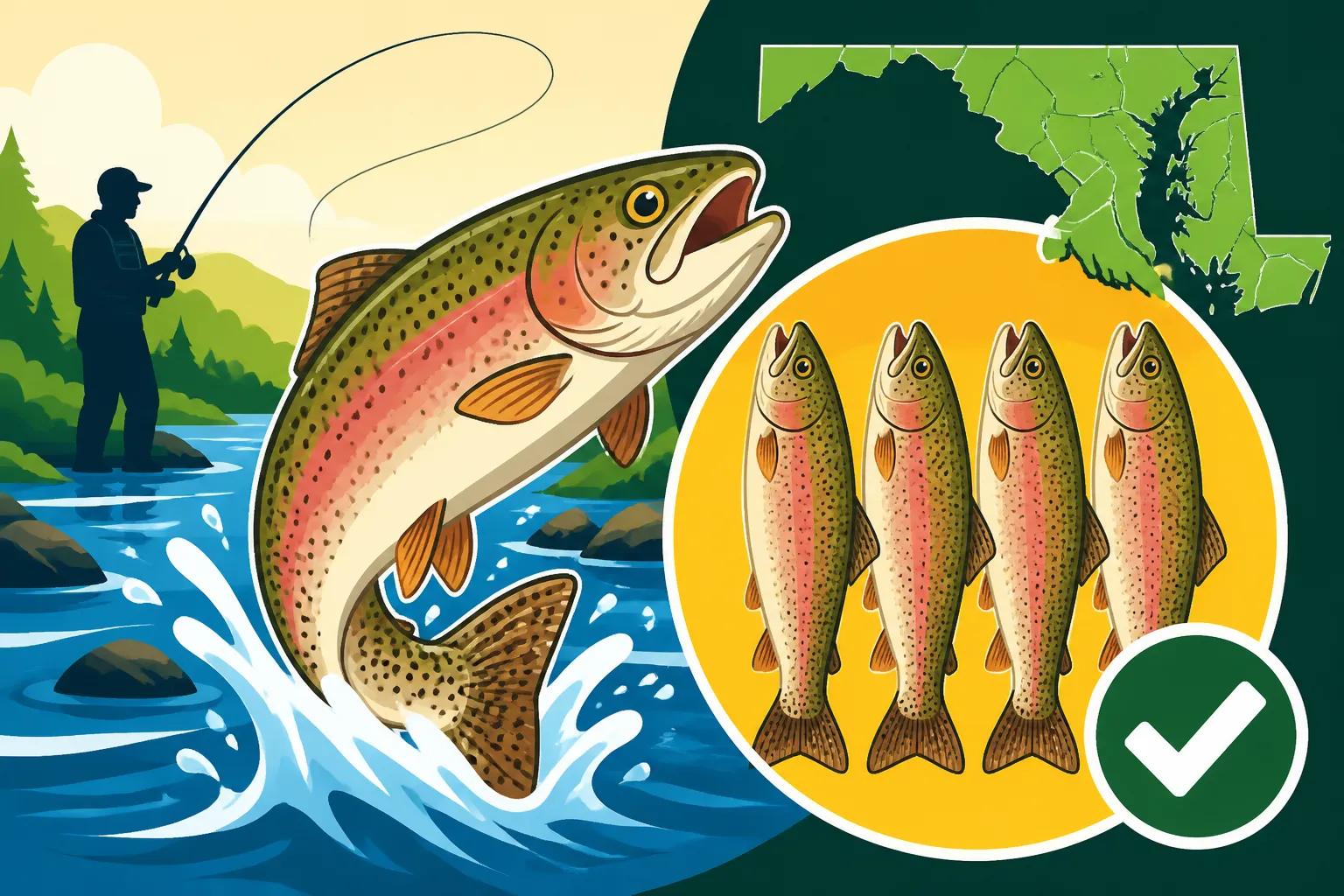
When you're out on the water, the most common question running through your mind, right after "Am I going to catch anything?" is often "How many can I actually keep?" For trout in Maryland, the general rule of thumb in many of the state’s waters is a daily creel limit of five fish. This means that, on any given day, an individual angler can legally possess no more than five trout. This applies to a mix of species, whether you're catching rainbow, brown, or brook trout.
Now, it’s important to understand that "general rule" is key here, because Maryland is known for its diverse trout fisheries, from heavily stocked "put-and-take" areas to pristine wild trout streams, each with its own set of rules designed to protect and manage the fish population. For the average angler, heading to one of Maryland’s numerous stocked streams, lakes, or ponds, this five-trout limit is usually what you’ll encounter. These waters are often replenished regularly by the Maryland Department of Natural Resources (DNR), offering a fantastic opportunity to catch and take home a meal.
A crucial point that often catches anglers off guard is the requirement of a trout stamp. Even if you have a valid fishing license, if you intend to keep any trout, you absolutely need a Maryland Trout Stamp. This stamp helps fund the state's trout stocking programs, ensuring that these opportunities continue for years to come. You can easily add it to your Maryland Fishing License Guide for 2026. Without it, even if you’ve followed the creel limit, keeping a trout is considered a violation. It’s always best to make sure you're fully covered before you hit the stream, so consider reviewing the specific rules on Maryland Trout Stamp Requirements to ensure you're squared away.
In most of these general put-and-take areas, there isn't typically a minimum size limit for the trout you catch, making it straightforward – if you catch it and it’s a trout, and you have your license and stamp, it counts towards your five-fish limit. This simplified approach is great for families and beginners who just want to enjoy the experience of catching and keeping fish without having to worry about precise measurements, though many anglers still carry a tape measure, sometimes a foldable one readily available on Amazon, just to be sure. It ensures everyone can participate in the fun of taking home a fresh catch.
Special Regulation Trout Waters and Their Unique Limits
While the five-fish general limit is common, Maryland also boasts a variety of special regulation trout waters, each with its own distinct rules designed to provide different fishing experiences and manage specific populations. Ignoring these unique regulations can quickly turn a peaceful day of fishing into a frustrating and potentially costly misunderstanding. It's really important to know which type of water you're fishing before you cast your line.
Delayed Harvest Areas
These are a fantastic concept for extending the fishing season and providing unique opportunities. In Maryland, Delayed Harvest Trout Waters Explained typically operate under a "catch-and-release" rule for a significant portion of the year, usually from October 1st through June 15th. During this period, all trout caught must be immediately returned to the water unharmed. This allows the fish stocked in the fall and spring to grow larger, offering anglers the chance to catch bigger, healthier trout repeatedly.
However, come June 16th, these waters transition into a "harvest" period that typically runs through September 30th. During this time, the daily creel limit often reverts to the standard five trout per day, with no minimum size restriction. This switch provides anglers with a seasonal window to take home fish that have had several months to acclimate and grow. Always double-check the exact dates for the specific stream you plan to fish, as they can sometimes have minor variations or emergency closures depending on environmental conditions. It's a system that truly offers the best of both worlds: challenging catch-and-release action for most of the year, followed by a rewarding harvest period.
Catch-and-Release and Fly-Fishing Only Zones
For the purists and those dedicated to conservation, Maryland offers specific catch-and-release trout streams and designated fly-fishing only zones. In these areas, the rules are very strict: all trout caught must be released immediately and unharmed. This is usually to protect fragile wild trout populations or to provide a pristine angling experience focused on the sport, not the harvest.
For example, sections of the Gunpowder River or the Savage River are renowned for their wild brown trout populations and are managed with a strong emphasis on catch-and-release. These areas often also stipulate that only artificial lures and flies may be used, and in some cases, even require barbless hooks to minimize harm to the fish. When fishing these waters, your focus shifts entirely from filling a cooler to the challenge of fooling a wary trout and safely returning it to its habitat. Remember, even if you are strictly practicing catch-and-release, in some instances, you might still need to possess a Do You Need a Trout Stamp to Catch and Release in Maryland? if you are fishing in areas where possession is generally allowed. Always confirm the specific regulations for the particular section of stream you're visiting.
Trophy Trout and Wild Trout Management Areas
Maryland also manages certain streams or stream sections as Trophy Trout or Wild Trout Management Areas. These zones are designed to cultivate larger, more robust trout or to protect delicate native brook trout populations. The daily creel limits in these areas are often much more restrictive than the general five-fish limit.
For instance, a Trophy Trout Management Area might have a daily creel limit of two trout per day, with a significant minimum size limit, such as 12 inches, or even a slot limit (e.g., you can only keep fish between 12 and 18 inches, with a maximum of one over 18 inches). These limits encourage the growth of larger fish and ensure a healthy population for future trophy catches. Wild trout streams, particularly those supporting native brook trout, often have the most stringent regulations, frequently mandating catch-and-release only, or an even lower creel limit (e.g., one fish) with a strict size minimum to protect spawning adults. These detailed rules are outlined in the Maryland's DNR Fishing and Boating Guide, Explained, which is an essential read for any angler. Understanding these nuances is crucial for enjoying these unique fisheries responsibly.
Here’s a quick overview of common trout regulations in Maryland:
| Water Type/Season | Daily Creel Limit | Minimum Size Limit | Special Rules & Notes |
|---|---|---|---|
| Put-and-Take Trout Waters | 5 Trout | None | Heavily stocked; common throughout the year. |
| Delayed Harvest (Oct 1 – Jun 15) | 0 Trout | Catch & Release Only | Artificial lures/flies often required. |
| Delayed Harvest (Jun 16 – Sep 30) | 5 Trout | None | Harvest period after catch-and-release season. |
| Trophy Trout Areas | 2 Trout | Typically 12-18 inches (varies) | Specific slot limits or minimums often apply. |
| Wild Trout Management Areas | Varies (often 0-2) | Varies (often 8-12 inches) | Focus on native populations; C&R often encouraged/mandated. |
| Fly-Fishing Only Areas | Varies (often 0-2) | Varies (often C&R or size) | Only artificial flies; barbless hooks often required. |
Always consult the current Maryland DNR Fishing and Boating Guide for the most up-to-date and specific regulations for the exact waterbody you plan to fish.
The Importance of Creel Limits and How to Stay Compliant
Creel limits aren't just arbitrary numbers set by the Maryland DNR to make your life harder; they are a vital tool in fisheries management. These limits play a critical role in maintaining healthy and sustainable fish populations, ensuring that future generations of anglers can also enjoy the thrill of trout fishing. Without them, overfishing could quickly deplete a stream's resources, especially in popular or easily accessible areas. Limits help balance angler opportunity with the biological needs of the fish, allowing enough trout to survive and reproduce, or in the case of stocked waters, to ensure that the stocked fish provide consistent opportunities without being wiped out too quickly.
Understanding why these limits are in place can make it easier to accept and follow them. For instance, in areas with wild trout, restrictive limits or catch-and-release rules are essential because these fish reproduce naturally and are often very sensitive to environmental changes and fishing pressure. In Maryland Trout Season, Month by Month guides, you’ll see how these seasons and limits align with spawning cycles and growth periods. For put-and-take areas, the limits manage the harvest of stocked fish, ensuring that the DNR's investment in stocking provides enjoyable fishing for as many people as possible throughout the season.
Practical Tips for Adhering to Trout Limits
Staying compliant with Maryland's trout creel limits, and all other regulations, is simpler than it might seem, but it requires a little preparation and mindfulness. Here are some tried-and-true tips:
-
Check Regulations Before You Go: This is the golden rule. Never assume the rules are the same as last year or the last place you fished. Maryland’s regulations can change annually, and specific rules for a particular body of water will always supersede general rules. The Maryland DNR website or their official guide (which you can often pick up at bait shops or download as a PDF) is your best friend. Make it a habit to look up your chosen fishing spot’s specific rules, particularly if you’re fishing a known trout stream. This will save you from potential fines and embarrassment.
-
Know Your Water Type: Is it a put-and-take, a delayed harvest, a fly-fishing-only, or a wild trout stream? As discussed, the limits vary significantly. Knowing the distinction for the exact segment of water you're targeting is paramount. This information is clearly detailed in the Maryland Nontidal vs Tidal Fishing License, Explained guide and other DNR resources.
-
Invest in a Fish Counter or Stringer: Keeping track of your catch can be tricky, especially if you're having a good day. A simple, inexpensive fish counter, which you can often find on Amazon or at any local tackle shop, can be clipped to your vest and clicked each time you decide to keep a fish. For those keeping fish, a stringer is also a visual reminder of your count. This prevents accidental over-harvesting when you’re caught up in the excitement.
-
Measure When Necessary: If you’re in a Trophy Trout Management Area or a stream with a minimum size limit, carry a reliable measuring tape or a fish ruler. Place it on your cooler, tackle box, or fishing vest, readily accessible. Quickly and accurately measuring your fish before deciding to keep it or release it is crucial. Many anglers even mark common legal sizes on their fishing rods with waterproof tape for quick reference.
-
Be Prepared for Catch-and-Release: Even if you plan to keep fish, it’s good practice to be ready for catch-and-release. This means using appropriate tackle that minimizes harm, handling fish gently with wet hands, and having a pair of needle-nose pliers or a hook remover handy for quick, clean extractions. Sometimes you’ll catch a fish that’s undersized for a specific regulation, or you’ve simply hit your creel limit and still want to enjoy the sport. Minimizing stress on released fish ensures they have the best chance of survival.
-
Understand the Trout Stamp: Again, don't forget the Maryland Trout Stamp Cost for Residents and Nonresidents. If you plan to keep any trout, you need this stamp in addition to your regular fishing license. It's a small extra cost that directly supports the trout program, and it's non-negotiable for legal possession.
By staying informed and prepared, you can fully embrace the fantastic trout fishing opportunities Maryland offers, confident that you're fishing legally and contributing to the health of these precious natural resources.
Disclaimer
The information provided in this guide is for general informational purposes only and is subject to change. While we strive to offer accurate and up-to-date details, fishing regulations in Maryland can be complex and may be updated by the Maryland Department of Natural Resources (DNR) at any time. It is the angler's responsibility to consult the most current official Maryland DNR Fishing and Boating Guide or visit their official website for the precise regulations pertaining to the specific body of water and time of year you plan to fish. Always ensure you are fully compliant with all state and local fishing laws before engaging in any fishing activity.