Best Places to Fish in Maryland
Finding that perfect fishing spot in Maryland can feel like a daunting task, especially with the state's incredible diversity of waterways. From the expansive, salty embrace of the Chesapeake Bay to the serene, cold mountain streams and the thrilling Atlantic coast, figuring out where to cast your line for the best chance of success often involves a lot of guesswork. This comprehensive guide is here to unravel that mystery, leading you through Maryland's premier fishing destinations so you can spend less time wondering and more time enjoying the tug of a fish on your line.
The Chesapeake Bay: Maryland's Angling Mecca
When anyone talks about fishing in Maryland, the conversation inevitably turns to the Chesapeake Bay. And for good reason! This massive estuary, the largest in North America, is an absolute powerhouse of angling opportunities, home to iconic species and diverse habitats. It’s a place where lifelong memories are made, whether you're chasing trophy fish or simply enjoying a peaceful day on the water. The Bay truly offers something for every angler, from seasoned veterans to those just dipping their toes into the sport.
Upper Bay Hotspots and the Susquehanna Flats
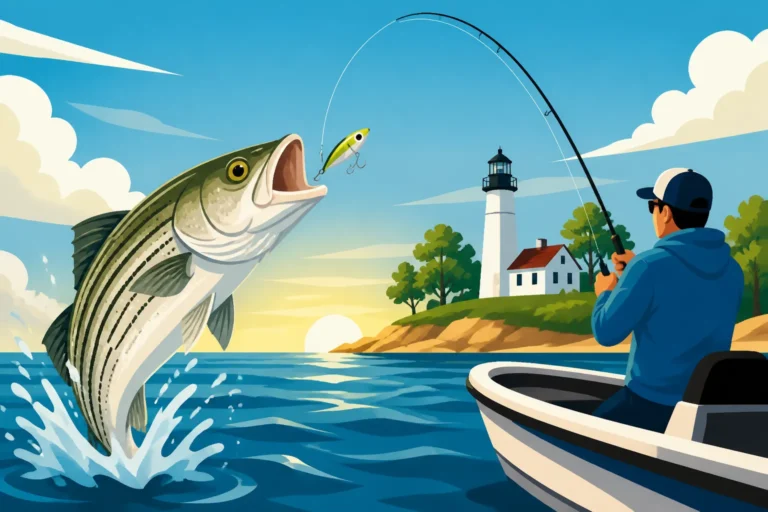
The Upper Chesapeake Bay, particularly around the Susquehanna River and its Flats, is a legendary starting point for many anglers. In the spring, this area explodes with activity as migrating striped bass, affectionately known as "rockfish" here, make their way upriver to spawn. The Susquehanna Flats in Maryland are a vast, shallow expanse that becomes a feeding frenzy zone when conditions are right. Anglers flock here during open seasons, often employing casting tactics with large swimbaits or trolling for bigger fish. It's a truly dynamic environment, with the flow of the river mixing with the Bay's tidal influences, creating unique fishing challenges and rewards.
Further up, near the Conowingo Dam, you'll find another hotspot, especially for trophy striped bass during specific times of the year. Fishing below the dam can be incredibly productive, but it also demands respect for the powerful currents and rapidly changing water levels when the dam gates are open. Many anglers target blue catfish here, which thrive in these turbulent waters and offer a strong fight. The area is also popular for catching white perch, particularly during their spring spawning runs. Access can be tricky, so it's often best explored by boat, though shore access points exist for the more adventurous.
Mid-Bay Channels and Bay Bridge Pilings
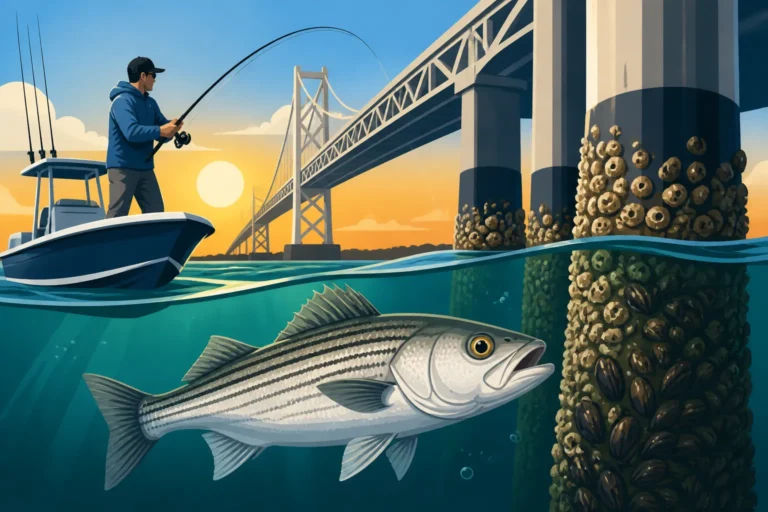
Moving south into the Mid-Chesapeake Bay, the landscape changes to deeper channels, oyster reefs, and artificial structures like bridge pilings. The Chesapeake Bay Bridge is a prominent feature, not just for its architectural grandeur but as a massive artificial reef system. Its countless pilings are magnets for baitfish, which in turn attract predators like striped bass and tautog. Anglers here often use jigs, live bait, or soft crabs to pick off fish hiding in the structure. The strong currents around the bridge present a challenge, but the rewards can be substantial, especially during the spring and fall migrations.
Beyond the immediate vicinity of the bridge, the mid-Bay is crisscrossed by numerous deep channels and underwater ledges that serve as highways and feeding grounds for migratory fish. Locations like Thomas Point and the lumps in the main channel are prime areas for trolling large spreads of lures for striped bass, particularly during the trophy season. Bottom fishing here can also yield excellent results for white perch, croaker, and even some flounder in the deeper pockets. Many charter boats operate out of ports like Annapolis, offering guided trips to these productive areas, and using services like FishingBooker can help you find the perfect captain.
Lower Bay Estuaries and Southern Tributaries
As the Bay widens and deepens further south, the influence of the Atlantic Ocean becomes more pronounced. The Lower Chesapeake Bay is characterized by its broad, expansive waters and numerous large tidal rivers flowing into it from both the Western and Eastern Shores. Rivers like the Patuxent River and the Choptank River are major fisheries in their own right, offering fantastic opportunities for a variety of species. In these southern reaches, you'll find more speckled trout and red drum, especially in the shallower, grassy flats and marshy areas, alongside the ubiquitous striped bass and white perch.
The Patuxent, with its diverse habitats from brackish marshes to deeper channels, is excellent for everything from white perch in the creeks to blue catfish further upriver, and even some impressive striped bass at its mouth near Solomons Island. The Choptank River, particularly around Cambridge, is renowned for its outstanding white perch fishing, with massive spawning runs in early spring. It’s also a consistent producer of striped bass and a growing population of blue catfish. These lower Bay rivers are often calmer than the main stem, making them ideal for smaller boats, kayaks, and even shore fishing from various parks and public access points.
Western Maryland's Freshwater Gems
Away from the salty tang of the Bay, Western Maryland offers a completely different, yet equally rewarding, fishing experience. Nestled among rolling hills and mountains, this region boasts pristine freshwater lakes, cool-running rivers, and picturesque trout streams that attract anglers seeking a different kind of challenge and a stunning natural backdrop. The fishing here is often about precision, presentation, and understanding the nuances of freshwater ecosystems.
Deep Creek Lake: A Mountain Angler's Paradise
Deep Creek Lake stands out as Maryland's largest freshwater lake, a true four-season destination in Garrett County. While it's famous for recreation, it's also a fantastic fishery. Anglers come here for walleye, smallmouth bass, largemouth bass, chain pickerel, crappie, and even northern pike. Imagine casting your line with mountain views surrounding you – it's an experience unlike any other in Maryland. The lake's varied depths and structures, including rocky points, submerged timber, and weed beds, provide ample habitat for these species. Understanding how deep Deep Creek Lake is and its bottom contours can be key to unlocking its secrets.
Walleye are a particular draw, with anglers often targeting them in deeper water or during low-light conditions. Smallmouth bass thrive around the lake's rocky shorelines and humps, providing exciting topwater action in warmer months. In winter, Deep Creek Lake transforms into a popular ice fishing destination, offering unique opportunities for yellow perch, crappie, and pike through the ice. Whether you're in a boat or fishing from shore, a local guide from Deep Creek Lake Guide Services for Walleye in Maryland can significantly enhance your chances of success, especially if you're new to the area.
Upper Potomac River: Smallmouth Bass Heaven
The Upper Potomac River, particularly its non-tidal sections in Western Maryland, is a renowned smallmouth bass fishery. Unlike the tidal stretches closer to Washington D.C., this part of the river flows through a more wild and scenic landscape of riffles, pools, and rocky outcrops. It's a wade-fisher's dream, though kayaks and canoes also provide excellent access to prime spots. The smallmouth here are known for their aggressive strikes and acrobatic fights, making them a favorite target for fly anglers and spin fishermen alike.
Fishing the Nontidal Upper Potomac for Smallmouth Bass involves understanding river currents and structure. Look for eddies behind rocks, current seams, and deeper pools where bass ambush prey. Popular techniques include throwing small crankbaits, jigs, or soft plastics that imitate crayfish or minnows. Fly anglers will find success with streamers and poppers. Beyond smallmouth, you can also encounter various panfish and even some muskie in certain stretches, adding to the thrill of the chase. The river's health and accessibility make it a cherished resource for those seeking a more rugged, riverine fishing adventure.
Mountain Trout Streams
Maryland’s mountains are home to several stunning cold-water streams that harbor wild and stocked trout populations. These picturesque waterways, often lined with dense foliage and carved into rocky terrain, are perfect for fly fishing enthusiasts. The Gunpowder River for Trout in Baltimore County, though not strictly "mountain," is a jewel of a cold-water fishery, known for its healthy populations of brown and rainbow trout, including some impressive holdovers. Its year-round cold water, fed by Prettyboy Reservoir, makes it a reliable trout destination.
Further west, true mountain streams like the Savage River in Garrett County offer a more remote and challenging experience. These streams are often designated as "catch and release" or "fly fishing only" areas, promoting conservation and quality angling. Before heading out, it's crucial to be aware of the Maryland Trout Stamp Requirements and any specific regulations for the stream you plan to fish, as rules can vary greatly. Success on these streams often comes down to precise fly presentation, stealth, and a keen understanding of trout behavior in varying conditions.
Ocean City and the Atlantic Coast
For those who crave the vastness of the ocean and the thrill of saltwater fishing beyond the Bay, Maryland's Atlantic coast, centered around Ocean City and Assateague Island, is the ultimate destination. This region offers a diverse array of angling opportunities, from battling big game offshore to relaxing on the beach with a surf rod. The experience here is dramatically different from the Bay or freshwater, characterized by powerful waves, sandy bottoms, and a whole new suite of species.
Surf Fishing Assateague Island National Seashore
Assateague Island National Seashore provides an unparalleled surf fishing experience. This undeveloped barrier island, famous for its wild horses, boasts miles of pristine beach, making it a perfect spot for casting into the crashing waves. Anglers here target a variety of species, including red drum, kingfish, bluefish, flounder, and even striped bass during their coastal migrations. The solitude and natural beauty of Assateague add an extra layer of enjoyment to the fishing.
Surf fishing at Assateague typically involves robust surf rods, pyramid sinkers, and baits like fresh cut bait (fish chunks), bloodworms, or clam snouts. Reading the beach for subtle signs of structure, like sloughs and sandbars, is key to success. You'll need a Maryland Fishing License, and if you plan to drive on the beach, a special over-sand vehicle permit from the National Seashore is required. It’s an immersive experience that connects you deeply with the raw power of the ocean, offering the chance for truly memorable catches.
Ocean City Inlet and Back Bays
The bustling Ocean City Inlet and Jetties are a hotspot for many species, providing fantastic fishing opportunities right from town. The strong currents flowing through the inlet bring in a constant supply of baitfish, attracting predators. Here, you can target striped bass, flounder, tautog, bluefish, and drum, often using jigs, live bait, or artificial lures. The jetties themselves offer excellent structure, attracting tautog and sheepshead, which are challenging to catch but offer a delicious reward.
Just behind the barrier island are the vast, shallow back bays of Ocean City, like Assawoman Bay and Isle of Wight Bay. These bays are renowned for their flounder fishing, especially during the warmer months. Drifting with minnows or Gulp! artificial baits on a flounder rig is a popular and highly effective technique. The back bays also hold white perch, bluefish, and an occasional striped bass, making them a great option for smaller boats, kayaks, and shore-bound anglers seeking calmer waters and diverse catches. Many local shops offer rentals and advice, and you can find guides for inshore flounder charters on platforms like FishingBooker.
Offshore Fishing for Pelagics and Reef Dwellers
For the ultimate big-game adventure, Ocean City Maryland Offshore Charter Fishing is where it's at. Maryland's proximity to the productive waters of the Atlantic Canyons, like the Baltimore and Washington Canyons, means incredible opportunities for pelagic species. Anglers venture offshore in search of tuna (yellowfin, bluefin, bigeye), white and blue marlin, mahi-mahi (dolphin), and wahoo. These trips are typically full-day excursions and require specialized boats and experienced crews, but the chance to battle a grand slam of pelagic species is an unforgettable experience.
Closer to shore, but still offshore, lie numerous wrecks and artificial reefs that hold impressive populations of black sea bass, tautog, and flounder. Bottom fishing over these structures can be incredibly productive, yielding coolers full of delicious table fare. These trips are often less intensive than canyon runs and can be half-day options, making them accessible for more anglers. Whether you're looking for a thrilling chase or a bountiful harvest, Ocean City's offshore fleet provides a gateway to world-class saltwater fishing.
Central Maryland's Reservoirs and Ponds
Tucked away in the more populated central regions of Maryland are a series of vital reservoirs and community ponds that provide crucial freshwater fishing opportunities close to home. These waters are often managed for quality fisheries and offer a convenient escape for urban and suburban anglers looking to wet a line without a long drive. They might not have the grandeur of the Bay or the mountains, but they consistently produce excellent fishing for popular freshwater species.
Baltimore's Water Supply Reservoirs: Loch Raven and Liberty
The Baltimore metropolitan area is fortunate to have several large, deep reservoirs that serve as both water sources and prime fishing grounds. Loch Raven Reservoir is a particularly popular choice, known for its healthy populations of largemouth bass, crappie, bluegill, and even some tiger muskellunge. Fishing is permitted from boats (rentals available, or bring your own after inspection) and designated shorelines. The reservoir's numerous coves, submerged timber, and varying depths create diverse habitats that support a thriving fishery. Many anglers target bass along the shoreline structures with jigs and crankbaits, while crappie can be found schooling around brush piles and deeper ledges.
Just west of Loch Raven, Liberty Reservoir offers a similar, expansive fishing experience. It's known for its excellent largemouth and smallmouth bass fishing, as well as decent populations of crappie and channel catfish. Liberty's clear waters and rocky shorelines make it an appealing destination for anglers who enjoy fishing with artificial lures. Both reservoirs have specific regulations regarding boat access, motor sizes, and hours of operation, so it's always wise to check with Baltimore City's Department of Public Works before planning your trip. These reservoirs are vital recreational assets, offering peace and great fishing right on the city's doorstep.
Piney Run and Other Community Ponds
Beyond the major reservoirs, Maryland is dotted with numerous smaller lakes and community ponds that are often overlooked but can offer fantastic, accessible fishing. Piney Run Reservoir in Carroll County is a great example, a beautiful park lake that provides excellent fishing for largemouth bass, crappie, bluegill, and channel catfish. It's a popular spot for families, with paddleboat rentals and plenty of shoreline access. These smaller impoundments are often stocked, providing consistent action for anglers of all skill levels.
Many county and state parks throughout central Maryland also feature ponds or small lakes specifically managed for fishing. These can be incredible resources for beginners or those seeking a quick fishing fix after work. Species typically include largemouth bass, sunfish (bluegill, pumpkinseed), and sometimes channel catfish. While they may not hold state record fish, they offer consistent opportunities to catch fish, perfect for teaching kids or practicing new techniques. It’s worth checking your local county park and recreation department for specific fishing regulations and stocking schedules in these smaller, more intimate fishing holes.
Eastern Shore Rivers and Tributaries
Crossing the Chesapeake Bay Bridge, the Eastern Shore of Maryland opens up a world of tranquil tidal rivers and creeks that offer superb fishing, often in a more serene, pastoral setting. These waterways are typically shallower and more protected than the main Bay, making them ideal for smaller boats, kayaks, and canoes. They are rich in marsh grass and submerged aquatic vegetation, providing prime habitat for a variety of popular game fish.
Choptank River: A Productive Tidal Fishery
The Choptank River, flowing through Dorchester and Talbot counties, is one of the most productive tidal fisheries on the Eastern Shore. It's a true multi-species haven, offering fantastic opportunities for striped bass, white perch, blue catfish, and even some speckled trout in its lower reaches. The river's vast network of creeks, coves, and main stem channels provides endless options for anglers. In spring, the Choptank lights up with massive white perch spawning runs, attracting crowds of anglers eager to fill their coolers.
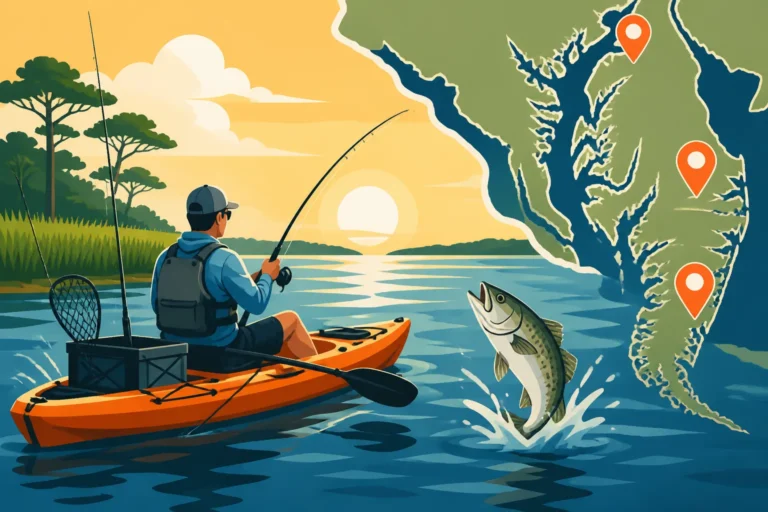
Later in the year, striped bass move in and out of the river, following baitfish. The Choptank is also a prime location for targeting the burgeoning population of blue catfish, which can grow to impressive sizes and offer a powerful fight. Bottom fishing with cut bait or chicken liver is highly effective for these hard-fighting invasives. Kayak anglers particularly love the Choptank's calmer tributaries for exploring secluded spots and targeting shallow-water species. It’s an ideal place for a relaxed day on the water with a high chance of success.
Nanticoke River: Blue Catfish and Snakehead Central
Further south on the Eastern Shore, the Nanticoke River is another significant tidal fishery, perhaps best known today for its prolific populations of invasive species like blue catfish and northern snakehead. While these fish pose ecological challenges, they offer incredible angling opportunities, with no size or creel limits for either, encouraging anglers to remove as many as possible. The Nanticoke’s murky, brackish waters and extensive marshy shorelines provide ideal habitat for these aggressive predators.
Anglers targeting blue catfish here will find success with various cut baits, particularly fresh gizzard shad or sunfish, fished on the bottom in deeper holes and channel bends. For northern snakehead, topwater frog lures, chatterbaits, and weedless soft plastics fished in the shallow, vegetated areas are incredibly effective. The Nanticoke also holds healthy populations of largemouth bass, white perch, and striped bass, making it a diverse fishery for those willing to explore its many nooks and crannies. If you're looking for a unique fishing challenge and the opportunity to help native ecosystems, the Nanticoke is a must-visit.
Chester River: A Classic Eastern Shore Experience
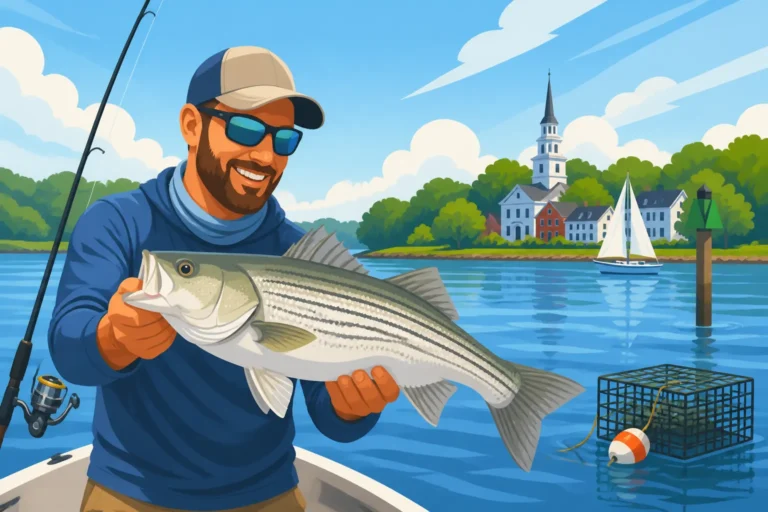
The Chester River, located near Chestertown, offers a more classic Eastern Shore fishing experience with picturesque views and consistent action for popular species. It’s a favorite among light tackle enthusiasts and bottom fishermen, particularly for white perch and striped bass. Like many Eastern Shore rivers, the Chester comes alive in the spring with white perch moving up its many creeks and tributaries to spawn. Tiny jigs tipped with a small piece of bloodworm or grass shrimp are deadly effective.
Throughout the warmer months, the main stem of the Chester and its numerous feeder creeks offer excellent opportunities for striped bass, from schoolie-sized fish to larger specimens. Casting soft plastics around points, oyster reefs, and channel edges can yield good results. Bottom fishing also accounts for croaker and occasional spot. The river’s calm waters and numerous public landings make it very accessible for both boat and kayak anglers. It's a beautiful river for a relaxing day of fishing, whether you're targeting dinner or just enjoying the scenery.
Potomac River: A Diverse Fishery
The Potomac River, forming Maryland's southern border with Virginia and West Virginia, is an incredibly diverse fishery, offering everything from trophy smallmouth bass in its upper reaches to massive blue catfish and the elusive northern snakehead in its tidal sections closer to the Chesapeake Bay. It's a river of contrasts, transitioning from clear, rocky flows to broad, brackish estuaries, each offering unique angling adventures.
Tidal Potomac for Blue Catfish and Snakehead
The tidal sections of the Potomac River, particularly from Washington D.C. downstream towards the Chesapeake Bay, have become legendary for their burgeoning populations of invasive species. The Potomac for Blue Catfish is arguably one of the best fisheries for these giants on the East Coast. These fish grow to enormous sizes here, with anglers regularly pulling in cats over 50 pounds. They are prolific feeders, responding well to various cut baits (gizzard shad, sunfish, chicken breast) fished on the bottom in deeper channels, holes, and around submerged structures. Not only do they offer a fantastic fight, but they're also delicious and, by catching them, you're helping reduce their impact on native species.
Alongside the blue catfish, the Potomac is a hotbed for Northern Snakehead in Maryland Waters. These aggressive, air-breathing predators thrive in the river's shallow, vegetated areas, backwater ponds, and marshy creeks. Fishing for them with topwater frogs, chatterbaits, and weedless soft plastics can be an adrenaline-pumping experience, as they strike with explosive power. The Potomac River Fisheries Commission (PRFC) manages fishing in the main stem of the tidal Potomac, and understanding what the Potomac River Fisheries Commission License is and its regulations is crucial, as they can differ from standard Maryland DNR rules.
Upper Nontidal Potomac for Smallmouth Bass
As mentioned earlier, the upper, non-tidal stretches of the Potomac are a smallmouth bass paradise. From the rapids and pools near Harpers Ferry to points further upstream, the river offers miles of wadeable water and excellent float trips for smallmouth. This section of the river is starkly different from its tidal counterpart, with clear water, rocky bottoms, and a more pronounced current.
Anglers targeting smallmouth here often use light tackle, casting small crankbaits, tubes, or jigs around current breaks, submerged boulders, and riffles. Fly fishing with streamers and poppers is also highly effective and immensely popular. The scenery is stunning, making it an ideal destination for those who enjoy combining fishing with a true outdoor adventure. While primarily a smallmouth fishery, you can also encounter channel catfish, various sunfish, and occasionally some feisty muskie in these upper reaches.
Piers and Shoreline Access for Every Angler
Not everyone has access to a boat, and thankfully, Maryland offers an abundance of excellent fishing piers, jetties, and public shorelines that provide fantastic angling opportunities. These accessible spots are perfect for families, beginners, or anyone looking for a convenient way to wet a line without the hassle of launching a boat. Often, you can find productive fishing without venturing far from your car.
State Park Piers: Sandy Point and Point Lookout
Maryland's state parks are invaluable resources for shore-bound anglers, offering well-maintained piers and extensive shoreline access. Sandy Point State Park, located right at the western foot of the Chesapeake Bay Bridge, boasts a long fishing pier that extends into the Bay's productive waters. From here, you can target white perch, striped bass (rockfish), spot, croaker, and even blue catfish, depending on the season. It’s a family-friendly spot with amenities, making it a great day trip. The currents can be strong, so bring appropriate tackle.
Further south, at the very tip of Southern Maryland, Point Lookout State Park offers incredible fishing diversity. Its long fishing pier and extensive shoreline provide access to both the Chesapeake Bay and the mouth of the Potomac River. Anglers here can catch striped bass, white perch, bluefish, croaker, and even some flounder. The park's jetty also offers opportunities for tautog and sheepshead. It’s a historic and scenic location that combines excellent fishing with beautiful natural surroundings. For many, these state park piers are the go-to spots for reliable shore fishing action.
Ocean City Piers and Boardwalk Access
In Ocean City, the iconic fishing pier stretching out from the Boardwalk is a hub of activity, especially during the summer months. From this pier, anglers can target a wide array of surf and bay species, including kingfish, croaker, spot, bluefish, flounder, and sometimes even small sharks. Rental rods and bait are usually available right on the pier, making it incredibly convenient for tourists and spur-of-the-moment fishing trips. Many people wonder, "Do you need a license to fish from a Maryland pier?" While some private piers might have blanket licenses, it's generally best to assume you need a Maryland Fishing License for Piers and Shore Access, or at least a Maryland Saltwater Angler Registration.
Beyond the main pier, various bulkheads, jetties, and smaller fishing platforms throughout Ocean City's bay side also offer excellent access. These spots are particularly good for flounder, especially if you can get out to a channel edge, and for catching small baitfish like spot and croaker. Night fishing from these illuminated spots can be especially productive for species that feed under the cover of darkness. The convenience and variety of species make Ocean City's shore access points a popular choice for anglers seeking a bustling, resort-town fishing experience.
Hidden Gems and Local Favorites
While the major fisheries of Maryland are well-known, there are countless smaller, often quieter, spots that offer fantastic fishing. These "hidden gems" might not make the headlines, but they are cherished by local anglers for their consistent action, peaceful atmosphere, or unique opportunities. Exploring these lesser-known spots can often lead to some of the most rewarding fishing experiences.
St. Mary's Lake and Unicorn Lake
In Southern Maryland, St. Mary's Lake offers excellent freshwater fishing in a tranquil setting. This impoundment is managed for largemouth bass, chain pickerel, crappie, and various panfish. It's a "no wake" lake, making it ideal for kayak anglers, canoeists, and small electric-motor boats. The lake's clear water and abundant aquatic vegetation provide superb habitat for its fish populations, particularly for bass anglers who enjoy working topwater lures or flipping jigs into heavy cover. It's a serene escape that feels worlds away from the hustle and bustle.
On the Eastern Shore, Unicorn Lake in Queen Anne's County is another delightful small lake that's a true hidden gem. It's known for its excellent largemouth bass fishing and is regularly stocked with trout during the cooler months, providing a unique multi-species opportunity. The lake is relatively small, making it easy to cover by kayak or small boat, and there's ample shoreline access. Unicorn Lake is a fantastic spot for a quiet day of fishing, whether you're targeting bass with soft plastics or chasing stocked trout with spinners.
Local Creeks and Tidal Potholes
Maryland is crisscrossed by thousands of miles of tidal creeks and small tributaries flowing into the Chesapeake Bay. While many are well-known, countless smaller ones offer excellent, often unpressured, fishing. These can be prime spots for white perch, especially during their spring spawning runs, and for resident populations of striped bass. Kayak and canoe anglers often have the best access to these intimate waterways, allowing them to explore far upstream where larger boats cannot go.
These creeks often feature submerged logs, docks, and marshy edges that act as perfect ambush points for fish. Light tackle fishing with small jigs, spinnerbaits, or bait under a bobber can be incredibly effective. Sometimes, the best spots are found simply by driving around and looking for public access points or small bridges that cross these waterways. You might need to do a little exploring, but the reward of discovering your own secret hotspot can be truly exhilarating. These "backyard" fishing holes are a testament to Maryland's rich and diverse aquatic environments.
Comparing Maryland Fishing Opportunities by Region
To help you visualize the incredible range of fishing available, here's a quick comparison of what you can expect in Maryland's diverse regions.
| Region | Primary Water Type | Key Species Targeted | Best for Anglers Seeking | Common Techniques | Licensing Notes |
|---|---|---|---|---|---|
| Chesapeake Bay | Tidal Estuary, Rivers | Striped Bass, White Perch, Blue Catfish, Croaker, Spot | Diverse species, boat fishing, charters, trophy fish | Trolling, jigging, chumming, bottom fishing, live-lining | MD Bay & Coastal Sport Fishing License, or Tidal Nontidal Combo |
| Western Maryland | Freshwater Lakes, Rivers, Streams | Smallmouth Bass, Trout, Walleye, Northern Pike, Panfish | Mountain scenery, fly fishing, cold-water species, quiet solitude | Fly fishing, spin fishing, ice fishing (seasonal), bait fishing | MD Nontidal Fishing License, potentially Trout Stamp |
| Atlantic Coast | Ocean, Coastal Bays, Surf | Flounder, Red Drum, Striped Bass, Bluefish, Tuna (offshore), Sea Bass | Saltwater action, surf fishing, deep sea excursions, big game | Surf casting, bottom fishing, trolling, jigging, live bait | MD Bay & Coastal Sport Fishing License, or Saltwater Angler Registration (shore) |
| Central MD Reservoirs | Freshwater Reservoirs | Largemouth Bass, Crappie, Chain Pickerel, Trout, Catfish | Reservoir boat fishing, shore access, family spots, convenient access | Bass fishing techniques, crappie jigs, trout bait, live bait | MD Nontidal Fishing License |
| Eastern Shore Rivers | Tidal Rivers, Creeks | White Perch, Catfish, Striped Bass, Snakehead, Largemouth Bass | Calm waters, kayak fishing, diverse species, quiet exploration | Light tackle, bait fishing, artificials, topwater lures | MD Bay & Coastal Sport Fishing License, or Tidal Nontidal Combo |
| Potomac River | Tidal Estuary, Nontidal River | Blue Catfish, Snakehead, Smallmouth Bass, Largemouth Bass | Invasive species hunting, trophy catfish, river wading | Bottom fishing, topwater lures, jigs, crankbaits, fly fishing | MD Fishing License (Nontidal or Tidal), PRFC license (tidal section) |
Maryland's fishing landscape is truly remarkable, offering a lifetime of exploration for anglers. Whether you dream of wrestling a monster striped bass from the Bay, delicately presenting a fly to a wary trout in a mountain stream, or battling an offshore tuna, there’s a perfect spot waiting for you. Remember to always check current regulations, as species limits and seasons can change. Happy fishing!
Disclaimer
The information provided in this guide is for general informational purposes only and is subject to change. Fishing regulations, license requirements, and local conditions can vary. Always consult the official Maryland Department of Natural Resources (DNR) website and local authorities for the most up-to-date and specific information before planning any fishing trip. Fishing carries inherent risks, and it is important to practice safe boating and fishing habits.