Fishing the Tidal Potomac Near Washington
Fishing the Potomac River near our nation's capital can be a truly unique experience, but it also comes with its own set of challenges that can leave anglers scratching their heads. From navigating busy waterways filled with tour boats to deciphering which regulations apply in a constantly shifting tidal zone, it’s easy to feel overwhelmed. This guide is here to untangle those complexities, offering a practical, no-nonsense look at how to successfully fish the tidal Potomac River close to Washington D.C., helping you find the fish and enjoy your time on the water.
Understanding the Potomac's Unique Environment
The Potomac River, particularly as it flows past Washington D.C., isn't your average river. It's a fascinating blend of fresh and brackish water, heavily influenced by the mighty Chesapeake Bay, making it an incredibly dynamic and often challenging fishery. Anglers need to grasp these nuances to truly unlock its potential.
The Estuarine Influence and Tidal Swings
What makes the Potomac near D.C. so unique is its estuarine nature. It’s where the freshwater flow from upstream meets the saltwater influence pushing up from the Chesapeake Bay. This mixing creates a rich, fertile environment that supports a diverse range of fish species, but it also means constant change. Unlike a landlocked lake, the water level and current in the tidal Potomac are always in motion, dictated by the ocean's tides. You'll experience significant tidal swings, often a few feet, which can dramatically alter water depth, current speed, and fish behavior. What looks like a promising fishing spot at high tide might be a muddy flat at low tide, completely inaccessible or unfishable. This constant ebb and flow means timing your fishing around the tides isn't just a suggestion; it's practically a requirement for consistent success. Knowing how these tides affect fishing in Maryland's Chesapeake Bay is a great starting point, as many of those principles apply here too.
Water Clarity and Flow Challenges
Another significant factor is water clarity, which can vary wildly in the tidal Potomac. Heavy rains upstream, especially in the spring, can turn the river into a chocolate milk shake for days, sometimes even weeks. This influx of freshwater carries sediment, nutrients, and debris, making sight fishing impossible and often pushing fish into shallower, clearer tributaries or forcing them to rely more on scent than sight. Conversely, during dry spells, the water can become surprisingly clear, particularly in areas with less current. This variation directly impacts your lure selection and presentation. Bright, noisy lures might be necessary in murky water to get a fish’s attention, while more subtle, natural presentations are key in clear conditions. Understanding the river's flow and how recent weather patterns affect it is crucial for planning a successful trip.
Key Species to Target in the Tidal Potomac
The tidal Potomac River near Washington D.C. is renowned for its diverse fishery, offering exciting opportunities for anglers targeting everything from hard-fighting bass to massive invasive catfish. Each species presents its own unique challenge and reward.
Chasing Trophy Largemouth Bass
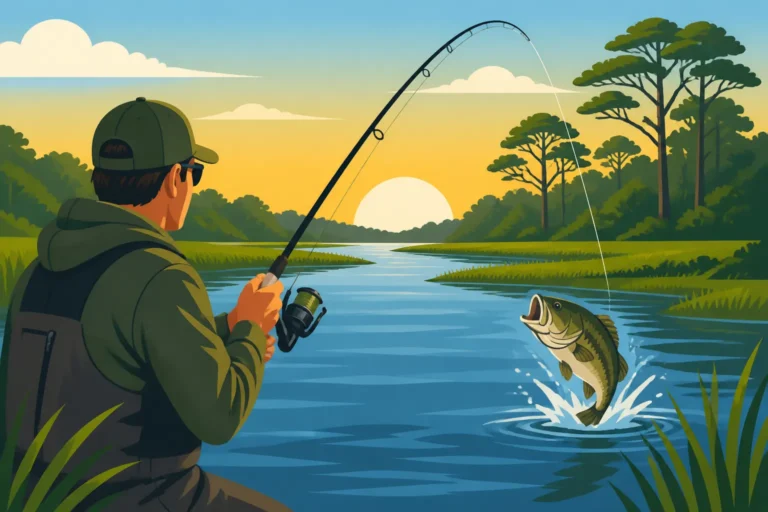
Without a doubt, the largemouth bass is the reigning king of the tidal Potomac. This river is consistently ranked among the top bass fisheries in the country, drawing anglers from all over. What makes it so special is the sheer abundance of healthy, robust bass, many of which are truly trophy-sized. You'll find these bass in a variety of habitats, from the lily pad fields and submerged grass beds of the shallower backwaters and creeks to the deeper channel edges and submerged structure near bridge pilings. They thrive in the nutrient-rich, often slightly brackish water.
To consistently catch these Potomac giants, anglers often employ a range of tactics. In the spring and early summer, topwater frogs, poppers, and buzzbaits fished over vegetation can be incredibly effective, especially during the early morning or late evening hours. As the day progresses or in more open water, pitching jigs, Texas-rigged worms, or Senkos into cover, or cranking square-bill crankbaits along grass lines, can yield impressive results. Even in colder months, deep-diving crankbaits or slow-rolled spinnerbaits can entice a bite from a lethargic lunker. The Largemouth Bass Fishing in Maryland is something many anglers take seriously, and the Potomac is a prime example of why.
The Invasive Blue Catfish Bonanza
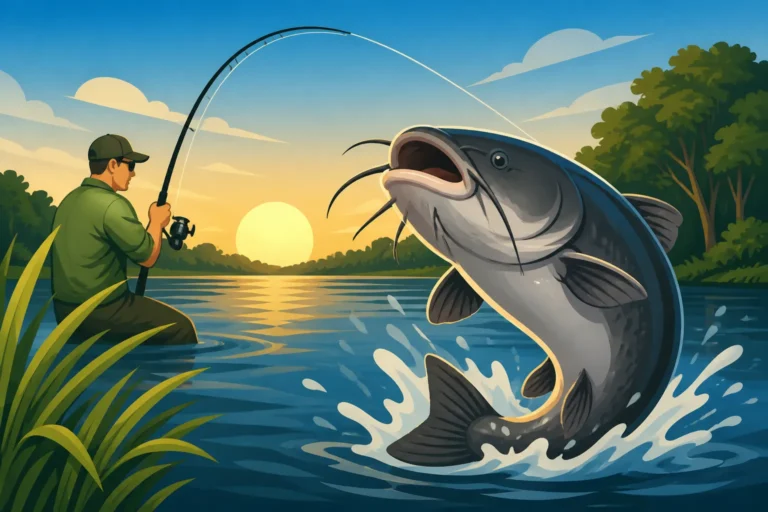
While largemouth bass might be the glamour fish, the blue catfish is an undeniable force in the tidal Potomac. These incredibly adaptable and fast-growing invaders have exploded in population, reaching truly gargantuan sizes. It's not uncommon to pull out blue cats weighing 20, 30, or even 50 pounds, with the Maryland's Largest Blue Catfish Ever Caught having come from the river. For anglers looking for a fight and a full cooler, these fish offer an unparalleled opportunity. Plus, by keeping every blue catfish you catch, you're actively helping to manage this invasive species and protect native fish populations, as per the Maryland Blue Catfish Possession Rules.
Blue catfish can be found throughout the tidal Potomac, from the main river channel to the deeper holes in its tributaries. They are opportunistic feeders, making them relatively easy to catch once you locate a school. Heavy-duty tackle is a must, as these fish can put a serious bend in your rod and test your drag system. Common techniques include bottom fishing with stout circle hooks and heavy sinkers, using a variety of cut baits like herring, shad, or even pieces of bluegill. Many anglers find success by anchoring on channel edges, deep bends, or near significant structure and establishing a chum line to draw the catfish in. For more specific advice, check out the best spots to catch Blue Catfish on the Potomac.
Hunting Northern Snakehead
Another fascinating, albeit invasive, species that has found a stronghold in the tidal Potomac is the northern snakehead. These aggressive, air-breathing predators have garnered a lot of attention due to their unique appearance and fierce fighting ability. They prefer shallow, vegetated waters, often lurking in dense lily pads, hydrilla, or emergent grasses, where they can ambush prey. Catching a snakehead is a truly unique experience, as they strike with explosive force and put up a surprisingly strong fight.
The most popular and arguably most exciting method for targeting snakehead is with topwater lures, especially frog imitations, fished right over heavy cover. The thrill of watching a snakehead explode on a frog is something every angler should experience. Spinnerbaits, chatterbaits, and weedless soft plastics (like senkos or creature baits) can also be effective when retrieved through or alongside the vegetation. Given their invasive status, Maryland Snakehead Fishing Rules require that you do not release live snakeheads back into the water. Anglers are encouraged to humanely dispatch them and take them home, where they make for excellent table fare. For those serious about targeting these unique fish, dedicated guided snakehead fishing trips on the Potomac are available.
White Perch and Panfish Opportunities
Beyond the heavy hitters, the tidal Potomac also offers excellent opportunities for various panfish, with white perch being a perennial favorite. These spirited fighters, especially on light tackle, are abundant and can provide fast action for anglers of all skill levels. White perch move into the shallower tributaries and creeks in large schools, particularly during their spawning runs in spring, but can be caught throughout the warmer months.
You can find white perch around docks, pilings, oyster beds, and channel edges. Small jigs tipped with Gulp! or pieces of bloodworm, tiny spinnerbaits, or sabiki rigs fished vertically or cast and retrieved will often produce bites. They are also fantastic eating fish, making them a popular target for many. Additionally, various sunfish species, such as bluegill and crappie, can be found in the quieter, fresher sections of the tributaries, offering light-tackle fun. During late spring and early summer, these smaller species provide great opportunities for family fishing outings.
Best Fishing Spots and Access Points
The tidal Potomac near Washington D.C. offers a variety of fishing spots, each with its own characteristics and accessibility. Whether you prefer fishing from shore, launching a boat, or kayaking into hidden coves, there are plenty of options.
Shoreline Access Parks and Piers
For those without a boat, the Potomac River offers several excellent public access points where you can cast a line directly from shore or a pier. These spots are fantastic for a quick trip or for anglers new to the area.
One of the most popular and easily accessible spots is Fletcher's Cove (officially part of the C&O Canal National Historical Park), located within the District of Columbia. It offers a bait and tackle shop, boat rentals (rowboats and canoes, great for quiet exploration of the nearby waters), and ample shoreline access. Anglers here can target a variety of species, from largemouth bass in the calm backwaters to catfish in the deeper currents. It's especially popular for those seeking a tranquil escape without leaving the city.
Further south, in Maryland, Fort Washington Marina provides public pier access, offering views of the historic fort and excellent opportunities for catfish and white perch. The piers at National Harbor also provide a chance to fish, though they can be quite busy, and specific regulations might apply given its urban commercial setting. Along the George Washington Memorial Parkway, spots like Dyke Marsh Wildlife Preserve offer limited shoreline access and are particularly known for good largemouth bass and snakehead fishing in its extensive lily pad fields and marsh grasses. However, fishing from the shore can be challenging due to thick vegetation and marshy terrain, making it often better accessed by small boat or kayak.
Boat Ramps and Marina Services
For anglers with their own boats, numerous ramps and marinas provide direct access to the tidal Potomac, allowing you to explore its vast waters. Having a boat opens up a whole new world of fishing opportunities, from targeting bass in secluded creeks to drifting the main channel for catfish.
Fort Washington Marina in Fort Washington, MD, is a prime example, offering excellent ramps and facilities, along with bait and tackle. It’s a great starting point for venturing into the main river or exploring nearby tributaries. Similarly, Belle Haven Marina in Alexandria, VA (just across the river from Maryland, but its waters are influenced by the same tidal patterns), provides convenient access and services. For those looking to go further upriver, ramps near Occoquan Bay National Wildlife Refuge in Woodbridge, VA, offer access to expansive flats and quieter waters, though it's a bit further from D.C. proper. When launching, always check for parking availability, ramp conditions, and any fees involved. Many of these marinas also have fuel, supplies, and sometimes even guides that can be booked through platforms like FishingBooker for a tailored experience.
Navigating Tributaries and Flats
The tidal Potomac isn't just a single river channel; it's a complex system of interconnected tributaries, creeks, and expansive shallow flats. These areas often hold the densest concentrations of fish and can offer refuge from the heavy boat traffic of the main stem.
Oxon Cove and the creeks leading into it, such as Broad Creek, offer excellent opportunities for largemouth bass, snakehead, and even crappie, especially in areas with significant aquatic vegetation. These areas tend to warm up faster in spring and retain heat longer in fall, making them productive during transitional seasons. Piscataway Creek and Mattawoman Creek further south in Maryland are legendary for their largemouth bass populations, featuring miles of prime habitat with submerged grass, lily pads, and cypress trees. These creeks are often clearer and calmer than the main river, providing fantastic sight-fishing opportunities. When fishing these tributaries, pay close attention to the tidal push and pull, as it will concentrate fish in certain areas, particularly around current breaks and ambush points. The vast shallow flats near places like Goose Island or Roaches Run (near DCA airport) are excellent for topwater fishing for bass and snakehead, but require careful navigation due to varying depths and submerged obstacles.
| Location Name | Primary Species Targeted | Best Access Type | Key Features |
|---|---|---|---|
| Fletcher's Cove | Largemouth Bass, Catfish, Perch | Shore, Rowboat | Tackle shop, rentals, calm backwaters, C&O Canal access |
| Fort Washington Marina | Catfish, Perch, Bass, Snakehead | Shore, Boat Ramp | Historic views, public pier, full-service marina |
| Dyke Marsh Wildlife Preserve | Largemouth Bass, Snakehead | Shore (limited), Kayak | Extensive lily pads, marsh grasses, quiet waters |
| Oxon Cove/Broad Creek | Largemouth Bass, Snakehead, Crappie | Boat Ramp, Kayak | Vegetated backwaters, good spring/fall fishing |
| Piscataway Creek | Largemouth Bass, Snakehead | Boat Ramp, Kayak | Legendary bass fishery, cypress trees, submerged grass |
| National Harbor | Catfish, Perch | Public Pier | Urban fishing, busy area, nearby restaurants |
Essential Gear and Techniques
Success on the tidal Potomac depends heavily on having the right gear and knowing how to use it effectively in its varied conditions. This isn't a one-size-fits-all fishery, so being prepared for different species and scenarios is key.
Recommended Lures and Baits
Given the diversity of species, your tackle box should be well-stocked. For largemouth bass, a good selection includes:
- Topwater lures: Frogs (like the Spro Bronzeye Frog) for heavy vegetation, poppers and buzzbaits for open water or around docks.
- Soft plastics: Texas-rigged worms (Zoom Trick Worm, Senko), creature baits, and swim jigs for pitching into cover or working along grass lines.
- Crankbaits: Squarebills for shallow cover, deep-divers for channel edges.
- Spinnerbaits and Chatterbaits: Excellent for covering water, especially in slightly stained conditions.
For blue catfish, simplicity and durability are paramount.
- Baits: Fresh cut bait (shad, herring, bluegill), chicken liver, or clam snouts. Stink baits can also work.
- Rigs: A simple Carolina rig or a bottom rig with a heavy pyramid or no-roll sinker (2-4 ounces or more, depending on current) to hold bottom. Large, strong circle hooks (5/0 to 8/0) are essential.
When targeting northern snakehead, focus on lures that can penetrate or glide over heavy cover.
- Topwater frogs: Again, the Spro Bronzeye Frog or similar weedless frog imitations are deadly.
- Spinnerbaits/Chatterbaits: For slightly more open water or sparse cover.
- Jigs with soft plastic trailers: For working through submerged vegetation.
For white perch, smaller baits are the ticket.
- Baits: Small pieces of bloodworm, grass shrimp, or tiny soft plastic grubs.
- Lures: Small jigs (1/16 to 1/8 oz) tipped with a grub or Gulp! bait, tiny spinnerbaits, or a sabiki rig for catching multiple at once.
Rods, Reels, and Line Choices
Matching your tackle to your target species is crucial for a productive day on the water.
For largemouth bass and snakehead, you'll want a versatile setup.
- Rods: A medium-heavy to heavy power baitcasting rod (6'6" to 7'6") is ideal for pitching jigs, slinging frogs, and pulling big fish out of thick cover. A medium-action spinning rod can also be useful for lighter lures or finesse techniques.
- Reels: High-quality baitcasting reels with a fast gear ratio for quickly taking up slack and strong drag systems are preferred. Spinning reels should be smooth and reliable.
- Line: Braided line (30-50 lb test) is almost a necessity for fishing in heavy cover due to its strength and lack of stretch, allowing you to cut through weeds and feel subtle bites. You can tie a fluorocarbon leader (12-20 lb) for clearer water or to reduce visibility. For crankbaits, fluorocarbon main line (12-17 lb) can also be effective due to its sensitivity and low stretch.
For blue catfish, go heavy or go home!
- Rods: A heavy-action catfish or surf rod (7' to 9' or longer) with a strong backbone is essential for handling heavy sinkers and powerful fish.
- Reels: Large baitcasting reels (like Ambassadeur 6500 series) or heavy-duty spinning reels with plenty of line capacity and a stout drag.
- Line: Braided line (50-80 lb test) or heavy monofilament (20-40 lb test) will stand up to the fight and the abrasive bottom.
For white perch and panfish, light tackle offers the most fun.
- Rods: A light to ultralight spinning rod (5' to 6'6") provides excellent sensitivity and maximizes the fight.
- Reels: Small, smooth spinning reels (1000-2500 size).
- Line: Light monofilament or fluorocarbon (4-8 lb test) for stealth and sensitivity.
Seasonal Fishing Strategies
The tidal Potomac fishes differently throughout the year, with each season presenting unique opportunities and challenges. Understanding these patterns is key to consistent success.
- Spring (March-May): This is a prime time as fish become active after winter. Largemouth bass move into shallower, warming waters and back creeks for spawning. Topwater lures, spinnerbaits, and shallow crankbaits are effective. White perch make their spawning runs up the tributaries, providing incredible action on small jigs and bloodworms. Blue catfish are also very active and hungry. This is also when you'll see snakehead begin to emerge from their winter dormancy, becoming more active in the dense vegetation.
- Summer (June-August): Fishing can be excellent, but you need to adapt to the heat and boat traffic. Early mornings and late evenings are best for topwater action with bass and snakehead. During midday, fish move to deeper grass beds, shade, or structure; pitching jigs and working plastics are effective. Catfish remain active, often found in deeper channels. This is also a good time for crabbing if you have a Maryland Crabbing and Fishing Combination License.
- Fall (September-November): Many consider fall to be the best fishing season. Bass and snakehead become very aggressive as they feed heavily before winter, often schooling up. Spinnerbaits, crankbaits, and jigs are all highly productive. Catfish are still going strong. The cooler weather and changing foliage make for a beautiful experience on the water.
- Winter (December-February): While challenging, winter fishing can yield some of the largest fish. Largemouth bass will be lethargic and often hold in deeper holes, channel bends, or around submerged structure; slow presentations with jigs, blade baits, or deep-diving crankbaits are required. Blue catfish remain active year-round and can be caught in deep holes using cut bait. White perch can be found in deeper areas of the main river or lower tributaries. Remember that the Potomac can get quite cold, so dress in layers and prioritize safety.
Navigating Regulations and Seasons
Fishing the tidal Potomac near Washington D.C. can be a bit of a bureaucratic puzzle, as you're often dealing with overlapping regulations from Maryland, Virginia, and the District of Columbia. It's crucial to understand these rules to avoid fines and contribute to sustainable fisheries.
Maryland and DC Regulations Overlap
The Potomac River serves as a border between Maryland and Virginia, and a significant portion near D.C. falls under the jurisdiction of both Maryland DNR and the District of Columbia's Department of Energy and Environment (DOEE). Generally, Maryland fishing license guide for 2026 information applies to the vast majority of the river on the Maryland side, but when you're in the precise territorial waters of D.C., you might need to adhere to DOEE regulations or hold a D.C. fishing license. For the most part, a valid Maryland fishing license will cover you on the Maryland side of the tidal Potomac, but it is always best to double-check the exact boundary lines if you plan to fish directly within D.C. proper or cross into Virginia waters. This is particularly true for those who might be combining a Virginia and Maryland Fishing License for broader access. Many sections of the Potomac River are managed by the Potomac River Fisheries Commission (PRFC), which often has its own set of rules that supersede individual state regulations for some species. Familiarizing yourself with What Is the Potomac River Fisheries Commission License? is highly recommended.
Size and Creel Limits for Popular Species
Each species has specific rules regarding its size and the number you can keep (creel limit). These regulations are in place to ensure healthy fish populations.
- Largemouth Bass: Typically, there are minimum size limits and daily creel limits. For instance, Maryland Largemouth Bass Size Limit by Water will detail specific rules which can vary slightly depending on the exact section of the river. These limits are designed to protect spawning fish and allow juveniles to grow.
- White Perch: Generally, white perch have generous daily limits and no minimum size, reflecting their abundance. However, always check the current Maryland White Perch Daily Limit as regulations can change.
- Blue Catfish: Given their invasive status, there are usually no size or creel limits for blue catfish. In fact, anglers are strongly encouraged to harvest as many as possible. Maryland Blue Catfish Possession Rules will emphasize this.
- Northern Snakehead: Similar to blue catfish, there are generally no size or creel limits, but the most important rule is that it is illegal to release a live snakehead back into the water. Anglers must humanely dispatch them. Maryland Snakehead Fishing Rules are very clear on this.
It's vital to consult the Maryland DNR Fishing and Boating Guide, Explained annually, as these regulations can change. Ignorance of the law is not an excuse, and penalties for violations can be steep.
Invasive Species Rules
The Potomac River is ground zero for several invasive species, most notably the blue catfish and northern snakehead. Because these species pose a significant threat to native ecosystems, Maryland and D.C. have specific, strict rules for handling them.
For blue catfish, the directive is simple: harvest them. There are no limits on how many you can keep, and anglers are encouraged to take all they catch. This helps reduce their population, which preys on native species and competes for food. While you can release blue catfish, keeping them is highly encouraged. Maryland Blue Catfish Limit, or Lack of One, provides further details.
For northern snakehead, the rules are even more stringent: you must not release a live snakehead back into the water. If you catch one, you are legally required to kill it immediately and humanely. Many anglers carry a small club or knife specifically for this purpose. The fine for transporting a live snakehead in Maryland is substantial because of the risk of spreading this destructive species to other waterways. This rule is critical for preventing their further spread and mitigating their impact on native fish like largemouth bass and various panfish. What to Do If You Catch a Snakehead in Maryland is a must-read for anyone fishing the Potomac.
Local Insights and Tips for Success
Beyond the official rules and recommended gear, there are many subtle nuances that experienced local anglers understand about fishing the tidal Potomac. These insights can significantly boost your success and make your trip more enjoyable.
Reading the Tides and Currents
We've touched on it already, but the importance of understanding the tides in the tidal Potomac cannot be overstated. Unlike stillwater fisheries, the moving water here completely changes fish behavior and positioning. Fish use current breaks, points, and submerged structures as ambush points.
- Incoming Tide: As the tide pushes in, water levels rise, and fish often move into shallower areas, pushing deep into grass beds, flooded timber, and lily pads that might have been dry at low tide. This is an excellent time for topwater lures or pitching soft plastics into newly accessible cover. The current also brings in fresh baitfish, stimulating feeding.
- Outgoing Tide: As the tide recedes, water levels drop, and fish often pull back out of the shallowest cover, concentrating in the edges of grass beds, along channel drop-offs, or near the mouths of creeks where baitfish are being flushed out. This is a fantastic time for targeting fish that are ambushing prey being swept along by the current. Casting to current seams or working jigs along deeper edges can be very productive.
- Slack Tide (High or Low): The period of slack water, when the tide is briefly still before turning, can sometimes be slow. However, it can also present a unique opportunity as fish might spread out more or become more predictable in their movements.
A good practice is to consult a tide chart for a nearby location (like Point Lookout or Washington D.C. itself) before your trip and plan your day around these movements. Knowing the Best Tide for Fishing the Chesapeake Bay gives you a good general idea, but specific Potomac River tide charts are more accurate for your immediate fishing zone.
Safety on the Water
Fishing the tidal Potomac, especially near Washington D.C., means navigating a busy waterway. Safety should always be your top priority, whether you're in a boat or fishing from shore.
- Boat Traffic: The river sees heavy recreational and commercial traffic, including many tour boats and even larger vessels. Always be aware of your surroundings, maintain a safe distance from other boats, and obey all navigation rules. If you're in a smaller boat or kayak, be extra cautious and consider bright flags for visibility. Kayak Fishing Safety Tips for Maryland's Chesapeake Bay offer great general advice applicable to the Potomac.
- Weather and Currents: Sudden thunderstorms can pop up, and the currents can be stronger than they appear, especially during strong tidal exchanges. Keep an eye on the weather forecast and always wear a life jacket. If you're wading, be extremely careful, as swift currents combined with slippery, uneven bottoms can be dangerous.
- Hydration and Sun Protection: In the warmer months, the sun can be intense. Bring plenty of water, wear sunscreen, a wide-brimmed hat, and polarized sunglasses to protect yourself from the elements.
- Emergency Preparedness: Always let someone know where you're going and when you expect to return. Carry a fully charged phone, a first-aid kit, and an anchor if you're in a boat.
Finding Local Expertise
Sometimes, the best way to get a jump start on a new fishery is to learn from those who know it best. Local fishing guides spend countless hours on the water, tracking fish movements, understanding seasonal patterns, and mastering specific techniques. They can quickly put you on fish and teach you the nuances that would take years to learn on your own.
There are many excellent fishing guides who specialize in the tidal Potomac, offering trips for largemouth bass, blue catfish, and especially northern snakehead. If you're a beginner, or simply want to maximize your chances of success, booking a trip with a local guide can be an invaluable investment. Websites like FishingBooker make it easy to find and compare local guides, check their availability, and read reviews from other anglers. A good guide will provide all the necessary gear, bait, and local expertise, ensuring a productive and enjoyable day on the water. They're particularly helpful for navigating the complex regulations and identifying the hottest spots on any given day. If you're looking for specific help, consider a guided snakehead fishing trip on the Potomac to experience the thrill of catching this unique invasive species.
Disclaimer
The information provided in this guide is for general informational purposes only and is subject to change. Fishing regulations, seasons, and local conditions can vary. Always consult the official Maryland Department of Natural Resources (DNR), District of Columbia Department of Energy and Environment (DOEE), and Potomac River Fisheries Commission (PRFC) websites and publications for the most current and accurate regulations before you go fishing. Your safety and adherence to all laws are your responsibility.