Fishing the Upper Youghiogheny for Trout
For many anglers in Maryland, the quest for truly wild, naturally reproducing trout in a pristine mountain setting often feels like a distant dream, dominated by stocked fisheries. However, tucked away in the western part of our beautiful state lies a genuine gem: the Upper Youghiogheny River, a place where the challenging currents and stunning scenery are matched only by the thrill of targeting elusive wild trout. This guide will walk you through everything you need to know to experience this unique and rewarding fishery.
Why the Upper Youghiogheny is a Premier Maryland Trout Fishery
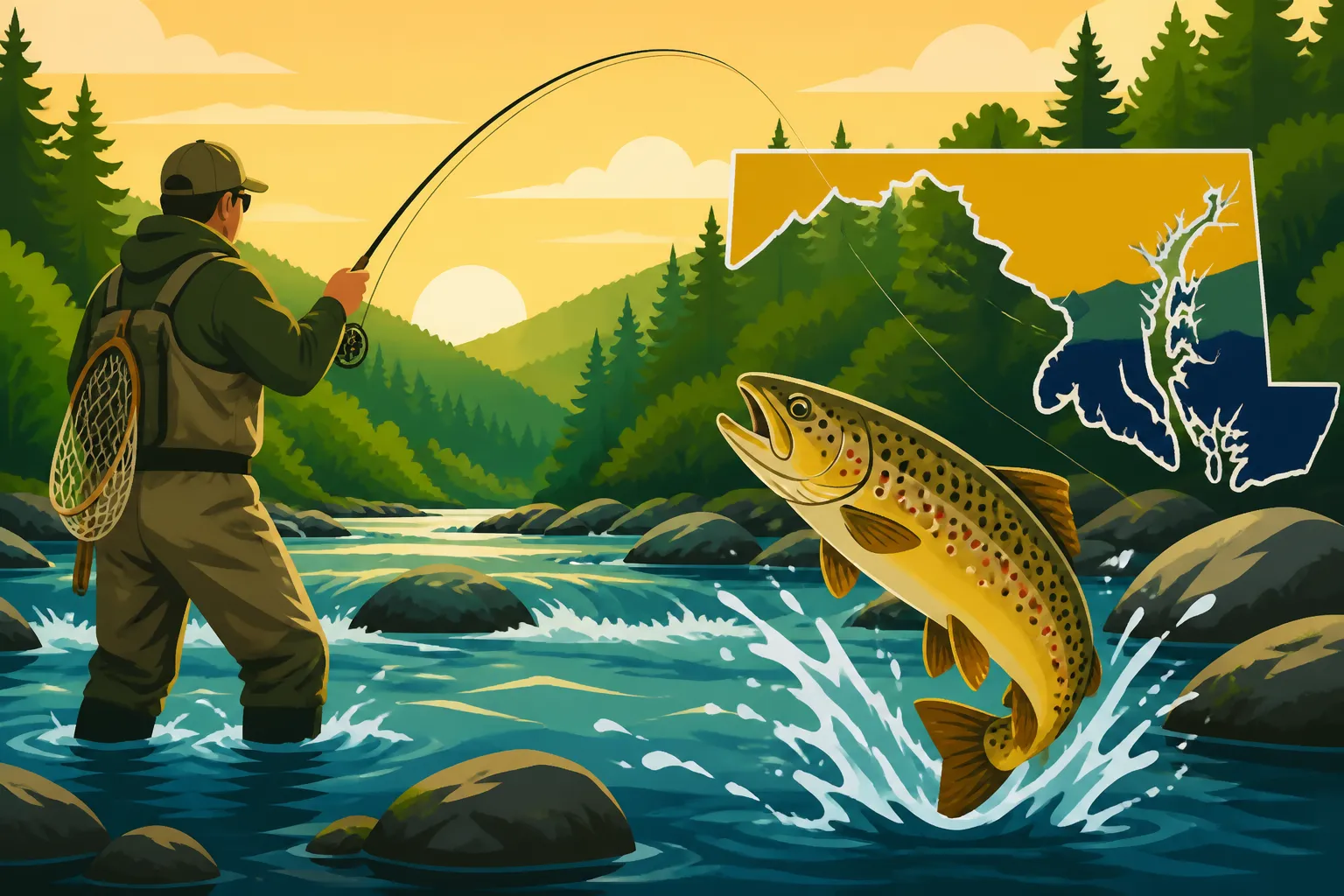
The Upper Youghiogheny, affectionately known as the "Yough" by local anglers, isn't just another trout stream. It's a rugged, untamed river that stands out as one of Maryland's most significant wild trout fisheries. Unlike many other trout waters that rely heavily on hatchery-raised fish, the Yough supports robust populations of naturally reproducing brook trout and brown trout, a testament to its cold, clean water and diverse habitat. This distinction makes it a bucket-list destination for serious trout enthusiasts.
Wild Trout vs. Stocked Waters
When we talk about "wild trout," we're talking about fish that were born and raised in the river, adapting to its specific conditions and displaying a level of fight and instinct that stocked fish often lack. These fish are typically leaner, harder-fighting, and incredibly wary, making them a true challenge to pursue. The presence of wild brook trout, in particular, is a strong indicator of excellent water quality and a healthy ecosystem, as brookies are notoriously sensitive to pollution and habitat degradation. This natural selection creates a fishing experience that is deeply connected to the environment, far removed from the "catch-and-keep" mentality often associated with put-and-take fisheries.
Fishing for wild trout forces you to sharpen your skills, pay close attention to hatches, and approach the river with stealth and respect. It’s not just about catching fish; it’s about deciphering the river's secrets and outsmarting a creature perfectly evolved for its environment. If you're looking for a profound angling experience that tests your abilities and connects you with nature, the Upper Youghiogheny's wild trout are precisely what you're seeking.
Catch and Release Regulations
To protect its precious wild trout populations, the Upper Youghiogheny River operates under special catch and release regulations. This means that all trout caught in the designated special management area must be immediately released unharmed. These regulations are critical to ensuring the sustainability of the fishery, allowing trout to grow, reproduce, and maintain a healthy population for future generations of anglers. It's a commitment that anglers embrace, understanding that the value of this resource far outweighs the desire to take a fish home.
You'll find that these rules apply strictly, and Maryland DNR enforcement takes them very seriously. It’s always a good idea to refresh your knowledge on the Maryland Fishing Size and Catch Limits by Species and specifically the Maryland Trout Daily Creel Limit before heading out. This dedicated approach to conservation, which also often includes Barbless Hook Rules on Maryland Trout Streams, is what keeps the Yough a vibrant fishery. Always carry a net with a rubberized mesh to minimize harm to the fish, and practice good handling techniques to ensure their survival. Wet your hands before touching the fish, avoid squeezing them, and release them gently headfirst into the current.
The River's Unique Character
The Upper Youghiogheny River is characterized by its steep gradient, rocky bottom, and numerous riffles, runs, and deep pools. Flowing through rugged mountain terrain in Garrett County, its waters remain cold year-round, even through the hottest Maryland summers, thanks to its high elevation and spring-fed tributaries. This consistently cold water is paramount for trout survival and reproduction. The riverbed is a mosaic of large boulders, gravel, and smaller stones, providing ample hiding spots and insect habitat.
The river's flow can vary dramatically depending on recent rainfall and snowmelt, which adds to its challenge and allure. During periods of higher water, the Yough can be powerful and swift, demanding caution and skilled wading. In lower water, the trout become even warier, requiring delicate presentations. This dynamic nature means the river is never quite the same twice, offering a fresh challenge with every visit. Its secluded stretches, often bordered by dense forest, offer a true wilderness experience, making it one of the Best Trout Streams in Western Maryland.
Essential Techniques for Upper Youghiogheny Trout
Fishing the Upper Youghiogheny successfully requires a blend of skill, patience, and adaptability. The wild trout here are not easily fooled, and conditions can change rapidly. Having a solid understanding of various techniques, particularly fly fishing, will significantly increase your chances of success.
Fly Fishing Strategies
Fly fishing is, without a doubt, the most popular and often most effective method for targeting wild trout in the Upper Youghiogheny. The river's abundant insect life dictates what flies are most productive at any given time. Successful fly fishing here relies on presenting a natural-looking imitation in a drag-free drift.
-
Dry Fly Fishing: When trout are actively rising to surface insects, dry flies are king. During spring and early summer, look for caddis hatches (like Grannom Caddis or Sulfur Dries) and mayflies (such as Sulphurs, March Browns, or Light Cahills). In late summer and fall, terrestrials like hoppers, ants, and beetles can be incredibly effective, especially along undercut banks and grassy edges. A good approach is to use a longer leader, often 9-12 feet, tapered down to a fine tippet (5X or 6X) to ensure a delicate presentation and minimize spooking the wary trout. Observing the natural insects on the water is key to selecting the right pattern.
-
Nymphing: When trout aren't rising, they're typically feeding sub-surface. Nymphing techniques are often the most productive way to catch Yough trout year-round. Patterns like Prince Nymphs, Hare's Ear Nymphs, Pheasant Tail Nymphs, and Caddis Larva imitations are perennial favorites. Euro nymphing, or tight-line nymphing, can be particularly effective in the Yough's turbulent waters, allowing for precise depth control and excellent strike detection. Another reliable method is using an indicator rig, with one or two weighted nymphs suspended below a strike indicator, drifting through runs and plunge pools. Remember to use enough weight to get your flies down to the fish quickly without snagging too often.
-
Streamer Fishing: For targeting larger, more aggressive brown trout, streamers can be incredibly effective, especially in higher or off-color water. Patterns like Woolly Buggers, Sculpzillas, or small baitfish imitations (e.g., Clouser Minnows) stripped through deep pools and along current seams can provoke a predatory strike. This technique often works best when retrieved with erratic movements, mimicking a wounded baitfish. Early mornings, late evenings, or overcast days are prime times for streamer fishing. If you're serious about your setup, you might want to look into specific Fly Fishing Gear for Maryland Trout Streams.
Spin Fishing Considerations
While fly fishing tends to dominate the Upper Youghiogheny, spin anglers can certainly find success if they adapt their approach. The key is to use light tackle, stealth, and small, natural-looking lures.
-
Lure Selection: Small inline spinners (like Panther Martins, Mepps, or Rooster Tails) in sizes #0 to #2, with natural colors such as silver, gold, or black, are often effective. Cast upstream and retrieve just fast enough to get the blade spinning, letting the current impart a natural drift. Small jerkbaits or crankbaits that imitate minnows can also work in deeper pools. Micro jigs tipped with small plastic grubs or scented baits, fished slowly along the bottom, can be deadly when trout are less active.
-
Presentation and Stealth: Just like with fly fishing, presentation is everything. Cast accurately, avoid heavy splashes, and retrieve smoothly. Use light line, typically 2-4 lb test fluorocarbon, which is less visible to wary trout. Approach the riverbank cautiously, keeping a low profile to avoid spooking fish. Long casts are often necessary to reach prime holding water without getting too close. The Yough's clear water means trout have excellent visibility, so any unnatural movement or splash can send them darting for cover.
Reading the Water
Understanding where trout hold in a river is fundamental to success. In the Upper Youghiogheny's dynamic environment, this means constantly assessing the current, structure, and depth.
-
Riffles and Runs: These are shallow, turbulent sections where the water flows quickly over rocks. Trout often hold in the slower pockets behind larger boulders or in the seams where faster water meets slower water, conserving energy while waiting for food to drift by. Small nymphs and wet flies are excellent choices for these areas.
-
Pools: Deeper, slower-moving sections of the river offer trout refuge and often hold larger fish. Look for trout along the edges, near submerged logs, or in the deepest parts of the pool. Dry flies can be effective when trout are rising, but nymphs and streamers are often necessary to reach fish holding deeper in the water column.
-
Pocket Water: The Yough has extensive pocket water – small, calm eddies and slack water created by rocks and current fluctuations. Each pocket can hold a trout, making it crucial to target them individually with precise casts. A short, accurate cast with a nymph or dry fly into these pockets can often yield immediate results. Remember that trout instinctively face upstream, so always try to present your fly or lure from downstream, working your way up the river. This minimizes the chance of being seen.
Navigating Access and Planning Your Trip
A trip to the Upper Youghiogheny requires a bit of planning, both for access and for ensuring you have the right gear. Its wild nature means some areas are more remote, but dedicated public access points make it reachable for eager anglers.
Public Access Points and Wading Safety
Most of the fishable water on the Upper Youghiogheny flows through State Forests and other public lands, particularly within Swallow Falls State Park and the surrounding areas near Oakland, Maryland. Specific access points include:
- Swallow Falls State Park: Offers good access to the river, with trails leading to various sections. While popular, you can often find secluded spots further from the main park attractions.
- Sang Run State Park: Provides excellent access to some of the river's most productive wild trout waters. This area is often considered prime real estate for serious fly anglers.
- Hoyes Run: Further downstream, Hoyes Run offers additional access points that can be less crowded.
When wading the Yough, safety is paramount. The riverbed is rocky and often slippery, and the current can be swift, especially after rain. Always wear sturdy wading boots with felt soles or studs for maximum grip. A wading staff is highly recommended for stability, especially when crossing deeper or faster sections. Never wade alone, and always let someone know where you're going and when you expect to return. Be mindful of sudden increases in water level, particularly during spring melt or heavy thunderstorms. Understanding the Best Time of Year to Fish in Maryland can also inform your trip planning regarding flow rates.
Gear Recommendations
Beyond your rod, reel, and tackle, a few essential items will make your Upper Youghiogheny trip more comfortable and successful.
- Waders and Boots: Neoprene waders are excellent for colder months, while breathable waders are comfortable for warmer weather. As mentioned, studded or felt-soled wading boots are a must for grip.
- Layered Clothing: Mountain weather can be unpredictable. Dress in layers, including moisture-wicking base layers, insulating mid-layers, and a waterproof/windproof outer shell.
- Backpack: A comfortable backpack to carry water, snacks, extra layers, a first-aid kit, and your fishing essentials.
- Sun Protection: Sunscreen, a wide-brimmed hat, and polarized sunglasses are crucial. Polarized sunglasses also help you spot fish and submerged structure.
- Net: A rubberized mesh net to minimize harm to released fish.
- Hemostats/Forceps: For quickly and safely removing hooks.
- Line Clippers: For quick and clean line cuts.
- Map and Compass/GPS: For navigating more remote sections of the river. Cell service can be spotty.
- Camera: To capture the beauty of the fish and the scenery!
Hiring a Local Guide
For those new to the Upper Youghiogheny or to wild trout fishing, hiring a local guide can be an invaluable investment. A seasoned guide knows the river intimately, understands the seasonal hatches, and can quickly put you on fish. They can teach you specific techniques tailored to the Yough's unique challenges, identify productive water, and ensure a safer, more enjoyable experience. They can also often provide all the necessary gear, eliminating the need for you to purchase specialized equipment for a single trip.
If you're looking for an experienced guide who specializes in this region, platforms like FishingBooker can help you find reputable local outfits. These services connect you with licensed captains and guides who live and breathe this water, ensuring you get the most out of your day. Whether you're interested in learning new fly casting techniques, deciphering insect hatches, or simply want to maximize your chances of catching a trophy wild trout, a guide's expertise can be transformative. They can also advise on other nearby fishing opportunities, like those offered through Fishing Deep Creek Lake for Walleye or Fishing Deep Creek Lake for Smallmouth Bass.
Important Regulations and Conservation Efforts
Protecting the unique wild trout fishery of the Upper Youghiogheny is a collective responsibility. Familiarizing yourself with the regulations and embracing conservation practices are vital for ensuring this special place thrives for generations to come.
Specific Catch Limits and Tackle Restrictions
As previously mentioned, the designated section of the Upper Youghiogheny is a Trophy Trout Catch and Release area. This means:
- No Harvest: All trout caught must be immediately released unharmed.
- Tackle Restrictions: Only artificial lures and flies are permitted. This rule is designed to reduce incidental mortality associated with bait fishing, as trout are less likely to swallow artificial lures deeply. Is a Maryland Fishing License Required for Catch and Release? Yes, absolutely, and a Maryland Fishing License Guide for 2026 will give you all the details on where to get yours.
- Barbless Hooks: While not universally mandated on all Maryland trout streams, using barbless hooks (or crimping the barbs on your existing hooks) is highly recommended and often required in special management areas like portions of the Yough. This significantly reduces trauma to the fish during hook removal, increasing its chances of survival after release. Always verify the specific regulations for the stretch of river you plan to fish, as rules can vary.
These regulations might seem restrictive, but they are the bedrock of the Yough's reputation as a world-class wild trout fishery. Adhering to them isn't just about avoiding fines; it's about respecting the fish and the environment. Don't forget, if you're a resident, you'll need to know the Maryland Resident Nontidal Fishing License Cost and likely the Maryland Trout Stamp Requirements as well.
Supporting Trout Conservation
Beyond following the rules, anglers can actively contribute to conservation efforts.
- Practice Leave No Trace Principles: Pack out everything you pack in, including monofilament line, which can be deadly to wildlife.
- Handle Fish Carefully: Minimize stress on the fish by keeping them in the water as much as possible, using wet hands, and releasing them gently. Avoid excessive photography if it prolongs the fish's time out of water.
- Report Violations: If you witness any illegal activity, such as anglers keeping fish from a catch-and-release area or using illegal tackle, report it to the Maryland Department of Natural Resources (DNR).
- Support Local Conservation Groups: Organizations dedicated to coldwater conservation often work directly on habitat improvement projects in rivers like the Yough. Your membership or donations can help fund vital work.
By embracing these principles, we ensure that the wild trout of the Upper Youghiogheny continue to thrive, providing exceptional angling experiences for years to come. Remember that fishing is a privilege, and with that privilege comes the responsibility to protect the resources we enjoy.
Seasonal Fly Recommendations for Upper Youghiogheny Trout
This table provides a general guide for fly patterns that often produce results on the Upper Youghiogheny River, but always observe local hatches and conditions for the best success.
| Season | Dry Flies | Nymphs | Streamers | Notes |
|---|---|---|---|---|
| Spring | Blue Winged Olive (BWO), Quill Gordon, | Pheasant Tail, Hare's Ear, Caddis Larva, | Black Woolly Bugger, Sculpzilla, Grey Ghost | Stonefly nymphs also important. Watch for early caddis and mayfly hatches. |
| (March-May) | Grannom Caddis, Hendrickson | Prince Nymph | ||
| Summer | Sulphur, Light Cahill, Trico, Terrestrials | Copper John, San Juan Worm, Green Caddis | Olive Woolly Bugger, Black-nosed Dace | Terrestrials (hoppers, ants, beetles) become crucial as hatches wane. |
| (June-August) | (Hopper, Ant, Beetle imitations) | Larva, Rubber-legged Stonefly | ||
| Fall | October Caddis, BWO, Blue Winged Olive | Pheasant Tail, Hare's Ear, Stonefly Nymph, | White Streamer, Black Woolly Bugger, Gold-ribbed | Excellent time for larger brown trout on streamers. |
| (Sept-Nov) | (Smaller patterns) | Prince Nymph | Hare's Ear | |
| Winter | Midges (small), Blue Winged Olive (late) | Zebra Midge, Bloodworm, Pheasant Tail, | Dark Woolly Bugger, Sculpin Imitations | Fish slow and deep. Focus on soft water in pools and eddies. |
| (Dec-February) | Hare's Ear (small) |
Disclaimer
The information provided in this guide is for general informational purposes only and is subject to change. Fishing regulations in Maryland are set by the Department of Natural Resources (DNR) and can be updated seasonally or annually. It is the responsibility of every angler to consult the latest official Maryland DNR fishing regulations before heading out on the water. We are not responsible for any incidents, accidents, or violations that may occur from misinterpretation or outdated information. Always prioritize safety and practice ethical angling.