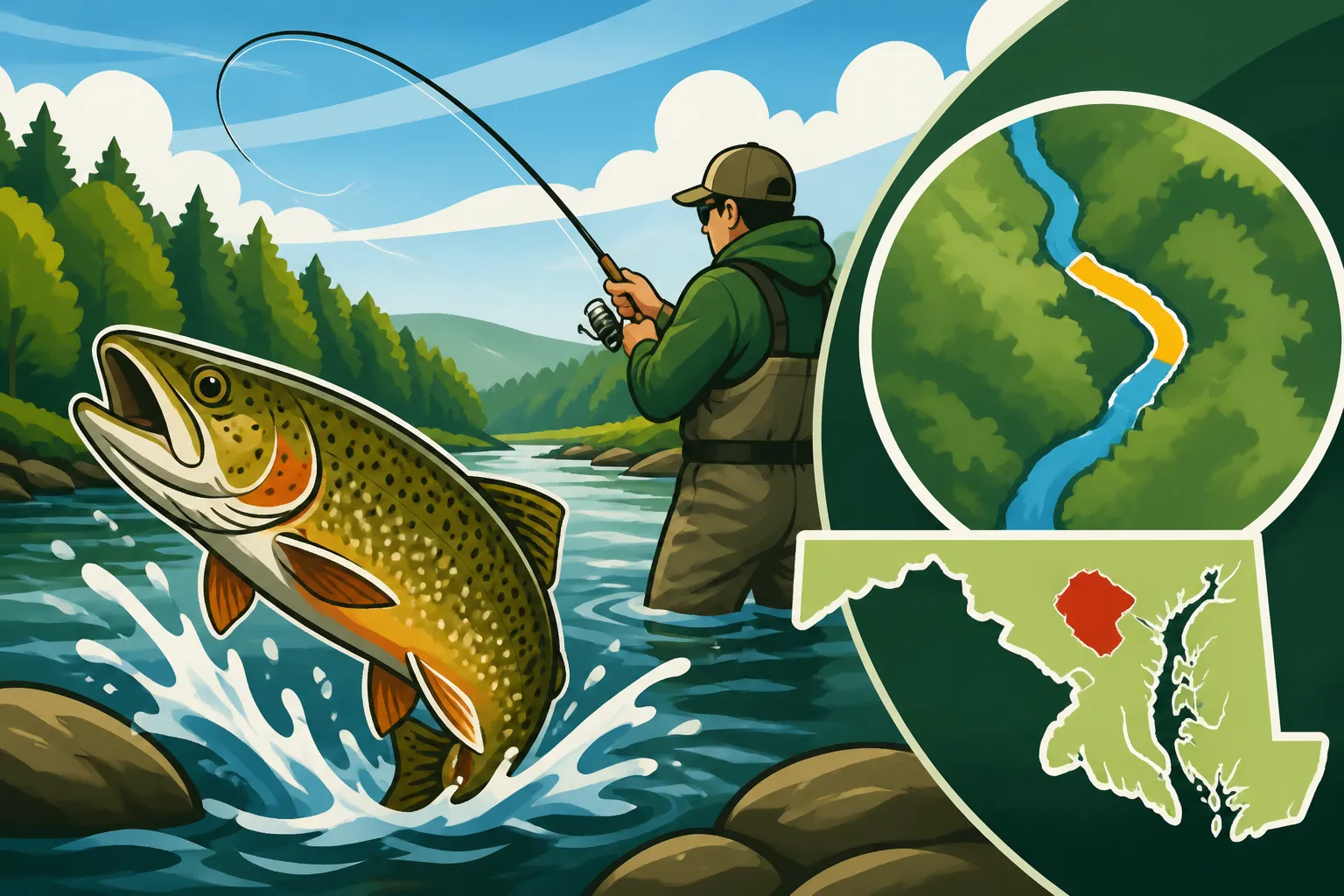
Fishing the Gunpowder Falls Delayed Harvest Section
The thrill of chasing trout in Maryland's pristine streams is a joy, but navigating the specific rules for designated areas can feel like trying to untangle a bird's nest of fishing line. For many anglers, understanding the nuances of a "Delayed Harvest" section, especially a beloved spot like the Gunpowder Falls, can be a real head-scratcher. This comprehensive guide is here to demystify everything, ensuring you're fully prepared to enjoy a rewarding and compliant fishing experience on the Gunpowder.
Understanding Maryland's Delayed Harvest Program
When you hear "Delayed Harvest" in the context of trout fishing in Maryland, it's easy to get confused. It's not just another section of river; it's a carefully managed program designed to extend the fishing season and provide anglers with a consistent opportunity to catch trout, primarily through catch-and-release practices for a significant portion of the year. The Maryland Department of Natural Resources (DNR) implements this program to create high-quality, cold-water fisheries that are both challenging and rewarding.
What "Delayed Harvest" Truly Means
Essentially, a Delayed Harvest stream, like the specified section of the Gunpowder Falls, operates under a set of rules that prioritize catch-and-release fishing for several months out of the year. This means that after a generous stocking of trout, anglers are permitted to fish for these robust, often feisty fish, but they must release every single one unharmed. It's a fantastic way to enjoy the sport without the pressure of a creel limit, allowing everyone to experience the thrill of the catch over and over again. This setup helps sustain a healthy population of fish throughout the fall, winter, and spring, offering consistent action when many other streams might be winding down.
The underlying philosophy is simple: stock many trout, allow catch-and-release for an extended period, and then, at a specific point, transition to a harvest season. This staggered approach provides diverse angling opportunities, from challenging fly-fishing experiences to more relaxed spin-fishing outings, all while promoting conservation. It's a model that has proven highly successful in maintaining angler satisfaction and robust fish populations in these designated areas. For more general information on Maryland Trout Season, Month by Month, you can explore specific dates and regulations that apply across the state.
When the Rules Shift: Key Dates for Anglers
The "delayed" part of Delayed Harvest refers to the period when keeping fish is prohibited. For the Gunpowder Falls, the Delayed Harvest regulations typically begin in October and continue through the spring, usually ending around June 15th. During this entire period, it is strictly catch-and-release only, and often, only artificial lures and flies are permitted, with the additional requirement of barbless hooks. This rule is critical for minimizing harm to the fish, as they are likely to be caught multiple times.
After June 15th (or a similar mid-June date, always double-check the current year's regulations with the Maryland DNR), the "delayed" period ends, and anglers are generally allowed to harvest a limited number of trout, usually two fish per day, with no size restrictions. This shift allows for a short harvest window, often until September 30th, before the cycle begins anew with fall stocking. These precise dates are crucial, so make it a habit to consult the latest Maryland's DNR Fishing and Boating Guide, Explained at the beginning of each season to avoid any misunderstandings.
Gear Up for Gunpowder Falls Delayed Harvest Success
Having the right gear makes all the difference when you're targeting the often-wary trout in a Delayed Harvest section. While the fish are stocked, they quickly become educated, and proper presentation, often aided by specific tackle, is key. Whether you're a seasoned fly angler or prefer the simplicity of spin fishing, there are essential items you'll need to maximize your chances and adhere to the regulations.
Fly Fishing Essentials
Fly fishing is incredibly popular on the Gunpowder Falls, and for good reason—it’s an art form that truly shines in these conditions. When preparing for your trip, a 3- to 5-weight rod, 8.5 to 9 feet long, is generally ideal for the size of trout and the conditions you'll encounter. Pair this with a matching reel and a weight-forward floating line. Your leader and tippet selection will be paramount, as the clear, often low-flow waters demand finesse. A 9-foot leader tapering to 5x or 6x tippet is a good starting point, and you might need to go even lighter with tippet (7x or 8x) for particularly spooky fish or tiny flies.
Of course, the most critical "gear" for fly fishing is your fly box. During the Delayed Harvest season, you'll want a good selection of nymphs (e.g., Pheasant Tail, Hare's Ear, Prince Nymph, Squirmy Wormy, Zebra Midge), especially in sizes 16-22. Midges and small mayfly patterns are consistently effective. Don't forget emergers and a few dry flies for opportunistic feeders or hatches, like tiny BWOs (Blue-Winged Olives) or Caddis patterns. Streamers, such as Woolly Buggers or sculpin patterns, can also be deadly when the water is a bit higher or for targeting more aggressive fish. Knowing the Best Flies for Gunpowder Falls Trout can significantly improve your outing. Remember, per regulations, you'll need to use Barbless Hook Rules on Maryland Trout Streams to comply with the Delayed Harvest rules.
Spin Fishing Options
For those who prefer spin fishing, don't worry, you can absolutely find success on the Gunpowder Falls Delayed Harvest section. The key is to downsize your gear and focus on artificial lures that mimic natural prey and can be fitted with barbless hooks. A light to ultra-light action spinning rod, 6 to 7 feet in length, paired with a small spinning reel spooled with 2 to 4 lb test fluorocarbon or monofilament line, is perfect. The lighter line improves casting distance with small lures and is less visible to the trout.
When it comes to lures, small inline spinners (like Panther Martin or Mepps Aglia in sizes #0 to #2) with their treble hooks replaced with single barbless hooks, or tiny spoons (like Kastmasters or Phoebe spoons), are excellent choices. Small soft plastics, such as Trout Magnets or Gulp! Trout Baits, rigged on small jig heads (1/32 to 1/16 oz) are also highly effective, especially in natural colors. Always ensure your hooks are barbless. If they aren't, simply crimp down the barb with a pair of pliers. This attention to detail will ensure you're fishing legally and responsibly.
| Gear Type | Recommended Rod/Reel | Line Weight | Lure/Fly Examples (Barbless) | Key Considerations |
|---|---|---|---|---|
| Fly Fishing | 3-5 wt rod (8.5-9ft), matching reel | 5x-8x tippet | Nymphs (Pheasant Tail, Midge), Dry Flies (BWO), Small Streamers (Woolly Bugger) | Presentation is key; match the hatch; delicate approach. |
| Spin Fishing | Ultra-light rod (6-7ft), small spinning reel | 2-4 lb test | Small inline spinners (#0-#2), tiny spoons, 1/32-1/16 oz jig heads with soft plastics (Trout Magnets) | Downsize gear; use light line; focus on subtle action. |
Navigating the Gunpowder Falls Delayed Harvest Section
The Gunpowder Falls offers a truly beautiful setting for trout fishing, but knowing where and how to approach the water can greatly enhance your experience. This river winds through a mix of public and private land, so understanding access points and how to interpret the water are crucial.
Key Access Points and Wading Tips
The Delayed Harvest section of the Gunpowder Falls generally stretches from Prettyboy Dam downstream towards the lower reaches near Monkton Road or even further. Some of the most popular and accessible points include the area around Masemore Road, Big Falls Road, and Bunker Hill Road. These spots often have small parking areas and well-worn trails leading to the river. The Maryland DNR provides detailed maps online that highlight public access points, which is always worth checking before your trip. When looking for guided trips or local expertise, platforms like FishingBooker can sometimes help connect you with guides familiar with these specific access points and the best ways to navigate them safely.
Wading the Gunpowder can be a joy, but it demands respect. The bottom is often rocky and can be slippery, especially after rain, with significant boulders and submerged logs. Good quality wading boots with felt soles or studs are highly recommended for traction. Always use a wading staff for stability, especially when crossing faster currents or probing deeper sections. Move slowly and deliberately, disturbing the water as little as possible. Remember, these trout are highly sensitive to vibrations and shadows. Avoid high-stepping or dragging your feet, which can send distress signals through the water. It’s important to understand the flow and depth, as conditions can change rapidly after rainfall.
Reading the Water: Where Trout Hide
Trout, especially those that have been in the river for a while, become masters of concealment and efficiency. They'll position themselves in spots where food is delivered directly to them with minimal effort, or where they feel safe from predators. Look for classic trout lies: behind large rocks or logs that break the current, in seams where faster water meets slower water, at the tail-outs of pools, and in undercut banks. These areas provide both shelter and a consistent food supply. The deeper, darker pools can hold larger, more wary fish, especially in brighter conditions.
Don't overlook the riffles and runs. While pools are obvious, the oxygenated, choppy water of a riffle can hide smaller, active trout that are eagerly feeding on nymphs and emergers drifting downstream. Pay attention to changes in bottom structure, subtle current breaks, and any overhead cover like tree branches. Sometimes, the most unassuming spots can hold a surprising number of fish. During certain times of the year, particularly the fall, you might find schools of trout congregating in specific areas, making for excellent action. Understanding these behaviors is key to Fishing Techniques for Delayed Harvest Trout Streams.
Best Seasons and Conditions
The Gunpowder Falls Delayed Harvest section truly shines during the cooler months. The season officially begins with stocking in the fall, making October and November prime times to target freshly stocked, aggressive fish. As winter sets in, the fishing can become more challenging but also incredibly rewarding for dedicated anglers. Even on cold days, if you can present a small nymph effectively, you'll often be rewarded. Just be sure to dress in layers!
Spring, from March through May, is another fantastic period as water temperatures begin to rise, and insect activity increases. This is when you might start to see more dry fly opportunities as hatches become more consistent. The clarity of the water is a significant factor: after heavy rains, the river can become high and muddy, making fishing difficult and potentially unsafe for wading. Optimal conditions usually involve stable, lower water flows and cooler temperatures. Always check local stream gauges and weather forecasts before heading out to ensure safe and productive conditions. You can generally find good fishing on the Gunpowder from October through mid-June, making it one of the longest trout seasons in Maryland.
Effective Techniques for Wary Trout
The trout in the Gunpowder Falls Delayed Harvest section are not always pushovers. After being caught and released multiple times, they become highly selective and easily spooked. To consistently fool these fish, you need to employ refined techniques and pay close attention to detail.
Mastering Nymphing Techniques
Nymphing is arguably the most consistent and productive method for trout fishing in Delayed Harvest waters, especially on the Gunpowder. Trout spend the vast majority of their lives feeding subsurface on aquatic insects, so presenting a natural-looking nymph at the right depth and speed is paramount. The most common techniques include indicator nymphing and Euro nymphing (or contact nymphing). With indicator nymphing, you're using a small bobber-like indicator to detect subtle takes as your nymph drifts naturally with the current. This method is excellent for covering a lot of water and fishing various depths.
Euro nymphing, on the other hand, involves direct contact with your flies, using a specialized leader and rod setup to feel even the slightest tap. This technique is incredibly effective for pinpoint presentations in complex currents and deeper pockets. Regardless of the nymphing style, the goal is a drag-free drift. This means your line, leader, and fly should move at the exact speed of the current, mimicking a natural insect. Keep your flies clean, and don't be afraid to experiment with different patterns and sizes until you find what the trout are keying in on. Sometimes, a tiny change in weight or fly color can make all the difference, especially on popular rivers with educated fish.
Dry Fly and Emerger Strategies
While nymphs dominate, there are absolutely opportunities for exciting dry fly and emerger fishing on the Gunpowder Falls. These opportunities typically arise during consistent insect hatches when trout are actively feeding on the surface or just below it. Keep an eye out for rising fish, which often create tell-tale dimples or splashes on the water. Early morning, late evening, or overcast days are often the best times for dry fly action.
When you spot rising fish, observe their feeding rhythm and the type of insects they are taking. Are they sipping tiny midges, gulping mayflies, or slashing at caddis? Matching the hatch is critical here. Use a dry fly pattern that closely imitates the natural insect in size, shape, and color. For emergers, position your fly just in the film of the water or slightly below it, representing an insect struggling to break free. A delicate presentation is key; cast upstream of the rising fish, allowing your fly to drift naturally over them without any drag. Long, light leaders and accurate casting are your best friends here. You might also find this valuable when considering Fly Fishing for White Perch in Maryland during their runs, though the techniques are slightly different.
Streamer Fishing for Aggressive Takes
While less common than nymphing or dry fly fishing in Delayed Harvest sections, streamer fishing can be incredibly effective for targeting larger, more aggressive trout, especially when water levels are a bit higher or slightly off-color. Streamers imitate baitfish, sculpins, or leeches, triggering a predatory response from trout rather than a feeding response. This often results in a more violent, exciting strike.
Techniques vary, but generally involve casting your streamer across or downstream and retrieving it with varying strips and pauses, mimicking a wounded baitfish. Focus on stripping the fly through likely holding water, such as deep pools, undercut banks, or around submerged structure. You might also swing streamers through runs, letting the current impart action. Popular patterns include Woolly Buggers, Sculpzillas, or small Clouser Minnows. While the emphasis is on artificial lures in Delayed Harvest, using a service like FishingBooker to find a guide who specializes in these techniques could give you an edge, as they'll know the best times and places for streamer action on the Gunpowder.
Conservation and Etiquette on the Gunpowder
The Gunpowder Falls Delayed Harvest section is a special place, offering excellent fishing thanks to diligent management and responsible angler behavior. To ensure it remains a premier destination for years to come, adhering to conservation principles and good etiquette is non-negotiable.
Barbless Hooks: A Must for Survival
During the Delayed Harvest period, the use of Barbless Hook Rules on Maryland Trout Streams is not just a suggestion; it's a mandatory regulation. This rule is designed to minimize harm to the trout, as they are caught and released repeatedly. A barbless hook allows for quick and easy removal, reducing tissue damage and stress to the fish. If your hooks come with barbs, it's a simple matter to crimp them down with a pair of pliers. Many anglers even pre-crimp all their hooks before heading out to the stream, ensuring they are always compliant.
The goal is to maximize the trout's chances of survival after release. A fish that can be quickly unhooked and returned to the water with minimal handling is much more likely to recover and fight another day. It's a fundamental aspect of conservation in these high-pressure fishing environments and a small effort that yields significant positive results for the fishery. Do you know Do You Need a Trout Stamp to Catch and Release in Maryland? The answer is generally yes, unless you're exempt, as the stamp supports these very programs.
Handling Trout with Care
Proper fish handling is just as important as using barbless hooks. When you land a trout, try to keep it in the water as much as possible. If you need to handle it, wet your hands thoroughly first. Dry hands can remove the protective slime coat from the fish, leaving it vulnerable to disease. Avoid squeezing the fish, especially around the belly or gills. Gently support its body, and use forceps or a hemostat to quickly remove the barbless hook.
If you want a photograph, get ready before you lift the fish, snap the picture quickly, and return the fish to the water immediately. Support the fish upright in the current until it regains its strength and swims off on its own. Never "throw" a fish back into the water. The less time a trout spends out of water, the higher its chances of survival. Practicing these careful handling techniques ensures that the Gunpowder Falls remains a vibrant fishery where all anglers can enjoy the thrill of catching and releasing beautiful trout.
Disclaimer
Please note that fishing regulations, including seasons, catch limits, and gear restrictions, can change. Always consult the latest official Maryland Department of Natural Resources (DNR) fishing guide or website before heading out to the water to ensure you are aware of and comply with all current rules and regulations. This guide is for informational purposes only and should not be considered a substitute for official DNR publications.