Fishing Guides for Maryland’s Potomac River
There's nothing quite like the allure of the Potomac River, a ribbon of water that winds its way through Maryland, offering some truly incredible fishing opportunities. However, for those of us who haven't spent decades learning its quirks, currents, and hidden honey holes, tackling the Potomac can feel a bit daunting. You might be dreaming of reeling in a monster blue catfish or finally conquering the elusive snakehead, but knowing where to start, what bait to use, or even how to navigate safely can be a huge hurdle. This guide is here to shed light on how hiring a knowledgeable fishing guide for Maryland's Potomac River can transform your experience from frustrating guesswork into a memorable, successful angling adventure.
Why Hire a Fishing Guide for the Potomac River?
The Potomac River is a vast and complex waterway, boasting both tidal and non-tidal sections, diverse habitats, and a wide array of fish species. It's not the kind of water you just show up to with a basic map and expect to immediately hit the jackpot. That's where a professional fishing guide truly shines, offering an invaluable advantage that can elevate your fishing trip from an ordinary outing to an extraordinary one.
Navigating the River's Unique Challenges
From the swift currents of the upper, non-tidal reaches near Great Falls to the expansive, often busy tidal waters closer to Washington D.C. and the Chesapeake Bay, the Potomac presents a myriad of challenges. There are submerged hazards, ever-changing depths, intricate channel markers, and, depending on the season, heavy boat traffic. Even the tides themselves, which influence fish behavior significantly, can be tricky to predict and understand without years of experience. A local guide has navigated these waters countless times, understanding the nuances of current, tide, and structure that a casual angler might overlook. They know where the rocks are, where the shallow flats lurk, and how to safely run the boat, allowing you to focus purely on the fishing. They're your personal captain and navigator, ensuring your day is both productive and secure.
Unlocking Local Knowledge and Hot Spots
Think of a fishing guide as your living, breathing, hyper-local fishing report. They don't just know about the fish; they know where the fish are, when they're there, and why. This isn't information you can easily glean from an online forum or a general fishing app. A seasoned Potomac River guide has spent thousands of hours on the water, meticulously tracking fish movements, understanding seasonal patterns, and identifying the exact structures—be it submerged rock piles, lily pad fields, deep ledges, or current breaks—where different species congregate. They've discovered the hidden coves where the largemouth bass hold tight, the deeper holes favored by enormous blue catfish, and the weed beds where snakeheads ambush their prey. This intimate knowledge is the single biggest reason to consider a guide, as it drastically increases your chances of encountering the fish you're targeting.
Accessing Specialized Gear and Techniques
Let's be honest, acquiring all the specialized rods, reels, lures, and terminal tackle for every species and every technique on the Potomac can be a serious investment. And even if you have it, knowing how to rig it correctly and present it effectively is another ballgame entirely. Potomac River guides typically come equipped with top-of-the-line gear specifically suited for the target species and conditions. This means you don't have to worry about bringing your own; they'll have everything from heavy-duty catfish rods to delicate bass setups, and an arsenal of lures and baits proven to work. More importantly, they're experts in the techniques. Want to learn how to properly pitch a jig into heavy cover for largemouth? Or master the art of casting a frog lure over dense lily pads for snakeheads? Perhaps you're keen on the best practices for Bottom Fishing Techniques for Maryland Catfish. Your guide will not only provide the right tools but also offer hands-on instruction, turning your trip into a valuable learning experience that you can apply to future fishing endeavors.
Understanding the Potomac's Diverse Fisheries
The Potomac River is a true gem in Maryland's fishing landscape, offering an incredibly diverse range of species that appeal to all types of anglers. From hard-fighting gamefish to intriguing invasives, there's always something new to target. A good guide specializes in these various fisheries, helping you focus your efforts for the best results.
Targeting Trophy Largemouth and Smallmouth Bass
The Potomac River is renowned as a premier destination for both largemouth and smallmouth bass. The tidal sections, particularly the stretch from Fletcher's Cove down to Fort Washington, are legendary for their abundant largemouth bass populations. Here, guides will often take you into expansive grass beds, cypress tree stands, and around docks, using techniques like flipping jigs, pitching plastics, and throwing topwater baits. It's an exciting fishery where explosive strikes are common. Further upstream, in the non-tidal waters of the Upper Potomac, Fishing the Nontidal Upper Potomac for Smallmouth Bass offers a completely different challenge. These bronze-backed beauties thrive in the rocky, current-laden sections, demanding different tactics such as crankbaits, tubes, and spinnerbaits. Guides who focus on bass fishing understand the nuances of these distinct habitats and how to effectively present lures to provoke a strike, often leading you to some truly trophy-sized fish.
The Blue Catfish Phenomenon and Invasive Species
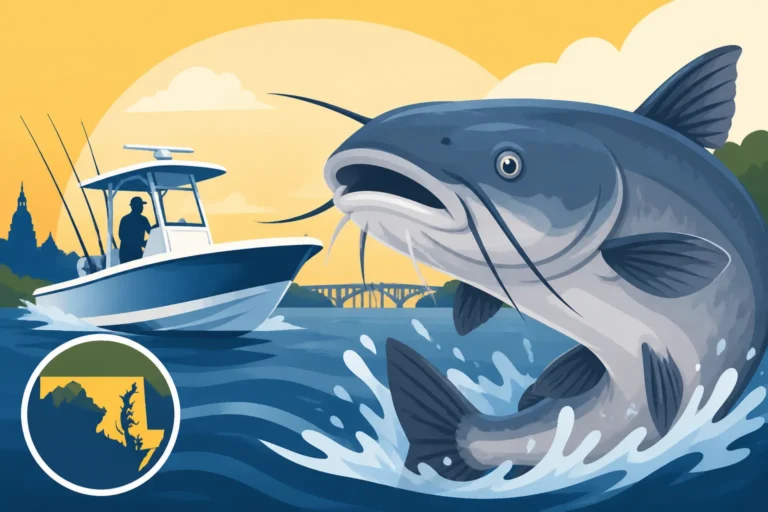
One of the most talked-about species in the Potomac is the blue catfish. These colossal fish have proliferated in the river, particularly in its tidal sections, becoming a dominant force. While they offer incredible sport and are excellent table fare, they are also an invasive species, and Maryland fisheries actively encourage their harvest. Guides specializing in Maryland Blue Catfish, an Invasive Giant fishing will have powerful rods and reels, heavy weights, and an abundance of cut bait (often shad or herring), taking you to deep holes, channel edges, and current seams where these behemoths lurk. A guided trip is often the best way to experience the sheer power of a Potomac blue cat, with some individuals easily topping 50 pounds! Beyond blue catfish, the Potomac also has other invasive species like flathead catfish, which can also provide a strong fight.
Chasing the Elusive Northern Snakehead
Perhaps no other fish captures the imagination and sometimes the trepidation of Potomac anglers quite like the northern snakehead. These aggressive, air-breathing predators thrive in the shallow, vegetated waters of the tidal Potomac and its tributaries. Chasing them requires specialized techniques, often involving topwater lures like frogs or buzzing plastics, to entice them out of thick cover. Because of their invasive status, there are specific rules regarding their handling, including the critical instruction not to release them alive. A guide specializing in Techniques for Catching Snakehead in Maryland will not only know the prime snakehead habitats, like lily pad fields and dense grass, but also how to rig your lures for optimal presentation and how to handle these toothy fish safely once caught. It's a challenging, exhilarating, and truly unique fishery, and a guide can significantly shorten the learning curve to successfully target them.
What to Look for in a Potomac River Fishing Guide
Choosing the right fishing guide is crucial for a successful and enjoyable trip. It's not just about finding someone with a boat; it's about finding a professional who matches your expectations, prioritizes your safety, and genuinely wants you to have a great time. Just like when you're using a platform like FishingBooker to browse options, you want to pay attention to the details that make one guide stand out from another.
Experience and Expertise with Potomac Species
When you're looking for a guide, their experience on the Potomac River specifically is paramount. A guide who knows the Chesapeake Bay inside and out might still struggle with the unique currents, structures, and fish behaviors of the Potomac. Look for guides who openly advertise their expertise in the species you want to target, whether it's largemouth bass, blue catfish, or snakehead. Ask them about their typical fishing strategies, what time of year they recommend for specific fish, and how they handle different weather conditions. A truly experienced guide will have a deep understanding of the river's ecosystems, seasonal patterns, and the subtle cues that indicate where the fish are hiding. They should be able to articulate why they choose certain spots or techniques on a given day.
Licensed, Insured, and Safety-Conscious Operations
This is non-negotiable. Any professional fishing guide operating in Maryland waters, especially on a public waterway like the Potomac, must be properly licensed by the U.S. Coast Guard and carry appropriate insurance. Don't hesitate to ask for proof of these credentials. Beyond legal requirements, a top-tier guide will always put safety first. This means having a well-maintained boat with all required safety equipment on board, including life jackets for all passengers, first-aid kits, and communication devices. They should also be knowledgeable about local boating regulations and weather patterns, willing to reschedule if conditions are unsafe. A reputable guide will conduct a safety briefing at the start of the trip and ensure everyone understands basic protocols on the boat.
Communication, Customization, and Client Reviews
Before you even step on the boat, good communication is key. A responsive guide who answers your questions thoroughly and helps plan your trip demonstrates professionalism. Do they ask about your preferences? Are you interested in catch-and-release, or do you want to keep fish for dinner? Are you looking for a trophy, or just a fun day catching lots of fish? The best guides tailor the experience to their clients. Reading past client reviews, often available on booking platforms or their own websites, can provide valuable insights into a guide's personality, teaching style, and overall customer satisfaction. A guide who consistently receives praise for their patience, helpfulness, and ability to put clients on fish is usually a safe bet. When you look at listings on FishingBooker, pay close attention to what previous customers have to say about the captain's communication and ability to customize trips.
Different Types of Potomac River Guide Services
Just like the diverse fish species in the Potomac, guide services come in various shapes and sizes, each offering a slightly different experience. Understanding these options will help you select the perfect trip for your preferences, budget, and desired outcome.
Half-Day vs. Full-Day Trips
The most common decision you'll face is whether to book a half-day or a full-day trip. Half-day trips are typically 4-5 hours and are a fantastic option for beginners, families with young children, or those on a tighter schedule. They offer a good taste of Potomac River fishing without committing to an entire day on the water. You can still catch plenty of fish and learn valuable techniques in this timeframe. Full-day trips, usually 7-8 hours, provide a more immersive experience. They allow for more travel time to explore different fishing spots, more flexibility to adapt to changing conditions, and more opportunities to target multiple species or refine specific techniques. While they are a larger investment, full-day trips often yield more fish and a deeper learning experience. On a full-day excursion, your guide might move from the shallow grass beds for bass in the morning to the deeper channels for catfish in the afternoon, maximizing your chances.
Specialized Trips: Fly Fishing, Kayak, or Night Fishing
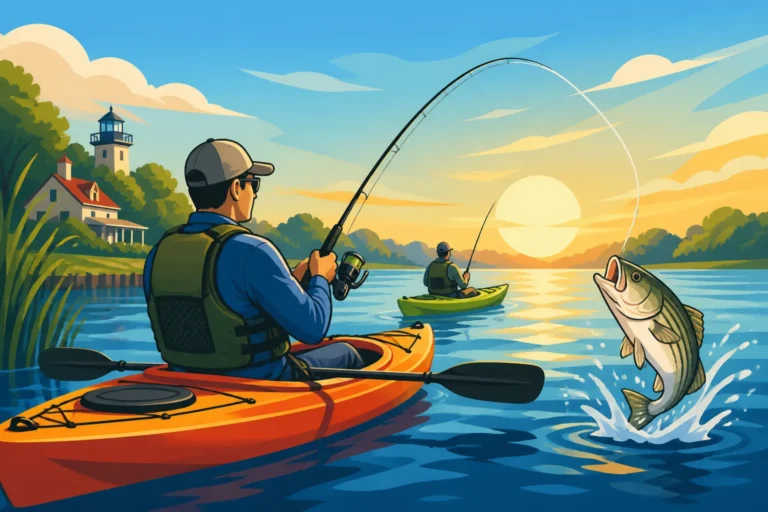
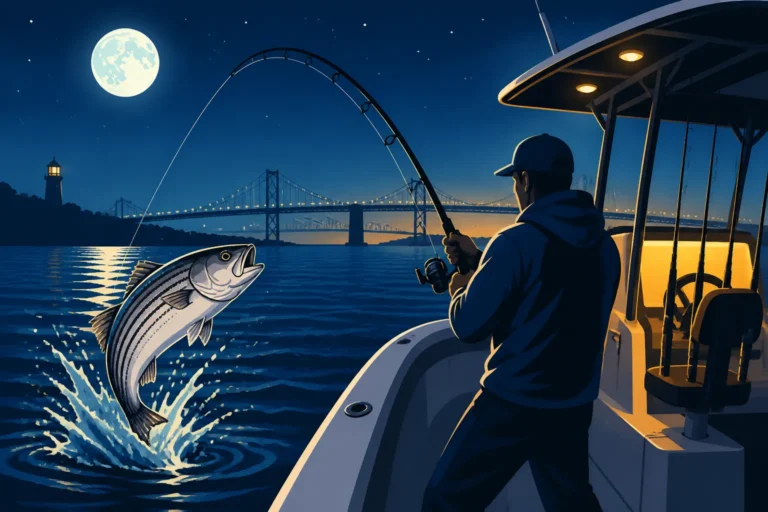
Beyond conventional tackle, some Potomac River guides offer specialized experiences. For instance, if you're a fly fishing enthusiast, certain guides focus specifically on Fly Fishing in Maryland, adapting fly patterns and techniques for bass, carp, or even snakehead in the Potomac. They can teach you how to cast in tight quarters or battle a powerful fish on light tackle. Kayak fishing has also exploded in popularity, and guides who offer Kayak Fishing Techniques for Maryland Waters trips can provide the equipment, teach you safety protocols, and lead you to remote, shallow water honey holes inaccessible by larger boats. This offers a more intimate and adventurous connection with the river. Finally, night fishing trips are a thrilling option, especially for targeting nocturnal predators like blue catfish or even largemouth bass during the warmer months. These trips often involve special lighting, glow-in-the-dark baits, and a whole different atmospheric experience.
Private Charters vs. Group Excursions
Most Potomac River fishing guides operate on a private charter basis, meaning you book the entire boat for your group, typically up to 4-6 anglers depending on the vessel. This provides a highly personalized experience, with the guide focusing solely on your group's preferences and skill levels. It's ideal for families, friends, or anyone seeking a tailored adventure. The per-person cost might be higher, but the exclusive attention is often worth it. Less common on the Potomac, but sometimes available, are "head boat" or "party boat" style excursions. These are larger vessels that take many individual anglers out at once, often for bottom fishing for species like white perch or croaker, or for blue catfish. While less personalized, they can be a more budget-friendly option for solo anglers or small groups who don't mind sharing the deck. Check with guides if they offer such options, or if they facilitate "open boat" trips where individual anglers can join to form a private group.
Preparing for Your Guided Potomac River Trip
Preparation is key to maximizing your enjoyment and success on any fishing trip, and a guided Potomac River excursion is no exception. A little forethought can make a big difference in your comfort and readiness for a day on the water.
Essential Gear and Clothing to Bring
Even though your guide will provide all the fishing tackle, there are still some personal items you'll absolutely want to bring. Layered clothing is a must, as temperatures can change rapidly on the water, especially in the spring and fall. Think moisture-wicking shirts, a fleece or sweatshirt, and a waterproof outer shell. Sun protection is critical: a wide-brimmed hat, sunglasses (polarized are best for seeing fish and structure), and plenty of high-SPF sunscreen. Comfortable, non-slip shoes are also essential for safety on a boat deck. Don't forget any personal medications, and a small cooler with drinks and snacks can be a lifesaver on a long day. If you plan to keep fish, a separate cooler in your vehicle for transport home is a good idea. While the guide might offer some amenities, it's always best to be prepared for your own comfort.
Understanding Maryland Fishing License Requirements
This is a big one! While many guides operate under a blanket license that covers their paying passengers, this isn't always the case, particularly for smaller operations or specialized trips. It is absolutely essential to confirm with your guide whether you need to purchase your own Maryland fishing license. If you do, make sure you understand the specific type of license required—tidal vs. non-tidal, resident vs. non-resident, and duration (annual, 7-day, 3-day). For instance, if you're fishing the tidal Potomac, you'd typically need a Maryland Chesapeake Bay Sport Fishing License Explained or a Maryland Resident Chesapeake Bay Sport Fishing License Cost. The last thing you want is to arrive at the boat ramp only to realize you're not legally permitted to fish. Most licenses can be purchased conveniently online through the Maryland Department of Natural Resources (DNR) website, or from authorized vendors.
Communication with Your Guide Before the Trip
Don't be shy about talking to your guide in the days leading up to your trip. This pre-trip communication is invaluable. Confirm the meeting time and location, discuss current weather forecasts and how they might affect the fishing, and reiterate any specific species you're hoping to target. If you have any physical limitations or special requests, now is the time to mention them. A good guide will appreciate your proactive communication, as it allows them to better prepare and set realistic expectations for your outing. You might also ask about the current fishing conditions, what baits have been working, or if there have been any Maryland Emergency Fishing Closures, How They Work that might impact your plans. This dialogue helps ensure everyone is on the same page and that your trip runs smoothly.
| Item Category | Essential Items to Bring | Optional Items to Consider |
|---|---|---|
| Apparel | Layered clothing (moisture-wicking, fleece, waterproof) | Rain gear (jacket & pants) |
| Wide-brimmed hat | Buff or neck gaiter for sun/wind protection | |
| Sunglasses (polarized recommended) | Change of clothes for after the trip | |
| Non-slip, comfortable shoes | ||
| Sun/Safety | High-SPF sunscreen | Bug spray (especially for snakehead trips in vegetated areas) |
| Personal medications (if needed) | Motion sickness remedies | |
| Food & Drink | Water bottles / Hydrating beverages | Snacks or a packed lunch |
| Small cooler for your personal drinks/snacks | ||
| Fishing Needs | Valid Maryland Fishing License (confirm with guide) | Camera/phone for photos (in waterproof case) |
| Larger cooler for taking home fish (in your car) |
What to Expect During and After Your Potomac River Fishing Excursion
Stepping onto a guided boat on the Potomac is an exciting moment, full of anticipation. Knowing what to expect during the trip, as well as how to handle your catch and follow up afterward, can help ensure a seamless and rewarding experience.
On-the-Water Experience and Instruction
Once you're underway, your guide will typically provide a brief orientation, covering safety procedures and what the day's plan entails. They'll likely already have a strategy based on the conditions and your preferences. Throughout the trip, expect hands-on instruction. Your guide isn't just there to drive the boat; they're there to teach. They'll show you how to cast more effectively, explain why they're using a particular lure, and demonstrate proper fish-fighting techniques. They'll also be actively watching the fish finder, monitoring water temperatures, and observing subtle changes in the environment to keep you on the bite. This interactive approach means you're not just catching fish, you're becoming a better angler. Don't be afraid to ask questions, whether it's about the river's ecosystem, fish behavior, or specific techniques like Jigging Techniques for Maryland's Chesapeake Bay Striped Bass.
Handling Your Catch: Keep, Release, and Filleting Services
Before you start fishing, confirm with your guide their policy on keeping fish. Many guides are happy to help you keep legal fish for dinner, especially species like blue catfish and white perch, which are excellent table fare. For regulated species like striped bass (rockfish) or largemouth bass, guides are meticulous about adhering to current Maryland Fishing Size and Catch Limits by Species and slot limits. If you catch an invasive species like a northern snakehead or blue catfish, the guide will ensure it's handled properly according to Maryland DNR regulations, which often means not releasing them alive. Most guides offer cleaning and filleting services at the end of the trip, either included in the price or for an additional fee. This is a huge convenience, as it means you take home ready-to-cook fillets. If you're planning on releasing fish, the guide will also demonstrate proper catch-and-release techniques to ensure the fish's survival.
Gratuities and Follow-Up
Just like in many service industries, tipping your fishing guide is customary and very much appreciated if you've had a good experience. The general guideline for tipping a fishing guide is often around 15-20% of the trip's cost. This gratuity acknowledges their hard work, expertise, and dedication to making your day successful and enjoyable. Often, they put in hours of preparation before and after your trip, from scouting locations to cleaning gear. After the trip, if you had a great time, consider leaving a positive review online (on the guide's website or booking platforms like FishingBooker). This helps other anglers find quality guides and supports the guide's business. Many guides also love to hear how you enjoyed your catch or if you successfully applied any techniques they taught you on subsequent outings. Building a relationship with a good guide can lead to future memorable trips.
Popular Access Points and Guide Hubs Along the Potomac
The Potomac River is long, stretching hundreds of miles, and its character changes dramatically from its headwaters to its mouth. Knowing where guides typically operate from along the Maryland stretch of the river can help you pinpoint the best starting point for your angling goals.
Upper Potomac Nontidal Hotspots
For those interested in smallmouth bass and other freshwater species, the Upper Potomac, particularly the stretch upstream of Great Falls, is prime territory. Guides here often launch from areas like White's Ferry, Point of Rocks, and Brunswick. This section is characterized by rocky bottoms, rapids, and slower pools, offering a diverse habitat for smallmouth bass, musky, and various panfish. These guides often run smaller jet boats or drift boats, perfect for navigating the shallower, sometimes swift currents. They're experts at reading the river's flow and finding the eddies and current breaks where fish ambush prey. Fishing the Potomac River in Maryland in these upper reaches provides a rugged, scenic experience distinct from the wider, tidal portions of the river.
Tidal Potomac: From DC to the Bay
The tidal Potomac, stretching from Chain Bridge in Washington D.C. all the way down to the Chesapeake Bay, is a vastly different beast. This is where you'll find the legendary largemouth bass fisheries, the burgeoning blue catfish populations, and the famous northern snakehead haunts. Guides operating in this expansive area often launch from numerous marinas and public ramps. Popular hubs include:
- Near Washington D.C. / Fort Washington: Marinas like Belle Haven Marina, Fort Washington Marina, and National Harbor offer convenient access to the upper tidal Potomac, which is fantastic for bass, snakehead, and early season blue catfish.
- Southern Maryland: As you move further south towards the river's mouth, towns like Colonial Beach (on the Virginia side, but easily accessible from Maryland), and areas near Point Lookout State Park (at the very mouth) provide access to wider waters, which are excellent for larger blue catfish, striped bass, and even some migratory species that move into the river from the Bay.
Guides here typically run larger bay boats or center consoles capable of covering significant distances and handling choppier water. They'll know the sprawling grass beds, deep channels, and submerged structures like bridge pilings and wrecks.
Choosing a Launch Point Based on Your Target Species
Your desired target species will heavily influence which part of the Potomac River, and thus which guide hub, is best for your trip.
- For Smallmouth Bass: Focus on guides operating in the Upper Potomac Nontidal sections, above the fall line.
- For Largemouth Bass & Snakehead: Guides in the upper and middle tidal Potomac, particularly around the D.C. area, National Harbor, and south towards Quantico (on the Virginia side, but guides often cross over), will be your best bet. These areas are rich in the shallow, vegetated habitat these fish prefer.
- For Blue Catfish: These giants are found throughout the tidal Potomac, but especially in the deeper channels from Washington D.C. down to the mouth. Many guides in both the middle and lower tidal zones specialize in them.
- For Multiple Species/Variety: A guide operating in the middle tidal Potomac might offer the most versatility, with access to both bass/snakehead waters and prime catfish grounds, depending on the day and season.
Communicating your target species clearly when booking, especially when looking at options on FishingBooker, will ensure you're matched with a guide who specializes in that particular fishery and operates from the most advantageous launch point.
Cost Considerations for Potomac River Fishing Guides
Investing in a guided fishing trip on the Potomac River is an investment in experience, knowledge, and convenience. While it's certainly more than a DIY trip, understanding the factors that influence the cost can help you budget and find the best value for your angling adventure.
Factors Influencing Guide Rates
The cost of a Potomac River fishing guide can vary widely based on several key factors. First, the duration of the trip is a major determinant; half-day trips are naturally less expensive than full-day excursions. Second, the type of trip plays a role: specialized trips like fly fishing, kayak fishing, or night fishing might have different rates due to unique equipment or expertise required. Third, the number of anglers on the boat can influence the price. While many guides charge a flat rate for the boat up to a certain number of people (e.g., up to three or four anglers), there might be an additional fee for extra passengers. Fourth, the experience and reputation of the guide can affect their rates. Highly sought-after guides with years of proven success and a strong client base may command higher prices. Finally, what's included in the price matters. Some guides might include bait, tackle, and fish cleaning in their base rate, while others might list them as additional options.
What's Typically Included in the Price
While it's always wise to confirm directly with your chosen guide, here's a general idea of what you can expect to be included in the cost of a Potomac River fishing guide:
- Boat and Fuel: The guide's boat, fully fueled and maintained, is always part of the package.
- Rods and Reels: High-quality fishing rods and reels, appropriate for the target species, are typically provided.
- Terminal Tackle: Lures, hooks, weights, and lines are usually supplied.
- Bait: Live or cut bait, if applicable to your target species (e.g., for catfish), is almost always included.
- Safety Equipment: Life jackets and other necessary safety gear.
- Guide's Expertise: The invaluable knowledge, instruction, and local experience of your captain.
Things that might be extra or are your responsibility include your fishing license, food and drinks (beyond water), and gratuity for the guide. Some guides also offer fish cleaning or packaging for an additional, reasonable fee. When browsing guides on platforms like FishingBooker, these inclusions are usually clearly outlined, helping you compare options effectively.
Ways to Maximize Value
To get the most bang for your buck on a Potomac River guided trip, consider these tips. First, if you're a solo angler or a small group, look for guides who offer an "open boat" option where you can split the cost with other individuals, or consider a party boat if available. Second, be clear about your target species and goals; a focused trip might be more efficient and cost-effective than trying to chase too many different fish. Third, consider booking during the shoulder seasons (early spring or late fall) when demand might be slightly lower, and some guides might offer slightly reduced rates compared to peak summer. Finally, view the trip not just as a day of fishing, but as a learning experience. The knowledge and skills you gain from a good guide are invaluable and can enhance your future unguided trips on the Potomac or elsewhere. Remember, the cheapest option isn't always the best; sometimes paying a little more for a highly reputable and experienced guide results in a significantly better and more productive day on the water.
Disclaimer
This article is for general informational purposes only and does not constitute professional advice. Laws, prices and regulations vary by location and change over time. Consult a qualified professional for guidance on your specific situation.