Best Kayak Fishing Spots in Maryland
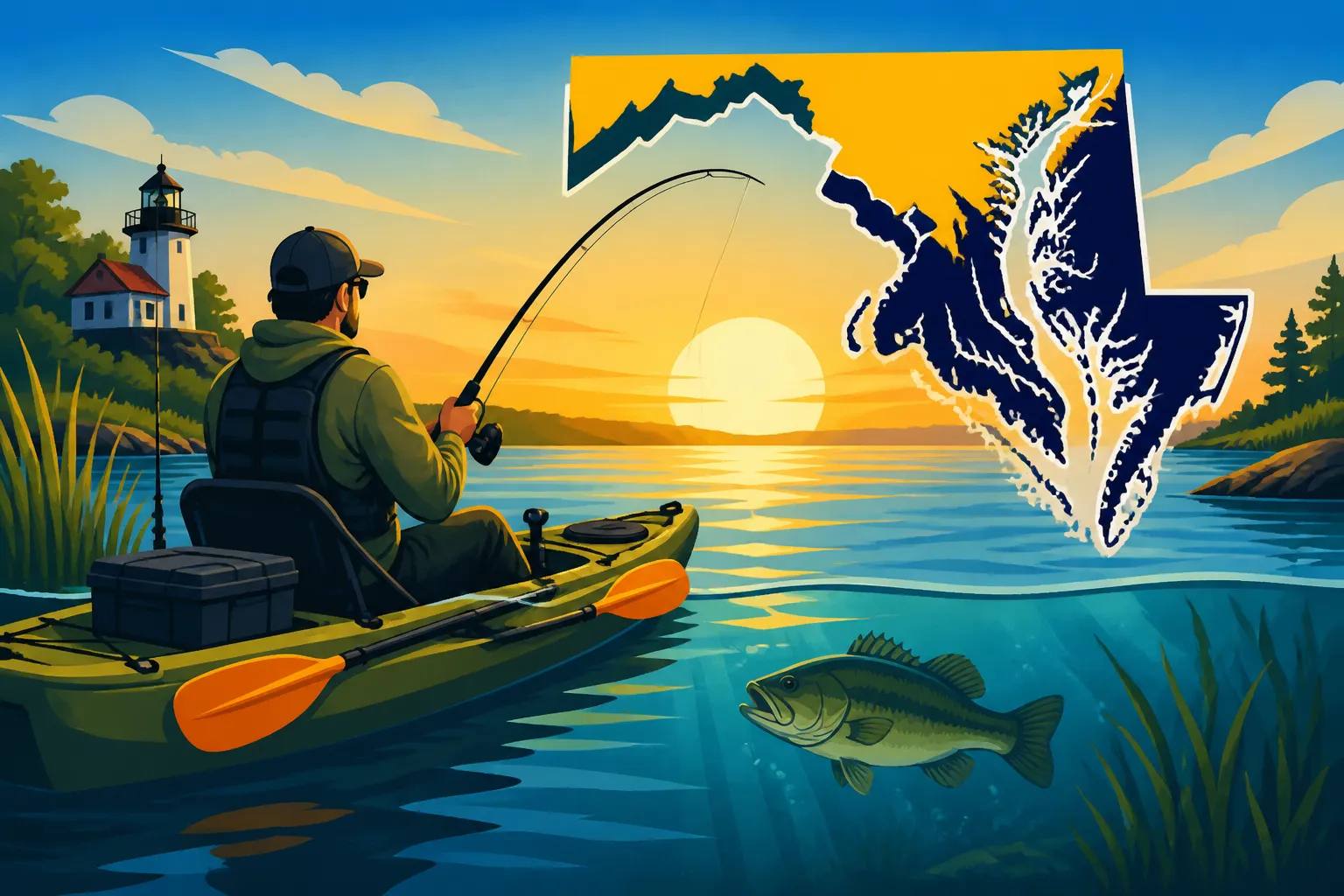
Oh, the sheer joy of kayak fishing! There’s nothing quite like the stealth and intimacy of paddling to your favorite secret fishing hole, feeling the pull of a fish just inches from the water’s surface. But let’s be real, finding those perfect launch points and understanding the nuances of Maryland's incredibly diverse waterways can feel like solving a complex puzzle. This guide is here to untangle that knot, offering up the very best kayak fishing spots across the Old Line State, ensuring your next paddle-and-cast adventure is nothing short of fantastic.
Why Kayak Fishing in Maryland is an Unbeatable Adventure
Maryland offers an astonishing variety of fishing environments, from the calm, tree-lined freshwater lakes and rivers of the western mountains to the vast tidal expanse of the Chesapeake Bay and the salty surf of the Atlantic coast. For kayak anglers, this diversity isn't just a treat; it's a paradise. The shallow drafts of kayaks allow access to remote coves, skinny creeks, and quiet marshlands that larger boats can only dream of reaching. This unparalleled access often means less pressure from other anglers and a more natural, serene fishing experience.
The Stealth and Access Advantage
One of the biggest frustrations for many boat anglers is dealing with crowds, engine noise, and limited access to certain areas. Kayak fishing throws all those worries out the window. Your paddle is silent, your footprint minimal, and your ability to navigate tight spaces is unmatched. This stealth is a huge advantage when targeting wary fish like largemouth bass lurking in lily pads or striped bass holding tight to shallow grass beds in the Bay. You can approach fish without spooking them, often getting right into the thick of the action where others can't.
Imagine drifting silently into a secluded cove on a quiet reservoir, casting a topwater frog exactly where you know a largemouth is waiting, or slipping through a narrow marsh gut in the Chesapeake Bay to find a school of white perch. These experiences are the bread and butter of kayak fishing, offering a connection to nature and the sport that's hard to replicate from a larger vessel. Plus, the ease of launching and retrieving a kayak—often from simple public access points or even roadside pull-offs—means you spend less time on logistics and more time on the water.
A Deeper Connection to Nature
Beyond the practical fishing benefits, kayak fishing offers a profound connection to the natural world. You're eye-level with the water, feeling every ripple, hearing every bird call, and smelling the distinct scent of freshwater or salt marsh. It’s an immersive experience that recharges the soul. Many kayakers find that the journey itself is as rewarding as the catch. Paddling through tranquil estuaries at dawn, watching ospreys dive for fish, or simply enjoying the sunrise from your unique vantage point can be incredibly therapeutic.
This close-to-nature experience also means you become more attuned to your surroundings. You'll learn to read the water in new ways, observing subtle currents, vegetation changes, and baitfish movements that might go unnoticed from a higher perch. For many, it's not just about landing the biggest fish; it's about the adventure, the peace, and the pure joy of being out on the water, propelled by your own effort. This intimate perspective really makes you appreciate the incredible natural resources Maryland has to offer.
Freshwater Kayak Fishing Hotspots
Maryland's freshwater offerings for kayak anglers are incredibly diverse, spanning from large reservoirs to scenic rivers and smaller, quiet ponds. Each type of water presents its own unique challenges and rewards, making the state a fantastic playground for those who love to fish from a paddle craft.
Deep Creek Lake for Mountain Anglers
Nestled in Garrett County, Deep Creek Lake is Maryland's largest freshwater lake and a prime destination for kayak anglers seeking mountain serenity. This expansive reservoir offers over 65 miles of shoreline, countless coves, and varying depths, providing excellent habitat for a multitude of species. For kayakers, the beauty of Deep Creek is the ability to explore its quieter arms and shallow points that can be difficult for larger motorboats to access, especially during peak season.
Target species here include smallmouth bass, largemouth bass, walleye, yellow perch, crappie, and even chain pickerel. Early mornings and evenings are often the most productive, particularly for bass in the warmer months. Kayakers can focus on rocky points, submerged timber, and the edges of weed lines. You'll want to bring a variety of lures, from crankbaits and jigs for deeper water to topwater frogs and spinnerbaits for the shallower, weedy areas. During the colder months, the lake freezes over, offering a chance for ice fishing, but during the open water season, your kayak is king for reaching prime spots. Consider checking out local bait and tackle shops in McHenry for up-to-date reports and bait recommendations.
Loch Raven Reservoir Near Baltimore
For those closer to the Baltimore metropolitan area, Loch Raven Reservoir provides a fantastic escape for freshwater kayak fishing. This beautiful reservoir is strictly regulated to protect its drinking water quality, meaning no gasoline motors are allowed, making it an absolute haven for electric motor and paddle craft anglers. The peace and quiet are a huge draw, allowing kayakers to truly immerse themselves in the fishing experience without the constant roar of boat engines.
Loch Raven is known for its strong populations of largemouth bass, smallmouth bass, crappie, bluegill, and even some tiger muskellunge. The reservoir features extensive coves, rocky banks, submerged structure, and plenty of standing timber, all of which are excellent targets for kayak anglers. Access points are managed by the Baltimore City Department of Public Works, and a permit is required to launch a boat, so make sure you're squared away before heading out. Focus your efforts around submerged roadbeds, creek channels, and the numerous points and islands. Early spring and late fall can be particularly productive for targeting larger bass and crappie as they move into shallower waters.
Nontidal Potomac River for Smallmouth Bass
Heading west again, the nontidal section of the Potomac River, particularly above Great Falls, is a premier destination for smallmouth bass on the fly or with light tackle from a kayak. This stretch of the river is characterized by rocky shoals, riffles, and deeper pools, creating an ideal environment for bronzebacks. The river's varying currents and numerous ledges are perfectly suited for kayak fishing, allowing anglers to drift silently and target specific structure.
The Potomac's smallmouth are aggressive fighters, making for an exciting day on the water. Anglers often use small crankbaits, spinnerbaits, tube jigs, and soft plastics to entice bites. Fly anglers find success with crayfish patterns, clousers, and various streamers. Launch points can be found at several state parks and public access areas along the river. However, be mindful of water levels and currents, especially after heavy rains, as the river can become quite swift and challenging. This segment of the river also holds a healthy population of common carp and channel catfish, offering additional targets if the smallmouth are being finicky.
Tidal River and Chesapeake Bay Kayak Adventures
The Chesapeake Bay and its numerous tidal tributaries are the heart of Maryland's fishing scene. For kayak anglers, these waters offer an incredible blend of saltwater and brackish opportunities, from targeting the iconic striped bass (rockfish) to chasing invasive snakeheads and trophy blue catfish. The ability of a kayak to sneak into shallow backwaters and navigate tight marsh grass is truly invaluable here.
Patuxent River's Diverse Waters
The Patuxent River, a major tributary of the Chesapeake Bay, offers fantastic kayak fishing opportunities across its extensive tidal reaches. From its brackish upper stretches down to its wider, more saline mouth, the Patuxent provides diverse habitats for a variety of species. Kayakers can explore countless creeks, marsh guts, and shallow flats that are inaccessible to larger boats, making it a perfect destination for those seeking solitude and productive fishing.
In the upper and middle tidal Patuxent, anglers can target white perch, yellow perch, snakehead, and blue catfish. These invasive species, particularly the snakehead and blue catfish, are often found in shallow, weedy areas or along drop-offs, making them ideal targets for stealthy kayak approaches. Further downstream, as the salinity increases, striped bass, spot, croaker, and even flounder become more prevalent. Popular launch points include public boat ramps and kayak launches in places like Benedict and Solomons Island. Be sure to check the local tides, as they can significantly impact fishing success and ease of navigation in the shallower areas. You can often find guides specializing in these waters through platforms like FishingBooker, which can be a huge help for first-timers.
Chester River's Eastern Shore Charm
On Maryland's Eastern Shore, the Chester River is another jewel for kayak fishing, offering picturesque scenery and excellent fishing. This tidal river flows into the upper Chesapeake Bay and is renowned for its spring white perch run, summer striped bass action, and consistent opportunities for blue catfish and crappie in its freshwater-influenced upper reaches. Kayakers can easily access many of the river's quieter coves and creeks, where fish often congregate away from the main channel boat traffic.
During the spring, the white perch move into the shallower creeks to spawn, providing some of the fastest action of the year. Kayakers can jig small shad darts or use bloodworms and grass shrimp under a bobber for a productive outing. As the water warms, striped bass move into the river, often found along channel edges, points, and around submerged structure. Anglers can troll small plugs, cast jigs, or live-line spot. The invasive blue catfish are also abundant throughout the river and provide a strong fight; they are often found on the bottom in deeper holes or along channel ledges. Public launches are available in Chestertown and other small towns along the river. Be mindful of boat traffic on the main river, especially on weekends, and stick to the quieter backwaters for the best experience.
Susquehanna Flats for Trophy Stripers and Catfish
Perhaps one of the most iconic kayak fishing destinations in Maryland is the Susquehanna Flats, located at the very top of the Chesapeake Bay. This vast, shallow expanse of submerged grass beds is famous for its incredible early spring trophy striped bass fishery and its burgeoning population of blue catfish and flathead catfish. Kayakers are uniquely suited to navigate these extremely shallow waters, where larger boats often struggle.
The Flats really come alive in the spring when striped bass congregate here for their spawning run. Kayak anglers can cast large swimbaits, jerkbaits, or topwater plugs over the grass beds, hoping to tempt a true monster rockfish. However, strict regulations apply during the spring spawning season, including potential closures, so always check the latest Maryland Striped Bass Season and Rockfish Rules. Beyond rockfish, the Flats and the lower Susquehanna River are a mecca for blue catfish, with many anglers reporting catches of fish weighing over 50 pounds. Bottom fishing with cut bait is the most effective method for these giants. The current can be strong in the main river channel, but the Flats themselves are quite manageable for kayakers, offering endless opportunities to explore and fish.
Coastal Kayak Fishing for Saltwater Thrills
Maryland's Atlantic coast, particularly around Ocean City and Assateague Island, offers a distinctly different, yet equally thrilling, kayak fishing experience. Here, the focus shifts to saltwater species, strong tides, and the exhilarating challenge of fishing near the ocean.
Ocean City Back Bays for Flounder and More
The vast network of shallow back bays behind Ocean City — including Isle of Wight Bay, Assawoman Bay, and Sinepuxent Bay — are ideal for kayak anglers. These bays are relatively shallow, often protected from ocean swells, and boast a rich ecosystem that supports a variety of saltwater species. For kayakers, the ability to maneuver through narrow channels and access quiet coves makes these waters a prime target for a successful day of fishing.
Flounder are arguably the most popular target in these back bays. Kayakers can drift fish with live minnows or Gulp! artificial baits along channel edges, around pilings, and over submerged structure. As the tide moves in and out, the flounder position themselves to ambush baitfish. Beyond flounder, anglers can expect to catch bluefish, striped bass (especially smaller "schoolie" rockfish), white perch, spot, and croaker. The numerous public kayak launches and scattered islands provide excellent access and protection from larger boat traffic. Pay close attention to the tidal charts, as the strong currents in some channels can be challenging, especially during peak tidal flow.
Assateague Island's Bayside Bounty
Just south of Ocean City, Assateague Island National Seashore offers a wilder, more remote kayak fishing experience on its bayside. The untouched marshlands, seagrass beds, and shallow lagoons are a true paradise for those seeking solitude and diverse fishing opportunities. Unlike the busier Ocean City bays, Assateague's bayside feels miles away from civilization, providing an immersive natural experience.
Here, kayak anglers can target flounder, bluefish, striped bass, and speckled trout, particularly in the fall. The shallow nature of these waters means fish are often cruising the edges of grass beds or holding in small depressions, making them perfect targets for sight-casting from a kayak. Access to the bayside is often via designated kayak launches or by portaging short distances from parking areas within the National Seashore. Be prepared for potentially long paddles, especially if you're exploring the more remote sections. Strong winds can also be a factor, so always check the weather forecast before heading out. The pristine environment and diverse wildlife make fishing here an unforgettable experience, but remember to pack out everything you pack in to preserve its beauty.
Essential Gear and Safety for Maryland Kayak Anglers
Kayak fishing is an incredibly rewarding pursuit, but it's crucial to be prepared with the right gear and, more importantly, to prioritize safety. Maryland's waters can be unpredictable, ranging from calm lakes to swift rivers and choppy bay conditions. Having the right equipment and knowledge can make all the difference for a safe and successful trip.
Kayak Selection and Rigging
Choosing the right kayak is the first step. For fishing, most anglers opt for sit-on-top (SOT) kayaks due to their stability, ease of entry/exit, and ample storage space for gear. Look for models specifically designed for fishing, often featuring rod holders, gear tracks, and a comfortable seat. Brands like Hobie, Old Town, and Native Watercraft offer excellent fishing kayaks, some with pedal drives that free up your hands for casting and reeling.
Once you have your kayak, rigging it for fishing is key. Essential rigging includes:
- Rod holders: Flush mount, adjustable, or crate-mounted.
- Anchor system: A small grapnel anchor or a stake-out pole is crucial for holding your position in current or wind.
- Paddle leash: To prevent losing your paddle.
- Gear management: Crates, dry bags, and tackle boxes specifically designed for kayak use can keep your gear organized and secure.
- Electronics: A fish finder/chart plotter is invaluable for locating fish and navigating, especially in tidal waters. Many modern units are compact and kayak-friendly.
Remember, every piece of gear should be secured to prevent loss if you capsize. Consider adding reflective tape to your paddle and kayak for increased visibility, especially if you'll be on the water near dawn, dusk, or in areas with boat traffic.
Crucial Safety Equipment
Safety should always be your number one priority when kayak fishing. Maryland Department of Natural Resources (DNR) regulations require certain safety equipment, and it's always wise to go above and beyond the minimum.
Here’s a checklist of essential safety gear:
- Personal Flotation Device (PFD): Wear it! This is non-negotiable. Modern fishing PFDs are comfortable and designed with pockets and attachment points.
- Whistle or other sound-producing device: For alerting other boaters.
- Visual Distress Signal (VDS): Required for kayaks over 16 feet when operating at night or in specific coastal waters. A signaling mirror and a bright flag are good additions.
- Navigation Lights: If fishing before sunrise or after sunset, or in low visibility, you must have appropriate lights. A 360-degree white light is common for kayaks.
- First-aid kit: Small, waterproof, and easily accessible.
- Communication device: A fully charged cell phone in a waterproof case, or a VHF radio for offshore/larger bay trips.
- Knife or cutting tool: To quickly cut tangled lines or ropes.
- Sun protection: Hat, sunglasses, sunscreen, and appropriate clothing are vital, even on cloudy days.
Understanding how to self-rescue (re-entering your kayak after capsizing) is also a critical skill. Practice it in a controlled environment before you need it on the water. For more in-depth advice, check out our guide on Kayak Fishing Safety Tips for Maryland's Chesapeake Bay.
Planning Your Kayak Fishing Trip: Logistics and Local Knowledge
A successful kayak fishing trip isn't just about showing up with a rod and reel. It requires thoughtful planning, understanding local conditions, and knowing where to get the most accurate, up-to-date information. Maryland's diverse fishing environments mean that what works for a mountain lake won't necessarily apply to the Chesapeake Bay.
Understanding Tides and Weather
For tidal waters, like the Chesapeake Bay and its tributaries, understanding the tides is paramount. The ebb and flow of the tide directly influence fish behavior, current strength, and even your ability to access certain areas. Fish often feed most actively during moving tides, either incoming or outgoing. Strong currents can also make paddling extremely challenging, so planning your launch and retrieve around slack tide can save you a lot of effort. A reliable tide chart app or website is an absolute must-have for any tidal water trip. For example, knowing How Tides Affect Fishing in Maryland's Chesapeake Bay can drastically improve your catch rates.
Weather also plays a huge role. Wind, in particular, can turn a pleasant paddle into a strenuous battle. Always check the marine forecast before heading out, paying close attention to wind speed and direction. A calm morning can quickly turn windy, making a long paddle back to the launch point exhausting or even dangerous. Rain, thunderstorms, and fog also pose risks. If lightning is a possibility, stay off the water. On freshwater lakes and rivers, be aware of sudden temperature drops or rapidly rising water levels after heavy rainfall.
Access Points and Permits
Maryland has a wealth of public access points, from state parks and wildlife management areas to local boat ramps and designated kayak launches. However, not all access points are created equal for kayakers. Some might have long carries to the water, while others offer easy drive-up access. Research your chosen spot thoroughly beforehand. Online satellite maps (like Google Maps) are invaluable for scouting potential launch sites and understanding the surrounding water.
Many state and county parks offer excellent kayak launches, but some may require day-use fees or specific permits. For instance, launching a boat at reservoirs like Loch Raven or Liberty requires a permit from Baltimore City. Always check with the managing authority (e.g., Maryland DNR, county parks department, National Park Service) for any regulations, fees, or permit requirements specific to your chosen location. Having a valid Maryland fishing license is, of course, a given, and you can find comprehensive information on obtaining one in our Maryland Fishing License Guide for 2026.
| Fishing Location Type | Target Species (Examples) | Best Seasons | Ideal Conditions for Kayakers |
|---|---|---|---|
| Freshwater Lakes | Largemouth Bass, Crappie, Walleye, Yellow Perch | Spring, Summer, Fall | Low wind, calm waters |
| Nontidal Rivers | Smallmouth Bass, Trout, Catfish | Spring, Summer, Fall | Moderate flow, stable water levels |
| Tidal Bay Tributaries | Striped Bass, White Perch, Blue Catfish, Snakehead, Flounder | Spring, Summer, Fall | Moving tides (not too strong), moderate wind |
| Coastal Back Bays | Flounder, Bluefish, Striped Bass, Speckled Trout | Summer, Fall | Moving tides, light to moderate wind |
Local Knowledge and Resources
Connecting with local anglers or fishing guides can provide invaluable insights that you won't find in any general guide. Bait and tackle shops are often treasure troves of information, offering real-time reports on what's biting, where to go, and what baits or lures are working best. Don't be shy about striking up conversations!
Online fishing forums and social media groups dedicated to Maryland kayak fishing are also excellent resources. You can ask questions, get recommendations for specific areas, and learn about the unique challenges and rewards of different spots. Platforms like FishingBooker can also connect you with local kayak fishing guides who specialize in specific areas or target species, offering a guided experience that can accelerate your learning curve. These guides not only know the waters but can also teach you specialized techniques for kayak angling. Whether you're looking for Maryland Blue Catfish, an Invasive Giant on the Potomac or targeting Northern Snakehead in Maryland Waters, local experts can help you succeed.
Always consult the Maryland Department of Natural Resources (DNR) website for the most current fishing regulations, size limits, and creel limits. Regulations can change, especially for sensitive species like striped bass, so staying informed is crucial to legal and responsible angling. Being aware of different types of licenses, like a Maryland Nontidal vs Tidal Fishing License, Explained, is also important depending on where you plan to paddle.
Disclaimer
The information provided in this guide is for general informational purposes only and is subject to change. Fishing regulations, conditions, and access policies can vary, and it is always the angler's responsibility to verify the most current rules and ensure their own safety before heading out on the water. Always consult the official Maryland Department of Natural Resources (DNR) website and local authorities for the latest regulations, licensing requirements, and safety guidelines.