What Is the Potomac River Fisheries Commission License?
Navigating the myriad of fishing licenses and regulations in Maryland can feel like trying to untangle a hundred yards of monofilament line after a bluefish blitz – utterly frustrating and confusing! Many anglers, especially those looking to cast a line in the mighty Potomac River, often wonder if their standard Maryland fishing license is enough, or if they need yet another piece of paper. This comprehensive guide is here to untangle that knot, specifically explaining what the Potomac River Fisheries Commission (PRFC) license is, who needs it, and how it impacts your fishing adventures on this historically significant waterway.
Understanding the Unique Jurisdiction of the Potomac River Fisheries Commission
The Potomac River isn't just any river; it's a historical and jurisdictional marvel that often leaves anglers scratching their heads. Unlike other rivers entirely within Maryland's borders, or even the Chesapeake Bay which is largely under Maryland's purview for a significant stretch, the Potomac River operates under a special set of rules, governed by an interstate compact.
Why the Potomac River is Different for Anglers
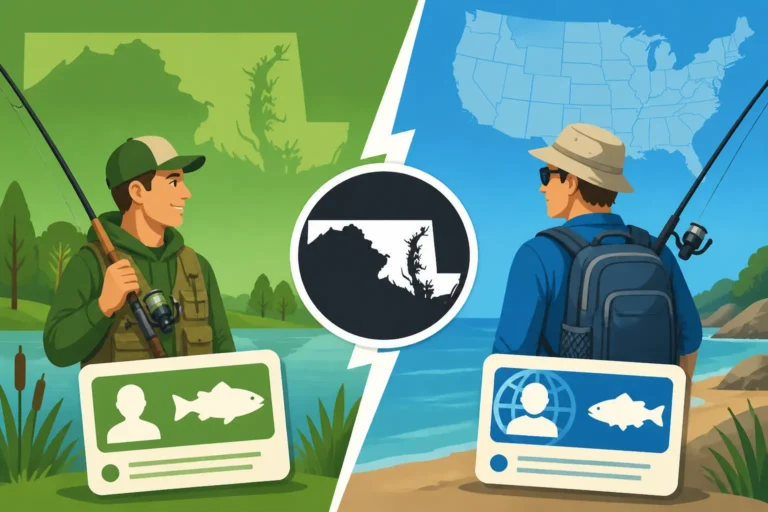
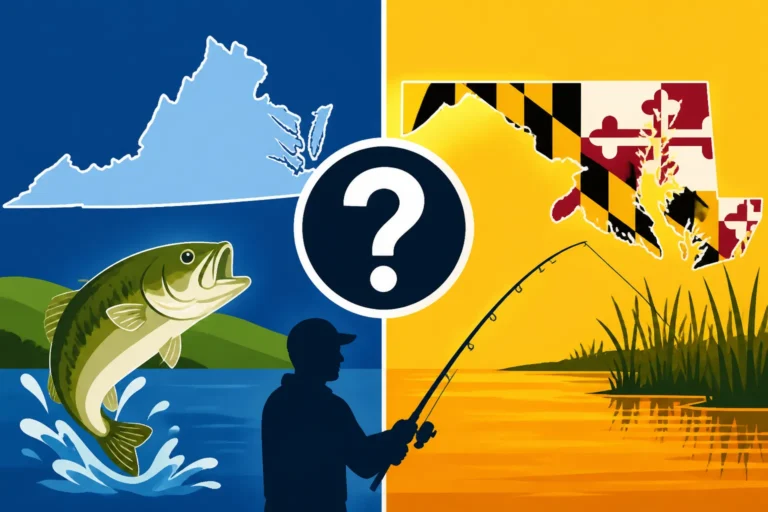
Imagine planning a fishing trip, you've got your gear ready, your snacks packed, and you're mentally rehearsing your casting technique, only to realize the legal lines you're fishing across are literally state borders. That's the reality on the Potomac. The river forms the boundary between Maryland and Virginia, and because of this unique position, neither state solely controls its fisheries. Instead, the Potomac River Fisheries Commission (PRFC) was established by a compact between Maryland and Virginia to manage the river's resources from the fall line (near Washington D.C.) down to the Chesapeake Bay.
This arrangement dates back centuries, rooted in colonial charters and agreements designed to prevent disputes over the shared resource. For anglers, this means that while your Maryland Department of Natural Resources (DNR) license covers most of Maryland's waters, the tidal Potomac has its own specific authority. This can be a real source of frustration, making you feel like you need a law degree just to go fishing! But understanding the PRFC's role is key to enjoying the Potomac legally and without hassle. They set the rules for what you can catch, how much, and when, for many species within their jurisdiction, often independently of Maryland or Virginia state regulations.
What the PRFC License Covers and Doesn't Cover
The PRFC license, in essence, is your permission slip to fish or crab in the mainstem of the tidal Potomac River and its tidal tributaries, but only up to the fall line. This generally includes the vast main channel and the lower, tidal portions of rivers like the St. Mary's River or the Wicomico River that feed into the Potomac, but it does not extend into the strictly non-tidal freshwater sections further upstream, which fall under the respective state's (Maryland or Virginia) freshwater regulations.
Specifically, a PRFC recreational finfish license primarily covers fishing for finfish species like striped bass, blue catfish, perch, and others within the designated PRFC waters. It’s crucial to understand that while it covers these species, it doesn't necessarily cover everything you might want to do on the water. For instance, if you're a Maryland resident hoping to catch some crabs using crab pots, your standard Maryland Chesapeake Bay Sport Fishing License won't cover that on the Potomac; you'd need a specific PRFC recreational crabbing license for pots. This distinction is vital because a simple misunderstanding could lead to unexpected fines. It's not about being overly bureaucratic; it's about managing a shared resource that supports two states and a thriving ecosystem.
When and Where the PRFC License Becomes Necessary
The question of whether you need a PRFC license often boils down to two main factors: which state you're a resident of and what specific activity you're planning to do on the Potomac. Thanks to reciprocity agreements, many anglers are often covered by their home state's license for finfishing.
Understanding the Reciprocity Agreements
Here's where it gets a little less complicated for some, but still requires attention. Both Maryland and Virginia have reciprocity agreements in place regarding recreational finfish licenses for the tidal Potomac River. What does this mean for you?
- For Maryland Residents: If you possess a valid Maryland Chesapeake Bay Sport Fishing License Explained, you generally do not need a separate PRFC recreational finfish license to fish for finfish (like striped bass, blue catfish, or perch) in the tidal Potomac River. Your Maryland license effectively covers you. This is a huge relief for many Maryland anglers who frequent the Potomac, knowing their state license is sufficient for a typical fishing outing. You can be casting from a boat near Point Lookout, or fishing from the shore in Charles County, and your Maryland license should have you covered for finfish.
- For Virginia Residents: Similarly, if you're a Virginia resident with a valid Virginia saltwater recreational fishing license (which includes the Potomac River endorsement), you generally do not need a separate PRFC recreational finfish license.
This reciprocal agreement streamlines the process considerably for recreational finfishing, allowing residents of either state to enjoy the shared resource without needing two separate licenses for the same activity. However, it's paramount to ensure your state license is current and includes the necessary endorsements or coverage for the tidal Potomac.
Specific Situations Requiring a PRFC License
While reciprocity handles much of the recreational finfish angling, there are definite scenarios where a specific PRFC license is absolutely essential, regardless of your state residency. This is where most of the common confusion arises for recreational anglers.
- For Recreational Crabbing with Pots or Trotlines: This is probably the most significant area where Maryland residents (and Virginians) will need a separate PRFC license. If you plan to use recreational crab pots, trotlines, or other commercial-style crabbing gear in the tidal Potomac, your standard Maryland recreational fishing license will not suffice. You will need to purchase a specific PRFC Recreational Crabbing License for Pots. This is distinct from simply hand-lining or using a dip net for crabs, activities which typically fall under more lenient rules, often covered by your state's general recreational fishing license. This license helps the PRFC manage the crabbing pressure on the river and ensure sustainable harvests. If you're planning a trip to get some blue crabs from the Potomac, make sure you're properly licensed, especially if you're going beyond just a couple of handlines.
- For Commercial Fishing or Crabbing: If you're engaged in any form of commercial fishing or crabbing operation on the tidal Potomac, you will undoubtedly need the appropriate PRFC commercial licenses and permits. These are much more extensive and specific than recreational licenses.
- For Non-Residents Without Reciprocal Licenses: While the reciprocity helps MD and VA residents, if you are a non-resident of either Maryland or Virginia and plan to fish the tidal Potomac, you will likely need a PRFC recreational finfish license. This is particularly relevant for out-of-state visitors enjoying a weekend trip.
To summarize, for recreational finfishing, many Maryland and Virginia residents are covered by their state licenses due to reciprocity. But if you're planning to deploy crab pots, use trotlines, or engage in commercial activities, the PRFC license is a non-negotiable requirement. For those looking for clarity on general state licenses, checking out guides like Resident vs Nonresident Fishing Licenses in Maryland can be very helpful.
Here's a quick overview of common scenarios:
| Angler's Situation | Activity | Tidal Potomac License Needed? |
|---|---|---|
| Maryland Resident with MD Bay/Coastal License | Recreational Finfishing | No (Covered by reciprocity) |
| Maryland Resident with MD Bay/Coastal License | Recreational Crabbing (using pots/trotlines) | Yes (PRFC Recreational Crabbing License) |
| Virginia Resident with VA Saltwater License | Recreational Finfishing | No (Covered by reciprocity) |
| Virginia Resident with VA Saltwater License | Recreational Crabbing (using pots/trotlines) | Yes (PRFC Recreational Crabbing License) |
| Non-Resident (not MD or VA) | Recreational Finfishing | Yes (PRFC Recreational Finfish License) |
| Anyone | Commercial Fishing/Crabbing | Yes (Appropriate PRFC Commercial License) |
How to Obtain a PRFC License and What It Costs
Getting your hands on a PRFC license isn't overly complicated, but it does require knowing where to look and understanding the fee structure. It's not something you'd typically find bundled with your standard state license on an online retailer like Amazon, but information on finding fishing guides that cover these details can be found there.
Purchasing Options and Application Process
The primary and most convenient way to purchase a PRFC license is directly through the Potomac River Fisheries Commission's official website. Their online portal is designed to guide you through the process, which usually involves:
- Selecting Your License Type: You'll need to choose the specific license you require, whether it's a recreational finfish license (less common for MD/VA residents due to reciprocity), a recreational crabbing license for pots, or a commercial license. Make sure you select the correct one to avoid any issues down the line.
- Providing Personal Information: You'll need to enter your personal details, including your name, address, date of birth, and identification information. This is standard procedure for any fishing license purchase.
- Payment: The website will allow you to complete your purchase using a credit or debit card. Once processed, you'll typically receive a digital copy of your license that you can print out or keep on your phone, though a physical license might also be mailed.
While the online route is the easiest, you might also find that certain authorized license agents in Maryland or Virginia, particularly those in counties bordering the Potomac, may sell PRFC licenses in person. This can be a good option if you prefer face-to-face transactions or need immediate assistance. Always verify that an agent is authorized to sell PRFC licenses, as not all state license vendors will offer them. For more general information on license purchases, the article How to Buy a Maryland Fishing License provides a good overview.
License Fees and Validity Periods
The cost of a PRFC license varies depending on the type of license you need and your residency. Generally, recreational licenses are less expensive than commercial ones. Here’s a breakdown of what you might expect for the most common recreational options:
- Recreational Finfish License: Primarily for non-residents of MD/VA, or those without reciprocal coverage. The cost can vary, but generally, a non-resident annual recreational finfish license will be a reasonable fee, typically in the range of $20-$40.
- Recreational Crabbing License for Pots: This is the one many Maryland and Virginia residents need if they want to use pots or trotlines. An annual license for recreational crabbing with pots usually costs around $30-$50. This covers a limited number of pots (typically two per license) and helps manage recreational pressure on the crab population.
- Short-Term Options: The PRFC sometimes offers shorter-term recreational finfish licenses (e.g., a 7-day option) which can be ideal for visitors or those planning a brief fishing trip. These are usually priced proportionally lower than the annual licenses.
Most PRFC recreational licenses are valid for a calendar year, typically expiring on December 31st of the year they were issued, similar to many state licenses. So, if you purchase a license in June, it will still expire on December 31st of that same year. Understanding these validity periods is important so you don't inadvertently fish with an expired license. For comparison, you can look at How Long a Maryland Fishing License Lasts to see how it aligns with state licenses.
Common Misconceptions and Important Considerations
The Potomac River Fisheries Commission license can be a bit of a head-scratcher, even for seasoned anglers. Let's clear up some of the most common misunderstandings and highlight other crucial factors for fishing on the Potomac.
PRFC vs. Maryland State Licenses: Clarifying the Overlap
This is the biggest area of confusion, and it's easy to see why. You're a Maryland resident, you've got your Maryland Fishing License Guide for 2026 in hand, and you head to the Potomac. Do you need another license? As we discussed, for recreational finfishing, your valid Maryland Chesapeake Bay and Coastal Sport Fish License (or its combination) covers you in the tidal Potomac due to reciprocity. This means you do not need a separate PRFC recreational finfish license for casting a line for rockfish, blue catfish, or perch.
However, the distinction becomes critical for other activities, especially crabbing. If your plan involves setting crab pots or trotlines, that's when the PRFC steps in, and you absolutely need their specific recreational crabbing license. The Maryland Department of Natural Resources (DNR) manages fishing within Maryland's state waters, including its Bay tributaries and coastal areas, while the PRFC holds sway over the mainstem of the tidal Potomac. This split jurisdiction requires anglers to be aware of which authority governs their specific location and activity. For instance, if you're fishing a small, non-tidal tributary of the Potomac that lies entirely within Maryland, that would fall under Maryland's non-tidal regulations and require a Maryland Nontidal vs Tidal Fishing License, Explained. It's a fine line, but an important one to understand to avoid any unwelcome surprises.
Regulations Beyond the License: Size, Creel, and Seasons
Having the correct license is just the first step. The Potomac River Fisheries Commission also sets its own specific regulations for size limits, daily creel limits (how many fish you can keep), and open/closed seasons for various species within its jurisdiction. These regulations can sometimes differ from what Maryland or Virginia DNR dictates for other waters, which can be incredibly frustrating. Imagine catching a prized striped bass, only to find out it's technically illegal under PRFC rules, even if it would be legal in the main Chesapeake Bay!
Therefore, before every trip to the tidal Potomac, it is absolutely essential to consult the most current PRFC regulations. These are typically available on their official website. Pay close attention to species like:
- Striped Bass (Rockfish): The PRFC will have its own slot limits and seasons for striped bass, which are often aligned with but sometimes have minor variations from Maryland Striped Bass Season and Rockfish Rules.
- Blue Catfish: While Maryland generally encourages the harvest of invasive species like blue catfish with no size or creel limits in many areas, the PRFC may have specific guidelines or monitoring efforts. Staying informed about Maryland Blue Catfish Possession Rules as they relate to PRFC waters is smart.
- Northern Snakehead: Similar to blue catfish, the PRFC works to manage invasive species. Be aware of their specific rules for Maryland Snakehead Fishing Rules when fishing the Potomac.
The responsibility ultimately falls on the angler to know and follow the rules of the governing body for the specific waters they are fishing. A good way to stay informed is to frequently check the PRFC website or download their regulations guide before heading out. Sometimes, purchasing a comprehensive fishing guide from a platform like Amazon for the Chesapeake Bay region might offer consolidated information or direct you to official sources for the latest regulations across multiple jurisdictions, which can be a real time-saver.
Disclaimer
Please remember that fishing regulations can change frequently. While this guide aims to provide accurate and up-to-date information, it is always your responsibility to verify the latest rules and licensing requirements directly with the Potomac River Fisheries Commission and the Maryland Department of Natural Resources before heading out on the water.