Best Month to Catch Striped Bass in Maryland
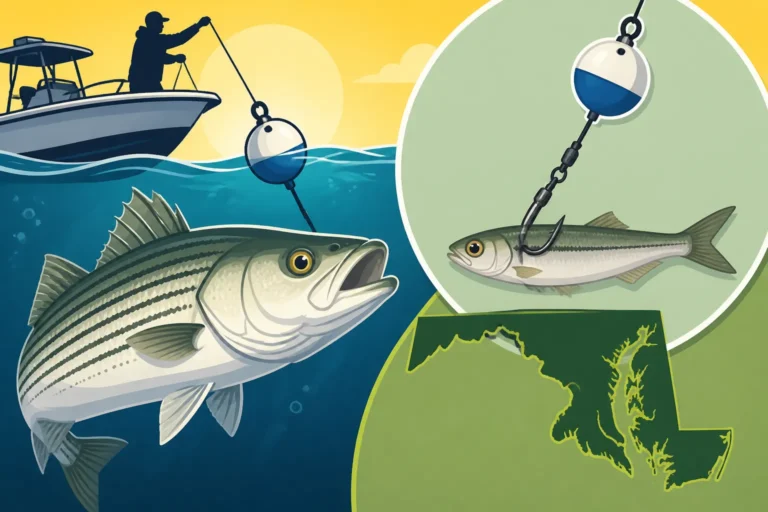
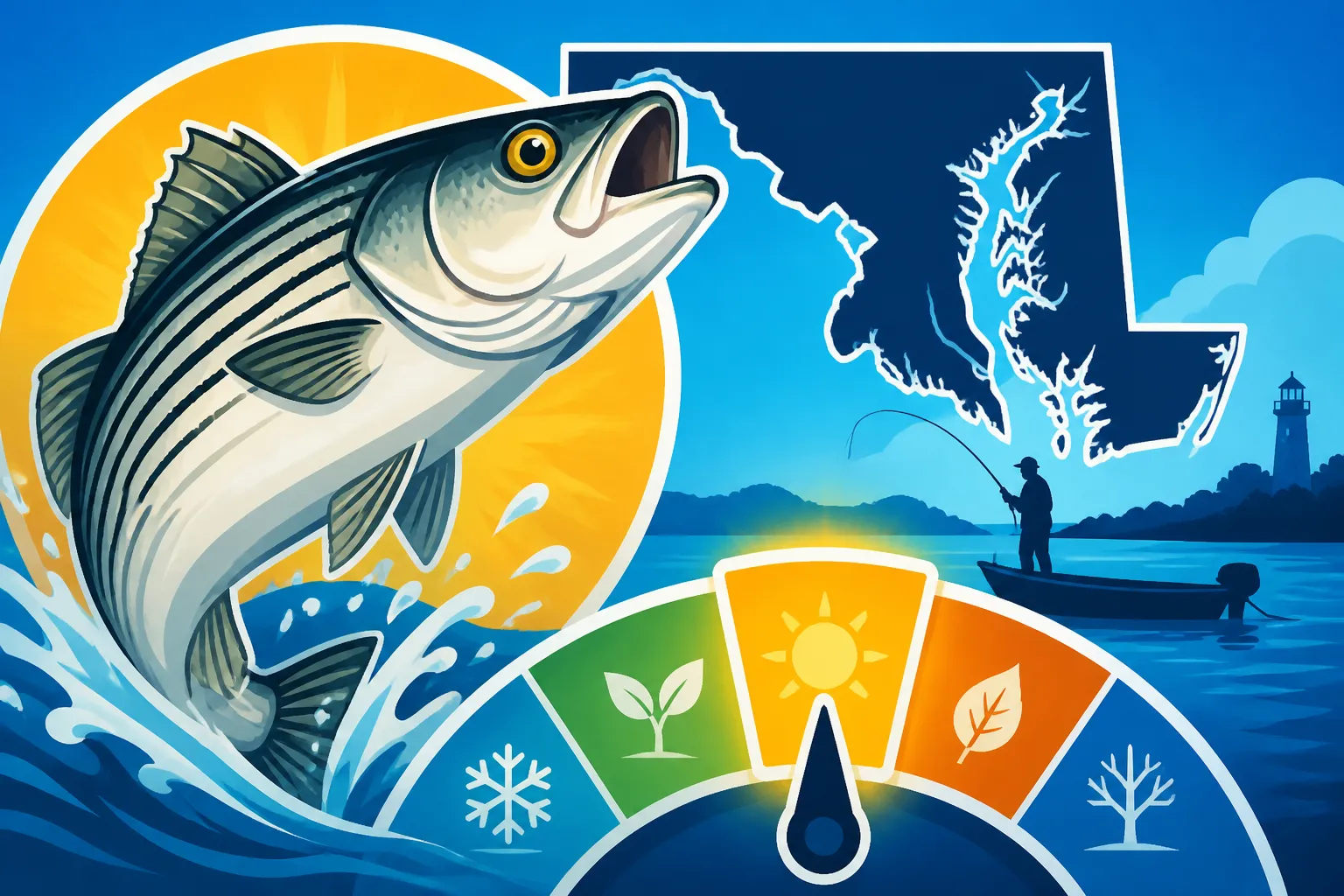
Oh, the age-old question that keeps Maryland anglers up at night: when, oh when, is the absolute best time to hook into those magnificent striped bass, affectionately known as rockfish around these parts? It's a query filled with anticipation, a bit of frustration when the bite's slow, and the dream of that trophy fish. You’re not alone in seeking that perfect window, and this guide is here to shed some light on the magic months for Maryland rockfish.
Understanding the Striped Bass Annual Cycle in Maryland
To truly pinpoint the best time to catch striped bass in Maryland, we need to understand their natural rhythm. These incredible fish are migratory, moving in and out of the Chesapeake Bay and along our coast with the changing seasons and, crucially, water temperatures. It’s a dance dictated by their drive to spawn, feed, and survive, and we anglers are simply trying to catch a beat.
Spring Migration and Spawning Season
As the ice thaws and the water in the Chesapeake Bay begins to warm, typically in March and April, the Bay truly comes alive. This is when adult striped bass, some of them absolute monsters, migrate into the Bay from their ocean wintering grounds. Their mission? To spawn in the freshwater rivers that feed into the Chesapeake, like the Susquehanna, Choptank, Nanticoke, and Potomac.
This period, particularly from mid-April through May, is often referred to as the "trophy season." These fish are focused on reproduction, but before and after they spawn, they are hungry. The excitement around the Bay during this time is palpable; boat ramps are buzzing, and anglers are dreaming of that once-in-a-lifetime catch. It's important to remember that regulations are often very specific during this sensitive time. For instance, there are strict rules about Maryland Spawning River Closures for Striped Bass to protect the spawning fish. Many areas will only allow catch-and-release fishing or have very tight size and bag limits. Knowing these rules is paramount, not just for legality, but for the health of the fishery.
Summer Patterns and Challenges
Once the spawning is done, typically by late May or early June, the large post-spawn striped bass begin to move out of the spawning rivers and into the main stem of the Chesapeake Bay, and many eventually make their way back out to the ocean. Smaller resident fish, however, remain in the Bay, seeking out cooler, deeper waters or areas with good current and structure.
Summer fishing for striped bass in Maryland can be more challenging. The heat of July and August significantly warms the surface waters of the Bay, often leading to what's known as "thermal squeeze." This means the fish are forced into smaller areas of cooler, oxygenated water, making them stressed and less likely to bite. Because of this stress and the importance of conservation, August typically sees a full closure for striped bass harvest in the Chesapeake Bay. This is a critical period for the fish, and respecting the Maryland Striped Bass Season and Rockfish Rules during this time is essential. While you can't keep them, it's a great time to target other species or practice catch-and-release with extreme care if you do encounter a rockfish. Many anglers during this time shift their focus to species like blue catfish or white perch, which thrive in warmer waters.
Fall Feeding Frenzy and Migration Out
Ah, fall! As the days shorten and the Bay waters begin to cool again, usually from late September through November, a magical transformation happens. The striped bass, both those that remained in the Bay and those migrating back down from northern waters, enter a pre-winter feeding frenzy. They are trying to bulk up for the colder months and their journey south.
This "fall run" is another peak season for anglers, often rivaling or even surpassing the spring trophy season in terms of sheer action. The fish are aggressive, actively chasing baitfish like menhaden and spot, and are often found in large schools. This makes for incredibly exciting fishing, whether you're trolling, jigging, or casting. The cooler water temperatures also mean less stress on the fish, making catch and release much safer. It's a time of year when anglers often experience multiple hook-ups and truly memorable days on the water.
April and May: The Trophy Season Goldmine
If your goal is to land a truly massive striped bass, the kind that makes your arms ache and your heart pound, then April and May are your prime months in Maryland. This is when the largest migratory fish are pushing into the Chesapeake Bay to spawn.
Why Spring is Prime Time for Big Fish
During the spring, the biggest females, often referred to as "cows," are moving up the Bay's main stem and into the rivers. These fish can range from 35 pounds to over 50 pounds, a true test of an angler's skill and tackle. They are gravid (full of eggs) and hungry, making them more susceptible to well-presented baits. The sheer number of large fish concentrated in the Bay makes the odds of catching a trophy significantly higher than at any other time of year.
Anglers often focus on areas like the mouth of the Susquehanna River, the main channel of the upper and middle Bay, and the larger tributaries. The early part of the season, when water temperatures are still in the 40s and low 50s, might see fewer bites, but often bigger fish. As the water warms into the 50s and 60s, the bite can really turn on. Learning How to Fish Maryland's Chesapeake Bay by Season for spring is key to maximizing your chances.
Key Techniques and Gear for Spring Stripers
For these big spring fish, heavy-duty tackle is a must. Many anglers opt for trolling large lures, often referred to as "umbrellas" or "Mojos," behind planers or downriggers to get them down to where the fish are holding in the deeper channels. These setups can be quite elaborate, involving multiple baits on one line. You'll find a huge selection of robust trolling gear, from heavy mono line to specific planer boards, available on sites like Amazon, making it easy to gear up.
Live-lining is another incredibly effective technique, especially once baitfish like spot become abundant. A large, lively spot presented near structure or channel edges can be irresistible to a big striper. Jigging with heavy metal jigs or large soft plastics can also be deadly, particularly when schools of fish are marked on your sonar. For this, look for stout jigging rods and reels that can handle the powerful runs of a trophy striper. A good quality braided line from brands like PowerPro, often found on Amazon, will give you the sensitivity and strength you need.
October and November: The Fall Run Bonanza
While spring is fantastic for sheer size, the fall run in October and November often provides the most consistent action and a wider range of fishing opportunities for striped bass in Maryland.
The Thrill of the Fall Migration
As the Bay waters cool down, usually dropping into the 60s and 50s, the striped bass become incredibly active. They're on the move, chasing massive schools of baitfish, creating dramatic "rockfish blitzes" where birds dive, and fish crash the surface. This is truly thrilling fishing, whether you're targeting them from a boat, kayak, or even shore. The fish are strong, healthy, and aggressively feeding, making for a challenging and rewarding fight. Understanding Maryland Striped Bass Fishing Techniques for this season is crucial for success.
The cooler water temperatures are also a huge bonus for the fish. Unlike the hot summer months, releasing a striper in the fall is much safer, as they recover quickly. This makes it a great time for both harvest and responsible catch-and-release fishing. For many, this is considered the Best Time for the Fall Striped Bass Run in Maryland.
Tactics for the Autumn Striper Bite
During the fall, the focus shifts slightly from just trolling. While trolling is still very effective, especially with smaller profile baits mimicking bunker or spot, casting and jigging really shine. When you find those frenzied schools of bait and stripers, throwing topwater lures, soft plastic swimbaits, or metal jigs can result in non-stop action.
- Jigging: Vertical jigging with a 1 to 3 oz jig head paired with a large soft plastic (like a Z-Man or Bass Kandy Delight) is a go-to. Vary your retrieve speed and depth until you find what the fish want.
- Casting: When stripers are busting on the surface, casting a popper or a walk-the-dog style topwater lure can be explosive. Even a simple soft plastic shad on a jig head cast into the commotion works wonders. Make sure you have a selection of different sized soft plastics, which you can easily stock up on through Amazon, to match the prevailing baitfish.
- Live-lining: If you can catch fresh bait like spot or menhaden, live-lining them into deeper channels or near structure can entice larger, wary fish. Learning How to Chum for Striped Bass in the Chesapeake Bay can also be incredibly effective during the fall run to bring fish to you.
Navigating Regulations and Seasonal Nuances
While knowing the prime months is a huge advantage, being a successful Maryland angler also means understanding the ever-changing regulatory landscape and how environmental factors can influence the bite.
Understanding Slot Limits and Closures
Maryland's Department of Natural Resources (DNR) works tirelessly to manage the striped bass population, which means regulations can, and often do, change. The most common harvest regulation you'll encounter is a "slot limit" – for example, keeping fish only within a specific size range, like 19 to 24 inches. This protects both the smaller, juvenile fish and the larger, spawning-size females. This Maryland Rockfish Slot Limit Explained article can provide more details.
It's absolutely vital to check the latest Maryland fishing regulations before every trip. You can find these on the Maryland DNR website, often updated yearly or even mid-season if conditions warrant. These rules can differ between the Chesapeake Bay and the Atlantic Ocean, or even specific rivers, so always know where you're fishing and what the current rules are for that location. For instance, Maryland Striped Bass Minimum Size in the Ocean vs the Bay are often different.
Catch and Release Considerations
Even during prime fishing months, responsible angling practices are crucial. If you're fishing during warmer periods, or if you're targeting fish outside the slot limit for catch-and-release, minimizing stress on the fish is paramount.
- Use appropriate tackle: Don't "fight" a big fish on light tackle for 20 minutes; it exhausts them.
- Barbless hooks: Consider using barbless hooks or pinching down barbs for easier, quicker release.
- Limit handling: Keep the fish in the water as much as possible. If you must remove it for a photo, do so quickly and support its body horizontally.
- Cut the line: If a fish swallows the hook deep, it's often better to cut the line as close to the hook as possible than to try and remove it. Maryland Catch and Release Rules During Closed Seasons often emphasize these best practices.
Impact of Weather and Water Temperature
While we can identify general "best months," nature doesn't always stick to our calendars. Unexpected weather patterns or prolonged heat waves/cold snaps can significantly shift prime fishing windows.
- Early/Late Spring or Fall: If spring arrives early with warmer water, the fish might show up sooner. Conversely, a prolonged cold snap in fall can delay the migration or send fish out of the Bay faster.
- Storms and Rain: Heavy rains can affect water clarity and salinity, sometimes scattering baitfish and stripers. Conversely, a good nor'easter in the fall can trigger an epic bite as fish get aggressive before a front. Understanding How Water Clarity Affects Fishing in the Chesapeake Bay can give you an edge.
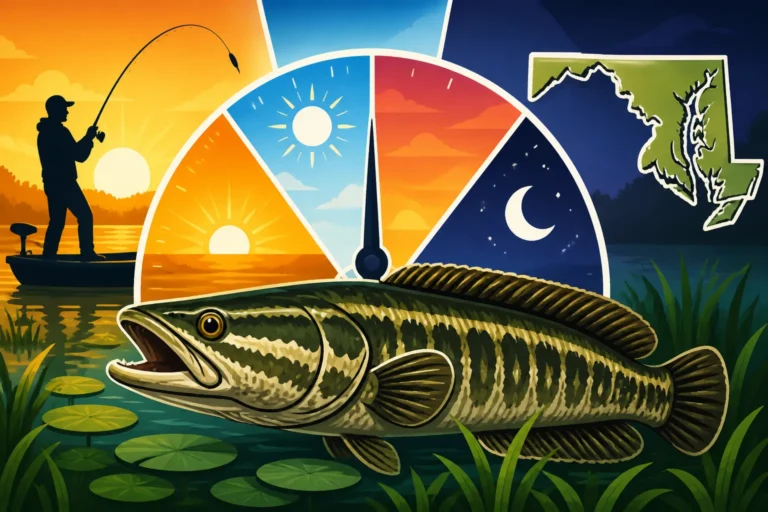
- Water Temperature is King: Always pay attention to water temperature. Striped bass are cold-blooded, and their metabolism and behavior are directly linked to the water around them. Apps and fish finders often provide real-time water temps, allowing you to adapt your strategy. For example, knowing the Best Time of Day to Catch Striped Bass in the Bay can often come down to when water temperatures are most favorable.
Here's a quick overview of the prime months and what to expect:
| Month | Primary Target | Average Size Potential | Key Techniques | Notes |
|---|---|---|---|---|
| April | Trophy Stripers | Large (30-50+ lbs) | Trolling large baits (Mojos, umbrellas), live-lining (if bait available). | Focus on pre-spawn and spawning areas. Strict regulations in place (often catch & release only for trophy season). Cold water, so fish move slower. |
| May | Trophy & Post-Spawn | Large (20-40 lbs), schooling post-spawn fish | Trolling, live-lining, jigging. | Post-spawn migration. Fish are active but dispersing. Regulations may change mid-month. |
| June | Resident Stripers | Medium (18-30 inches) | Jigging, live-lining, light tackle casting. | Fish are moving into deeper Bay channels, seeking cooler water. Good action in cooler pockets. |
| July | Resident Stripers | Medium (18-28 inches) | Deep jigging, live-lining, early morning/late evening topwater. | Challenging due to warm water. Fish are stressed; practice careful catch & release. |
| August | No Harvest | N/A | Catch & Release Only (if targeting). | Full closure for harvest in the Bay. Focus on other species or practice extreme caution with C&R for striped bass. |
| September | Resident & Migratory | Medium (18-30 inches) | Jigging, live-lining, casting. | Water cooling; fish becoming more active and aggressive. Pre-fall run buildup. |
| October | Fall Run Stripers | Medium to Large (20-40 lbs) | Jigging, casting, trolling, live-lining. | Excellent action. Fish actively feeding on baitfish. Aggressive bites, often surface blitzes. |
| November | Fall Run Stripers | Medium to Large (20-40 lbs) | Jigging, casting, trolling. | Excellent action. Continuation of the fall run. Fish migrating out of the Bay. Can be some of the best fishing of the year. |
Ultimately, while April, May, October, and November stand out as the very best months for striped bass fishing in Maryland, each season offers its own unique challenges and rewards. The spring brings the giants, the fall brings consistent, aggressive action. Keep an eye on those regulations, be flexible with your tactics, and most importantly, enjoy your time on the beautiful waters of Maryland.
Disclaimer
The information provided in this guide is for general informational purposes only and does not constitute legal advice. Fishing regulations, seasons, and licensing requirements in Maryland are subject to change. Always consult the official Maryland Department of Natural Resources (DNR) website or their current printed guide for the most up-to-date and accurate regulations before you go fishing. Failure to comply with regulations can result in fines and penalties.