Assateague Island Fishing Guide for Maryland Anglers
There's nothing quite like the allure of Assateague Island for an angler. This wild, windswept barrier island, shared by Maryland and Virginia, presents a unique and sometimes challenging fishing landscape, demanding a blend of local knowledge, the right gear, and a healthy respect for nature. This comprehensive guide is here to walk you through everything you need to know to make your Assateague fishing adventure successful and unforgettable, from understanding its distinct waters to mastering the regulations and embracing the island's untamed beauty.
Understanding Assateague Island's Unique Fishing Environment
Assateague Island is a truly special place, a dynamic stretch of sand, marsh, and ocean that offers an angling experience unlike many others in Maryland. It's not just about casting a line; it's about immersing yourself in a raw, ever-changing environment where the wild horses roam and the currents dictate the day. Before you even think about what bait to use, it’s crucial to grasp the fundamental differences in fishing this remarkable island.
A Tale of Two Sides: Bay vs. Ocean
When we talk about fishing Assateague Island, we're really talking about two distinctly different worlds separated by a narrow strip of land: the vast, open Atlantic Ocean on one side and the calmer, shallower Sinepuxent Bay on the other. Each presents its own set of challenges, target species, and required techniques, and understanding this duality is key to planning your trip.
The ocean side of Assateague is where the surf fishing magic happens. Here, you're facing the raw power of the Atlantic, with crashing waves, strong currents, and a dynamic seabed of shifting sandbars and troughs. It’s an exhilarating experience, often yielding powerful fish like striped bass, red drum, and bluefish, especially during their migratory runs. However, it demands heavy-duty gear, a keen eye for reading the water, and a willingness to brave the elements. You’ll be casting long distances, sometimes standing knee-deep in the surf, feeling the pull of the ocean with every wave. The sheer expanse of the beach, stretching for miles, offers a sense of solitude that's hard to find at more developed fishing piers.
Conversely, the bay side, primarily the Sinepuxent Bay and its intricate network of creeks and marshlands, offers a completely different vibe. This side is sheltered from the ocean's fury, making for calmer, shallower waters that are perfect for smaller boats, kayaks, or even wading from shore. Here, the focus shifts to species like flounder, white perch, and spot, which thrive in the brackish, nutrient-rich estuary environment. Fishing the bay side often involves jigging, drifting, or bottom fishing in channels and around grass beds. It's a more nuanced, often more relaxed approach, ideal for families or those who prefer a less strenuous day on the water.
The Dynamic Landscape: Sandbars, Channels, and Inlets
What makes Assateague's fishing so fascinating – and sometimes frustrating – is its incredibly dynamic landscape. This isn't a static environment; the sands shift, the channels deepen or fill in, and the inlets constantly reshape, all influencing where the fish hold and how you can access them. Being able to "read" these natural features is a skill that separates the consistently successful angler from those who just blindly cast into the waves.
On the ocean side, sandbars are your primary topographical features. These submerged ridges run parallel to the shore, often creating troughs, or "sloughs," between them and the beach. Fish, especially game fish like striped bass and red drum, will patrol these sloughs, ambushing baitfish that get trapped or swim through the deeper water. Identifying cuts in these sandbars – areas where waves break differently or where you see darker water indicating deeper access to the ocean – is crucial. These cuts are like highways for fish moving in and out with the tide. Always be aware of rip currents, which can be dangerous, but also act as natural funnels for bait and, consequently, predatory fish. The constant shifting means that a great spot one week might be mediocre the next, so staying adaptable and observant is key. Many seasoned anglers make it a point to drive or walk sections of the beach at low tide to scout these formations.
Over on the bay side, the landscape is dominated by shallow flats, oyster beds, and deeper channels. The Ocean City Inlet, separating Assateague from Ocean City, is a major conduit for tidal flow and fish movement, creating strong currents and fantastic fishing opportunities, particularly for flounder and tautog around the jetties and bridge pilings. Further into the bay, intricate networks of creeks and guts meander through the marsh. Understanding the tidal flow through these smaller channels is paramount, as fish like flounder and white perch will use them to move between feeding grounds and deeper holding areas. The ever-present marsh grass provides cover and food for countless baitfish, making these edges prime ambush points.
Essential Gear for Assateague Island Anglers
Having the right equipment can make all the difference between a frustrating day and a fantastic one when fishing Assateague. The unique conditions of the island, from the powerful ocean surf to the tranquil bay marshes, demand specific gear tailored to each environment. Skimping on tackle here can lead to heartbreak, lost fish, and wasted time.
Surf Fishing Rods and Reels for the Atlantic Shore
If you're planning to tackle the Atlantic surf, you need gear that can withstand abuse, cast a mile, and handle powerful fish in challenging conditions. This isn't the place for your lightweight pond setup; you need serious weaponry.
For surf fishing, long, heavy-action rods are an absolute must. Think 10 to 12 feet, sometimes even 13 feet, capable of handling casting weights of 4 to 8 ounces, plus bait. These longer rods provide the leverage needed for long casts over the breaking waves, help keep your line above the surf, and give you the backbone to fight large fish in strong currents. You'll typically choose between conventional (casting) reels or large spinning reels. While conventional reels offer superior casting distance for experienced anglers, spinning reels are generally easier for beginners to learn and manage, especially when dealing with wind and casting multiple times. Regardless of type, look for a reel explicitly designed for saltwater use, with excellent corrosion resistance and a smooth, powerful drag system. A reel in the 6000-8000 size range, capable of holding 250-300 yards of 50-65 lb braided line (with a monofilament leader for shock absorption and abrasion resistance), is a good starting point. Brands like Penn and Shimano are popular choices known for their durability in harsh saltwater environments.
Your terminal tackle is just as critical. Pyramid sinkers (4-8 oz) are the go-to for surf fishing, as their shape helps them dig into the sand and resist the pull of the waves. Fish finder rigs are incredibly popular for presenting cut bait on the bottom, allowing the fish to take the bait without immediately feeling the weight of the sinker. For hooks, circle hooks are highly recommended, not only for better hook-ups but also for promoting healthy catch-and-release by reducing gut-hooking. Sizes typically range from 5/0 to 9/0, depending on your target species. Remember to always use a heavy monofilament or fluorocarbon leader (50-80 lb test) to prevent abrasion from sharp teeth or rough sand.
Beyond your rod and reel, a few other surf essentials will make your day much more comfortable and efficient. A sturdy sand spike (or two!) to hold your rod while waiting for a bite is indispensable. A large cooler for your bait and your catch, a bait knife, and a cutting board are also key. A surf bag or bucket to carry extra tackle, leaders, and tools will keep you organized. Don't forget sunscreen, a wide-brimmed hat, polarized sunglasses, and plenty of water – the sun can be relentless on the open beach.
Bay-Side Tackle for Inshore and Kayak Fishing
The bay side of Assateague allows for a lighter, more versatile tackle setup. While you won't need the brute strength required for the ocean surf, durability and sensitivity are still important for detecting subtle bites in varied water conditions.
For most bay-side fishing, a medium-light to medium-action spinning rod, around 6.5 to 7.5 feet long, paired with a 2500-4000 series spinning reel, will serve you well. This setup is perfect for casting lighter lures and baits, and it offers enough sensitivity to feel the delicate peck of a white perch or the thud of a flounder. Spool your reel with 10-20 lb braided line, which offers superior casting distance and sensitivity, and always tie on a 15-30 lb fluorocarbon leader. The invisibility of fluorocarbon underwater can be a game-changer in the clearer bay waters, especially for shy fish like flounder.
When it comes to lures and baits, versatility is key. Small jig heads (1/8 to 1/2 oz) tipped with soft plastic grubs, paddle tails, or Gulp! artificial baits are incredibly effective for flounder, white perch, and even small striped bass in the bay. For flounder, specific flounder rigs, often featuring a bucktail or a small spinner blade, are popular and highly successful when tipped with a strip of squid or a live minnow. Shiny spoons or small crankbaits can also attract aggressive feeders like bluefish and larger perch. Live minnows, grass shrimp, and bloodworms are perennial favorites for a variety of bay species and are often readily available at local bait shops in nearby Ocean City or Berlin.
If you're planning on kayak fishing, safety gear takes precedence. A Coast Guard-approved Personal Flotation Device (PFD) is non-negotiable, and you should wear it at all times. A paddle leash, a small anchor with sufficient line, and a dry bag for your phone, keys, and other valuables are also essential. Consider a safety flag to increase your visibility to other boaters in the bay, especially near the busy inlet. Given the vastness of the bay and potential for sudden weather changes, always check the forecast before launching and inform someone of your planned route and return time.
Prime Fishing Locations on Assateague Island
Assateague Island offers an incredible array of fishing locations, each with its own character and potential. From the pounding surf of the Atlantic to the serene channels of the Sinepuxent Bay, knowing where to cast your line can significantly boost your chances of success. It's a vast park, so understanding the key access points and what they offer is paramount.
Surf Fishing Spots Along the National Seashore
The ocean side of Assateague is synonymous with surf fishing, offering miles of uninterrupted beach to explore. While the entire coastline holds potential, some areas are more popular or offer easier access depending on your preferred style of fishing. If you're looking for a comprehensive guide to this activity, check out our article on Surf Fishing at Assateague Island National Seashore.
The North End, particularly the stretch closest to the Ocean City Inlet, is often a hotbed of activity. Here, the strong currents associated with the inlet bring in a constant stream of baitfish, attracting larger predatory species like striped bass, bluefish, and red drum. The downside is that this area can also be quite crowded, especially during peak seasons. Anglers often line up shoulder-to-shoulder, casting heavy rigs into the turbulent waters. While the competition can be intense, the rewards can be significant due to the sheer volume of fish moving through this natural funnel. Expect deeper water closer to shore and more pronounced structure here due to the inlet's influence.
For those seeking more solitude and the ability to cover more ground, the Over-Sand Vehicle (OSV) Zone is the place to be. This area, stretching for miles south of the main visitor areas, requires a special permit to drive your 4×4 vehicle directly onto the beach. The OSV zone allows you to escape the crowds and find your own stretch of productive water. With a truck, you can easily move from one sandbar formation to another, seeking out the best sloughs and cuts. However, securing an OSV permit requires planning and knowing the rules, so make sure to read up on Do You Need a Permit to Drive on Assateague Island's Beach? well in advance. Having a vehicle right on the beach means you can bring more gear, larger coolers, and set up a comfortable base for a full day of fishing.
Further south, the more remote sections of the National Seashore offer ultimate tranquility. These areas are typically only accessible by foot (a very long walk!) or by vehicle via the OSV zone, meaning they see far less fishing pressure. If you're willing to put in the effort, you might discover untouched stretches of beach teeming with fish, providing a truly wild and unforgettable angling experience. These quieter zones are often excellent for targeting smaller species like kingfish and croaker, in addition to the larger game fish.
Bay-Side Access Points and Kayak Launches
The Sinepuxent Bay side of Assateague offers a stark contrast to the ocean, providing calmer waters and different fishing opportunities. It's a fantastic area for light tackle, crabbing, and exploring by kayak or small boat. If you're curious about fishing these calmer waters, we have a detailed guide on Bay Side Fishing at Assateague Island.
A popular and easily accessible spot is the Bayside Drive and its associated kayak launch. This area provides convenient access to the shallow bay waters, making it ideal for launching kayaks, canoes, or even small johnboats. From here, you can paddle or motor into the intricate marsh system, exploring countless creeks, guts, and grass beds. These areas are particularly productive for flounder, which often lie camouflaged on the sandy bottom, and schools of white perch that congregate around structure and grass edges. It’s also a prime area for crabbing with hand lines or trotlines.
While technically on the Virginia side, the principles of fishing Tom's Cove apply to the Maryland bay side as well, with similar shallow flats and marsh habitat. Maryland's Sinepuxent Bay, particularly the areas south of the Verrazano Bridge and extending down towards the southern reaches of the island, feature expansive shallow flats broken up by deeper channels. These channels act as natural highways for flounder, especially during outgoing tides when baitfish are flushed out of the marshes. Drifting these channels with live minnows or Gulp! baits is a highly effective technique.
The channels and cuts directly connected to the Ocean City Inlet, such as those under and around the Verrazano Bridge, can also be incredibly productive. The strong tidal flow through these areas funnels baitfish, attracting a variety of species. However, these areas can also experience strong currents, so be mindful of boat traffic and safety, especially if you're in a smaller vessel. These areas are also popular for setting crab pots, offering the chance to combine a fishing trip with a crab feast.
Target Species and Best Baits/Techniques
Assateague Island's diverse environment means you can target a wide variety of fish species, each with its own preferences for bait and technique. Knowing what's biting when and how to catch them is a huge part of the fun and challenge of fishing this unique island.
Surf Fishing Targets: Striped Bass, Red Drum, and More
The surf fishing experience on the Atlantic side of Assateague is often dictated by the migratory patterns of popular game fish. When these fish are running, the action can be fast and furious.
Striped Bass, affectionately known as rockfish in Maryland, are arguably the most sought-after species on the surf. They patrol the troughs and sloughs, especially during dawn, dusk, and nighttime hours. During their seasonal migrations, particularly in spring and fall, the Assateague surf can light up with action. For specifics on when to target them, check out Best Time to Surf Fish Assateague Island for Striped Bass. Cut bait, such as fresh menhaden, spot, or mullet, fished on a fish finder rig with a large circle hook (7/0-9/0) and a heavy pyramid sinker, is incredibly effective. Larger artificial lures like heavy metal spoons, swim shads, or even bucktail jigs can also entice aggressive stripers, especially if you spot them actively feeding on baitfish near the surface. Casting beyond the breaking waves into the deeper water where bait might be holding can also yield results.
Red Drum, or redfish, are another powerful and highly prized catch from the Assateague surf. These bronze beauties are known for their strong runs and are often targeted during late summer and fall. They tend to prefer larger baits, with cut mullet, bunker (menhaden), or even peeler crab being top choices. Again, a fish finder rig is ideal, allowing the drum to pick up the bait naturally. For deeper dives into catching these magnificent fish, refer to Techniques for Catching Red Drum at Assateague. When a red drum hits, be prepared for a fight; they are notorious for their stamina.
Bluefish are aggressive, toothy predators that provide exciting action on the surf. They can show up at almost any time, often in large schools, creating what's known as a "bluefish blitz" as they chop through schools of baitfish. They readily strike metal lures like Kastmasters or Gotcha Plugs, as well as cut bait. Their sharp teeth mean you'll want to use heavy monofilament leaders or even wire leaders to prevent bite-offs. While not always the most palatable for eating, they offer a thrilling fight.
For a more consistent bite and often a great dinner, smaller species like Kingfish (Whiting), Croaker, and Spot are abundant in the surf zone. These fish are typically caught closer to shore, often in the first trough. They prefer smaller baits like bloodworms, clam strips, or small pieces of cut squid, fished on a simple two-hook bottom rig (often called a "top-and-bottom" rig) with smaller circle hooks (size 1 to 2/0). They're fantastic for introducing beginners to surf fishing due to their frequent bites and manageable size.
Bay-Side Catches: Flounder, Perch, and Crabs
The calmer, shallower waters of the Sinepuxent Bay offer a different set of targets, often focused on bottom dwellers and schooling fish that thrive in estuarine environments.
Flounder are a perennial favorite on the bay side of Assateague. These flatfish love to lie camouflaged on sandy bottoms, especially near channels, oyster beds, and grass lines, ambushing unsuspecting baitfish. The most effective technique is drifting, either from a boat or kayak, over these likely holding areas. For specific strategies, explore Techniques for Catching Flounder in Maryland's Back Bays. Popular baits include live minnows (known as "killifish" or "shiners"), Gulp! artificial baits (especially white or chartreuse shrimp and minnow patterns), and strips of squid, often tipped on a bucktail jig or a traditional flounder rig with a spinner blade. The key is a slow, steady drift that covers ground and presents your bait naturally to these ambush predators.
White Perch and Yellow Perch are excellent panfish that provide consistent action and make for delicious meals. White perch, in particular, are abundant in the brackish waters of the Sinepuxent Bay and its feeder creeks. They are often found schooling around docks, pilings, oyster reefs, and grass beds. Small jigs tipped with soft plastics, grass shrimp, or bloodworms are highly effective. For a deeper dive into targeting these delicious fish, check out our guide on White Perch in Maryland's Chesapeake Bay. Yellow perch, while typically preferring fresher waters, can also be found in the upper reaches of the bay's tidal creeks. Both species offer light tackle fun for anglers of all skill levels.
Assateague's bay side is also a fantastic destination for Blue Crabs. While technically not "fishing," crabbing is an integral part of the Assateague experience for many visitors. You can catch blue crabs using simple hand lines with chicken necks or raw fish as bait, or by setting collapsible crab traps or trotlines in the shallow, muddy bottom areas. The marshy creeks and grass flats are prime crabbing territory. Just be sure to check the current Maryland regulations for size and possession limits before you go. If you're wondering about licensing for this activity, our article Does a Maryland Fishing License Cover Crabbing Too? has the answers. Crabbing is a wonderful family activity and a great way to augment your fishing efforts with a delicious seafood feast.
Regulations and Permits You Need to Know
Fishing on Assateague Island, while a wild and natural experience, still falls under the jurisdiction of state and federal regulations. Navigating these rules can sometimes feel like a puzzle, but understanding them is crucial for a legal and enjoyable trip. Ignoring them can lead to hefty fines and a spoiled adventure.
Maryland Fishing Licenses and Permits for Assateague
First and foremost, if you're fishing in Maryland waters (which Assateague is, on the Maryland side), you absolutely need a valid Maryland fishing license. This applies whether you're surf fishing on the ocean side, casting into the bay, or dropping a line from a pier. The type of license you need depends on where you're fishing and your residency status. For a comprehensive overview, our Maryland Fishing License Guide for 2026 is an excellent resource.
Most anglers at Assateague will require a Consolidated Sport Fishing License, which covers both freshwater and saltwater tidal fishing, or at least a Chesapeake Bay and Coastal Sport Fishing License if you're exclusively fishing tidal waters. Remember that even catch-and-release fishing requires a license. Kids generally don't need a license under a certain age, but it's always best to verify the current age exemptions with the Maryland Department of Natural Resources (DNR).
A critical distinction, especially for those new to Maryland, is understanding the difference between tidal and nontidal waters. Assateague Island, by its very nature, is a tidal environment, meaning the ocean and bay waters are influenced by the tides. Therefore, you'll be primarily concerned with tidal fishing regulations and licenses. If you ever plan to venture into Maryland's freshwater lakes or rivers upstream of tidal influence, you'd need the appropriate nontidal stamp or license. Our guide on Maryland Nontidal vs Tidal Fishing License, Explained can help clarify this for you.
Beyond the basic fishing license, if you plan to drive your vehicle onto the beach in the Over-Sand Vehicle (OSV) zone on the Maryland side of Assateague, you'll need a separate OSV permit from the National Park Service. This is not a fishing license, but rather an access permit, and it comes with its own set of rules and requirements for vehicle type, safety gear, and operating procedures. It’s essential to secure this permit well in advance, as they can be limited, especially during peak seasons. Always double-check the Assateague Island National Seashore website for the most current information and to purchase your permit.
Size Limits, Bag Limits, and Seasonal Restrictions
Maryland is committed to sustainable fishing, and that means strict regulations on what you can keep, how many, and when. These rules are put in place to protect fish populations and ensure healthy fisheries for future generations. Failing to adhere to these limits can result in substantial fines and even confiscation of your catch and gear.
It's vital to remember that fishing regulations are dynamic and can change annually, and sometimes even mid-season, based on scientific assessments of fish stocks. Always make it your top priority to check the most current Maryland DNR fishing regulations before each trip. You can usually find a printed guide at bait and tackle shops, or access the most up-to-date information on the Maryland DNR website.
Here’s a simplified table illustrating typical regulations for popular species you might encounter at Assateague. Please note: This table is for illustrative purposes only and does not represent the current, definitive regulations. ALWAYS consult the Maryland DNR for the most up-to-date rules.
| Species | Typical Minimum Size Limit | Typical Daily Bag Limit | Common Seasons/Notes |
|---|---|---|---|
| Striped Bass | Varies (e.g., 19-24 inches slot) | 1 per person | Highly regulated; specific seasons (spring, fall) and slot limits. Check Maryland Striped Bass Season and Rockfish Rules. |
| Flounder | Varies (e.g., 17-18 inches) | 4 per person | Regulations often align with regional (Atlantic) management. Check Maryland Flounder Size Limit. |
| Bluefish | No minimum (often) | 3-10 per person | Varies widely by size of fish and specific regulations. |
| Red Drum | Varies (e.g., 18-27 inches slot) | 1 per person | Primarily a catch-and-release species for larger ones. |
| Kingfish (Whiting) | No minimum | 10 per person | Generous limits, good panfish. |
| Croaker | No minimum | 25 per person | Generous limits, often caught in abundance. |
| White Perch | No minimum | 10 per person | Great panfish, often found in schools. |
| Blue Crabs | Varies by sex and type (soft/hard shell) | Bushel limits | Seasonal restrictions; specific rules for recreational pots vs hand lines. |
For species like Striped Bass (rockfish), Maryland frequently implements complex slot limits, which means you can only keep fish within a specific size range (e.g., 19 to 24 inches), with anything smaller or larger requiring immediate release. These rules are designed to protect spawning stock and juvenile fish. Furthermore, certain areas or times of the year may have specific closures, particularly for striped bass spawning rivers in the spring.
When it comes to catch and release, especially for undersized or out-of-season fish, practice proper techniques to maximize the fish's survival rate. This includes using circle hooks, minimizing handling time, keeping the fish in the water as much as possible, and reviving it carefully before release. Conservation is not just about adhering to limits; it's about being a responsible steward of the fishery.
Safety and Conservation on Assateague Island
Assateague Island is a place of raw, untamed beauty, and that means it demands respect. Whether you're battling the surf or exploring the quiet bay, safety must always be your top priority. Equally important is embracing a strong conservation ethic to protect this delicate ecosystem for generations of anglers and nature lovers to come.
Staying Safe While Fishing the Ocean and Bay
Fishing on Assateague can be an incredible experience, but the environment presents unique hazards that you need to be aware of. Preparation and vigilance are your best allies.
On the ocean side, the most significant danger comes from the water itself. Always be acutely aware of the tides and currents. Incoming tides can quickly sneak up on you, especially if you're focused on fishing, and strong rip currents can pull you offshore. Never turn your back on the ocean, as rogue waves can knock you off your feet. If you're wading out, even a little, know your limits and consider wearing a PFD. The sun is another silent threat; prolonged exposure without protection can lead to severe sunburn and heatstroke. Apply high-SPF sunscreen regularly, wear a wide-brimmed hat, and stay hydrated by drinking plenty of water. The sand can also become incredibly hot, so sturdy footwear is a good idea, especially when walking long distances.
The bay side, while generally calmer, has its own set of safety concerns. If you're using a kayak or small boat, always wear a Coast Guard-approved Personal Flotation Device (PFD). The shallow, marshy waters can be confusing, and it's easy to get lost or run aground, especially during low tide. Carry a reliable navigation device or map. Weather can change rapidly on the bay, so keep an eye on the sky and listen for weather alerts. Sudden thunderstorms can bring dangerous winds and lightning. When wading, be mindful of oyster shells and sharp objects on the bottom – water shoes or waders are essential.
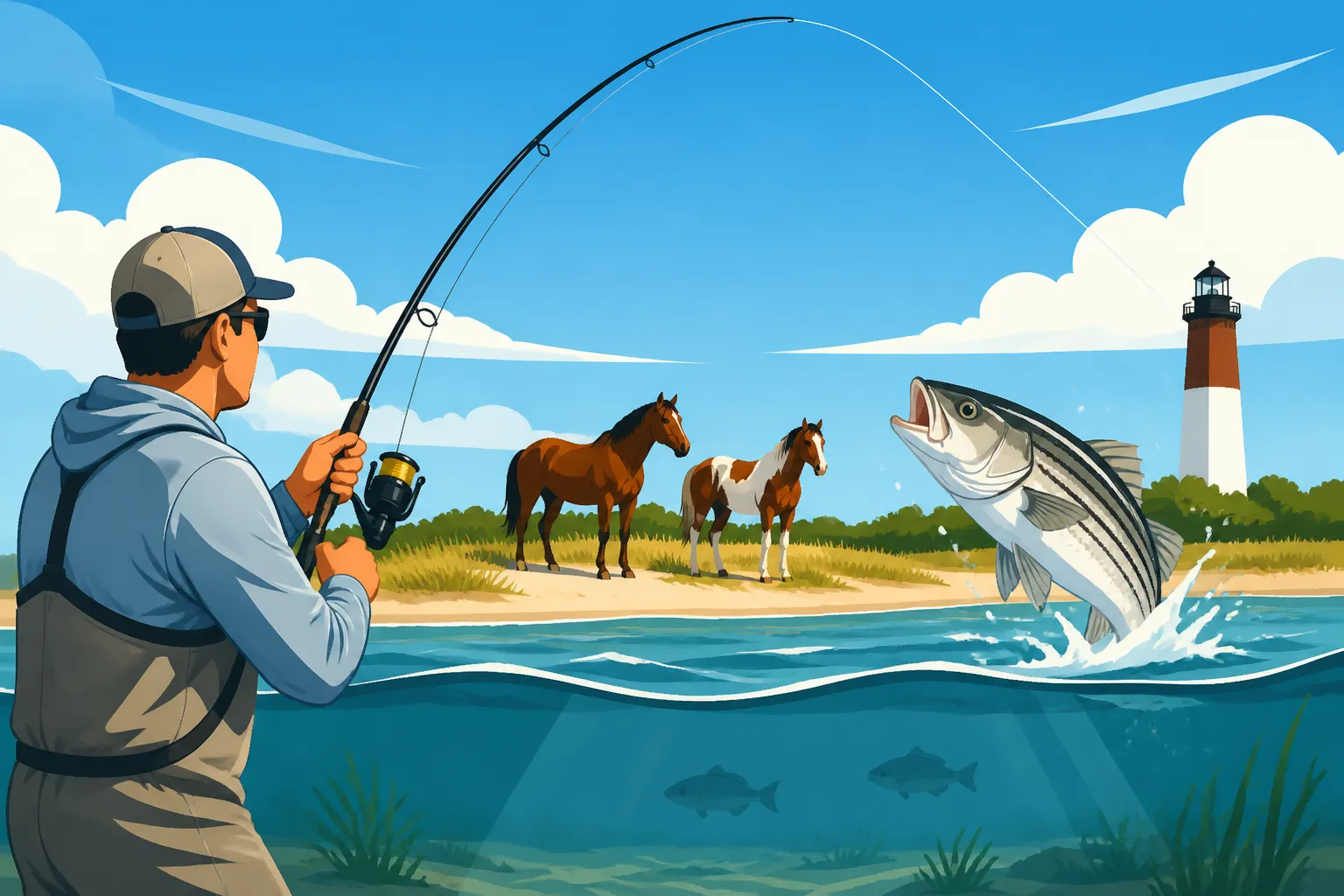
Beyond the water, Assateague is home to abundant wildlife. The iconic wild horses are beautiful but can be dangerous if approached too closely. They are wild animals, and their kicks and bites can cause serious injury. Always maintain a respectful distance, typically at least 40 feet. The island is also infamous for its insects, particularly mosquitoes, ticks, and biting flies, especially during warmer months. Come prepared with effective insect repellent, long sleeves, and pants. Ticks can carry Lyme disease, so check yourself thoroughly after spending time in grassy or wooded areas.
Finally, general preparedness is key. Always tell someone your fishing plans, including where you're going and when you expect to return. Carry a fully charged cell phone, but don't rely solely on it for navigation or emergencies, as signal can be spotty. A well-stocked first-aid kit is a must for any outdoor adventure, ready to handle cuts, scrapes, and insect bites.
Protecting Assateague's Delicate Ecosystem
Assateague Island is a protected National Seashore, a pristine natural environment that we all have a responsibility to preserve. Your actions as an angler directly impact the health of this delicate ecosystem.
The most fundamental rule of conservation is "Leave No Trace." This means everything you bring onto the island, you must take off. Pack out all your trash, including fishing line, bait containers, and food wrappers. Monofilament fishing line, in particular, is a huge hazard to wildlife, so dispose of it properly. Many parks offer recycling bins specifically for fishing line.
Be mindful of your bait. Avoid introducing non-native baitfish or other organisms into the waters, as they can disrupt the local ecosystem. Dispose of unused bait responsibly, never just dumping it into the water or onto the beach.
Respect the wildlife. While it's tempting to get close to the wild horses, shorebirds, and other animals, maintaining a distance is crucial for their well-being and your safety. Avoid disturbing nesting birds or other sensitive habitats. If you're driving on the beach in the OSV zone, always stay on designated routes and be aware of vulnerable wildlife, like nesting shorebirds or turtles, which may be camouflaged in the sand.
Practice responsible catch and release. For any fish you don't intend to keep, or those that are undersized or out of season, handle them with care to maximize their chances of survival. Use circle hooks to reduce gut hooking, minimize time out of water, and revive fish gently before releasing them. Consider crushing the barbs on your hooks to make removal easier. Our fisheries are a shared resource, and it's up to us to ensure they remain vibrant. The National Seashore works tirelessly to maintain this beautiful environment, and by following their guidelines and adopting a strong conservation ethic, you become a part of that vital effort.
Beyond the Rod and Reel: Assateague's Full Experience
While the primary draw for many is the incredible fishing, Assateague Island offers so much more than just angling. It's a truly unique destination that blends outdoor adventure with unparalleled natural beauty, making it a fantastic spot for a complete family vacation or a serene escape. Embracing the wider experience can enrich your fishing trip and create lasting memories.
Camping, Sightseeing, and Wildlife Viewing
One of the most popular ways to immerse yourself in Assateague's natural splendor is by camping. The Assateague Island National Seashore offers both ocean-side and bay-side campgrounds, allowing you to wake up to the sound of crashing waves or the serene calm of the marsh. Reservations are highly recommended, especially during peak seasons, and they fill up quickly. Camping provides direct, early morning access to fishing spots and an intimate connection with the island's environment that day-tripping simply can't match.
Of course, no trip to Assateague is complete without encountering the iconic wild horses. These majestic animals roam freely across the island, a truly breathtaking sight. Remember to observe them from a safe distance (at least 40 feet is recommended), as they are wild and can be unpredictable. Beyond the horses, Assateague is a paradise for birdwatchers, with hundreds of species using the island as a breeding ground, migratory stopover, or wintering area. Bring a pair of binoculars and a bird identification guide to truly appreciate the avian diversity. Keep an eye out for sika deer, various reptiles, and a multitude of marine life in the shallows.
For a different perspective, consider exploring the bay side by kayak or canoe, even if you're not fishing. The calm, shallow waters and intricate marsh creeks offer incredible opportunities for paddling through pristine natural landscapes, getting up close with nature, and experiencing the island's serene beauty away from the ocean roar. There are designated launch points and trails that make navigating easy for all skill levels.
Planning Your Assateague Island Fishing Trip
Effective planning is crucial for maximizing your enjoyment and success on Assateague. A little forethought goes a long way in this somewhat remote, natural environment.
Choosing the best time to visit for fishing often depends on your target species. Spring and fall are generally considered prime times for striped bass and red drum in the surf, as these are their migratory seasons. Summer offers excellent opportunities for kingfish, croaker, and bluefish on the ocean side, and flounder and perch on the bay side, though the heat and insects can be more intense. Crabbing is best from late spring through fall. The Maryland DNR provides excellent information on species activity throughout the year.
For accommodations, beyond the popular National Seashore campgrounds, you'll find a wide range of hotels, motels, and vacation rentals in nearby Ocean City, Maryland, or Berlin, which is just a short drive inland. Ocean City offers all the amenities of a resort town, including restaurants, tackle shops, and entertainment, while Berlin offers a charming, historic small-town vibe with its own unique shops and eateries.
Before heading to the island, make sure you have all your supplies. While there are basic visitor services, you won't find extensive bait and tackle shops or grocery stores directly on Assateague Island itself. Stock up on bait, tackle, food, water, ice, and any other essentials in Ocean City, West Ocean City, or Berlin. Many excellent local tackle shops, such as Bahrs Bait & Tackle or Oyster Bay Tackle, can provide not only gear but also invaluable local knowledge about what's biting and where. If you're considering a guided trip, perhaps a charter boat out of Ocean City, you might find booking services like FishingBooker helpful for exploring options and availability with local captains who know these waters intimately. They offer a convenient way to browse various excursions, whether you're looking for an inshore flounder trip or an offshore tuna adventure.
A well-planned trip to Assateague Island, blending your passion for fishing with an appreciation for its unique environment, promises an unforgettable experience.
Disclaimer
The information provided in this guide is for general informational purposes only and is not intended as legal or professional advice. Fishing regulations, licensing requirements, and safety guidelines can change frequently. Always consult the official Maryland Department of Natural Resources (DNR) website and the Assateague Island National Seashore website for the most current and accurate regulations, permits, and safety information before planning and undertaking any fishing or outdoor activities. Anglers are solely responsible for understanding and complying with all applicable local, state, and federal laws.