Fishing the Potomac Near National Harbor
It's incredibly frustrating when you live in or around the bustling D.C. metro area and feel like all the good fishing spots are hours away. You crave that relaxing time on the water, but the thought of a massive commute often kills the dream. The good news is, the Potomac River right near National Harbor offers some surprisingly accessible and productive fishing opportunities, letting you get your line wet without spending half your day in traffic. This guide is all about demystifying fishing this convenient stretch of the river, covering everything from what you can catch to where to cast your line and how to succeed.
The Unique Charm of Fishing Near National Harbor
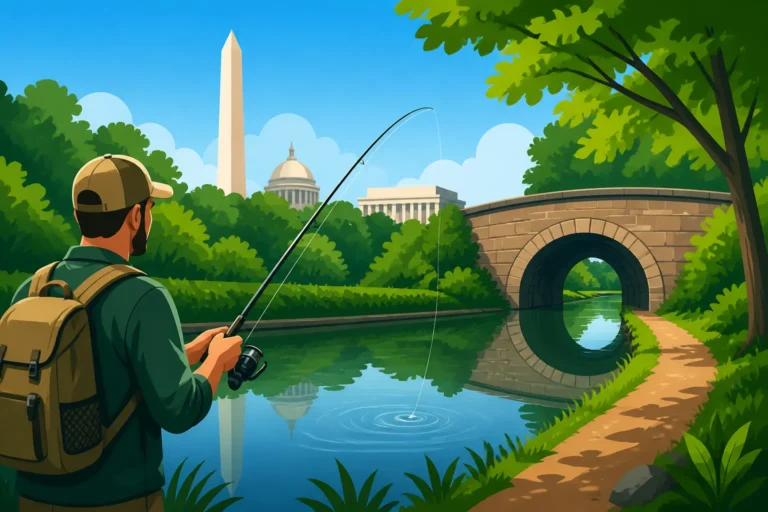
Fishing near National Harbor isn't just about catching fish; it's about the experience of urban angling with stunning backdrops and easy access. Many people assume urban waters are dead zones, but the Potomac here is surprisingly vibrant, offering a different kind of angling adventure. You're steps away from amenities, yet you can still find pockets of peace and plenty of fish.
Accessibility and Convenience for Anglers
One of the biggest advantages of this area is, without a doubt, its accessibility. Whether you're coming from Washington D.C., Virginia, or deeper into Maryland, National Harbor is generally easy to get to, with ample parking and public transport options in the vicinity. This means less time on the road and more time by the water, which is a huge win for anyone trying to squeeze in a fishing trip after work or on a busy weekend. You don't need a massive boat to fish effectively here either; many prime spots are accessible from shore or by kayak.
For those who prefer a guided experience, especially if you're new to the area or trying to master a specific technique, finding a local guide can be a game-changer. You can easily scout out experienced captains on platforms like FishingBooker, who know the local waters like the back of their hand and can put you right on the fish. They often have all the gear you need, making it even simpler to enjoy a stress-free day.
The Urban Fishing Landscape
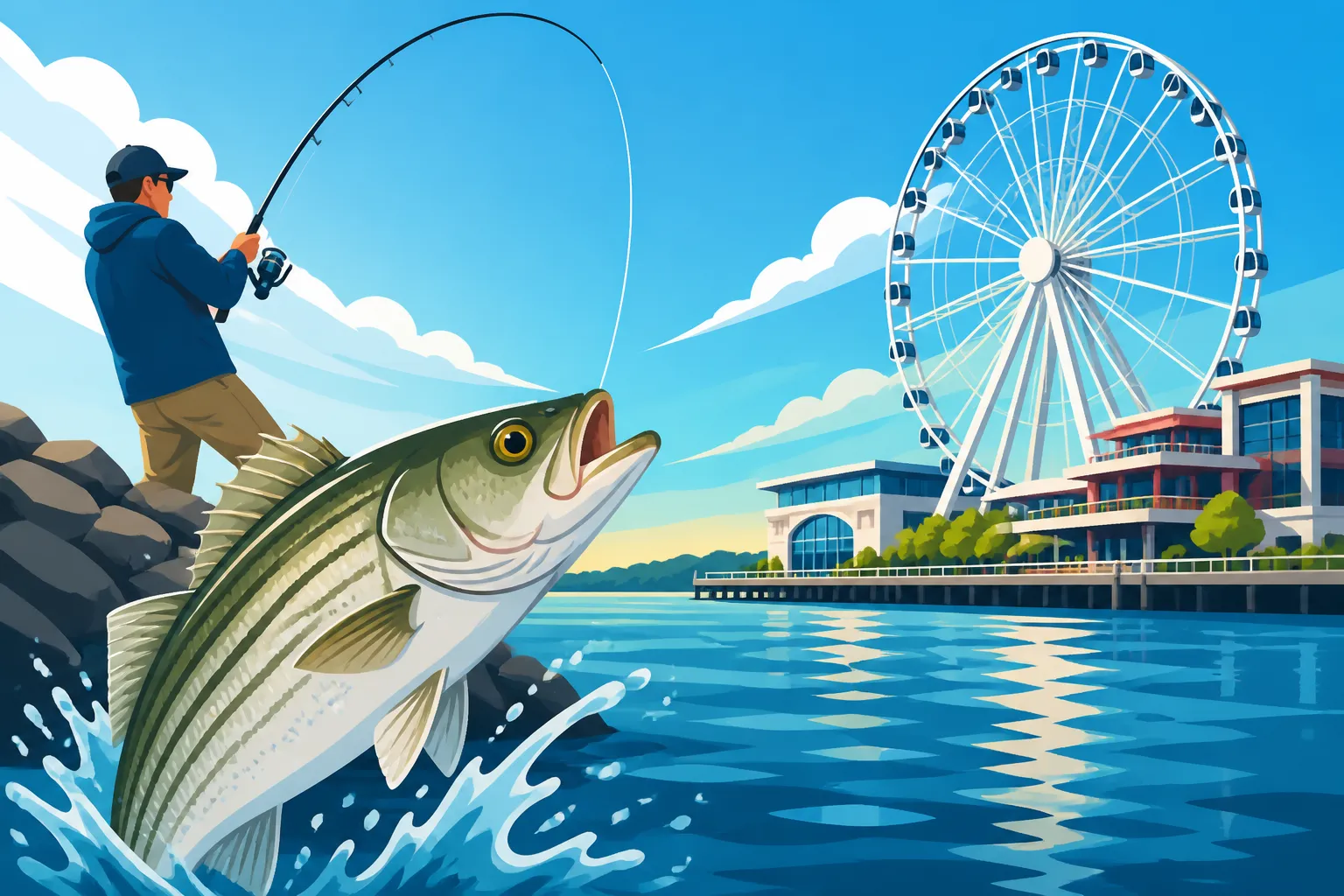
Fishing in an urban setting like National Harbor offers a unique blend of nature and city life. You might be reeling in a big catfish while looking at the Capital Wheel or watching boats cruise by. It’s a different vibe than a secluded forest stream, but it has its own charm. The structures of the harbor—piers, docks, bridge pilings—actually create excellent habitat for various fish species, providing cover and ambush points. These man-made structures concentrate baitfish and, in turn, the predators you're after. Don't let the cityscape fool you; there's plenty of productive water to explore right beneath those bustling urban fronts.
Prime Species to Target Around National Harbor
The Potomac River, particularly in the tidal freshwater section near National Harbor, is a diverse fishery. While you might not be catching trophy striped bass every cast (though they do show up!), there are several species that thrive here and offer fantastic action. Understanding what fish are prevalent can help you tailor your gear and techniques for the best results.
The Abundant Blue Catfish
If there's one fish that defines fishing in this stretch of the Potomac, it's the blue catfish. These invasive giants have absolutely exploded in population and size, making them an incredibly fun and often easy target for anglers of all skill levels. They grow huge, fight hard, and are often willing to bite. Maryland actively encourages anglers to harvest blue catfish due to their invasive nature and the threat they pose to native species. So, if you're looking to fill your cooler with some tasty fillets, blue catfish are your best bet.
You can find them almost anywhere in the deeper channels and holes, especially near current breaks or structure. They are often found in large schools, so once you find one, you're likely to find more. For those looking to learn more about specific spots, our guide on the Best Spots to Catch Blue Catfish on the Potomac can provide even more localized insights. Just remember, these fish are voracious eaters, so be prepared for some aggressive takes!
Elusive Northern Snakehead
Another invasive, yet highly sought-after, species in this part of the Potomac is the northern snakehead. These exotic fish are known for their aggressive strikes and incredible fighting power, making them a prime target for many anglers. Unlike blue catfish, snakeheads tend to prefer shallower, vegetated areas, especially in back coves and creeks off the main river channel. They're often found lurking in lily pads or submerged grass, waiting to ambush prey.
Catching a snakehead requires a bit more finesse and specific techniques, often involving topwater lures or weedless presentations. The thrill of a snakehead blowing up on a frog lure is truly something to experience! Maryland has specific Maryland Snakehead Fishing Rules that mandate their immediate destruction upon capture, as their release is strictly prohibited to prevent further spread. For more detailed information on where to find them, check out our guide on Where to Catch Snakehead on the Potomac River.
Other Notable Catches: Perch, Bass, and More
Beyond the big two invasives, the Potomac near National Harbor still holds a variety of other popular gamefish. You'll find healthy populations of white perch, which are excellent eating and provide consistent action, especially during their spring and fall runs. Crappie and sunfish are also present in quieter coves and around submerged brush, offering fun light-tackle opportunities for families or those looking for a relaxing day.
Occasionally, you might even encounter largemouth or smallmouth bass, especially in areas with more cover or slightly less current. While this isn't typically considered a prime bass fishery compared to some of Maryland's freshwater lakes, a determined angler can still find success. During certain times of the year, even a few striped bass (rockfish) will venture up into these tidal freshwater reaches, particularly during their migrations. Just be sure to always check the Maryland Fishing Size and Catch Limits by Species before heading out to ensure you're compliant with current regulations for whatever you might hook.
Key Fishing Spots and Access Points in the National Harbor Area
One of the beauties of fishing near National Harbor is the variety of access points, catering to both boaters and shore anglers. Knowing where to go can significantly increase your chances of success, especially when you're targeting specific species.
Shore Fishing Opportunities
For anglers without a boat, the National Harbor area offers several prime locations to cast from the bank or a pier. The main promenade around National Harbor itself, while heavily trafficked, can yield surprisingly good results, especially for catfish. Look for areas near pilings or where the bottom drops off. Just be mindful of crowds and boat traffic.
Further up or downriver, there are public parks and less developed shorelines that offer more elbow room. Fort Washington National Park, a short drive away, provides excellent bank fishing access along the Potomac. Its quieter coves can be fantastic for snakehead, while the main river access can be great for blue catfish. Another popular spot is Oxon Cove Park and Oxon Hill Farm, which offers good access to calmer waters where crappie and white perch can be found.
It’s worth noting that some piers, especially private ones, might require permission or a fee. However, most public shorelines and fishing piers in Maryland do not require a separate permit beyond your state fishing license. Speaking of licenses, always make sure you have your Maryland Fishing License Guide for 2026 handy, as requirements can sometimes be tricky, especially when you're fishing a border river like the Potomac.
Boat and Kayak Launches
If you have a boat or a kayak, your options expand dramatically. The closest public boat ramp to National Harbor is Fort Washington Marina, which provides direct access to the Potomac. From here, you can explore the main river channel for blue catfish or venture into the countless creeks and coves that dot both the Maryland and Virginia sides of the river, which are perfect for snakehead hunting.
Kayaks and canoes are particularly effective in this area, allowing you to quietly slip into the shallow, vegetated backwaters where snakeheads lurk, or to drift the main channel edges for catfish and perch. Just be aware of boat traffic on the main river, especially on weekends, and always prioritize safety with proper floatation devices. Looking into a guided trip on sites like FishingBooker could be a great way to experience the area safely and effectively if you're new to kayak fishing on a large river.
Tidal vs. Nontidal Waters in the Potomac
A common point of confusion for anglers on the Potomac is the distinction between tidal and nontidal waters, and how that impacts your fishing license. The Potomac River near National Harbor is considered tidal freshwater. This means it experiences daily tidal fluctuations, even though the water isn't salty. For most of this stretch, a standard Maryland fishing license will cover you, but understanding the difference is important. Our article on Maryland Nontidal vs Tidal Fishing License, Explained provides a comprehensive breakdown of these nuances.
It’s also crucial to remember that the Potomac is a border river with Virginia and a short distance from D.C. While Maryland generally governs the river, there are specific agreements. In the area of the Potomac around National Harbor, a valid Maryland fishing license is usually sufficient. However, if you plan to fish farther upstream into purely nontidal sections or if you're considering crossing into D.C. or Virginia waters, you might need additional licenses. Our guide, Do You Need Both a Maryland and DC License to Fish the Potomac? tackles this specific concern.
Effective Techniques and Baits for Potomac Fishing
Once you know where to go and what you're targeting, the next step is understanding how to catch them! Different species respond to different presentations and baits, so having a few tricks up your sleeve will significantly improve your success rate.
Bottom Fishing for Catfish
For blue catfish, bottom fishing is king. These opportunistic feeders are typically found on the riverbed, often in deeper channels, holes, or near current breaks where food washes past. A simple bottom rig, usually a Carolina rig or a slip-sinker rig, with a heavy sinker to hold bottom in the current, is highly effective.
Preferred Baits for Blue Catfish:
Blue catfish are not picky, but some baits are undoubtedly more effective than others.
- Cut Bait: Fresh cut bait is often the most productive. Common choices include chunks of gizzard shad, menhaden (bunker), or even smaller white perch. The oil and scent dispersed by cut bait is irresistible to catfish.
- Chicken Liver: A classic catfish bait, chicken livers are cheap and widely available, though they can be messy to work with.
- Prepared Baits: Stink baits or commercial catfish dough baits can also work, especially for smaller cats, but cut bait usually reigns supreme for the bigger ones.
For an even deeper dive into what gets these whiskered giants biting, check out our guide on the Best Bait for Blue Catfish in Maryland Rivers.
Topwater and Reaction Baits for Snakehead
Northern snakeheads are ambush predators that love to strike aggressively, especially on topwater. Their preferred habitat of shallow, vegetated water makes them perfect targets for lures that mimic frogs, mice, or distressed baitfish.
Effective Snakehead Lures:
- Frog Lures: Soft plastic frog lures, rigged weedless, are incredibly effective. Cast them onto lily pads or thick mats of grass and twitch them across the surface. The explosive strike is unforgettable.
- Spinnerbaits/Chatterbaits: These can be worked through submerged vegetation or along grass lines to provoke a reaction strike.
- Flukes/Soft Jerkbaits: Rigged weightless and weedless, these can be twitched just under the surface, mimicking an injured baitfish.
Remember, snakeheads are powerful fighters and often dive back into heavy cover, so stout tackle is a must. If you're serious about targeting these aggressive fish, our comprehensive article on Techniques for Catching Snakehead in Maryland will give you all the detailed strategies you need.
Light Tackle for Perch and Panfish
For white perch, crappie, and other panfish, lighter tackle and smaller baits are generally more effective. These fish often school up, so when you find one, you'll likely find more.
Perch and Panfish Baits/Lures:
- Bloodworms/Grass Shrimp: Natural baits like bloodworms or grass shrimp, fished on a small bottom rig or under a bobber, are deadly for white perch.
- Small Jigs: Tiny jigs (1/16 to 1/8 oz) tipped with a piece of Gulp! or a small soft plastic grub are incredibly effective, especially when jigged around structure or drop-offs.
- Minnows: Live minnows, fished under a bobber or on a small jig head, are excellent for crappie and larger perch.
Many anglers find that early mornings or late evenings around National Harbor, particularly as the boat traffic dies down, can be very productive for these smaller, delicious species.
Seasonal Considerations for Potomac Fishing
The fishing around National Harbor definitely changes with the seasons. Spring often brings robust white perch runs into the tidal creeks and excellent opportunities for blue catfish as they become more active. Summer can be hot, pushing fish into deeper, cooler waters during the day, making early mornings and late evenings prime time. Fall sees increased activity from both catfish and perch as they feed heavily before winter. Even in winter, dedicated anglers can find good blue catfish action in deeper holes, often using larger cut baits.
Here’s a quick overview of what to expect seasonally:
| Season | Primary Targets | Best Techniques | Notes |
|---|---|---|---|
| Spring | Blue Catfish, White Perch, Snakehead | Bottom fishing (catfish), small jigs (perch), topwater/reaction baits (snakehead) | Fish are active and feeding; perch move into creeks for spawning. |
| Summer | Blue Catfish, Snakehead, Sunfish | Deeper bottom fishing (catfish), early/late topwater (snakehead), light tackle in shade (sunfish) | Can be slow midday; focus on low-light hours and shaded areas. |
| Fall | Blue Catfish, White Perch, Snakehead | Bottom fishing (catfish), small jigs (perch), topwater/reaction baits (snakehead) | Fish fattening up; often very productive, similar to spring. |
| Winter | Blue Catfish | Deeper bottom fishing with larger cut baits | Slower bite, but larger fish can be caught in thermal refuges. |
Before you plan your trip, especially if you're targeting a specific species or looking for a peak bite, it's always a good idea to check local fishing reports or consult with guides. Many guides listed on FishingBooker provide detailed season-specific advice right in their booking descriptions, helping you pick the perfect time.
Navigating Fishing Regulations on the Potomac River
Fishing in Maryland, especially on a major river like the Potomac, comes with its own set of rules and regulations. It's not just about what you catch, but how you catch it, how much you keep, and ensuring you have the proper licensing. Falling afoul of these rules can lead to fines, so a little homework before you go is always a smart move.
Essential Licensing Requirements
First and foremost, you need a valid Maryland fishing license to fish the Potomac River near National Harbor. As discussed, this part of the Potomac is considered tidal fresh water. If you only plan to fish from shore or a non-motorized vessel, a Maryland Bay & Coastal Sport Fishing License (often called a "tidal license") or a Consolidated Sport Fishing License will generally cover you. If you fish exclusively in non-tidal waters (further upstream), you'd need a Nontidal Sport Fishing License. Given the proximity to tidal influences, the tidal license is typically the most appropriate for the National Harbor area.
It can get a little confusing, but resources like the Maryland Department of Natural Resources (DNR) website offer clear guidance. Our detailed article on the Maryland Fishing License Guide for 2026 is also a fantastic resource to ensure you're covered. Don't forget, if you're a non-resident, your license requirements will differ from a Maryland resident, so be sure to investigate that as well.
Understanding Catch and Size Limits
Maryland has specific regulations for different species regarding minimum sizes, daily creel limits (how many fish you can keep), and sometimes even slot limits. These rules are in place to manage fish populations and ensure sustainable fishing for everyone.
- Blue Catfish: Currently, there are no size or creel limits on blue catfish in Maryland. In fact, anglers are encouraged to harvest as many as they can, due to their invasive status. The Maryland Blue Catfish Possession Rules outline this clearly.
- Northern Snakehead: Similar to blue catfish, there are no size or creel limits. However, the critical rule is that it is illegal to release a live snakehead back into the water. They must be humanely dispatched immediately upon capture. This is a crucial regulation covered in the Maryland Snakehead Fishing Rules.
- White Perch, Crappie, Bass, etc.: For native species, there are usually specific minimum size and daily creel limits. These can change, so always consult the most current Maryland Fishing Guide or DNR website before your trip. For example, white perch typically have no minimum size but a daily creel limit.
Staying informed about these regulations is not just about avoiding a fine; it's about being a responsible angler and contributing to the health of the fishery.
Potomac River-Specific Rules and Exceptions
While a Maryland license covers fishing from the Maryland shoreline of the Potomac, it's essential to understand that the Potomac River has its own unique governance in some areas, particularly concerning the main stem. The Potomac River Fisheries Commission (PRFC) manages the fisheries in the tidal portion of the main stem of the Potomac River. For recreational anglers, a valid Maryland tidal license is typically honored by the PRFC on the main stem. However, if you venture into specific tributaries on the Virginia side, a Virginia license would be required, or vice versa if you're a Virginia resident fishing Maryland tributaries.
The area around National Harbor generally falls under the purview where a Maryland tidal license is sufficient when fishing from the Maryland side or the main river. However, confusion can arise quickly, especially for new anglers. Always double-check the latest regulations, possibly on the DNR website, which provides clear maps and guidelines for license applicability on the Potomac. When in doubt, it’s always better to be over-licensed than under-licensed!
Disclaimer
Fishing regulations and conditions in Maryland can change frequently. While we strive to provide the most accurate and up-to-date information, it is always the angler's responsibility to consult the latest official Maryland Department of Natural Resources (DNR) regulations before heading out. This guide is for informational purposes only and should not be considered a substitute for official legal guidance.