Surf Fishing at Assateague Island National Seashore
Dreaming of the perfect surf fishing trip can quickly turn into a headache when you start sifting through permits, regulations, and figuring out the best spots to cast your line, especially at a unique place like Assateague Island National Seashore. This guide is going to strip away the confusion, offering you a comprehensive breakdown of everything you need to know to not only fish legally but also successfully navigate the wild beauty of Assateague and reel in some fantastic catches.
Why Assateague Island is a Surf Angler's Dream
Assateague Island National Seashore isn't just a pretty beach; it's a dynamic, ever-changing environment that offers some of the most exciting surf fishing experiences on the East Coast. Its wild nature and relatively undeveloped stretches provide a stark contrast to the bustling piers and crowded bayside spots you might find elsewhere in Maryland. Anglers are drawn here not just for the fish, but for the profound sense of solitude and connection to nature. It's a place where the rhythmic crash of the waves and the salty air become part of the fishing experience, a truly immersive outdoor adventure.
The Unique Appeal of Maryland's Wild Coastline
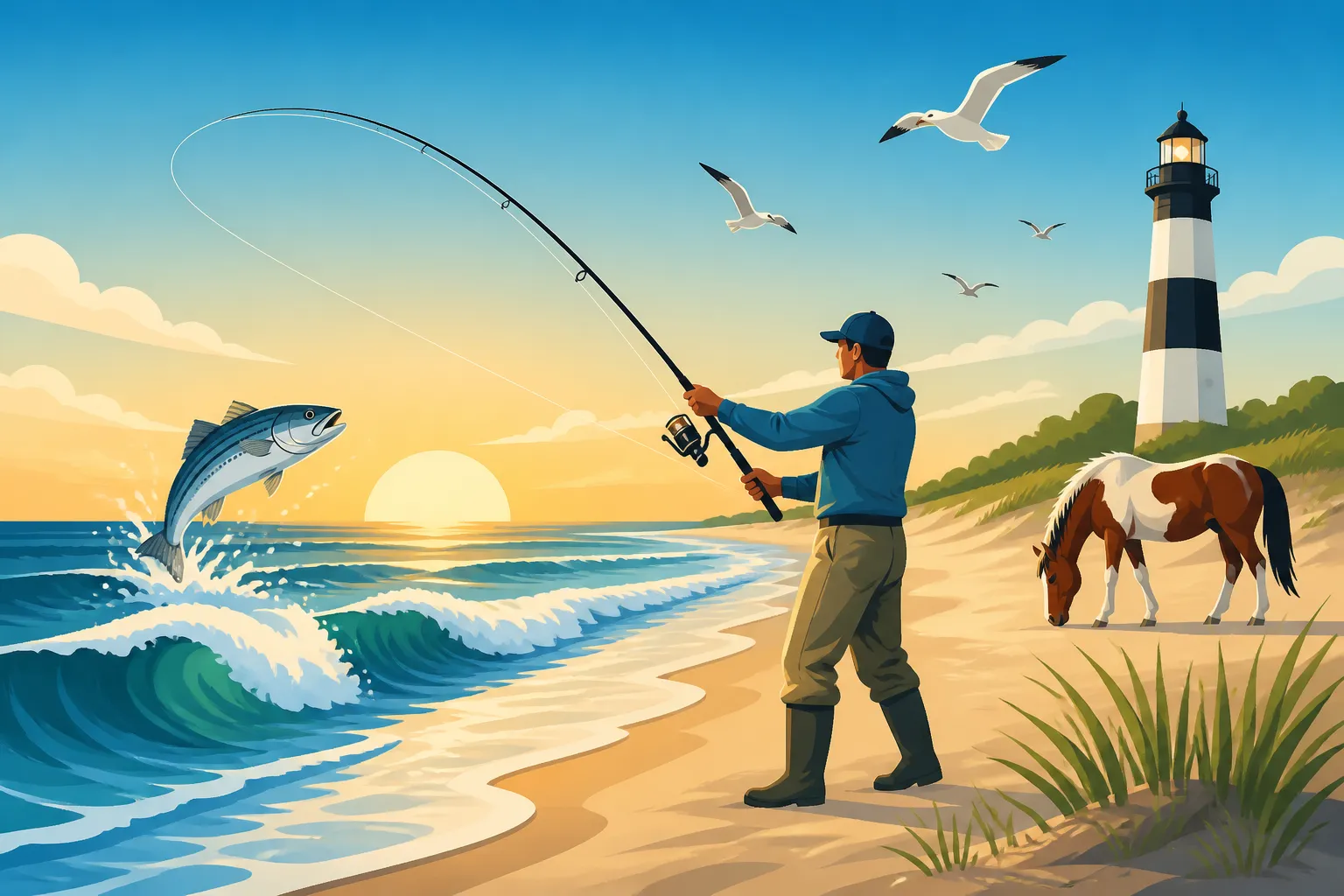
What truly sets Assateague apart is its raw, untamed beauty. Here, you'll find miles of sandy beach, rolling dunes, and the iconic wild horses that roam freely, adding to the almost mystical atmosphere. This isn't your typical commercial fishing pier; it's an expansive natural habitat where the fish are often more plentiful and less pressured. The isolation can be a major draw for those looking to escape the crowds and truly focus on the fishing, with nothing but the ocean and the occasional wild pony for company.
The diverse array of fish species that frequent these waters is another significant draw. From hard-fighting striped bass to tasty flounder and feisty bluefish, the surf provides a bounty of opportunities depending on the season. This variety means you can often switch up your target species if one isn't biting, keeping your day interesting and productive. The constantly shifting sands and currents also mean every trip is a new adventure, requiring anglers to adapt and learn the nuances of the beach each time they visit.
What Makes Assateague Ideal for Surf Fishing
Assateague's geological features make it a prime location for surf fishing. The island is essentially a long barrier island, meaning it’s directly exposed to the Atlantic Ocean. This constant wave action creates a dynamic nearshore environment characterized by an intricate system of sandbars, guts (or sloughs), and deeper troughs. These structures act like underwater highways and feeding grounds for various fish species. Fish often patrol the deeper water between the sandbars and the beach, looking for baitfish, crabs, and other morsels churned up by the waves.
The proximity to deeper offshore waters also means that migratory species like striped bass, red drum, and bluefish pass very close to shore during their seasonal movements. When these fish are on the move, Assateague offers a front-row seat to some incredible action. The constantly moving water also oxygenates the surf zone and provides a natural buffet line for game fish, making it a very productive fishing ground. Understanding how to read the beach and identify these features is key to unlocking Assateague's full potential.
Navigating the Rules and Regulations for Assateague Surf Fishing
Fishing at Assateague Island National Seashore, like any protected natural area, comes with its own set of rules and regulations. It’s not just about having a Maryland Fishing License Guide for 2026; there are specific permits for vehicle access, and of course, statewide Maryland fishing regulations that apply to the species you’re targeting. Understanding and adhering to these rules is crucial for a smooth and enjoyable trip, and more importantly, for protecting the delicate ecosystem of the island. Ignoring them can lead to hefty fines or even being ejected from the park, spoiling your carefully planned outing.
Vehicle and Fishing Permits You'll Need
One of the most distinctive aspects of surf fishing on Assateague is the ability to drive your Off-Road Vehicle (OSV) directly onto designated sections of the beach. This convenience is a game-changer for surf anglers, allowing them to carry a lot of gear and cover significant distances to find the best spots. However, this privilege requires a special OSV permit issued by the National Park Service. You can learn more about this by checking our guide on Do You Need a Permit to Drive on Assateague Island's Beach?. There's usually an annual fee, and the permit often sells out, so planning ahead is absolutely essential. The application process typically involves an online component and sometimes an in-person vehicle inspection. Make sure your vehicle meets the specific requirements, including tire size and safety equipment, before you head out.
Beyond the OSV permit, every angler aged 16 and older needs a valid Maryland fishing license. If you're planning to fish in both the tidal ocean waters and potentially the back bays, you'll generally need a Chesapeake Bay and Coastal Sport Fishing License, which covers both. Non-residents will need a non-resident license. These can be purchased online through the Maryland Department of Natural Resources (DNR) website or at various tackle shops and outdoor retailers throughout the state. If you’re unsure about the specifics, our How to Buy a Maryland Fishing License guide can walk you through the process. Always carry proof of your license and permits with you, as park rangers and DNR police frequently check.
Understanding Catch Limits and Species-Specific Rules
Maryland's fishing regulations are designed to manage fish populations sustainably, and they apply rigorously to Assateague Island. These rules include minimum and maximum size limits, daily creel (bag) limits, and specific seasons when certain species can or cannot be harvested. For popular species like striped bass, often called rockfish in Maryland, these regulations can be particularly dynamic. It's not uncommon for the Maryland Striped Bass Season and Rockfish Rules to change even mid-season based on stock assessments, so always check the latest DNR guide before your trip. For example, striped bass often have a slot limit, meaning you can only keep fish within a specific size range, not too small, and not too big, to protect spawning populations.
Flounder, bluefish, and red drum are other highly sought-after species in the Assateague surf, and each has its own set of rules. For instance, the Maryland Flounder Size Limit might dictate a minimum length to ensure juvenile fish have a chance to mature. Bluefish, while often plentiful, typically have a daily bag limit to prevent overharvesting, which you can read more about in our article on Maryland Bluefish Daily Limit. It's your responsibility as an angler to know these rules. A good habit is to download the Maryland DNR app or carry a copy of the current fishing guide. This ensures you're compliant and helps conserve these valuable fisheries for future generations.
Essential Gear for a Successful Assateague Surf Fishing Trip
Surf fishing at Assateague is not like casual pier fishing; it requires specialized gear that can withstand the harsh conditions of the open ocean and effectively cast baits into productive waters. Investing in the right equipment will not only increase your chances of success but also make your entire experience more comfortable and enjoyable. Skimping on quality here can lead to frustrating breakages and missed opportunities.
Rods, Reels, and Line
For Assateague's surf, you'll want a heavy-duty surf rod, typically ranging from 10 to 12 feet in length, though some anglers prefer even longer rods up to 15 feet for maximum casting distance. These longer rods provide the leverage needed to cast heavy sinkers and baits far beyond the breaking waves, where many game fish feed. Look for rods with a medium-heavy to heavy action, capable of handling 4-8 ounces of weight plus bait. Brands like Penn, Daiwa, and Ugly Stik offer popular and durable surf rods that can stand up to the challenge.
Pair your rod with a robust spinning reel designed for saltwater use, typically in the 6000 to 8000 series size. These reels need excellent drag systems to handle powerful fish and be highly corrosion-resistant. Load your reel with a strong braided line, often 30-50 lb test, as it offers superior casting distance and sensitivity compared to monofilament. However, many anglers will tie on a monofilament or fluorocarbon shock leader, typically 50-80 lb test, that's longer than your rod, to absorb the shock of casting heavy weights and provide abrasion resistance against shells and fish teeth. This setup allows you to feel even the subtlest bites and bring in larger fish without fear of snapping your line.
Bait and Tackle for Assateague's Species
The right bait is crucial for enticing the variety of fish found in Assateague's surf. Cut bait, particularly fresh bunker (menhaden), mullet, or spot, is incredibly effective for striped bass and bluefish. Many local bait shops in Ocean City or Berlin will have these available. Bloodworms or fish bites (synthetic bait strips) are excellent choices for tempting bottom feeders like kingfish, croaker, and even some flounder. Squid is a versatile bait that almost anything will hit, making it a great all-around option. For more specific recommendations, check out our guide on the Best Bait for Surf Fishing at Assateague Island.
Your terminal tackle needs to be robust. Fish-finder rigs, featuring a pyramid sinker that anchors your bait on the sandy bottom while allowing the bait to move freely on a leader, are a staple. You'll want pyramid sinkers ranging from 3 to 8 ounces, depending on current strength and wave action. Circle hooks, size 5/0 to 8/0, are highly recommended as they are safer for the fish (often hooking in the corner of the mouth) and effective for self-hooking. Carry an assortment of swivels, snap swivels, and leader material (20-50 lb fluorocarbon or monofilament) to tie your rigs. Having a tackle box well-stocked with these essentials will ensure you're prepared for whatever the surf throws your way.
Off-Road Vehicle OSV Essentials
For those utilizing the OSV zone, your vehicle itself becomes a critical piece of gear. Beyond having the necessary OSV permit, your vehicle needs to be properly equipped for beach driving. Tire deflators are a must; you'll need to air down your tires to around 15-20 PSI (check park regulations for exact recommendations) to increase your tire's footprint and prevent getting stuck in the soft sand. A portable air compressor is then essential for reinflating your tires before you hit the paved roads again.
Recovery gear is non-negotiable. A sturdy shovel, a tow strap, and traction mats (like MaxTrax or similar) can save you from being stranded. Many experienced surf anglers also carry a hi-lift jack or a bottle jack with a wider base for lifting a vehicle in sand. It's also wise to have a basic toolkit, jumper cables, and plenty of water for both you and your vehicle. Remember, cell service can be spotty on parts of the island, so self-sufficiency is key. Having these items on hand means you're prepared for unexpected challenges and can enjoy your fishing day with peace of mind.
Mastering Assateague's Surf Fishing Techniques
Surf fishing on Assateague isn't just about casting out a line; it's a nuanced art that combines an understanding of ocean dynamics with proper technique. The ever-changing nature of the beach means that what worked yesterday might not work today, so being observant and adaptable is crucial for consistent success. Learning to "read" the water and adjust your approach will significantly increase your catch rates.
Reading the Beach
Perhaps the most important skill for a surf angler is learning to "read the beach." This involves identifying subtle signs in the water that indicate where fish are likely to be holding or traveling. Look for areas where waves are breaking differently. A consistent line of breaking waves usually indicates a shallow sandbar. The deeper water behind that sandbar, closer to shore, is called a "gutter" or "slough," and these are prime feeding zones where fish feel safe and have easy access to food. Often, you'll see calmer water in these gutters.
Beyond sandbars and gutters, keep an eye out for "rips" or "cuts" – these are deeper channels that run perpendicular to the beach, often indicated by an absence of breaking waves in a particular section, or by discolored water flowing back out to sea. These rips act like fish highways, allowing them to move from deeper water into the shallower feeding grounds. Fish will also congregate around any underwater structure, even subtle changes in bottom contour. Learning to spot these features from shore, especially at low tide or from a higher vantage point like the top of your vehicle, will give you a significant advantage. This skill develops with practice, so spend some time observing the waves and currents before you even make your first cast.
Casting and Retrieving Strategies
Casting distance is often a key factor in surf fishing, especially when targeting fish beyond the first sandbar. A powerful overhead cast, utilizing the full length and action of your surf rod, will send your bait further. However, accuracy is just as important; you want your bait to land in the gutters, rips, or troughs where fish are feeding, not directly on top of a sandbar. "Fan casting" is an effective strategy where you cast to different spots along the beach, covering a wider area and increasing your chances of finding where the fish are concentrated.
Once your bait is out, your retrieval strategy depends on what you're targeting. When using bait, it's often a waiting game – let your bait sit in a promising spot and wait for a bite. Keep your rod in a sand spike, pointed towards the ocean, with the drag set appropriately. For artificial lures like metal jigs or swim shads, a steady retrieve with occasional pauses or twitches can mimic a wounded baitfish. Experiment with retrieve speeds and actions until you find what triggers a strike. Sometimes, a slow, methodical retrieve just above the bottom is best, while other times a fast, erratic retrieve can ignite a bluefish blitz. Always be ready to set the hook, even if the bite feels subtle.
Best Times and Tides for Assateague Surf Fishing
Timing is everything in surf fishing, and understanding the tides is paramount. At Assateague, fish activity is heavily influenced by the ebb and flow of the tide. Generally, the two hours before and two hours after high tide and low tide are considered the most productive. During these periods, the water movement is typically strongest, stirring up baitfish and making them more accessible to predators. Our guide on the Best Time of Day to Fish Maryland's Chesapeake Bay can offer additional insights into tidal patterns that apply broadly to Maryland waters. For surf fishing specifically, the incoming tide often pushes baitfish closer to shore, making for excellent fishing, while the outgoing tide can create strong currents in the guts and rips, washing bait out to hungry fish.
Beyond tides, seasonal patterns dictate which species are present. Spring and fall migrations are prime times for striped bass and red drum. Summer brings warmer water species like kingfish, croaker, flounder, and bluefish. Early mornings and late evenings, or even night fishing, are often the most productive times, regardless of the season. The lower light conditions give game fish an advantage over their prey, making them more aggressive feeders. During bright sunny days, fish often move into deeper water or become less active. Don't forget to check moon phases, too; strong lunar tides during new and full moons can sometimes translate to increased fish activity.
Targeting Key Species in the Assateague Surf
Assateague Island's surf offers a diverse fishery, with different species making appearances throughout the year. Knowing what to target and how to approach each one will refine your technique and lead to more consistent success. Each fish has its own preferred bait, habitat, and fighting style, making every hook-up an exciting challenge.
Chasing Striped Bass (Rockfish)
Striped bass, affectionately known as rockfish in Maryland, are arguably the most sought-after game fish in the Assateague surf. They migrate along the coast, with spring and fall being the prime seasons for targeting them. Early spring (April-May) and late fall (October-December) see larger migratory fish passing close to shore. During these times, cut bait – especially fresh bunker or mullet – on a fish-finder rig is a top producer. Cast these baits into the deeper guts and channels, especially around structure or where you see baitfish activity.
Artificial lures can also be highly effective for stripers, especially during a feeding frenzy. Large swimming plugs, metal lipless crankbaits, or heavy metal jigs retrieved slowly can entice a strike. Our comprehensive guide on Maryland Striped Bass Fishing Techniques offers even more in-depth strategies. Remember that striped bass are powerful fighters, so a good drag system and a firm grip on your rod are essential. Always be mindful of the current Maryland Striped Bass Season and Rockfish Rules, including slot limits and bag limits, which can change seasonally.
Flounder, Bluefish, and Other Coastal Favorites
Beyond stripers, Assateague offers a smorgasbord of other exciting species. Flounder are a popular target, especially in the summer months. They prefer to lie on the bottom near structure or in troughs, ambushing passing bait. A popular technique involves a flounder rig with a jig head tipped with a Gulp! shrimp or squid strip, slowly jigged or drifted along the bottom. Live minnows or small spot also make excellent flounder bait. Remember to check the Maryland Flounder Size Limit as it can vary.
Bluefish are known for their aggressive strikes and voracious appetites. When they are around, they can provide non-stop action. They'll readily hit cut bait, metal jigs, and topwater poppers. Just be prepared for their sharp teeth – a pair of pliers for hook removal is a must, and wire leaders can prevent bite-offs. They are especially active during the summer. Kingfish (whiting) and croaker are common bottom feeders found closer to shore. They respond well to smaller baits like bloodworms, shrimp, or small pieces of squid fished on a bottom rig. These are excellent choices for families or beginners as they are often plentiful and provide steady action.
The Thrill of Red Drum
While not as common as striped bass or bluefish, catching a red drum (redfish) from the Assateague surf is a truly special experience. These powerful fish, particularly the larger "bull" reds, typically frequent the Maryland coast during their migratory movements in late spring and early fall, though smaller puppy drum might be present throughout the summer. Targeting them requires similar gear to large striped bass: heavy surf rods, strong braided line, and robust tackle.
The best bait for red drum is often fresh cut bait, particularly mullet, bunker, or even a whole small blue crab. Rig these on a large fish-finder rig with a heavy pyramid sinker and a stout circle hook (7/0 to 9/0). Cast your bait into deeper sloughs and channels, especially near points or areas with good current flow. When a red drum hits, you'll know it – they are powerful fighters with incredible stamina. For more details on where and how to pursue these magnificent fish, refer to our article on Red Drum Along Maryland's Coast. Landing one of these bronzed beauties from the surf is a memory you won't soon forget.
Safety and Etiquette on Assateague Island
Assateague Island is a wild and beautiful place, and with that comes certain responsibilities. Your safety and the preservation of this unique environment should always be top priorities. Understanding the potential hazards and practicing good outdoor etiquette ensures that your surf fishing trip is not only successful but also safe and respectful for everyone and everything that calls the island home.
Prioritizing Personal Safety
The ocean can be unpredictable, and surf fishing inherently involves some risks. Always be aware of the tides and wave conditions. Rogue waves can quickly sweep you off your feet, and strong currents can create dangerous situations. Never turn your back on the ocean. If you’re wading into the surf, even just a little, know your limits and consider wearing a personal flotation device (PFD), especially if you're alone or fishing in strong currents. Sun protection is also paramount on the exposed beach. Wear a wide-brimmed hat, sunglasses, and high-SPF sunscreen, and reapply it often. Dehydration is a real concern, so bring plenty of fresh water and stay hydrated throughout the day.
Wildlife encounters are also a part of the Assateague experience. The wild horses, while iconic, are still wild animals. Maintain a safe distance (at least 40 feet) and never attempt to feed or pet them. They can kick and bite. Be mindful of shorebirds nesting in the dunes – observe from a distance and avoid disturbing them. If you're fishing at night, a headlamp is essential, and always be aware of your surroundings. While rare, dangerous marine life like sharks can be present, especially if you're fishing with large bloody baits; use common sense and avoid swimming near active fishing lines.
Respecting the Environment and Fellow Anglers
Assateague Island is a National Seashore, meaning it's protected for its natural, cultural, and recreational values. This comes with a strict "Leave No Trace" ethic. Pack out everything you pack in, including all trash, bait wrappers, and discarded fishing line. Monofilament fishing line is particularly harmful to wildlife, so carry a small receptacle for scraps. If you're using an OSV, stick to designated routes and avoid driving or walking on the fragile dune ecosystems.
When sharing the beach with other anglers, practice common courtesy. Give others ample space, especially when casting. Don't crowd someone's fishing spot, and be mindful of your noise levels. If you encounter someone who needs assistance, offer a helping hand. Part of the joy of Assateague is its peaceful atmosphere, and maintaining respectful interactions contributes to everyone's enjoyment. Responsible angling also includes proper fish handling, especially for catch-and-release. Minimize the time fish are out of the water, handle them gently, and release them carefully to ensure their survival.
Wildlife Encounters and Preservation
The ecosystem of Assateague Island is incredibly rich and diverse, and as an angler, you're a temporary visitor in their home. Beyond the famous wild horses, you'll encounter a myriad of bird species, deer, foxes, and various marine creatures. Always give wildlife their space and never harass them. Understanding their behavior helps avoid conflicts. For instance, the horses will often walk right through a campsite or near fishing spots – simply give them a wide berth.
The preservation of the island's natural state is a collective responsibility. This means respecting signs that designate protected areas, such as nesting grounds for shorebirds, and avoiding any activity that could harm the fragile dune grasses. These dunes are critical for stabilizing the island and providing habitat. By being a thoughtful and respectful visitor, you help ensure that Assateague remains a pristine and productive environment for both wildlife and future generations of anglers. The Maryland's DNR Fishing and Boating Guide, Explained also has sections dedicated to environmental stewardship and safe interactions with wildlife.
Planning Your Assateague Surf Fishing Adventure
A successful surf fishing trip to Assateague Island National Seashore doesn't just happen; it requires thoughtful planning and preparation. From knowing where to stay to seeking expert advice, a little groundwork can make a huge difference in your overall experience and fishing success.
Accommodation and Amenities Nearby
While Assateague Island National Seashore offers primitive camping right on the island (reservations highly recommended and often fill up quickly), many anglers prefer to stay in nearby towns for more amenities. Ocean City, Maryland, just a short drive north, offers a wide range of hotels, motels, vacation rentals, restaurants, and tackle shops. It's a bustling beach town with everything you could need, including many options for buying fresh bait and extra gear.
Just inland from Assateague is the charming town of Berlin, Maryland, often voted one of America's coolest small towns. Berlin offers a quieter, historic atmosphere with boutique hotels, unique eateries, and local shops. Both Ocean City and Berlin provide excellent jumping-off points for your Assateague adventures, giving you access to supplies and comfortable lodging after a long day on the sand. Make sure to book accommodations well in advance, especially during peak fishing seasons or summer weekends.
Resources for Up-to-Date Information
Staying informed about current conditions and regulations is crucial. The Maryland Department of Natural Resources (DNR) website is your primary source for all fishing regulations, seasons, and licensing information. They often update rules based on scientific assessments, so a quick check before your trip can save you a lot of trouble. Similarly, the National Park Service website for Assateague Island National Seashore provides vital information on OSV permits, beach conditions, and any temporary closures or alerts.
Beyond official government sites, local tackle shops in Ocean City and Berlin are invaluable resources. Shop owners and staff often have real-time reports on what's biting, what bait is working best, and where the fish are showing up. Engaging with local fishing forums or Facebook groups can also provide a wealth of information from experienced Assateague anglers, offering tips on everything from specific rigs to current sandbar formations. Don't be shy about asking questions; the local fishing community is usually very welcoming and helpful.
Considering a Guided Experience
For anglers new to surf fishing, or those specifically new to Assateague, considering a guided trip can be an excellent investment. A local surf fishing guide possesses intimate knowledge of the island's unique currents, sand formations, and fish behavior. They can put you on fish faster, teach you the ropes of proper casting and rigging for the local conditions, and help you navigate the permit system and regulations effortlessly. It's an accelerated learning experience that can turn a potentially frustrating day into a highly successful one.
You can often find reputable guides through local tackle shops or by searching online platforms. Services like FishingBooker can help you locate and compare local guides who specialize in Assateague surf fishing, showing you their availability, rates, and reviews from other anglers. While it's an added cost, the insights and expertise gained from a guided trip can be priceless, especially for a first-timer or someone looking to refine their skills for a particular species. Plus, a good guide will ensure you're fishing legally and sustainably, making the most of your time on this incredible barrier island.
Assateague Island Surf Fishing Quick Reference
| Species | Best Season | Common Bait/Lure | Typical Size Range (Surf) | Notes |
|---|---|---|---|---|
| Striped Bass | Spring, Fall | Fresh Cut Bait (Bunker, Mullet), Large Plugs | 18-36 inches | Migratory, strong fighters. Check slot limits. |
| Bluefish | Summer | Cut Bait, Metal Jigs, Poppers | 15-25 inches | Aggressive, sharp teeth. Use pliers. |
| Flounder | Summer | Squid Strips, Gulp! Shrimp, Live Minnows | 12-20 inches | Bottom dwellers, drift or slow retrieve. Check size limits. |
| Kingfish (Whiting) | Summer | Bloodworms, Shrimp, Small Pieces of Squid | 10-14 inches | Excellent eating, common near shore. |
| Croaker | Summer | Bloodworms, Shrimp, Cut Bait | 8-16 inches | Strong bite, often found with kingfish. |
| Red Drum | Late Spring, Early Fall | Large Cut Bait (Mullet, Crab), Large Jigs | 25-50+ inches | Powerful, less common. Target deeper channels. |
Disclaimer
The information provided in this guide is for general informational purposes only and is subject to change. Fishing regulations, seasons, and permit requirements are dynamic and can be updated by the Maryland Department of Natural Resources (DNR) or the National Park Service at any time. Always consult the official Maryland DNR website and the Assateague Island National Seashore website for the most current and accurate regulations before planning your trip. Anglers are solely responsible for understanding and adhering to all applicable laws and regulations. Fishing carries inherent risks; always prioritize personal safety.