Where to Fish When the Susquehanna Flats Are Closed
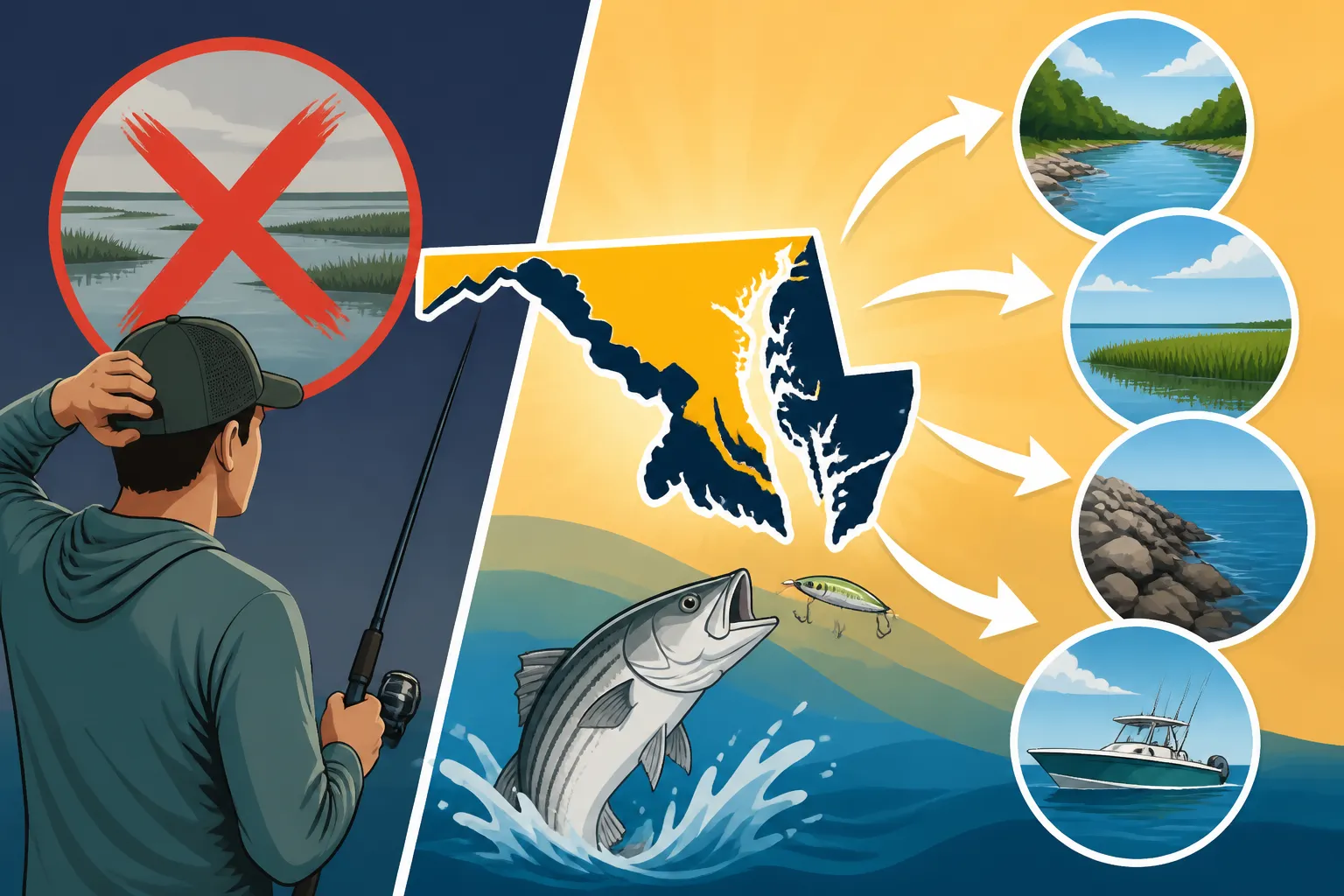
It's incredibly frustrating when you've got your heart set on fishing the famed Susquehanna Flats, only to find out that it's closed for a crucial period. Many anglers, especially those new to Maryland, discover this detail late in their planning, leaving them scrambling to find alternative spots. This guide will help you understand why the Flats close, and more importantly, where you can still find fantastic fishing opportunities across Maryland when this popular area is off-limits.
Understanding the Susquehanna Flats Closure and Its Impact
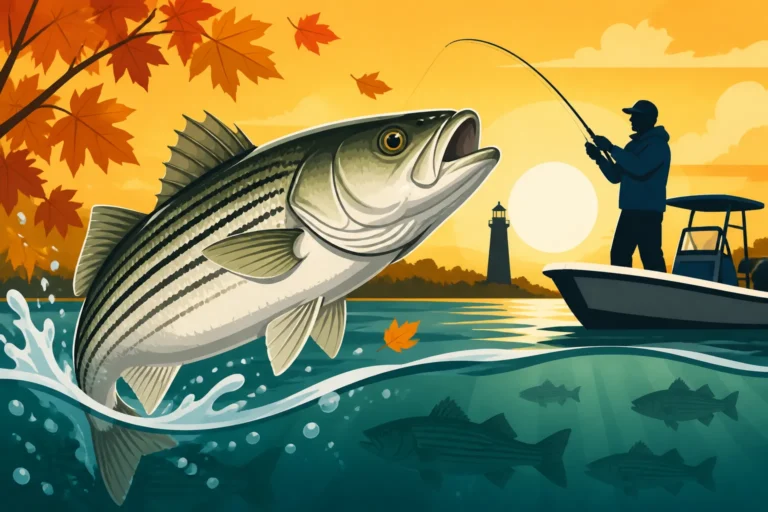
The Susquehanna Flats are legendary among Maryland anglers, particularly for the spring striped bass season. It's a vast, shallow area where the Susquehanna River meets the Chesapeake Bay, creating a nutrient-rich environment that becomes a critical spawning ground for various fish species, most notably the iconic striped bass, or rockfish as we call them here.
Why the Flats Close for Fishing
The closure of the Susquehanna Flats is primarily a conservation measure, specifically designed to protect spawning striped bass. Imagine thousands upon thousands of these magnificent fish converging in one relatively shallow area to reproduce. Without protection, they would be incredibly vulnerable to fishing pressure, which could severely impact future generations of striped bass. The Maryland Department of Natural Resources (DNR) implements these closures to ensure the fish can complete their spawning cycle undisturbed. It's a sacrifice in the short term for the long-term health of the fishery. Understanding this helps ease the sting of a closed season, knowing it's for the greater good. For more details on these regulations, check out the article on Maryland Striped Bass Season and Rockfish Rules.
What the Closure Means for Anglers
When the Susquehanna Flats are closed, it generally means no targeting or possessing striped bass within that specific area, which often includes a broader region around the river mouth. This can be a real bummer, especially for those who travel long distances. It also forces a shift in strategy. Instead of focusing solely on striped bass, anglers must either find other areas where rockfish season is open, or pivot entirely to different species and types of fishing. It's not just about knowing where to go, but also what to target. Often, the closure coincides with the peak of the spring spawning run, so if you were hoping for trophy rockfish, you'll need to adjust your expectations or seek out alternatives.
Productive Tidal Alternatives in the Upper Chesapeake Bay
Just because the Flats are closed doesn't mean the entire Upper Chesapeake Bay shuts down. There are still plenty of fantastic tidal fishing opportunities nearby, often within a short drive or boat ride. The key is knowing which areas remain open and what species are biting.
Fishing the Main Stem of the Upper Bay
While the Flats might be closed, the deeper channels and broader expanses of the Upper Chesapeake Bay often remain open for various types of fishing. This includes areas downstream from the Susquehanna River mouth, stretching south towards the Chesapeake Bay Bridge.
- Targeting Striped Bass (with caution): Depending on the specific regulations and timing, you might still be able to target striped bass in the main stem of the Upper Bay, adhering strictly to the current slot limits and catch rules. Anglers often find success jigging around structure like channel edges, bridge pilings, or submerged humps. Trolling can also be effective in deeper waters, using tandem rigs or umbrella rigs. Remember to consult the latest Maryland's DNR Fishing and Boating Guide, Explained for exact boundaries and legal fishing practices.
- Bottom Fishing for Other Species: Even when striped bass are off-limits or slow, the main Bay offers excellent bottom fishing. White perch are abundant and can be caught using small pieces of bloodworm or Fishbites on bottom rigs. Croaker and spot also make appearances, especially as the water warms. These species offer consistent action and are great table fare. You can often find a good selection of ready-to-use bottom rigs and bait accessories on Amazon to stock up for your trip.
- Key Spots: Areas around Havre de Grace, Elk Neck State Park, and even further south towards the mouths of the Northeast and Sassafras Rivers, can be productive. Look for depth changes, oyster reefs, or channel markers where fish tend to congregate.
Exploring Tributaries of the Upper Bay
Many rivers and creeks feed into the Upper Chesapeake Bay, and while some might have their own specific closures or regulations, many offer alternative fishing opportunities when the Susquehanna Flats are closed.
- Northeast River: This river, just to the east of the Susquehanna, is a popular spot. It offers good opportunities for white perch, yellow perch, and various catfish species. During spring, the yellow perch can put on a fantastic show. The shallower coves and docks are great for casting small spinners or jigs, while the deeper channels hold larger fish.
- Elk River: Similar to the Northeast, the Elk River provides a diverse fishery. It's known for its excellent largemouth bass fishing in its quieter coves, especially as the water warms. You can also find good numbers of white perch and channel catfish throughout the river system. If you're looking for a change of pace from striped bass, casting spinnerbaits or soft plastics for bass can be very rewarding.
- Sassafras River: Further south, the Sassafras River also holds a good population of white perch, yellow perch, and even some largemouth bass in its quieter sections. It's a beautiful river to explore, with plenty of public access points and boat ramps. When the Flats are packed or closed, these tributaries offer a more serene fishing experience. Don't forget to check if you need a specific Maryland Nontidal vs Tidal Fishing License, Explained depending on where exactly you plan to fish in these systems.
Exploring Maryland's Nontidal Waters for Year-Round Action
Sometimes, the best solution when tidal hotspots are closed is to completely pivot to Maryland's abundant nontidal waters. This means lakes, reservoirs, and freshwater rivers, which offer a completely different, but equally rewarding, fishing experience.
Freshwater Lakes and Reservoirs
Maryland boasts a fantastic network of freshwater lakes and reservoirs, many of which are brimming with diverse species and offer year-round fishing opportunities, regardless of what's happening in the Bay.
- Deep Creek Lake: Head west to Garrett County, and you'll find Deep Creek Lake, Maryland's largest freshwater lake. It's a haven for anglers targeting smallmouth bass, largemouth bass, walleye, northern pike, and a variety of panfish. The fishing here is a completely different ballgame from the Bay, requiring different techniques and gear. You can find excellent fishing guides for areas like Deep Creek Lake Fishing for Smallmouth Bass or Deep Creek Lake Fishing for Walleye that are very helpful.
- Central Maryland Reservoirs: Closer to the Baltimore/Washington metro area, reservoirs like Loch Raven, Liberty, and Prettyboy offer phenomenal fishing for largemouth bass, smallmouth bass, crappie, and even some trout. These waters are often overlooked by Bay anglers but can provide incredible action. Imagine a quiet morning chasing chunky largemouths on Loch Raven, far from the crowds of the Bay. A good set of fishing waders, which you can easily find on Amazon, would be perfect for accessing some of the shorelines here.
- Special Considerations: Remember that each reservoir often has its own specific rules and regulations regarding boating, motor sizes, and fishing limits, so always check with the local park service or DNR before heading out.
Freshwater Rivers and Streams
Beyond the large lakes, Maryland's rivers and streams offer an incredible variety of freshwater fishing, from serene trout streams to lively bass rivers.
- Potomac River: The Potomac River, particularly its nontidal sections in Western Maryland, is renowned for its smallmouth bass fishing. This is a completely different challenge than striped bass, offering exciting opportunities for wade fishing or floating in a kayak. Anglers here often use lightweight spinning gear or fly fishing setups. You'll find plenty of information on Fishing the Nontidal Upper Potomac for Smallmouth Bass.
- Trout Streams: If you're looking for a peaceful escape and the challenge of catching a beautiful cold-water fish, Maryland's trout streams are an excellent choice. Western Maryland has numerous designated trout waters, some of which are "put-and-take" and others "delayed harvest" or "catch-and-release" only. Places like the Gunpowder Falls or Savage River offer world-class fly fishing. Be sure to understand Maryland Trout Stamp Requirements and the Maryland Trout Season, Month by Month before you go.
- Invasive Species Hotspots: For those who love a challenge and want to help the ecosystem, certain nontidal rivers and even some tidal tributaries are excellent for targeting invasive species like Maryland Blue Catfish, an Invasive Giant and Northern Snakehead in Maryland Waters. These fish are aggressive, grow large, and often have no catch limits, making them a fun and rewarding target when other fisheries are restricted.
Essential Gear and Tactics for Alternative Spots
Switching from a striped bass focused trip on the Flats to an alternative location often means adapting your gear and tactics. Don't worry, you likely have much of what you need already, and a few additions can make a huge difference.
Gear Considerations
You don't need to break the bank to switch gears, but having the right tools for the job always helps.
- Versatile Rods and Reels: A medium-action spinning rod (6'6" to 7'6") paired with a 2500-4000 series reel is incredibly versatile. It can handle white perch, crappie, smallmouth bass, and even smaller catfish. Load it with 8-15 lb braided line for sensitivity and casting distance. If you're going for larger catfish or pike, a slightly heavier setup might be warranted. You can often find great value combos perfect for these situations on Amazon.
- Terminal Tackle Essentials:
- Bottom Rigs: Simple two-hook bottom rigs with 1-3 oz sinkers are perfect for white perch, spot, and croaker in tidal waters.
- Jig Heads: A variety of jig head weights (1/8 oz to 1 oz) and sizes (1/0 to 3/0 hook) will cover most soft plastic applications for bass, perch, and even smaller striped bass.
- Hooks: Bring an assortment of small (size 6-10) hooks for panfish and larger (2/0-5/0) circle hooks for catfish.
- Sinkers: An assortment of split shot, egg sinkers, and bank sinkers will be useful for various applications.
- Lures and Baits:
- Soft Plastics: Grubs, paddle tails, and curly tails in white, chartreuse, and natural colors are deadly for perch and bass.
- Spinners and Spoons: Small inline spinners (e.g., Mepps, Rooster Tail) and Kastmaster-style spoons are excellent for trout, perch, and smallmouth bass.
- Crankbaits and Jerkbaits: For largemouth and smallmouth bass, shallow to medium diving crankbaits and jerkbaits can be very effective.
- Live/Cut Bait: Bloodworms are king for white perch. Nightcrawlers work for many freshwater species. Cut bait (like chicken livers or fresh shad) is unbeatable for catfish.
Fishing Tactics for Alternative Species
Understanding how to approach different species in different environments will maximize your success.
- For White Perch: These feisty little fish are everywhere in Maryland's tidal waters. In the Upper Bay tributaries, look for them around docks, fallen trees, and channel edges. Small jigs tipped with Gulp! or pieces of bloodworm are irresistible. During their spring spawning runs, they move into shallower creeks. You can learn more about Fishing for Spring-Run White Perch in Maryland for optimal techniques.
- For Catfish: Whether you're targeting channel cats in a freshwater river or the invasive blue catfish in the Potomac, bottom fishing with strong tackle is key. Use a heavy enough sinker to hold your bait on the bottom, and a fresh, smelly bait like cut bait, chicken liver, or even hot dogs. Blue catfish especially can grow to enormous sizes, so don't skimp on your line strength. You can find excellent advice on Best Bait for Blue Catfish in Maryland Rivers.
- For Largemouth and Smallmouth Bass: In lakes and reservoirs, target submerged structure, weed lines, and fallen timber with soft plastics, crankbaits, or spinnerbaits. For river smallmouth, focus on current breaks, rocky areas, and ledges with tube jigs, small crankbaits, or topwater lures.
- For Northern Snakehead: These aggressive invasives are a blast to catch. Look for them in shallow, vegetated waters, especially in the tidal Potomac tributaries and certain Eastern Shore rivers. Topwater frogs and paddle-tail swimbaits are incredibly effective. When you hook one, be ready for a fight and remember the rules: Maryland Snakehead Fishing Rules state that you cannot release a live snakehead.
- For Trout: If you're hitting the trout streams, presentation is everything. Whether fly fishing or spin fishing, use light line and delicate presentations. Match the hatch if fly fishing, or use small spinners, spoons, or powerbait if spin fishing in put-and-take areas. Look for deeper pools, riffles, and undercut banks where trout hide.
Table: Alternative Fishing Spots When Susquehanna Flats Are Closed
| Location Type | Primary Target Species | Typical Fishing Method(s) | License Type | Best Time of Year (if different from Flats) |
|---|---|---|---|---|
| Upper Bay Main Stem | Striped Bass (seasonal), White Perch, Catfish | Jigging, Trolling, Bottom Fishing | Tidal | Varies by species, check regulations |
| Upper Bay Tributaries | White Perch, Yellow Perch, Largemouth Bass, Catfish | Casting small lures, Bottom Fishing | Tidal/Nontidal | Spring, Summer, Fall (perch runs in spring) |
| Deep Creek Lake | Smallmouth Bass, Walleye, Northern Pike, Panfish | Casting lures, Trolling, Jigging | Nontidal | Year-round, Ice Fishing in winter |
| Central MD Reservoirs | Largemouth Bass, Smallmouth Bass, Crappie, Trout | Casting lures, Finesse techniques | Nontidal | Spring, Summer, Fall |
| Nontidal Potomac River | Smallmouth Bass, Blue Catfish | Wade Fishing, Kayak Fishing, Bottom Rigging | Nontidal | Spring, Summer, Fall |
| Trout Streams | Rainbow Trout, Brown Trout | Fly Fishing, Spin Fishing | Nontidal + Trout Stamp | Spring stocking, Fall (delayed harvest) |
Even if your initial plans for the Susquehanna Flats get sidelined by closures, Maryland offers a phenomenal range of fishing experiences. With a little flexibility and an open mind, you can turn a potential disappointment into an exciting new adventure on the water.
Disclaimer
This article is for general informational purposes only and does not constitute professional advice. Laws, prices and regulations vary by location and change over time. Consult a qualified professional for guidance on your specific situation.