Fishing Around Maryland’s Spring Spawning River Closures
For many Maryland anglers, spring means one thing: striped bass, our beloved rockfish. But let's be real, those spring spawning river closures for striped bass can throw a wrench in your plans, leaving you wondering where you can actually wet a line without breaking the rules. It's frustrating when you're eager to get out, but don't worry, this guide is here to walk you through exactly how to navigate these regulations and find fantastic fishing opportunities all over Maryland, even when the spawning grounds are off-limits.
The Reality of Spring Striped Bass Spawning Closures
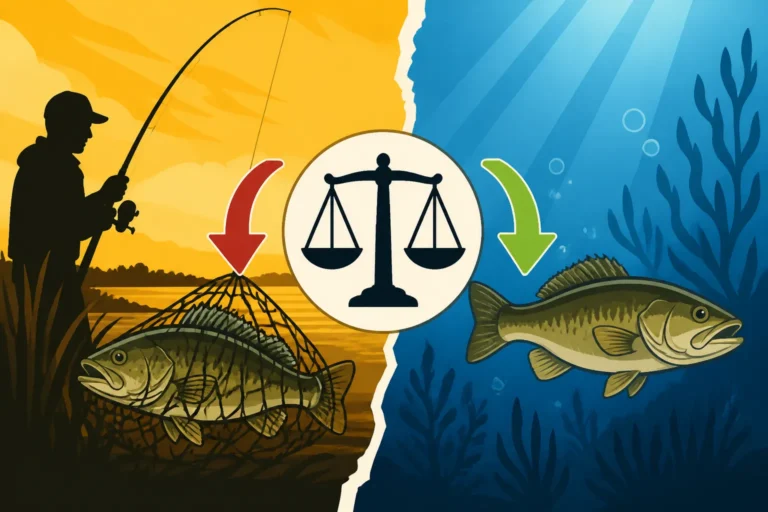
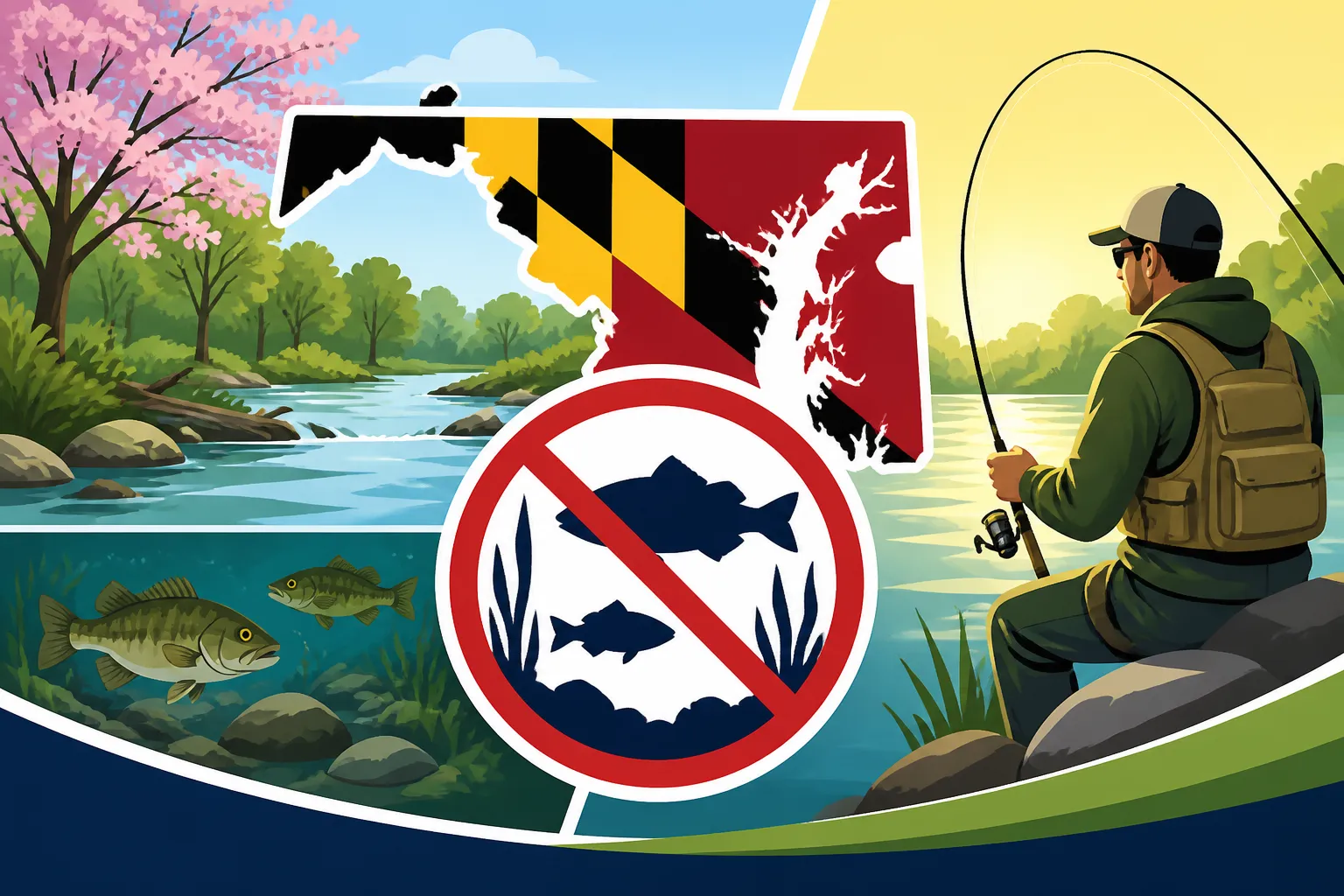
Each spring, a significant portion of Maryland's waterways closes to striped bass fishing, or becomes strictly catch-and-release, especially in the upper reaches of major tributaries. This isn't just a bureaucratic hurdle; it's a vital part of conserving our state fish. These closures are specifically designed to protect striped bass when they are most vulnerable – gathering to spawn. Understanding the why behind these rules can actually help you appreciate the where and how to fish during this critical time.
Why Maryland Protects Spawning Striped Bass
Imagine the striped bass making their long journey from the deeper parts of the Chesapeake Bay and the ocean, swimming upstream into the freshwater rivers and creeks where they were born. They're driven by instinct, focusing all their energy on reproduction. During this period, they're often concentrated, less wary, and easier to catch. If anglers were allowed to fish freely in these sensitive spawning areas, especially for harvest, it could severely impact the reproductive success of the entire population. Maryland’s Department of Natural Resources (DNR) implements these closures to give the striped bass the peace and protection they need to successfully lay and fertilize their eggs, ensuring future generations of rockfish for us all to enjoy. It's a long-term investment in our fishery. You can dive deeper into these specifics by checking out our guide on Maryland Spawning River Closures for Striped Bass.
Which Rivers Are Typically Closed and When
The specific rivers and their exact closure dates can vary slightly year to year, so always, always check the latest Maryland DNR fishing regulations. However, generally speaking, the upper reaches of major Chesapeake Bay tributaries like the Susquehanna River, the Choptank River, the Nanticoke River, the Patuxent River, and the Potomac River often have specific sections designated as "spawning sanctuaries" or "nursery areas." These areas typically become catch-and-release only, or entirely off-limits to any striped bass fishing, during the peak spring spawning period, usually from mid-March through early June. These closures aim to minimize disturbance to the fish during their most vulnerable period. For example, specific areas of the Susquehanna Flats are famously closed to striped bass fishing during this time, creating a vital sanctuary.
What "Catch and Release Only" Truly Means
Even in areas that remain open but transition to a "catch and release only" striped bass season, there are critical rules to follow. This isn't just about not keeping the fish; it's about minimizing harm to them. Often, during these periods, specific gear restrictions come into play, such as requiring the use of circle hooks when fishing with natural bait. Circle hooks are designed to hook fish in the corner of the mouth, reducing gut hooking and increasing the chances of survival for released fish. The goal is to allow anglers to still enjoy the thrill of catching a striped bass, but to do so with the utmost care for the fish's well-being, especially after their arduous spawning journey. It's about respecting the fish and giving them the best chance to recover and thrive. Learn more about Maryland Catch and Release Rules During Closed Seasons.
Where to Fish for Striped Bass During the Closures
Just because the spawning rivers are closed doesn't mean you have to hang up your striped bass rod! There are still fantastic opportunities to target rockfish in other parts of Maryland during the spring, including open Bay waters and the Atlantic Ocean. You just need to know where to look and what the local rules are.
Open Chesapeake Bay Waters for Trophy Rockfish
While the upper Bay tributaries are closed, the mainstem of the Chesapeake Bay often remains open for striped bass fishing, sometimes with specific size and catch limits that vary from the spawning river rules. This can be a prime time for targeting larger, post-spawn striped bass as they begin to disperse from the spawning grounds and move back into deeper, saltier waters. Many anglers head to the main channels, ledges, and structure points in the middle and lower Bay. Think areas around the Chesapeake Bay Bridge, the Eastern Shore main channels, or the mouth of the Patuxent River. These fish can be hungry after spawning, making for some exciting action. Trolling with large baits or jigging spoons are popular techniques in these deeper, open waters. Always consult the latest Maryland's Striped Bass Season Dates for specific regulations in these areas.
Navigating the Atlantic Ocean and Coastal Bays
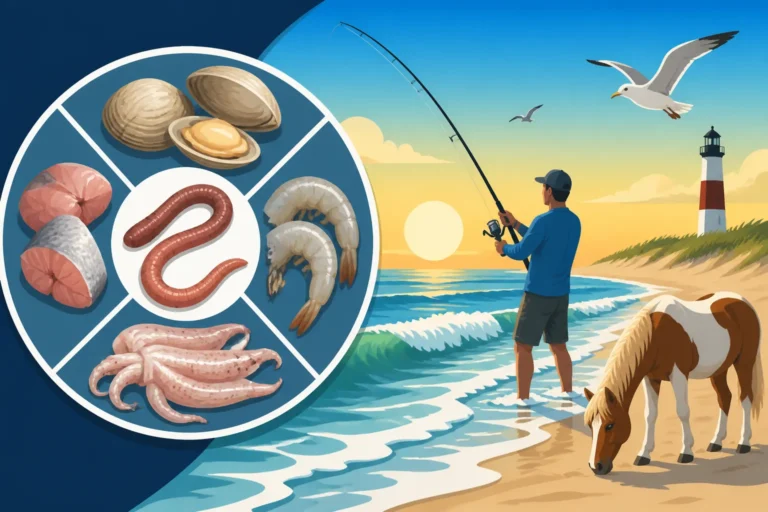
If you're on the Eastern Shore, the Atlantic Ocean and its coastal bays around Ocean City offer another fantastic option for striped bass during the spring. Ocean City's Inlet and the surf fishing along Assateague Island can produce some incredible action as migratory striped bass move along the coast. The rules for ocean fishing can be different from the Bay, so it's crucial to be aware of those specific regulations. You might find yourself casting from the jetties or surf fishing the beaches, hoping to intercept a big striper making its way north. These fish are typically strong fighters, providing a thrilling experience. And remember, a good pair of waders and a sturdy surf rod are your best friends here. You can often find reliable gear on Amazon to help you prepare for these conditions.
The Importance of Knowing Your Boundaries
This is perhaps the most critical aspect of fishing during spring closures. The boundaries between open and closed waters, or between catch-and-release and harvest zones, can sometimes be subtle, marked by specific points, bridges, or lines on a chart. Fishing accidentally in a closed area, or keeping a fish from a catch-and-release zone, can result in significant fines and penalties. Always carry a current copy of the Maryland fishing regulations, or have them readily accessible on your phone, and consult reliable charts or GPS to ensure you are in compliance. Ignorance of the law is not an excuse. Taking a few extra minutes to double-check your location can save you a lot of headache and protect the resource we all cherish.
Other Species to Target During Spring Closures
When striped bass fishing is restricted, it’s a perfect opportunity to explore the incredible diversity of other fish species Maryland has to offer. Don't limit yourself! The spring is prime time for many other types of fishing, both freshwater and saltwater.
Embracing Maryland's Abundant Freshwater Opportunities
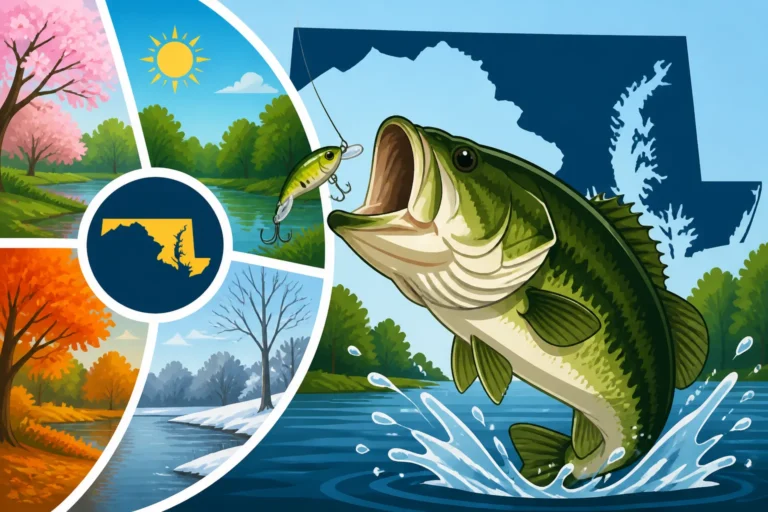
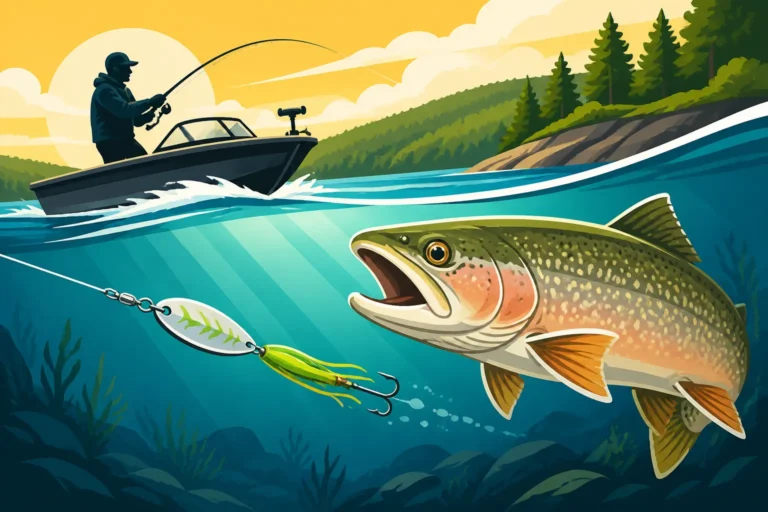
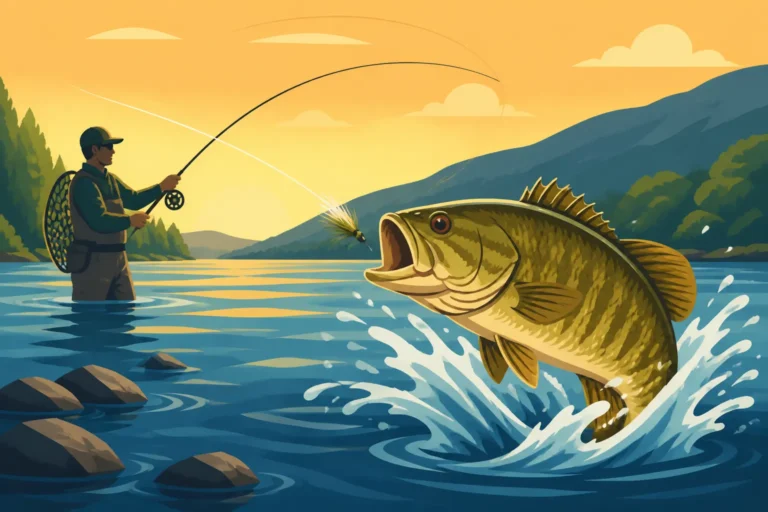
Maryland is blessed with a wealth of freshwater lakes, rivers, and ponds that are absolutely buzzing with activity in the spring. This is when species like largemouth bass, smallmouth bass, and various panfish really start to wake up and feed aggressively. Locations like Deep Creek Lake, Loch Raven Reservoir, and Liberty Reservoir are fantastic for largemouth bass, where they move into shallower water to spawn and feed. For smallmouth bass, the Upper Potomac River and the Susquehanna River offer world-class action. The spring trout stocking season also brings a fresh wave of trout into many of Maryland's streams and rivers, providing exciting opportunities, particularly in Western Maryland. Don't forget to understand the Maryland Nontidal vs Tidal Fishing License, Explained to ensure you have the correct permit for these waters.
Exploring Nontidal Rivers for Bass and Panfish
Beyond the big reservoirs, many of Maryland's nontidal rivers and creeks, even those that feed into the Chesapeake Bay, offer excellent fishing for bass, crappie, bluegill, and yellow perch. These smaller waterways are often less crowded than the main Bay and can provide a more intimate fishing experience. As the water warms, these species become very active. Crappie will be schooling up in submerged brush and timber, while bluegill and other sunfish will be eager to bite on small baits or flies. Fishing from shore, a kayak, or a small jon boat can be incredibly productive in these areas. It’s a great chance to hone your light tackle skills and enjoy some consistent action. You might even discover some hidden gems close to home.
Taking on Invasive Species Like Blue Catfish and Snakeheads
Spring is also an excellent time to target invasive species such as blue catfish and northern snakeheads. These species are present in many of Maryland's tidal rivers, including the Potomac River, the Choptank River, and the Nanticoke River. The great thing about fishing for invasives? There are often no size or creel limits, and anglers are actively encouraged to remove them from the ecosystem. This means you can keep as many as you can catch, and they're delicious! Blue catfish are powerful fighters and can grow to enormous sizes, offering a real challenge on heavy tackle. Northern snakeheads are incredibly aggressive predators that provide an exhilarating topwater bite. Learning the Maryland Blue Catfish Possession Rules and Maryland Snakehead Fishing Rules is key here – usually, the rule is to not release them alive back into the water. It’s a win-win: you help the environment and get to enjoy some fantastic fishing.
Spring Fishing Opportunities During Striped Bass Spawning Closures
| Fishing Location Category | Target Species | Typical Gear & Techniques | Key Considerations |
|---|---|---|---|
| Open Chesapeake Bay | Striped Bass | Trolling, Jigging, Live Lining (if allowed) | Check specific mainstem Bay regulations; often focuses on larger fish. |
| Atlantic Ocean / Coastal Bays | Striped Bass, Bluefish | Surf fishing, jetty fishing, trolling from boats | Ocean regulations may differ; strong currents. |
| Nontidal Lakes & Reservoirs | Largemouth Bass, Smallmouth Bass, Crappie, Bluegill, Walleye, Trout | Spinnerbaits, soft plastics, jigs, live bait (worms, minnows) | Requires a nontidal license; diverse opportunities. |
| Nontidal Rivers & Creeks | Largemouth Bass, Smallmouth Bass, Crappie, Panfish, Trout | Light tackle, fly fishing, small jigs, worms, crickets | Excellent for bank fishing or kayak/small boat; often catch and release for trout. |
| Tidal Rivers (for invasives) | Blue Catfish, Northern Snakehead | Heavy bottom rigs, cut bait for catfish; topwater frogs, plastics for snakehead | No limits on invasives; encouraged to remove. |
Essential Gear and Techniques for Spring Angling
Having the right gear and knowing the effective techniques are crucial for success when fishing around Maryland's spring spawning river closures. It's about adapting to the conditions and the species you're targeting.
Prepping Your Tackle for Diverse Spring Fishing
Spring weather in Maryland can be notoriously unpredictable, swinging from chilly mornings to warm, sunny afternoons, and the fish behave accordingly. This means your tackle bag should be versatile. For striped bass in the open Bay or ocean, you'll need sturdy rods and reels capable of handling larger fish and heavier lures or baits. Medium-heavy to heavy action rods with robust spinning or conventional reels spooled with 30-50 lb braid are a good start.
If you're shifting to freshwater for bass or panfish, lighter tackle is key. A medium-light to medium action spinning rod with 6-10 lb test monofilament or braid will be perfect for casting smaller lures and feeling subtle bites. Don't forget a net! It’s invaluable for landing fish safely, especially if you plan to practice catch and release. A good pair of polarized sunglasses is also a must-have for spotting structure or fish in clear water, and you can find many quality options on Amazon.
Effective Baits and Lures for Spring Success
The type of bait or lure you use will heavily depend on your target species. For spring striped bass in the open Bay, live spot, eels, or large plastic swimbaits and bucktails are often effective. When trolling, large umbrella rigs or Mojos can imitate schools of baitfish.
For largemouth bass, consider using crankbaits, spinnerbaits, or soft plastics like worms and jigs, especially around submerged cover and structure as they move shallow. Smallmouth bass in rivers often respond well to tubes, grubs, and small crankbaits that mimic crayfish or minnows.
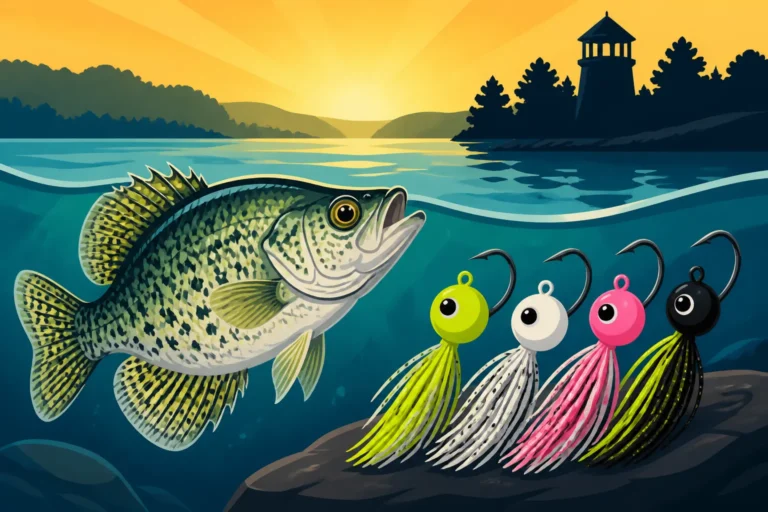
If you're chasing crappie or bluegill, tiny jigs (1/32 to 1/16 oz) tipped with a small plastic grub or minnow, or even just a simple worm under a bobber, will usually do the trick. For blue catfish, cut bait like fresh bunker, white perch, or even chicken liver fished on the bottom is almost irresistible. And for snakeheads, topwater frog lures or weedless soft plastic swimbaits fished in shallow, vegetated areas are incredibly exciting. Preparing a varied tackle box will ensure you're ready for whatever Maryland's spring waters throw at you.
Understanding Regulations Beyond Striped Bass
It's easy to get focused on the striped bass rules, but remember that other species also have their own specific regulations regarding size limits, creel limits, and even seasonal closures. For example, while striped bass might be catch-and-release in some areas, crappie or yellow perch could have daily bag limits that you need to adhere to. Maryland Fishing Size and Catch Limits by Species is a great resource to keep handy.
Trout fishing, particularly during the initial spring stockings, often has specific rules about gear, possession, and even "delayed harvest" sections where fish cannot be kept for a period. Always check the regulations for the specific body of water and species you plan to target. Being a responsible angler means understanding and following all the rules, not just the ones for our most popular fish. By staying informed, you not only avoid penalties but also contribute to the health and sustainability of Maryland's diverse fisheries.
Disclaimer
This article is for general informational purposes only and does not constitute professional advice. Laws, prices and regulations vary by location and change over time. Consult a qualified professional for guidance on your specific situation.