Best Time of Year to Catch Blue Catfish in Maryland
If you're an angler in Maryland, you've likely heard the buzz about blue catfish – they're everywhere, they're big, and honestly, sometimes they can feel a bit overwhelming given their invasive nature. But for those looking to target these hard-fighting fish, knowing when to go is just as crucial as knowing where. This guide will break down the best times of year to catch blue catfish in Maryland, giving you the insights you need to make your next trip a success.
Understanding Blue Catfish Behavior Throughout the Year
Blue catfish are incredibly adaptable, which is a big part of why they've spread so rapidly throughout Maryland's waterways. They're not like some of our native species that become elusive at certain times; blue cats are almost always active. However, their patterns, preferred depths, and feeding intensity do shift with the seasons, making certain periods far more productive for anglers. You can catch them year-round, but understanding these nuances will significantly increase your odds.
Seasonal Movements and Feeding Habits
Think of blue catfish as opportunistic predators with a serious appetite. Their movements are largely dictated by water temperature and the availability of food, which, in Maryland's diverse river systems, is pretty constant. In the colder months, they tend to congregate in deeper channels, conserving energy and ambushing prey that drifts by. As water temperatures rise, they become much more active, spreading out into shallower flats, creek mouths, and even areas with structure like submerged timber or bridge pilings. They're constantly on the hunt for anything from smaller fish like shad and herring to mussels, crabs, and even detritus. This aggressive feeding behavior is what makes them such a fun, albeit challenging, target.
Water Temperature's Impact on Activity
Water temperature is arguably the single most important factor influencing blue catfish activity. When the water is cold, say below 50 degrees Fahrenheit, their metabolism slows down significantly. They'll still eat, but they won't chase bait as aggressively, and you'll typically find them in deeper, more stable temperature zones. As the water warms into the 60s and 70s, their metabolism kicks into high gear. This is when they become incredibly active, roaming widely and feeding voraciously. This period often coincides with the availability of forage fish, which also become more active in warmer water, creating a perfect storm for hungry blue catfish. You’ll notice their activity can be almost non-stop once the water hits that sweet spot, leading to some truly epic fishing days.
Peak Seasons for Targeting Blue Catfish in Maryland
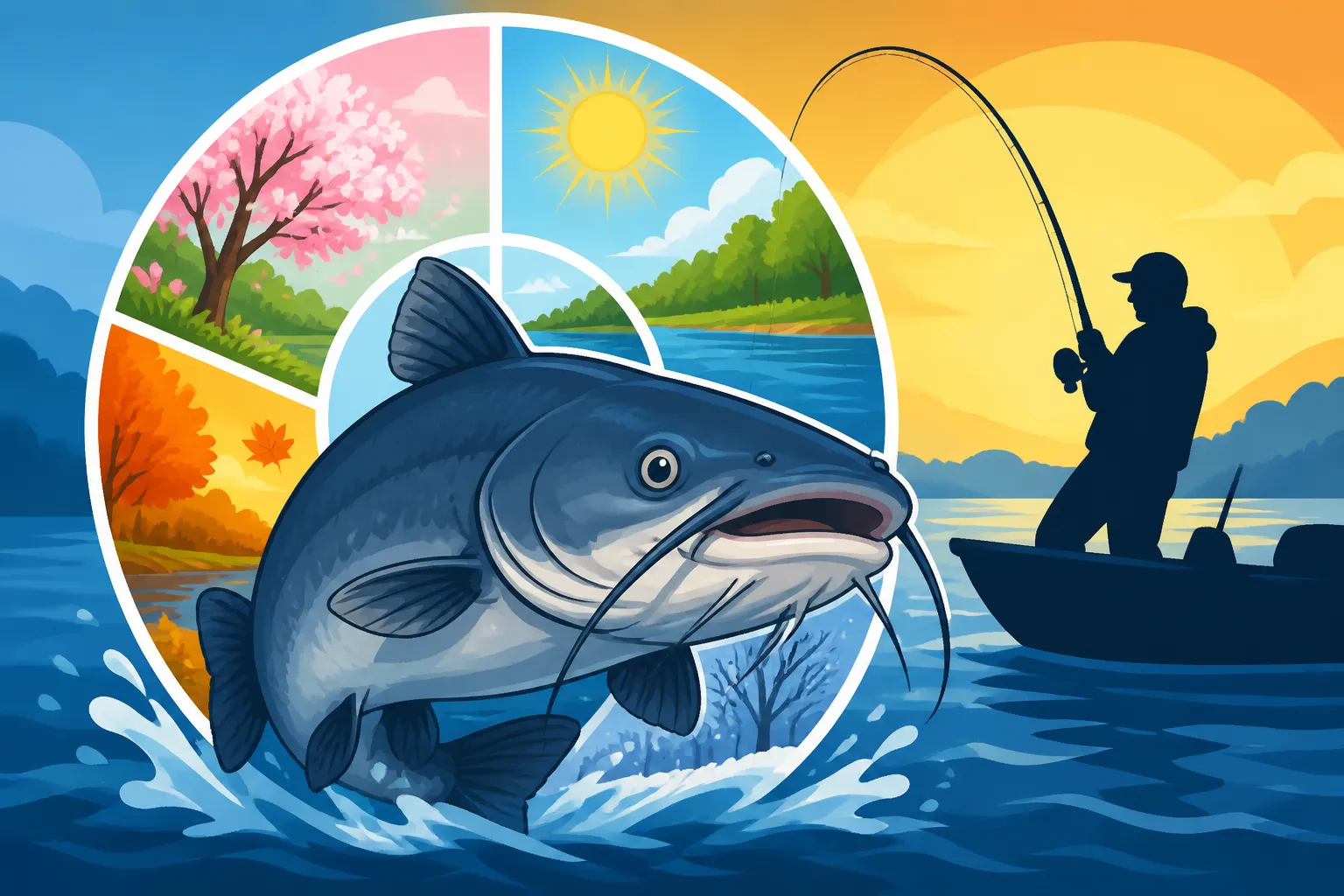
While blue catfish are available year-round in Maryland, certain seasons truly stand out for their productivity and the sheer size of the fish you might encounter. If you're looking for the absolute best time to catch blue catfish in Maryland, you'll want to pay close attention to the spring and fall. These periods offer a fantastic combination of active fish and comfortable weather for anglers.
Spring Aggression: Post-Spawn Feast
Spring, particularly from late March through May, is often considered one of the prime times for blue catfish. After the long, colder winter, their metabolism is ramping up, and they're looking to pack on pounds. They'll also go through their spawning ritual, typically when water temperatures are in the mid-70s. Immediately following this spawn, blue catfish enter a phase of intense feeding, often referred to as a "post-spawn feast." They're recovering energy, and they're not picky.
During this spring period, you'll find them moving into shallower areas of the rivers and tributaries, especially near spawning grounds of other fish like shad and herring. These forage fish provide an easy, abundant food source. Anglers often find success by anchoring in shallower channel bends or near flats where schools of baitfish are present. The fish are aggressive, making them more willing to strike a variety of baits. This is a fantastic time to connect with some truly massive blue catfish that are actively hunting.
Summer Sustained Activity: From Shallower to Deeper Waters
Summer fishing for blue catfish in Maryland can be excellent, though it requires a bit more strategic thinking as water temperatures climb. In the early morning and late evening, especially when the sun is low, blue cats will often push into shallower flats and creek mouths to feed. As the day progresses and the sun beats down, heating up the shallower water, they tend to retreat to deeper, cooler channels, holes, and ledges. They're still feeding aggressively, but their locations become more predictable and concentrated in these cooler thermal refuges.
You might also find them congregated around areas with strong current or submerged structures like bridge pilings or even fallen trees, which offer ambush points and shade. Understanding the daily migration pattern – shallow early/late, deep midday – is key to consistent summer success. Many anglers targeting blue catfish in Maryland rivers like the Potomac for blue catfish will adapt their techniques to match these shifts, moving from anchoring in shallower spots to drifting deeper sections as the day heats up.
Fall Feast: Pre-Winter Preparations
As the oppressive summer heat begins to wane and water temperatures gradually cool, blue catfish enter another period of intense feeding, making fall an incredibly productive season. From late September through November, these fish are engaged in a pre-winter feeding frenzy, trying to store up fat reserves for the colder months ahead. This makes them exceptionally aggressive and eager to strike.
During the fall, blue cats often follow baitfish schools that are also moving in preparation for winter. You'll find them spread out in river channels, creek mouths, and even on flats, as the water temperature becomes more consistent throughout the water column. The fishing can be phenomenal, with many anglers reporting their biggest catches of the year during this period. The comfortable weather for anglers is an added bonus, making it one of the most enjoyable times to be out on the water. For anyone wondering the best time of year to catch blue catfish in Maryland, fall is definitely a top contender.
Winter Persistence: Slow and Steady
Don't let the cold weather deter you; you can absolutely catch blue catfish in Maryland during the winter months, typically from December through February. However, it's a different game. Their metabolism slows considerably, and they become much less active. Instead of actively hunting, they tend to hold in the deepest, warmest pockets of the river, often in major channel bends, deep holes, or near power plant discharges where water temperatures are slightly elevated.
The key to winter success is presenting your bait slowly and directly to them. They're not going to chase much, so your bait needs to be practically dropped on their nose. While you might not get as many bites as in spring or fall, the fish you do hook can often be some of the largest, as the big, old blue cats are more resilient to the cold and hold in these prime wintering spots. This is a time for patience and precision, but the rewards can be well worth the effort.
Location, Location, Location: Where to Find Them Seasonally
Knowing when to fish is only half the battle; knowing where blue catfish prefer to be during those seasons is equally vital. Their preference for certain habitats shifts throughout the year, driven by temperature, current, and food availability. Maryland boasts several fantastic waterways teeming with blue catfish, and understanding their seasonal movements within these systems will put you squarely on the fish.
Rivers and Tributaries
Maryland's major river systems are the undisputed champions for blue catfish, especially the Potomac River, the Nanticoke River, and the Choptank River. These waterways offer a wide range of habitats that blue catfish thrive in.
- Spring: In spring, look for blue catfish moving up into shallower tributaries and creek mouths where other fish are spawning. They'll also be found on the edges of main river channels, especially where there's a good current seam. Focus on depths of 10-25 feet, often near structure. The tidal Potomac River, particularly in areas like Fort Washington or Fletcher's Cove, becomes a hotspot. Learning about the Best Spots to Catch Blue Catfish on the Potomac can significantly boost your success during this time.
- Summer: As summer progresses, blue cats will utilize deeper holes, humps, and ledges in the main river channels during the day to escape the heat. They'll venture onto adjacent flats in low-light conditions. Focus on depths of 20-50 feet, especially near sharp drops or submerged cover. Think about anchor fishing in the deeper bends of the Choptank River or drifting bait along the channel edges of the Nanticoke.
- Fall: Fall sees blue catfish spreading out more widely across the river systems, actively feeding across flats, channel edges, and creek mouths. They're trying to fatten up, so they'll be wherever baitfish are abundant. Depths similar to spring (10-30 feet) are often productive, but don't hesitate to check deeper areas too. The mid to lower sections of the Nanticoke and Choptank rivers are excellent choices, offering diverse bottom structures.
- Winter: During winter, blue catfish consolidate into the deepest, most stable temperature zones. Target major river channels, deep scour holes, and areas downstream from power plant discharges. Depths can range from 30 to over 70 feet. The lower Potomac River and the deeper sections of the Chesapeake Bay tributaries are key areas. Patience is paramount, as bites will be less frequent but often from larger fish.
Reservoir and Lake Dynamics
While not as prevalent as in the tidal rivers, blue catfish do exist in some of Maryland's larger reservoirs, though often in smaller populations compared to their riverine counterparts. Understanding the Best Lakes in Maryland for Freshwater Fishing can give you a clue where to start. For example, the upper Chesapeake Bay reservoirs like Conowingo Pool might hold them, though channel catfish are more common.
The principles remain similar:
- Warm Water: In warmer months, blue cats in reservoirs will relate to deeper creek channels, submerged timber, and main lake points, especially early and late in the day.
- Cold Water: In colder periods, they'll move to the deepest basins and channels of the reservoir, similar to their riverine winter behavior.
Reservoir fishing for blue catfish can be more challenging due to their potentially lower densities and the vastness of the water, but if you enjoy the hunt, it can be rewarding.
Gear and Bait Considerations by Season
Successfully landing a big blue catfish isn't just about being in the right place at the right time; it's also about having the right tools for the job. Blue catfish are powerful, and they can grow to immense sizes in Maryland, so your gear needs to be up to the task. What works best can also subtly change with the seasons, reflecting their activity levels and preferred feeding zones.
Rods, Reels, and Line for Big Cats
When you're chasing Maryland's blue catfish, especially the trophy-sized ones that can easily top 50 pounds, you're going to need heavy-duty tackle. This isn't the time for finesse fishing!
- Rods: Look for stout, medium-heavy to heavy-action catfish rods, typically 7 to 9 feet long. The extra length helps with casting heavier baits and keeping big fish away from obstacles. Brands like Ugly Stik or Catfish Pro make excellent, durable rods that can handle the abuse. You'll want a rod with plenty of backbone to muscle a big cat out of strong currents or snags.
- Reels: A robust baitcasting reel is preferred for blue catfishing. Look for reels with a strong drag system and a high line capacity. Abu Garcia Ambassadeur reels or Penn Squall models are popular choices that can stand up to the fight. You need something that won't give out when that 40-pounder decides to make a run.
- Line: Monofilament line in the 30-50 pound test range is a good all-around choice. Its stretch provides a bit of shock absorption, which can be crucial when a big cat makes a sudden surge. Some anglers prefer braided line (50-80 pound test) for its sensitivity and incredible strength, especially when fishing in heavy current or around snags. If using braid, consider a monofilament or fluorocarbon leader to provide some stretch and abrasion resistance. Remember, blue cats have abrasive mouths, so leaders are a good idea. You can find a wide selection of robust lines on Amazon to suit your preferences.
The All-Important Bait Selection
Blue catfish are primarily scavengers and opportunistic predators, which means they're not too picky. However, some baits are far more effective than others, and even their preferences can shift slightly with the seasons.
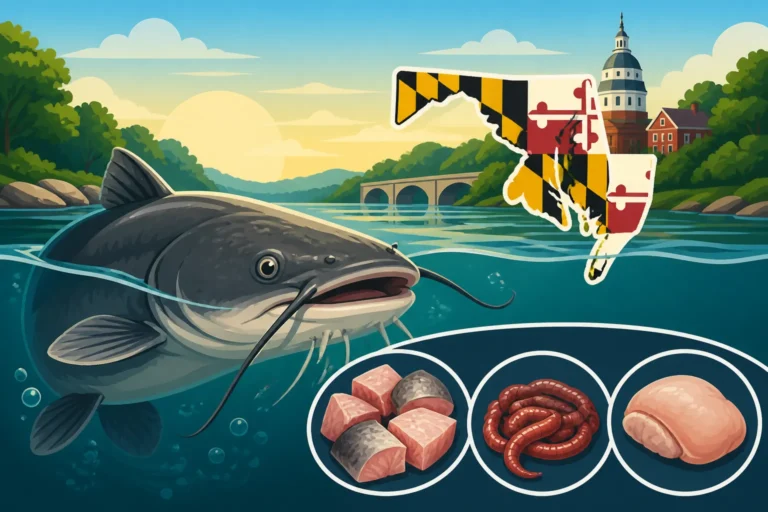
- Cut Bait: This is the undisputed king of blue catfish baits. Fresh, oily cut bait is incredibly effective. The best options in Maryland include fresh gizzard shad, menhaden (bunker), herring, or even white perch. Cut them into 1-3 inch chunks, depending on the size of the fish you're targeting. The oil and scent attract blue cats from a distance.
- Seasonal Tip: In spring and fall, when fish are actively feeding, slightly larger chunks can entice bigger bites. In summer, fresh cut bait is still king, but smaller pieces might work if the fish are slightly less aggressive in the heat. In winter, using a fresh, pungent cut bait is essential, as the fish are relying heavily on scent.
- Live Bait: While cut bait is often preferred, live bait like small panfish (bluegill, crappie, white perch) or small gizzard shad can also be highly effective, especially for targeting trophy fish. Just be sure to check Maryland's regulations regarding the use of live bait and what species are legal.
- Prepared Baits: Stink baits and commercial dough baits can work, especially for smaller blue catfish, but they are generally less effective for the larger, trophy-sized fish found in Maryland's rivers.
- Rigging: A standard "Carolina Rig" or "Santee Cooper Rig" is popular for blue catfish. This involves a heavy sinker (2-8 ounces, depending on current) above a swivel, followed by a leader (1-3 feet of heavy mono or fluorocarbon) and a strong, sharp circle hook (sizes 5/0 to 10/0, again depending on bait and target fish size). The circle hook is excellent for promoting lip hooks and reducing gut hooking, which is important for fish you might release. If you're building your tackle box, you'll find plenty of reliable circle hooks and sinkers on Amazon.
| Season | Blue Catfish Activity Level | Preferred Location (General) | Recommended Bait | Key Technique |
|---|---|---|---|---|
| Spring | Very High (Post-spawn feast) | Shallower channels, creek mouths, flats near baitfish | Fresh cut shad, herring, white perch (chunks) | Anchoring, targeting current seams and structure |
| Summer | High (Sustained feeding) | Deeper channels, holes, ledges (day); shallower flats (night/low light) | Fresh cut bait, live small panfish | Anchoring in deep, drifting shallower in low light |
| Fall | Very High (Pre-winter feast) | River channels, flats, creek mouths, following bait | Fresh cut shad, menhaden (larger chunks) | Anchoring, drifting channel edges, seeking bait schools |
| Winter | Moderate (Slowed metabolism) | Deepest holes, channel bends, thermal refuges | Fresh, pungent cut bait | Still fishing, presenting bait directly and slowly |
Disclaimer
Please note: Fishing regulations, including size and catch limits, seasons, and licensing requirements, are subject to change. Always consult the latest Maryland Department of Natural Resources (DNR) rules and regulations before heading out on the water. This guide is for informational purposes only and does not supersede official government regulations.