Fishing Deep Creek Lake for Walleye
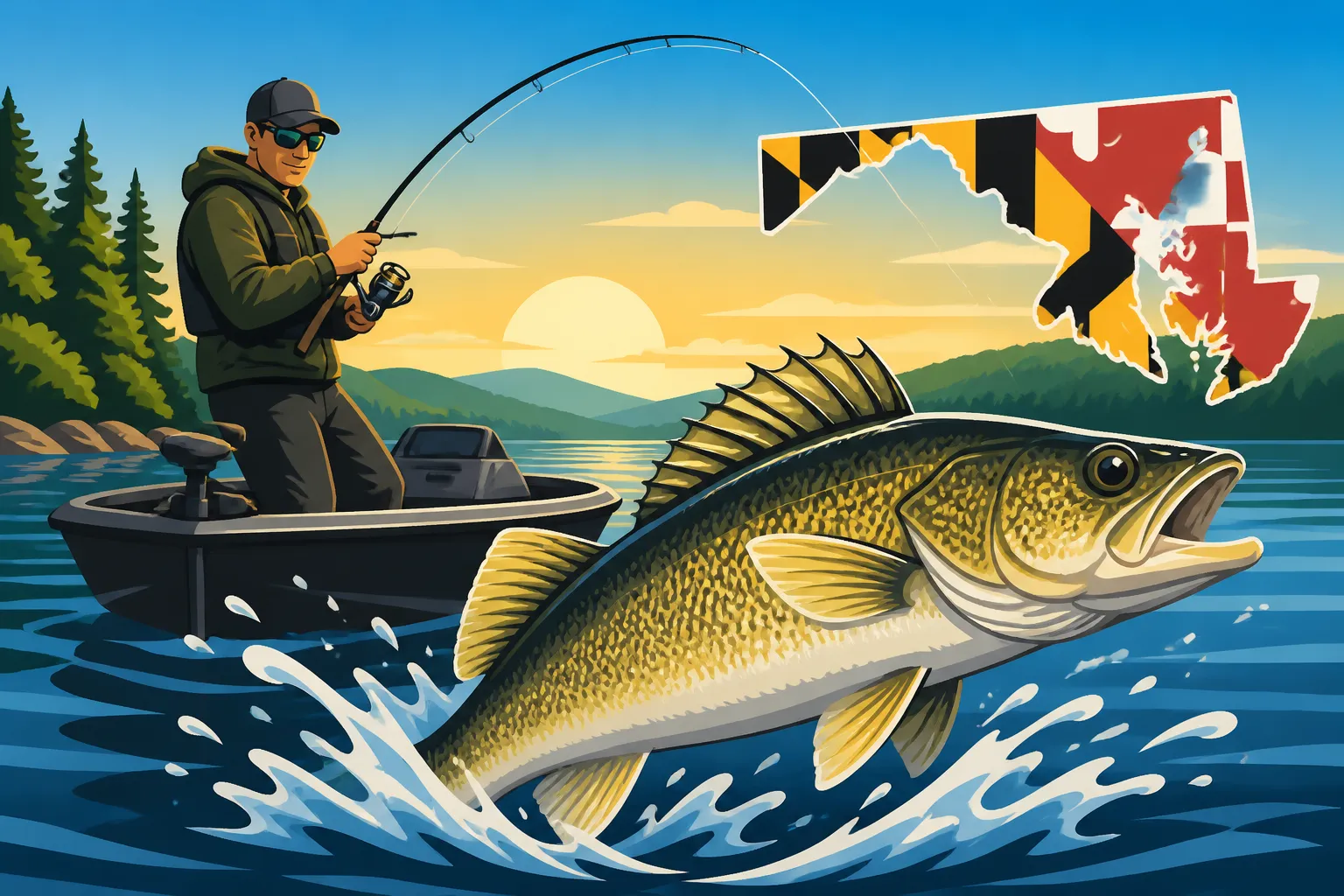
For anglers hoping to tangle with some of Maryland's most elusive and rewarding freshwater catches, the pursuit of walleye in Deep Creek Lake can sometimes feel like chasing a ghost. Many folks head to Deep Creek, hoping to land a trophy walleye, only to be met with frustration because these fish are notoriously finicky and inhabit specific parts of the lake. This comprehensive guide is here to unravel the mysteries of walleye fishing in Deep Creek Lake, offering proven strategies and local insights to help you put more of these sought-after fish in your net.
Why Deep Creek Lake is Maryland's Walleye Gem
Deep Creek Lake, nestled in the mountains of Garrett County, stands out as Maryland's premier walleye fishery. It's not just a beautiful spot; its unique characteristics make it an ideal habitat for these cool-water predators, attracting anglers from all over who are serious about catching walleye.
Understanding Walleye Habitat in Deep Creek
Walleye are specific about their living conditions, preferring deep, clear, cool waters with plenty of structure and a good forage base. Deep Creek Lake ticks all these boxes, and then some. This sprawling reservoir, Maryland's largest freshwater lake, boasts impressive depths, reaching over 70 feet in some areas. This deep water provides crucial thermal refuge for walleye during the warmer summer months when shallower areas become too hot for their comfort.
But it's not just about depth; the lake's bottom composition is also a major draw. You'll find a mix of rocky outcrops, gravel beds, and scattered timber, all of which provide excellent cover and ambush points for walleye. They love to hide near these structures, waiting for unsuspecting baitfish to swim by. The clarity of the water is another key factor. While walleye have excellent low-light vision, allowing them to feed effectively at dawn, dusk, and even at night, they also thrive in clear water where they can stalk their prey visually. The often clear waters of Deep Creek Lake offer them this advantage. Understanding these preferences is the first step in successful walleye angling.
Lake Characteristics Favoring Walleye Growth
Deep Creek Lake's environment isn't just suitable for walleye survival; it actively promotes their growth and healthy populations. The lake supports a robust ecosystem, featuring an abundance of baitfish like yellow perch, alewives, and various minnow species. These forage fish provide a steady and nutritious diet, allowing walleye to grow to impressive sizes. It’s not uncommon to hear tales of walleye pushing well over the 20-inch mark, and even some that approach or exceed the state record, although those are truly special catches.
The cooler water temperatures, especially in the deeper sections, contribute to the walleye's metabolic rate, which can influence their feeding patterns and overall health. Furthermore, the Maryland Department of Natural Resources (DNR) has actively managed the walleye population through stocking efforts, ensuring a consistent supply of fish for anglers to pursue. This thoughtful management, combined with the natural bounty of the lake, makes Deep Creek Lake an outstanding destination for anyone specifically interested in Walleye Fishing at Deep Creek Lake, Maryland. It's a place where the conditions are just right for these elusive fish to thrive, offering a genuinely rewarding challenge for dedicated anglers.
Best Times and Seasons for Deep Creek Walleye
Timing is everything when it comes to walleye fishing, and Deep Creek Lake is no exception. Understanding the seasonal movements and feeding behaviors of walleye will dramatically increase your chances of success. Each season presents unique opportunities and challenges.
Spring Spawning Runs
As the ice retreats and water temperatures begin to climb in early spring, walleye in Deep Creek Lake start to stir from their winter dormancy, preparing for their annual spawning ritual. This is often one of the most anticipated times for walleye anglers, as the fish become more concentrated and aggressive. Walleye typically spawn when water temperatures hit the mid-40s to low 50s Fahrenheit, usually around late March through April, depending on the year's weather. They'll move into shallower, rocky areas, often near inlets or along shorelines with gravel bottoms, to lay their eggs.
During this pre-spawn and spawn period, walleye are often found in relatively shallower water than other times of the year. Targeting these areas with slow-moving baits like jigs tipped with minnows or soft plastics can be incredibly effective. However, it's crucial to be mindful of regulations during this sensitive time. While specific spawning river closures for striped bass are common in the Bay, walleye in Deep Creek may have their own unique, localized considerations, so always double-check the latest Maryland DNR fishing guide for any specific Deep Creek Lake walleye regulations, especially concerning potential spawning area restrictions. Being ethical and informed about the fish's biology during this critical period ensures a healthy fishery for years to come.
Summer Deep Water Tactics
Once the spring spawn is over and the lake warms up, Deep Creek walleye retreat to the cooler, deeper parts of the lake. This is where your electronics become your best friend. Look for them holding along deep breaks, humps, submerged points, and channel edges, often in depths ranging from 20 to 50 feet or more. They'll often suspend over these depths, or hug the bottom near subtle structural changes.
Summer walleye fishing often involves vertical jigging, drop-shotting, or trolling. Trolling crankbaits or spinner rigs with nightcrawlers can cover a lot of water and entice bites from scattered fish. Pay close attention to your depth finder; finding schools of baitfish is often key, as walleye will be nearby. The best time of day for summer walleye often shifts to early mornings, late evenings, and even into the night, as these low-light conditions make them more active and less wary.
Fall Feeding Frenzy
Autumn brings another fantastic opportunity for Deep Creek walleye. As water temperatures start to cool down, walleye become incredibly active, feeding aggressively to build up fat reserves for the coming winter. This "fall feeding frenzy" can make for some epic fishing days. The fish often move shallower than their summer haunts but might still be found along deeper edges and structures as they follow baitfish.
Trolling is still a highly effective method, but don't overlook casting crankbaits or jigging spoons in transition areas. Walleye can be found in a wider range of depths during the fall, from 15 to 40 feet, depending on baitfish movements and weather patterns. Focus on areas where baitfish are abundant, especially during cloudy days or low-light conditions when walleye are most likely to be on the prowl. This is a prime time to land some of the lake's larger individuals.
Winter Ice Fishing Opportunities
Deep Creek Lake truly shines in the winter for those brave enough to embrace the cold. When the lake freezes over, it offers some fantastic ice fishing for walleye, providing a unique challenge and a peaceful fishing experience. Typically, safe ice conditions emerge by late December or early January and can last through February, though this varies greatly with weather conditions. It's imperative to prioritize safety and never venture onto unsafe ice; How Thick Does Ice Get at Deep Creek Lake? is a question every ice angler should consider carefully.
For Ice Fishing at Deep Creek Lake, Maryland, focus on areas with sharp drop-offs, humps, and points, similar to where you'd find them in summer, but now accessible directly through the ice. Jigging spoons, small crankbaits, or even live minnows fished under a bobber are popular choices. Walleye often bite best during low-light hours or even at night through the ice. Having a portable shelter and a good heater can make the experience much more enjoyable, especially when waiting for those subtle walleye bites.
| Season | Typical Water Temp Range | Primary Locations | Recommended Techniques | Key Baits/Lures |
|---|---|---|---|---|
| Spring (Pre/Post Spawn) | 45-55°F | Shallow rocky banks, inlets, gravel beds | Jigging, slow trolling | Live minnows, soft plastics, shallow crankbaits |
| Summer | 60-75°F | Deep breaks, humps, submerged points (20-50+ ft) | Trolling, vertical jigging, drop-shotting | Deep-diving crankbaits, crawler harnesses, spoons, live nightcrawlers |
| Fall | 50-65°F | Transition areas, deeper edges, points (15-40 ft) | Trolling, casting, jigging | Medium-diving crankbaits, lipless crankbaits, jigging spoons, live minnows |
| Winter (Ice Fishing) | 32-38°F | Deep breaks, humps, points (through ice) | Vertical jigging, dead sticking | Small jigging spoons, blade baits, live minnows |
Essential Walleye Fishing Techniques for Deep Creek
Successfully targeting walleye in Deep Creek Lake often comes down to mastering a few core techniques that allow you to cover water, present baits effectively, and entice these notoriously cautious fish.
Trolling Strategies for Covering Water
Trolling is arguably one of the most effective ways to find and catch walleye in Deep Creek Lake, especially when the fish are scattered or holding over vast areas. It allows you to cover significant amounts of water, presenting your bait to numerous fish until you dial into their preferred depth and location. The key to successful trolling is precise speed control and understanding how your lure performs at different speeds. Walleye often prefer slower presentations, so a trolling speed between 1.0 and 2.5 mph is a good starting point, but always be prepared to adjust.
When trolling, consider using planer boards to spread your lines out, preventing tangles and allowing you to cover a wider swath of water. This is particularly useful in clear waters where walleye can be boat-shy. Deep-diving crankbaits are a staple, often matched to the forage in the lake like alewives or perch. Experiment with different colors and sizes until you find what the fish are hitting. Another popular and effective trolling setup involves a crawler harness (spinner rig with a nightcrawler) behind a bottom bouncer or a small weight. This allows you to present live bait right in the strike zone, especially when walleye are hugging the bottom. Keep an eye on your fish finder, not just for fish, but for changes in depth, bottom composition, and baitfish schools – these are often the prime areas to focus your trolling efforts. For more detailed insights on how to get them to bite, check out specific Techniques for Catching Walleye at Deep Creek Lake.
Jigging and Vertical Presentation
When walleye are concentrated in specific areas, such as over deep humps, along structure, or within schools of baitfish, vertical jigging can be devastatingly effective. This technique involves positioning your boat directly over the fish you're targeting and dropping a jig or lure straight down. The goal is to present the bait right in front of the fish's nose, often with subtle movements that mimic a struggling baitfish. Your electronics are absolutely crucial here; you need to be able to mark the fish and your lure to know you're presenting it correctly.
Popular jigging baits include bucktail jigs, blade baits, jigging spoons, and soft plastics rigged on a leadhead jig. The retrieve is usually a series of lifts and drops, with pauses in between. Sometimes a slow, steady lift is best, while other times a sharp snap followed by a free fall triggers the strike. Adding a live minnow or a piece of nightcrawler to your jig can also significantly improve your bite ratio, especially on tougher days. It's a hands-on technique that requires sensitivity to detect subtle bites, but the reward of a solid walleye strike on a jig is hard to beat.
Shore and Kayak Fishing Approaches
While Deep Creek Lake is famous for its boat fishing, you don't necessarily need a large vessel to find walleye. Shore and kayak anglers can absolutely get in on the action, especially during the spring and fall, or by targeting specific accessible areas.
For shore anglers, early spring is prime time when walleye move closer to shore for spawning. Focus on accessible rocky points, gravel banks, and areas near stream inlets. Casting jerkbaits, swimbaits, or jigs tipped with minnows during low-light conditions (dawn, dusk, or even at night) can be very productive. Areas around public access points, bridges, or causeways can also be good bets, as these often have structure and deeper water within casting range.
Kayak anglers have the advantage of stealth and access to areas larger boats might struggle with. They can silently approach shallow spawning flats in spring or navigate closer to deep shorelines and submerged timber. Trolling smaller crankbaits or spinner rigs from a kayak along drop-offs is effective, as is casting jigs or stickbaits to structure. Just be sure to prioritize safety, especially on a large lake like Deep Creek, and be aware of boat traffic. Investing in a good fish finder for your kayak can make a huge difference, allowing you to locate those deeper walleye effectively. Whether you’re on shore or in a kayak, understanding the daily movements of walleye relative to light and structure is key to finding success.
Top Baits and Lures for Deep Creek Walleye
Picking the right bait or lure can make all the difference when chasing Deep Creek Lake walleye. These fish can be particular, so having a versatile tackle box is essential.
Live Bait Choices That Produce
When all else fails, live bait is often the ace up a walleye angler's sleeve. Nothing quite mimics the natural movement and scent of a real meal, making it incredibly enticing to a hungry walleye.
- Minnows: Hands down, shiner or fathead minnows are a walleye staple. They can be fished in countless ways:
- Under a bobber: Effective in shallower areas or over submerged structure, allowing the minnow to swim naturally.
- On a jig: Tipping a jig with a minnow adds scent, profile, and an irresistible wiggle. This is deadly for vertical jigging or slow retrieving.
- On a slip sinker rig (Carolina rig): Great for fishing the bottom in deeper water, allowing the minnow to move freely with the current.
- Nightcrawlers: These long, juicy worms are another walleye favorite, especially when fished on a spinner rig (often called a "crawler harness"). The spinner creates flash and vibration, while the nightcrawler provides scent and bulk. They're excellent for trolling or drift fishing.
- Leeches: Less common in Deep Creek than in some other walleye fisheries, but large leeches can still be a fantastic bait, especially when fished under a bobber or on a jig. They are incredibly durable and active in the water.
When using live bait, always use fresh, lively bait. Walleye can be finicky, and a sluggish minnow or worm might get ignored. Hook your bait correctly to keep it active and maximize its natural presentation, and consider a bait cooler to keep them vigorous throughout your trip.
Artificial Lures That Get Bites
Beyond live bait, a variety of artificial lures consistently trick Deep Creek walleye. The key is to match the hatch, consider the depth you're fishing, and experiment with colors.
- Crankbaits: These are essential, especially for trolling.
- Deep-diving crankbaits: When walleye are holding in 20-50+ feet, lures like Rapala Down Deep Husky Jerks, Berkley Flicker Shads, or Bomber Long A models that dive to specific depths are vital. Match the color to baitfish (silver, blue/silver, perch patterns) or go for brighter "firetiger" or "chartreuse" patterns in stained water or low light.
- Medium-running crankbaits: For spring and fall when fish are shallower, or when targeting structure, lures like classic Rapala Shad Raps or similar body styles are excellent for casting or shallower trolling.
- Jigs: From basic leadhead jigs to specialized designs, jigs are incredibly versatile.
- Bucktail jigs: Great for vertical jigging, especially when tipped with a minnow. The pulsing action of the bucktail is very lifelike.
- Paddle tail or grub soft plastics: Rigged on a jig head, these provide a lot of action with a subtle retrieve. Colors like white, chartreuse, pumpkinseed, or smoke can be very effective.
- Blade baits: Lures like the Heddon Sonar or Rapala Rippin' Rap create intense vibration and flash on the lift, triggering reaction strikes. They're excellent for vertical jigging over deeper structure.
- Spoons: Jigging spoons (e.g., Kastmaster, Little Cleo) or even flutter spoons can be very effective, especially for ice fishing or when walleye are suspended. Their erratic fall often provokes a strike.
When selecting artificials, consider the water clarity and light conditions. In clear water, natural baitfish patterns often excel. In stained water or during low light, brighter, more contrasting colors can be more visible. Always pay attention to what the fish are telling you on a given day; what worked yesterday might not work today!
Navigating Deep Creek Lake for Walleye Success
Deep Creek Lake is a large body of water, and knowing where to focus your efforts can save you a lot of time and frustration. Walleye are creatures of habit, often relating to specific types of structure and depth.
Key Structures and Depths to Target
Walleye are masters of camouflage and ambush, always seeking out structure that provides cover or acts as a funnel for baitfish. In Deep Creek Lake, there are several key types of structure you'll want to investigate:
- Deep Ledges and Drop-offs: These are classic walleye haunts. Look for areas where the bottom quickly drops from shallower flats into deeper channels or basins. Walleye will often sit right on the edge of these breaks, darting out to ambush passing prey. Using your sonar to identify these contours is crucial.
- Submerged Humps and Islands: Deep Creek has numerous underwater humps and subtle rises in the bottom. Walleye will often congregate around these features, especially if they're topped with rock or gravel, as they provide high points for feeding and navigating.
- Rocky Points and Shorelines: Especially during the spring and fall, rocky points that extend into deeper water can be magnets for walleye. They offer access to varying depths and provide excellent cover.
- Timber and Brush Piles: While not as prevalent as in some other reservoirs, any submerged timber or brush piles you can locate on your sonar will often hold walleye. These spots provide excellent ambush cover.
- Channel Edges: The old river channels that were flooded to create Deep Creek Lake still exist beneath the surface, and their edges are prime travel routes and feeding zones for walleye. Following these contours with your electronics can be very productive.
Remember, walleye are often light-sensitive, so they’ll often be deeper during bright daylight and may move shallower during low light or cloudy conditions. Understanding how their location relates to the sun and water depth is a critical skill for any successful walleye angler.
Boat Ramps and Access Points
Deep Creek Lake offers several public access points and boat ramps, making it relatively easy to get on the water. Knowing your options can help you plan your day and reach your desired fishing grounds efficiently.
- Deep Creek Lake State Park: This is one of the most popular access points, offering a large boat ramp and plenty of parking. It's located on the eastern side of the lake and provides access to a wide variety of waters.
- Public Access Point (Sang Run Road): While not as large as the State Park, this access point provides another option for launching, particularly useful for those staying on the northern end of the lake.
- Glades Park: Located in McHenry, this park offers a convenient public boat ramp with good access to central parts of the lake.
Beyond the public ramps, many rental properties and marinas around the lake offer private docks or boat slips. If you're staying at a rental, check if it includes lake access. For detailed information on launch spots, you can refer to resources like "Best Boat Ramps at Deep Creek Lake."
When planning your trip, consider the size of your boat and how busy the ramps might be, especially on summer weekends. Arriving early can help you avoid crowds. If you're without a boat, many rental options are available, or you might consider booking a trip with a professional guide. Services like FishingBooker can connect you with experienced Deep Creek Lake guides who specialize in walleye, providing invaluable local knowledge and increasing your chances of a successful outing. A guide can often put you on fish much faster than trying to learn the lake yourself. They know the subtle nuances of where fish hide, what they’re biting on, and the best times to target them, especially for species like walleye which can be challenging.
Overcoming Common Deep Creek Walleye Challenges
Fishing for walleye in Deep Creek Lake, while rewarding, definitely comes with its own set of hurdles. These fish are known for being elusive, and the lake itself can present conditions that require anglers to adapt.
Dealing with Clear Water Conditions
One of the defining characteristics of Deep Creek Lake is its often clear water, which, as we mentioned earlier, is great for walleye habitat but can make them particularly wary. In clear water, fish have excellent visibility and are more likely to spook at the sight of a boat, bright line, or unnatural bait presentation. This means you often need to adjust your tactics significantly compared to fishing in murkier waters.
- Go Finer: This is the golden rule for clear water. Opt for lighter fluorocarbon lines (6-8 lb test is often ideal) which are nearly invisible underwater. Leader materials become even more critical here.
- Natural Colors: While bright colors can work in low light, natural baitfish patterns (shades of silver, grey, blue, and green) often perform better in clear water during the day. Mimic the lake's natural forage, like alewives or perch.
- Longer Leaders and Stealth: When trolling, use longer leaders behind your planer boards or downriggers to keep your lure further away from the boat. Consider using longer rods for casting to maximize distance from the boat when fish are spooky. Approach spots quietly, avoiding sudden movements or loud noises.
- Low Light Advantage: Embrace fishing during dawn, dusk, cloudy days, or at night. Walleye's superior low-light vision gives them an edge in these conditions, and they become much bolder, making them less prone to spooking from your presence. Many successful Deep Creek walleye anglers swear by night fishing in the summer months.
Understanding that clear water requires a more subtle and stealthy approach is key. Don't be afraid to slow down your presentation and use baits that look and move as naturally as possible.
Weather Impact and Adaptations
Weather plays a huge role in walleye behavior, perhaps more so than with some other species. Deep Creek Lake's mountain location means weather can change quickly, impacting everything from water temperature to barometric pressure.
- Barometric Pressure: Walleye are known to be sensitive to changes in barometric pressure. A rapidly falling barometer, often signaling an approaching cold front or storm, can make them less active and harder to catch. Conversely, stable or slowly rising pressure can often translate to better fishing. During falling pressure, try slowing down your presentation and fishing deeper.
- Wind: Wind can be a blessing and a curse. A moderate chop on the water can actually break up the surface, providing cover for walleye and making them more comfortable moving shallower. It also creates current and concentrates baitfish. However, too much wind makes boat control difficult and can make fishing unpleasant. On windy days, target wind-blown points or shorelines where baitfish might be pushed, but seek out leeside pockets or deeper, calmer water if conditions are too rough.
- Temperature Swings: Rapid changes in air temperature, especially after a cold front, can shock fish and make them lethargic. It might take a day or two for them to adjust. During these times, focus on slower presentations, deeper water, and live bait.
- Rain: Light, warm rain can sometimes trigger a bite, especially if it's been dry. It can wash nutrients and small insects into the water, attracting baitfish, and the reduced light penetration can make walleye more active. Heavy, cold rain, however, can cool surface waters quickly and make fishing tougher.
Always check the local weather forecast before heading out to Deep Creek Lake. Being prepared with appropriate gear (rain jackets, warm layers, etc.) and having a flexible game plan that considers the weather will greatly improve your comfort and success rate. Experienced guides, which you can often find through services like FishingBooker, are masters at adapting to these changing conditions, often having backup plans for different weather scenarios. They can often suggest specific techniques or even shift locations based on current weather, turning a potentially tough day into a productive one.
Essential Gear for Deep Creek Walleye Anglers
Having the right equipment is fundamental to success when pursuing Deep Creek Lake walleye. While you don't need the most expensive gear, having reliable and appropriate tackle for the specific techniques you'll be using is key.
Rods, Reels, and Line Setup
Your rod, reel, and line are your direct connection to the fish, so choosing wisely is crucial for feeling those subtle walleye bites and successfully landing them.
- Rods:
- Spinning Rods: For jigging, casting lighter lures, or fishing live bait, a 6'6" to 7' medium-light to medium power spinning rod with a fast or extra-fast action is ideal. This combination offers enough backbone for solid hooksets while providing the sensitivity to detect light bites. Brands like St. Croix, Fenwick, or Ugly Stik offer excellent options across various price points.
- Casting Rods: If you're primarily trolling or casting heavier crankbaits, a 7' to 7'6" medium to medium-heavy power casting rod with a moderate-fast action can be beneficial. These rods handle heavier lures and absorb the shock of trolling better.
- Reels:
- Spinning Reels: A 2500 or 3000 series spinning reel (Shimano Sedona, Daiwa BG) is a great match for the spinning rods mentioned above. Look for a smooth drag system and a good retrieve ratio.
- Baitcasting Reels: For casting rods, a low-profile baitcasting reel (Abu Garcia Revo, Shimano Curado) with a smooth retrieve and strong drag is suitable for trolling and heavier presentations.
- Line:
- Braided Line: For your main line, 10-20 lb braided line is excellent. It offers incredible sensitivity, minimal stretch, and strength. Its thin diameter also helps lures dive deeper when trolling.
- Fluorocarbon Leader: Because of Deep Creek's clear water and walleye's keen eyesight, always tie on a 6-10 lb fluorocarbon leader (6-10 feet long) to your braided main line. Fluorocarbon is nearly invisible underwater and has good abrasion resistance.
- Monofilament: Some anglers prefer monofilament for trolling with crankbaits due to its stretch, which can act as a shock absorber. A 10-12 lb monofilament line works well in this application.
Matching your gear to the specific technique and conditions you anticipate will make your fishing experience far more enjoyable and productive.
Essential Electronics and Accessories
Modern walleye fishing, especially on a large lake like Deep Creek, is heavily reliant on electronics and certain accessories that aid in navigation and fish location.
- Fish Finder/Sonar: This is non-negotiable for serious walleye anglers. A good unit with GPS, 2D sonar, and ideally Down Imaging or Side Imaging capabilities will help you find deep structures, ledges, humps, and most importantly, the fish themselves and their bait. Brands like Humminbird, Lowrance, and Garmin offer excellent units that can be game-changers. For a deeper understanding of the lake's bottom contours and identifying prime walleye holding spots, these are indispensable.
- GPS/Chartplotter: Integrated into most modern fish finders, a GPS allows you to mark waypoints of productive spots, navigate safely, and follow specific contour lines or trolling paths. Pre-loaded lake maps can show you depth contours and key structural features.
- Electric Trolling Motor: A bow-mounted electric trolling motor with GPS Spot-Lock (Minn Kota Terrova or Ulterra, Lowrance Ghost, Garmin Force) is incredibly useful for precise boat control, holding your position over structure, or following contour lines while casting or jigging. This can be a huge advantage when trying to stay on a specific school of walleye.
- Landing Net: Walleye have sharp teeth and can be slippery. A good quality, rubberized landing net is essential for safely landing fish, preventing injury to both the fish and yourself. The rubberized mesh is also gentler on the fish's slime coat if you plan to release them.
- Pliers/Forceps: For unhooking fish safely and quickly, especially with lures that have multiple treble hooks.
- Livewell/Cooler: If you plan on keeping your catch within Maryland's fishing size and catch limits by species, a functioning livewell or a cooler with ice is essential to keep your walleye fresh and in good condition.
Beyond this, don't forget the basics: a good pair of polarized sunglasses to see through the glare on the water, a hat for sun protection, and a comfortable personal flotation device (PFD) for safety on the water. Finally, always make sure you have your Maryland Fishing License Guide for 2026 in order, along with any necessary stamps, before you hit the water. It’s an easy thing to overlook, but absolutely critical.
Disclaimer
Fishing conditions and regulations in Maryland can change rapidly. While this guide provides comprehensive information, always consult the latest Maryland Department of Natural Resources (DNR) regulations and local advisories before heading out on the water. This content is for informational purposes only and should not be considered a substitute for official government publications or professional advice.