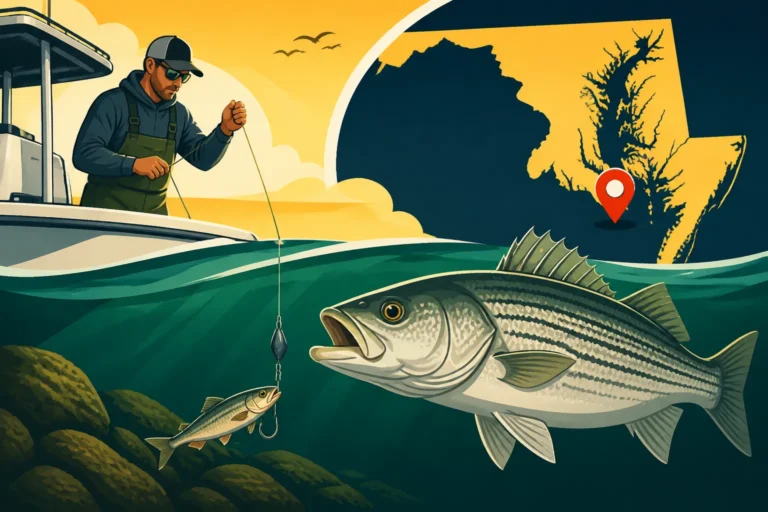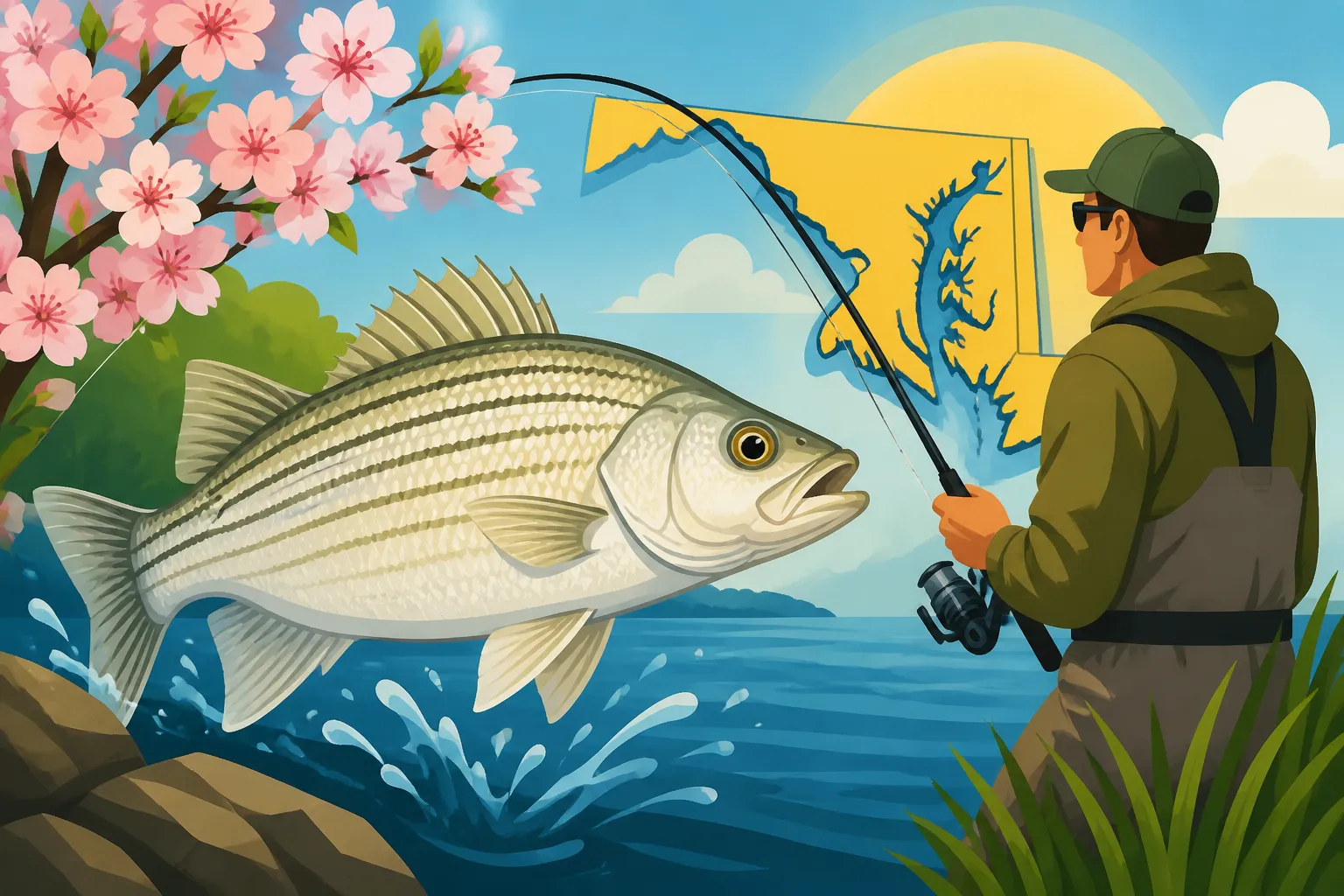
Fishing for Spring-Run White Perch in Maryland
There's nothing quite like the excitement of Maryland's spring white perch run. You've been waiting through the cold winter months, dreaming of that tell-tale tap, tap, tap on your line, but sometimes it feels like a total mystery: when exactly do they show up, where do you even start looking, and what on earth do they want to bite? If you've ever felt frustrated trying to pinpoint this fleeting but incredibly rewarding fishery, you're in the right place. This comprehensive guide will equip you with the knowledge and tactics to consistently find and catch these feisty panfish during their annual spring migration.
Understanding the Spring White Perch Run Phenomenon
The spring white perch run isn't just a random event; it's a predictable, instinct-driven migration that has been happening for millennia. Knowing the "why" behind it is often the first step to truly understanding the "when" and "where" to find them. These feisty fish are one of Maryland's true treasures, offering fantastic action for anglers of all skill levels.
The Annual Migration Upstream
Just like their larger cousins, the striped bass, white perch are anadromous, meaning they spend most of their lives in brackish or saltwater but return to freshwater to spawn. As winter's chill loosens its grip on the Chesapeake Bay and its tributaries, something stirs deep within the white perch populations. It's an ancient call, a biological clock ticking, telling them it's time to head upstream, sometimes dozens of miles, into shallower, sweeter waters. This journey is all about reproduction, ensuring the next generation of perch.
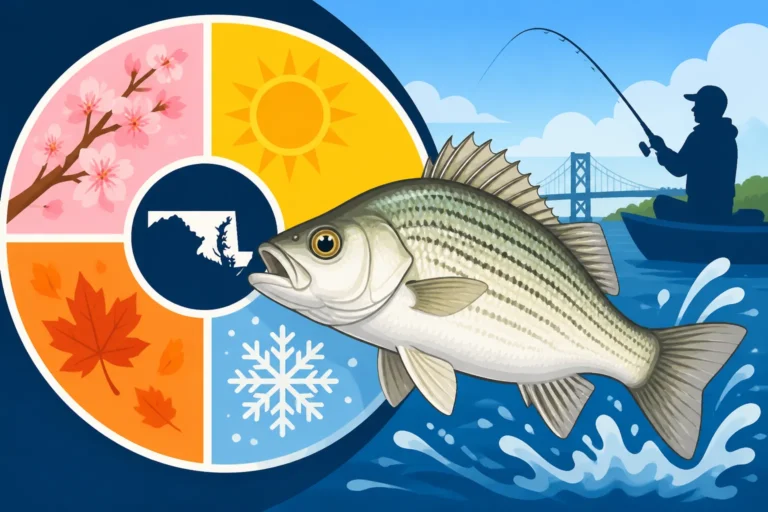
The typical timing for this migration in Maryland truly depends on water temperature. Generally, when bay waters start to consistently hit the upper 40s and low 50s Fahrenheit, the first trickles of perch begin their journey. As temperatures climb into the mid-50s and even into the low 60s, the run can explode. Think late March through May for most areas, but it can start earlier in shallower, sun-warmed creeks or later in larger, deeper rivers. Specific rivers like the Choptank, Patuxent, Chester, and the multitude of smaller creeks feeding them on the Eastern Shore, or the Magothy and Severn on the Western Shore, all experience this incredible surge of fish. It's a fantastic time for anglers who appreciate a bustling fishery, and catching these eager biters can make for a memorable outing. You might find our broader guide on the Best Time of Year to Fish in Maryland helpful for understanding seasonal patterns across species.
Key Water Conditions for a Successful Run
While temperature is the primary driver, other water conditions play a huge role in the success and timing of the white perch run. It’s not just about the thermometer; it’s about the whole package. Ignoring these factors can lead to a slow day when other anglers are filling their coolers.
Ideal water temperatures for the peak spawning activity generally hover between 50 and 60 degrees Fahrenheit. If it's too cold, the fish will stage in deeper holes, waiting. If it warms up too quickly, the run might be short and intense, or the fish might move up and down the river in response to fluctuating temperatures. Rain can be a double-edged sword: a gentle spring rain can actually invigorate the bite by raising water levels and increasing flow, but a heavy downpour can muddy the waters, scattering fish and making them harder to find. When the water gets too cloudy, perch rely less on sight and more on scent, so your bait choices might need to adjust. Similarly, tides, especially in the lower reaches of tidal rivers, can concentrate fish, particularly during the incoming or outgoing flows, as discussed in detail in How Tides Affect Fishing in Maryland's Chesapeake Bay. These moving water conditions help carry bait and signal feeding opportunities.
Water clarity is another crucial factor. White perch are primarily sight feeders, so clear or slightly stained water is usually best. After heavy rains, when rivers run like chocolate milk, the bite can shut down almost entirely until the sediment settles. Finding areas where clearer water pushes into murkier sections, often near creek mouths or bends, can be a real hotspot. Oxygen levels, influenced by temperature and flow, also play a part. Healthy, oxygenated water attracts active fish. Pay attention to stream reports from the Maryland Department of Natural Resources (DNR) or local bait shops; they often have the most up-to-date information on water conditions in your target area.
Locating Prime Spring White Perch Hotspots
Knowing when the run is happening is only half the battle; knowing where to intercept these migrating fish is critical. White perch aren't uniformly distributed throughout a river; they follow specific pathways and congregate in particular areas. Finding these concentrations is key to a productive day on the water.
Tidal Rivers and Creeks of the Chesapeake Bay
Maryland's Chesapeake Bay tributaries are the lifeblood of the white perch run. These rivers and their countless smaller creeks provide the perfect environment for the perch to complete their spawning ritual. The Choptank River, for example, is legendary for its spring perch fishing, with anglers flocking to its upper reaches and feeder creeks like Tuckahoe Creek. The Patuxent River is another perennial favorite, especially upstream near Benedict and beyond, where the water transitions from brackish to fresh. You might find more specific insights in our guides like Fishing the Choptank River and Fishing the Patuxent River.
When you're scouting these waters, think about bottlenecks, deeper holes, and submerged structure. As white perch move upstream, they often navigate through narrower sections of the river. These bottlenecks act like funnels, concentrating the fish into more manageable areas for anglers. Look for sharp bends in the river or points where the channel narrows. Deeper holes, particularly those with a quick drop-off nearby, serve as resting and staging areas for perch as they prepare for the next leg of their journey or await optimal spawning conditions. Submerged structure, whether it's fallen trees, old dock pilings, or even subtle changes in bottom contour, offers cover and ambush points for baitfish, which in turn attracts hungry perch. Don't be afraid to try different depths within these areas; sometimes they're suspended, sometimes they're right on the bottom.
Identifying Spawning Areas and Staging Zones
Once the perch reach the upper limits of their migration, they'll seek out specific types of habitat to spawn. These are the ultimate hotspots, but fishing them responsibly is crucial to protect the future of the fishery. Before they spawn, they'll gather in "staging zones," often slightly deeper areas adjacent to the actual spawning grounds.
Spawning areas for white perch are typically characterized by shallow, sandy, or gravelly bottoms, often with some submerged aquatic vegetation. These areas warm up quickly in the spring sun, providing ideal conditions for egg development. Look for quiet coves, shallow flats at the heads of creeks, or the edges of main river channels where the current isn't too strong. These spots offer protection for the eggs once laid. The transition zones where fresh and brackish water meet are also prime locations, as they mark the physiological shift the fish need to make for spawning. You'll often find incredible concentrations of fish here. Understanding White Perch Spawning Runs in Maryland Rivers can provide more in-depth knowledge about this crucial phase.
The perch will often gather in large schools in staging zones just outside these primary spawning grounds. These might be slightly deeper channels or holes within a creek or the main river, perhaps a bit further downstream from the very shallowest areas. They'll hold here, feeding aggressively and waiting for the water temperature and lunar cycles to align perfectly for the spawn. Anglers targeting these staging zones can experience incredible action. The fish are often fat, active, and eager to bite as they fuel up for the energy-intensive process of reproduction. It's a great opportunity for sustained action, whether you're fishing from shore, a kayak, or a small boat.
Essential Gear for Spring White Perch Anglers
You don't need a boatload of expensive, specialized gear to catch spring-run white perch. In fact, one of the beauties of this fishery is how accessible it is with relatively simple tackle. However, having the right simple tackle can make a huge difference in your success and enjoyment.
Rods, Reels, and Line Selection
For white perch, the name of the game is light tackle. These fish aren't huge, typically ranging from 6 to 12 inches, with larger "citation" fish sometimes pushing 15 inches or more. An ultralight or light-action spinning rod, somewhere between 5 to 7 feet in length, is absolutely perfect. It allows for sensitive feel, casting light lures, and makes even an 8-inch perch feel like a trophy. Using heavy gear just doesn't provide the same thrill and can actually reduce your bite detection.
Pair that sensitive rod with a small spinning reel, something in the 1000 to 2500 series range. A smooth drag is more important than sheer cranking power. For line, 4 to 6-pound test monofilament (mono) or braided line is ideal. Mono offers a bit of stretch, which can be forgiving, while braid offers incredible sensitivity and casting distance with very thin diameters. If you use braid, consider adding a 2-3 foot leader of 6 to 8-pound fluorocarbon for abrasion resistance and invisibility in clearer water. You can find excellent ultralight combos and various line types easily on Amazon, offering a convenient way to get set up if your local tackle shop doesn't have exactly what you're looking for. The portability of this light setup also makes it ideal for shore fishing or navigating tight creek banks.
Baits and Lures That Consistently Produce
White perch aren't overly finicky during their spring run, but some baits and lures definitely outperform others. Having a selection of these "go-to" options will keep your lines tight.
When it comes to live bait, it's hard to beat the classics. Grass shrimp are perhaps the ultimate white perch candy, especially in tidal creeks. Their natural scent and movement are irresistible. Bloodworms are another powerful option, particularly effective when the fish are less active or when the water is a bit colder. You'll typically find these at local tackle shops. Be sure to keep them cool and fresh. If live bait isn't available or you prefer artificials, small soft plastic jigs are incredibly effective. Think 1/16 to 1/8 ounce jig heads paired with tiny plastic grubs, curl-tail worms, or even tiny paddle tails. Colors like chartreuse, white, pink, and motor oil are perennial favorites. Brands like Berkley Gulp! Alive! provide excellent scent attraction in their soft plastics, mimicking live bait without the hassle. Spinnerbaits, particularly small Roostertails or Mepps spinners in sizes #0 or #1, can also be deadly when perch are aggressive. For a broad selection of these smaller artificial lures and jig heads, a quick search on Amazon can yield many options.
Here's a quick comparison of popular spring white perch baits and lures:
| Bait/Lure Type | Pros | Cons | Ideal Conditions |
|---|---|---|---|
| Grass Shrimp | Highly effective, natural scent/movement | Can be hard to find, fragile, messy | All conditions, especially clear water |
| Bloodworms | Excellent scent, works in cold/murky water | Expensive, messy, not always available | Cold water, slower bite, murky conditions |
| Small Soft Jigs | Versatile, various colors/shapes, durable | Less natural scent than live bait | All conditions, good for active fish |
| Small Spinnerbaits | Excellent vibration/flash, covers water fast | Can snag easily in heavy cover, less subtle | Aggressive fish, searching large areas |
| Small Spoons | Good flash, casts well, simple retrieve | Less action than jigs/spinners, can be finicky | Active fish, open water |
Effective Techniques for Catching Spring Perch
Having the right gear is important, but knowing how to present your baits and lures effectively is what truly puts fish in the cooler (or in your camera roll, for catch and release). White perch can be caught using a variety of methods, but mastering a few key techniques will maximize your chances.
Bottom Fishing and Bobber Fishing Strategies
These two classic techniques are incredibly effective for spring white perch, especially when the fish are holding in specific depths or aren't actively chasing lures. Knowing when to use each can make a huge difference.
Bottom fishing is excellent when perch are concentrated near the riverbed, which they often are when staging in deeper holes or actively feeding on benthic organisms. A simple bottom rig consists of a sinker at the very bottom, with one or two snelled hooks (size #4 to #8) tied on droppers above it. Use just enough weight to hold your bait on the bottom in the current. A slip sinker rig, where the sinker slides freely above a swivel tied to your leader and hook, can also be very effective, especially if the current is lighter, as it allows the fish to pick up the bait without feeling the weight immediately. When bottom fishing, cast your rig out and let it settle. Watch your rod tip for the subtle "tap, tap, tap" of a perch bite. Sometimes, they'll just put a slight bend in your rod. Don't be too quick to set the hook; let them commit. This method is particularly useful when targeting those deeper holes mentioned in Fishing the Choptank River or similar spots.
Bobber fishing, on the other hand, is perfect for when perch are suspended at a specific depth, often over submerged vegetation or near cover. It's also a fantastic method for kids and beginners because it's so visual. A slip bobber setup is often preferred over a fixed bobber, as it allows you to easily adjust your fishing depth without constantly re-tying. You simply slide a bobber stop knot onto your main line, followed by a bead, the slip bobber, and then your hook (or a small jig) with a split shot or two to get it down. Set the bobber stop to the depth you want to fish – often just a few feet off the bottom, or even shallower if you see fish breaking the surface. The bobber's movement will clearly indicate a bite, making it exciting to watch. This technique shines in quieter, shallower coves or slower-moving creek sections where the current won't pull your bobber away too quickly.
Light Tackle Jigging and Casting Methods
When the perch are more active and aggressive, light tackle jigging and casting can be incredibly productive, allowing you to cover more water and entice strikes with artificials. This is often the most exciting way to catch them.
Vertical jigging is incredibly effective when you've located a school of perch, either on your fish finder or by consistently catching them in one spot. Drop a 1/16 or 1/8 ounce jig head (with a small grub or plastic) directly down to the bottom. Once it hits, lift your rod tip sharply about a foot or two, then let it fall on a semi-slack line. Many strikes happen on the fall, so pay close attention. Experiment with the rhythm – some days they want a fast, aggressive jig, other days a slow, subtle twitch is better. The key is to keep that lure dancing right in their strike zone. This technique is especially good from a boat or kayak when you can position yourself directly over a school. For anglers looking to try this, our article on Jigging Techniques for Maryland's Chesapeake Bay Striped Bass might offer some transferable skills, even though the target species is different.
Casting and retrieving small jigs or spinnerbaits is the go-to method for covering water from shore or when you're searching for schools from a boat. Make a cast upstream or across the current, letting your lure sink for a few seconds. Then, begin a slow to moderate retrieve, adding small twitches with your rod tip to give the lure an erratic action. The goal is to imitate a fleeing baitfish or insect. Vary your retrieve speed and depth until you find what the fish prefer on that particular day. If you're using spinnerbaits, a steady retrieve is usually all that's needed to get the blade spinning and attracting attention. This method allows you to explore different parts of a creek or river quickly, and it's particularly fun when the perch are aggressively feeding in shallow water.
Navigating Regulations and Ethical Practices
Responsible angling is a cornerstone of our community. While white perch are abundant, adhering to regulations and practicing ethical fishing ensures that this fantastic fishery remains healthy for future generations. Don't let ignorance be an excuse for breaking the rules.
Maryland White Perch Size and Creel Limits
Regulations are put in place for a reason: to manage fish populations sustainably. For white perch in Maryland, there is no minimum size limit, which means you can keep perch of any size. However, there is a daily creel limit of 15 fish per person. This means you can keep up to 15 white perch per day. While there's no size limit, many anglers choose to release the very smallest fish to give them a chance to grow, and often the largest "brood stock" fish to ensure future spawning success.
It is absolutely crucial to check the latest Maryland DNR fishing regulations before you head out, as rules can change annually or even mid-season based on stock assessments and management needs. You can typically find the most up-to-date information on the DNR website or in their annual fishing guide. Remember, fishing without a valid license where required can result in fines and penalties, so always ensure you have your Maryland Fishing License Guide for 2026 in order. Additionally, it's a good idea to refresh your memory on Maryland Fishing Size and Catch Limits by Species to avoid any accidental violations while targeting perch.
Conserving the Fishery and Responsible Angling
Beyond just following the rules, responsible angling means thinking about the long-term health of the resource. White perch are prolific, but heavy pressure during the spawning run can still have an impact.
If you plan to practice catch and release, especially with larger spawning fish, handle them with care. Minimize their time out of the water, use wet hands when handling them, and avoid squeezing them around the belly, which can damage their internal organs. Consider using barbless hooks or pinching down barbs on your hooks to make releases quicker and less stressful for the fish. Releasing healthy fish, particularly the larger breeding stock, contributes directly to the sustainability of the population. Also, remember to respect private property when fishing from shore. Always ask permission if you're unsure, and never leave trash or fishing line behind. Pack out everything you pack in. Leaving a fishing spot cleaner than you found it is a simple act that benefits everyone and keeps access open for anglers. These practices are essential for preserving the opportunity for future generations to enjoy the thrill of the spring white perch run.
The Best Times to Target the Spring Run
While we've touched on timing, let's dive deeper into the specific windows and environmental cues that will tell you the white perch run is truly on. It's about more than just the calendar; it's about reading the water and the weather.
Timing Your Trip with Water Temperature
Water temperature is the absolute king when it comes to predicting the spring white perch run. As the Bay and its tributaries gradually warm after winter, the fish respond. The ideal temperature window for the main migration and spawning activity is generally between 50 and 60 degrees Fahrenheit. Below 50, they'll be lethargic and slow to move upstream, often holding in deeper, warmer pockets. Above 60, especially as it approaches 65-70, the spawning activity will have mostly concluded, and the fish will start to disperse back into the main Bay or deeper sections of the rivers.
To monitor water temperature, you can use a portable thermometer, many of which are inexpensive and can be found on Amazon. Some depth finders also have temperature gauges. Pay attention to water temperature trends: a few consecutive days of rising temperatures will kick things into high gear. The "early season" often sees smaller schools of males moving up first, followed by the larger females as the water continues to warm towards the peak. The "peak" of the run is when the highest concentrations of fish are in the spawning areas. The "late season" is when fish begin to drop back downstream, often still feeding actively but less concentrated. Understanding these nuances will help you plan your trip for optimal success.
Tidal Influence and Weather Considerations
Beyond temperature, tidal movement and weather patterns play a significant role in how and when white perch bite during the spring run. Ignored by some, these factors can be the difference between a full stringer and an empty bucket.
In tidal rivers and creeks, moving water is almost always better for fishing. Both the incoming and outgoing tides can be productive, as the current dislodges bait and concentrates the fish. Many anglers find the last two hours of the incoming tide and the first two hours of the outgoing tide to be the most active periods. This is often when baitfish are most disoriented, and perch are actively feeding. You can find detailed tide charts for Maryland's waters online or in local tide books. Pay particular attention to the strength of the current; sometimes, a slower, gentler tide is better in very shallow spawning areas, while a stronger current can activate fish in deeper channels. Our guide on Fishing Maryland Waters at Dawn vs Dusk also discusses how changing light conditions, often coinciding with tide changes, can impact the bite.
Weather considerations are equally important. Overcast days, especially with a light drizzle, can often produce excellent fishing, as the reduced light makes fish feel more comfortable feeding in shallower water throughout the day. Bright, sunny, bluebird days, however, can push fish into deeper water or denser cover, making them harder to find, especially mid-day. A sudden cold front can put the fish off entirely, causing them to shut down and move to deeper, more stable water. Conversely, a warm front can jumpstart the bite. Keep an eye on the forecast and adjust your plans accordingly. Sometimes, fishing the day before a cold front hits can be fantastic as fish feed aggressively in anticipation of the change.
Disclaimer
Please note that fishing regulations, including size and creel limits, can change. Always consult the latest Maryland Department of Natural Resources (DNR) rules and regulations before heading out to fish. This guide provides general information and recommendations, but it is the angler's responsibility to be aware of and comply with all current laws. Fishing can be an inherently dangerous activity; please exercise caution, be aware of your surroundings, and prioritize safety on the water.