Ice Fishing in Maryland
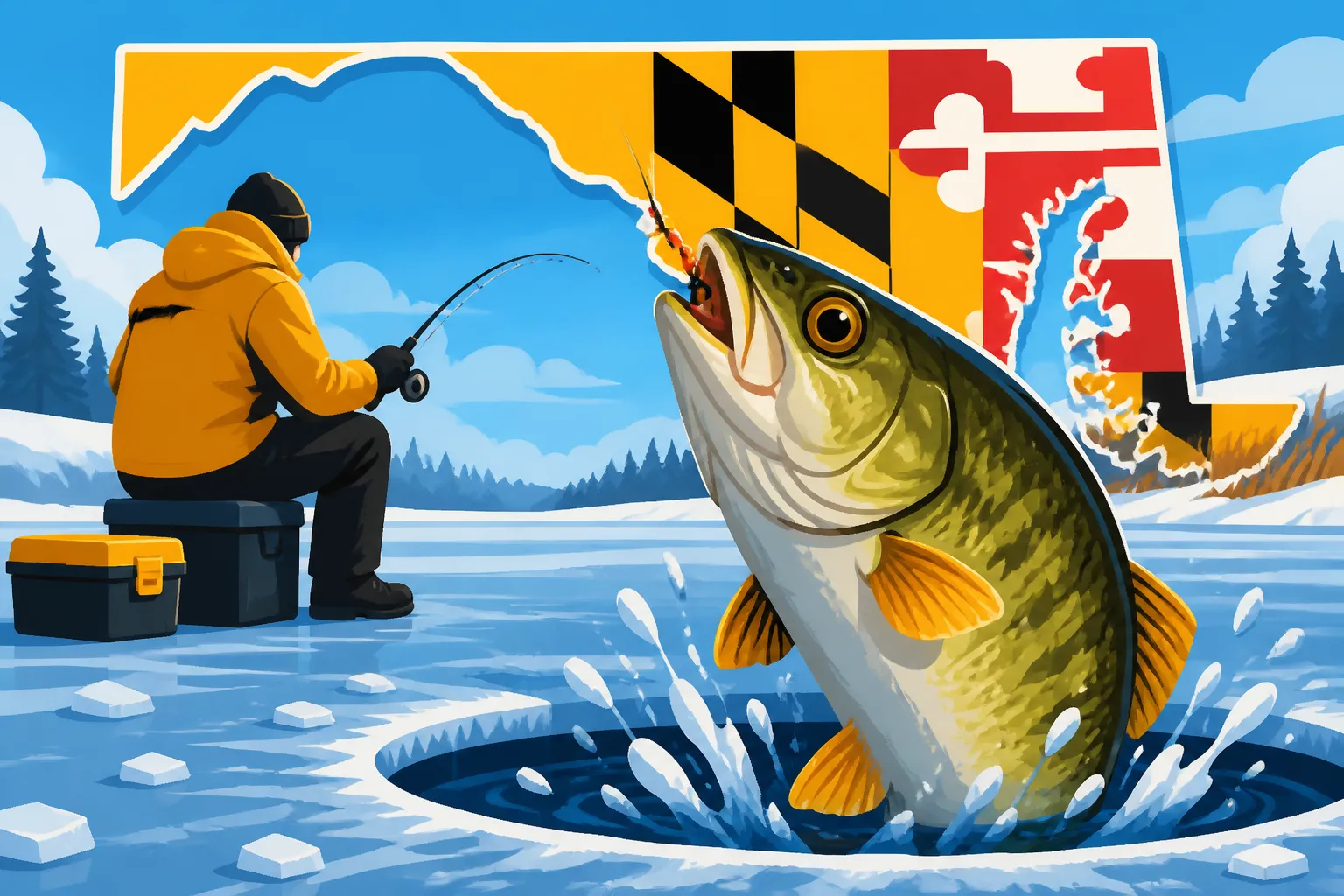
For many anglers, the thought of ice fishing conjures images of vast, frozen lakes up north, far from Maryland's generally milder winters. It can be a real head-scratcher trying to figure out if and where you can even safely chase fish on hard water in our state, leading to missed opportunities and a lot of uncertainty. This comprehensive guide is here to melt away that confusion, offering practical, local advice on how to embrace the unique thrill of ice fishing right here in Maryland.
The Reality of Ice Fishing in Maryland
Let's be honest, Maryland isn't exactly Minnesota when it comes to consistently frozen lakes. Our winters can be a bit hit-or-miss, with cold snaps often followed by thaws. This makes ice fishing a somewhat opportunistic pursuit, demanding patience and careful attention to weather patterns. However, when the conditions are just right, and Mother Nature blesses us with a stretch of sustained freezing temperatures, the opportunity to walk out onto a solid sheet of ice and drop a line is truly magical. It’s a completely different angling experience, a quiet communion with nature that many Marylanders don't even realize is possible in their own backyard.
Where Ice Fishing is Possible and Likely
While you won't be ice fishing on the Chesapeake Bay, there are specific pockets of Maryland where consistent ice formation is a yearly occurrence, given the right cold weather. The western mountains, with their higher elevations and typically colder temperatures, are the most reliable spots. Beyond that, smaller, shallower impoundments across the state can freeze over, offering brief windows of opportunity. It's about knowing where to look and, crucially, when to look. Don't let a few warm days fool you; a sustained cold front can turn even familiar open water into a safe ice fishing destination surprisingly quickly.
Deep Creek Lake in Garrett County is hands down the most famous and reliable ice fishing destination in Maryland. Its elevation and geographic location mean it sees longer, colder winters than most of the state, allowing for consistent and relatively thick ice formation. Anglers flock here annually to target various species through the ice. But it's not the only game in town. Numerous smaller, private, and public ponds, particularly those with less water flow, will also cap with ice. Think about smaller state park lakes or even farm ponds. These lesser-known spots can offer fantastic action for panfish. For a deeper dive into this prime location, check out our guide on Ice Fishing at Deep Creek Lake, Maryland.
Understanding Maryland's Climate for Ice Formation
Maryland's climate is truly a mixed bag. We're far enough south that extreme cold isn't guaranteed, but far enough north to experience significant freezes. The key to understanding ice formation here is sustained cold. A few nights below freezing won't cut it. You need a solid week or more of temperatures consistently below 20-25°F, with overnight lows dipping well into the teens or single digits. Wind also plays a huge role; strong winds can prevent or delay ice formation, even in very cold temperatures, by churning the surface water.
Water depth and current are also critical factors. Shallow coves and smaller, stagnant ponds will freeze much faster than deeper, more open water or areas with significant current, like river channels. This is why smaller ponds often offer the first, and sometimes only, ice fishing opportunities in central and eastern Maryland. Reservoirs like Loch Raven, Liberty, or Prettyboy might develop safe ice on their shallower arms and coves, but the main bodies, being deeper and more exposed, are much less reliable. It’s a delicate balance of meteorology and hydrology that determines whether you'll be able to walk on water or just stare longingly at it.
Safety First: The Golden Rule of Ice Fishing
I cannot stress this enough: Ice fishing is an inherently dangerous activity if proper precautions aren't taken. The golden rule, etched into every experienced ice angler's mind, is "no ice is 100% safe." You must always verify ice thickness and integrity for yourself. This isn't just about avoiding a chilly dunk; falling through can lead to hypothermia, serious injury, or even death. Never assume the ice is safe just because someone else is out there, or because it was safe yesterday. Conditions can change rapidly.
Before you even step foot on the ice, you need a plan. Tell someone where you're going and when you expect to return. Always go with a buddy, if possible. Equip yourself with essential safety gear like ice picks, a spud bar (ice chisel), and a throw rope. A spud bar is your best friend for checking ice thickness as you go. You should be tapping the ice every few steps, listening to the sound and feeling the resistance. If it feels soft or sounds hollow, back away. A minimum of 4 inches of clear, solid ice is generally considered safe for individual foot travel, but 5-7 inches is much more comfortable, and 8-12 inches is recommended for ATVs or snowmobiles. Be extra wary around inlets, outlets, bridges, or areas with springs, as these spots often have thinner ice due to water movement. Learn more about Ice Fishing Safety on Deep Creek Lake before heading out.
Prime Locations for Maryland Ice Fishing
When the cold truly sets in, Maryland transforms, offering unique opportunities for hard water anglers. Knowing where to go is half the battle, as suitable ice is a precious and often fleeting commodity. Focusing on locations known for more consistent freeze-ups and accessible waters can greatly increase your chances of a successful and safe outing.
Deep Creek Lake: The Ice Fishing Capital
If you're serious about ice fishing in Maryland, your pilgrimage will almost certainly lead you to Deep Creek Lake in Garrett County. This sprawling, high-altitude reservoir is Maryland's undisputed ice fishing capital, thanks to its reliable and often thick ice cover. During a good winter, the lake can freeze solid enough for several feet of ice, creating a vast playground for anglers. Here, you'll find a community of dedicated ice fishermen, from those huddled in portable shelters to others braving the elements in more minimalist setups.
The lake's diverse fishery makes it incredibly attractive. You can target yellow perch, chain pickerel, crappie, bluegill, and even walleye and trout in certain areas. Deep Creek Lake offers ample public access, including designated state park areas where you can often find plowed parking close to the lake. While it's popular, the sheer size of the lake means you can usually find a quiet spot away from the crowds. Just remember that even on Deep Creek, ice conditions can vary. Always check with local bait shops or the Deep Creek Lake State Park office for the latest reports before venturing out. For more details on this gem, you might find our guide on How Thick Does Ice Get at Deep Creek Lake? helpful.
Smaller Lakes and Ponds: Hidden Gems
Beyond the grandeur of Deep Creek, Maryland is dotted with numerous smaller lakes and ponds that can offer excellent, though often more fleeting, ice fishing opportunities. These include state park lakes, county park ponds, and even private farm ponds. Their shallower depths and more sheltered locations mean they'll freeze faster and more consistently than larger, deeper bodies of water. The trick is identifying them and being ready to strike when conditions allow.
These smaller impoundments are often prime spots for panfish like bluegill, crappie, and yellow perch, which can provide fast and furious action for anglers of all ages and skill levels. Chain pickerel are also common in many of these waters, offering a fun challenge. Some examples include lakes within Patapsco Valley State Park, Cunningham Falls State Park, Greenbrier State Park, and even smaller community ponds in more rural areas. Always check with the managing authority (DNR, county parks, or private landowners) for specific rules and public access. Some of these spots might require a specific Maryland Nontidal vs Tidal Fishing License, Explained, so be sure to secure the right one.
Reservoirs and Nontidal Rivers
Maryland's large public reservoirs, such as Loch Raven, Liberty, and Prettyboy near Baltimore, or Triadelphia and Rocky Gorge further south, present a more challenging, but sometimes rewarding, ice fishing scenario. While their main bodies rarely freeze completely and safely, their shallower coves, arms, and feeder creeks can develop fishable ice during extended cold snaps. These areas, particularly in protected bays, offer a chance to target yellow perch, crappie, and occasionally largemouth bass through the ice.
Fishing these reservoirs often requires more vigilance regarding ice safety, as open water can be just around the bend. It's crucial to stick to clearly frozen, sheltered areas and use extreme caution. For those wondering about the feasibility, our article on Can You Ice Fish on Maryland's Reservoirs? provides more context. Additionally, select nontidal rivers, particularly slow-moving stretches or oxbow lakes off the main current, can also offer very limited ice fishing, typically targeting panfish or pickerel. Again, safety is paramount, as river ice can be notoriously unpredictable due to varying currents underneath. Always prioritize safety over the urge to fish a questionable spot. For a specific example, you can delve into Fishing Loch Raven in Winter to understand the nuances of reservoir ice fishing.
Essential Ice Fishing Gear for Maryland Anglers
Ice fishing, by its very nature, requires specialized gear. You're not just casting from a boat or shore; you're standing on a frozen lake, drilling holes, and battling the elements. Having the right equipment isn't just about comfort; it's about safety and success. While Maryland's ice fishing season might be shorter than in more northern states, you still need to be adequately prepared for the cold and the unique challenges of hard water angling.
Staying Warm: Layering and Outerwear
Staying warm and dry is absolutely crucial for an enjoyable and safe ice fishing experience. Hypothermia is a real danger, and feeling miserable from the cold will quickly send you packing. The key is layering. Start with moisture-wicking base layers, such as merino wool or synthetic materials, to pull sweat away from your body. Cotton is a no-go for base layers as it traps moisture and makes you cold. Over that, wear insulating mid-layers like fleece or down jackets.
Your outer shell should be waterproof and windproof. A high-quality ice fishing suit is ideal, as it's designed with insulation, waterproofing, and often flotation for added safety. Brands like Striker, Clam, or Eskimo make excellent options. Don't forget extremities: a warm hat that covers your ears, insulated gloves or mittens (often a combination of both – thin gloves for dexterity and thick mittens for warmth), and heavily insulated, waterproof boots are non-negotiable. Look for boots rated to -40°F or colder. You can find a good selection of specialized ice fishing gear, including suits and boots, on Amazon. Pack extra layers, just in case, and consider hand and foot warmers for those extra chilly days.
Ice Safety Equipment: Non-Negotiables
As discussed, safety is paramount, and having the right equipment can literally be a lifesaver. Never, ever venture onto the ice without these essential items. First, ice picks are small, handheld tools with sharp spikes connected by a string worn around your neck. If you fall through, these allow you to get a grip on the ice and pull yourself out. Second, a spud bar (or ice chisel) is a heavy, pointed metal bar used to test ice thickness ahead of you. It's an indispensable tool for every step you take.
Third, a throw rope is a coiled rope often stored in a bag, designed to be thrown to someone who has fallen through the ice. It should be at least 50 feet long and easily accessible. Fourth, flotation assist garments, such as an ice fishing suit with integrated flotation, can provide crucial buoyancy and thermal protection in an emergency. Finally, always carry a fully charged cell phone in a waterproof bag, and consider a portable whistle to signal for help. These aren't just recommendations; they're vital tools for your survival.
Rods, Reels, and Lures for Hardwater
Ice fishing gear is specialized for a reason: you're fishing through a small hole, often in very cold water. Your rod and reel setup will be much smaller than what you typically use for open water. Ice fishing rods are short, typically 24-36 inches long, with sensitive tips to detect subtle bites. They come in various actions (light, medium, heavy) depending on the species you're targeting. For panfish like perch and crappie, a light action rod is perfect, while a medium action is better for pickerel or walleye.
Reels are usually small spinning reels, sometimes even specialized "inline" ice reels designed to prevent line twist. Spool them with ice fishing specific monofilament or fluorocarbon line, which resists freezing and remains supple in cold temperatures, or braided line with a fluorocarbon leader. When it comes to lures, think small. Tiny jigs tipped with a grub, wax worm, or minnow are deadly effective. Small spoons, horizontal jigs, and tungsten jigs are also popular. For specific recommendations, our guide on Best Ice Fishing Lures for Maryland Lakes offers excellent insights. Always bring a variety of baits, as fish preferences can change throughout the day.
Shelter and Augers
While some hardy souls prefer to fish "run-and-gun" style without a shelter, a good ice fishing shelter can make your day infinitely more comfortable, especially in Maryland's often windy or brutally cold conditions. Shelters range from lightweight, one-person flip-over shanties that attach to your sled, to larger, hub-style pop-up shelters that can accommodate several anglers. They provide protection from wind, snow, and bitter cold, and some even have integrated heaters, turning your fishing spot into a cozy oasis. A well-insulated shelter from a brand like Clam or Eskimo can genuinely extend your time on the ice.
To get to the fish, you'll need an auger to drill holes through the ice. Hand augers are great for thinner ice (up to 12-18 inches) and offer a good workout. Power augers (gas or electric) are a godsend for thicker ice or when you need to drill many holes quickly. Electric augers have become incredibly popular due to their quiet operation, lack of fumes, and ease of use. A 6-inch auger is perfect for panfish, while an 8-inch or 10-inch auger is better for larger species like walleye or pike, allowing more room to fight the fish and scoop them out. You can find highly-rated electric augers and portable shelters on Amazon that can be a game-changer for your comfort and efficiency.
Targeting Key Species Through the Ice
Maryland's frozen waters, particularly Deep Creek Lake and other smaller impoundments, offer a diverse array of fish species willing to bite through the ice. Understanding what you're targeting, and tailoring your approach, is key to a successful winter outing. The cold water often concentrates fish, making them easier to locate, but also making them more lethargic, requiring subtle presentations.
Yellow Perch: The Winter Staple
If there's one fish that epitomizes Maryland ice fishing, it's the yellow perch. These vibrant, delicious panfish are abundant in many of our ice-covered waters, including Deep Creek Lake, and several reservoirs and ponds. They school up in large numbers during winter, making it possible to catch dozens once you find a good school. Perch are also fantastic table fare, making them a popular target for anglers looking to bring home a tasty meal.
To target yellow perch, focus on areas with moderate depths, often near drop-offs, weed lines (if still present under the ice), or subtle bottom transitions. They tend to hang out close to the bottom. Small jigs, typically 1/16 to 1/8 ounce, tipped with a small minnow head, wax worm, or maggot, are incredibly effective. A common technique is to jig the lure a few inches off the bottom, giving it subtle twitches and pauses. Don't be afraid to experiment with different depths in the water column, as schools can sometimes suspend. When you find one, you'll likely find many!
Bluegill and Crappie: Panfish Paradise
Bluegill and crappie are other fantastic panfish targets through the ice, offering consistent action and a great way to introduce new anglers, especially kids, to ice fishing. Bluegill are often found in shallower water than perch, typically in bays, coves, and near weed edges. Crappie, on the other hand, often suspend in deeper water over submerged brush piles, timber, or other structure. Both species respond well to small presentations and can provide endless entertainment on the ice.
For bluegill, tiny tungsten jigs (often 1/32 to 1/64 ounce) tipped with a single wax worm, grub, or plastic micro-nymph are perfect. Fish them slowly, often just off the bottom or suspended a few feet down. For crappie, small spoons, vertical jigs, or small minnows on a plain hook under a bobber are excellent choices. Crappie are known for their incredibly light bite, so a sensitive rod tip is crucial to detect those almost imperceptible takes. If you're looking for abundant action and delicious fillets, these two species are your go-to. Our guide on Maryland Panfish: Crappie, Perch and Sunfish offers more insights into these tasty targets.
Chain Pickerel and Northern Pike: Toothier Targets
For anglers seeking a more aggressive fight and a toothier challenge, chain pickerel and, in Deep Creek Lake, northern pike offer exciting opportunities through the ice. Both are ambush predators that will readily strike larger baits. Pickerel are widespread in many Maryland ponds, lakes, and even some slow-moving rivers, while northern pike are more specific to Deep Creek. These fish provide an adrenaline rush that contrasts with the more subtle bites of panfish.
When targeting pickerel and pike, use tip-ups set with live minnows (shiners or fatheads) suspended at various depths, particularly near weed edges, submerged timber, or drop-offs. The "flag up" of a tip-up is one of the most exciting sights in ice fishing! You can also jig for them using larger spoons, lipless crankbaits, or even small swimbaits. Remember to use a wire leader or heavy fluorocarbon leader to prevent bite-offs from their sharp teeth. Always have a pair of long-nosed pliers or jaw spreaders handy for safe hook removal, as well as a tape measure to ensure you adhere to Maryland Daily Bag Limits by Species.
Trout and Walleye Opportunities
Maryland offers limited but exciting opportunities for trout and walleye through the ice, primarily at Deep Creek Lake. For trout, the Maryland Department of Natural Resources (DNR) occasionally stocks certain lakes with rainbow, brown, or golden rainbow trout, and Deep Creek Lake holds a natural population of these, particularly near deeper, cooler areas. Anglers targeting trout often use small jigs tipped with mealworms or powerbait, or small spoons fished higher in the water column. You might need a Maryland Trout Stamp Requirements in addition to your regular license if you're fishing designated trout waters.
Walleye are another prized catch at Deep Creek Lake. These elusive fish are often most active during low light conditions (dawn and dusk) and at night. They prefer deeper structures like humps, points, and drop-offs. Jigging with larger spoons or blade baits tipped with a minnow head, or using tip-ups with live minnows near the bottom, are common and effective tactics. Walleye have a notoriously light bite, so pay close attention to your rod tip. Catching a trophy walleye through the ice is a badge of honor for any Maryland ice angler. For more information on these specific species, you can check out our comprehensive Maryland Trout Species Guide.
Mastering Ice Fishing Techniques
Ice fishing is more than just drilling a hole and dropping a line; it involves specific techniques tailored to hard water conditions and the behavior of cold-water fish. Mastering these methods will significantly increase your success rate and make your time on the ice more productive and enjoyable.
Jigging: The Primary Method
Jigging is hands down the most popular and often most effective technique for ice fishing in Maryland. It involves using a small, weighted lure (a jig) that you work up and down through the water column using your rod tip. The goal is to imitate a struggling baitfish or insect, enticing a lethargic fish to strike. The beauty of jigging is its active nature; you're constantly working your bait and can feel the subtle bites directly.
The motion is usually a gentle lift of a few inches, followed by a controlled drop, allowing the jig to flutter or dance. Pause briefly at the top and bottom of your lift. Experiment with the aggressiveness of your jigging motion and the length of your pauses. Sometimes fish prefer a very subtle quiver, while other times a more aggressive snap is needed. Pay close attention to your fish finder (if you have one) to see how fish respond to your presentation. Often, a fish will follow your lure upwards; if it doesn't strike, try dropping the lure quickly past its nose, which can trigger a reaction bite. Different jig colors, sizes, and tipping options (wax worms, minnow heads, plastics) can make a huge difference, so be prepared to experiment.
Tip-Ups: Passive but Effective
While jigging keeps you active, tip-ups offer a more passive, yet incredibly effective, way to cover more water and target larger, less active fish. A tip-up is essentially a device that sits over your ice hole and holds your bait at a set depth. When a fish takes the bait, it triggers a flag to "tip up," signaling a bite. This allows you to fish multiple holes simultaneously (check local regulations for the number of lines allowed per angler, often two lines for nontidal waters in Maryland).
Tip-ups are particularly effective for targeting larger predators like chain pickerel, northern pike, or even walleye, which often prefer a stationary, live bait presentation. Rig your tip-up with a sturdy line (often braided), a swivel, a leader (wire for toothy fish), and a plain hook with a live minnow. Set the depth so the minnow swims just above any visible structure or in the fish's feeding zone. Space your tip-ups out to cover different depths or areas of interest. When a flag goes up, approach quietly, grab the line, and hand-line the fish in. The thrill of seeing a flag pop up against a stark white landscape is one of the most exciting aspects of ice fishing.
Reading the Ice and Structure
Successful ice fishing, especially in Maryland's diverse waters, involves more than just drilling random holes. It requires learning to "read" the ice and understanding the underwater structure. Reading the ice involves identifying safe ice (clear, black ice is generally strongest) and avoiding weak spots (milky ice, slushy areas, or areas around currents/inlets). Pay attention to changes in ice texture and color, which can indicate varying thickness and strength.
Understanding underwater structure is equally vital. Fish, even in winter, relate to structure. Look for drop-offs, humps, points, submerged weed beds, rock piles, or old creek channels. These are natural congregation areas for baitfish, which in turn attract predatory species. Use a portable fish finder (flasher or LCD unit) to pinpoint these features and locate fish. If you don't have electronics, rely on topographical maps of the lake or reservoir, often available from the DNR or online. Start by drilling a series of holes along a contour or structure, checking for fish as you go. Once you find a productive depth or spot, concentrate your efforts there. Moving and drilling multiple holes until you find active fish is a core tenet of effective ice fishing.
Ice Fishing Regulations and Best Practices in Maryland
Like all forms of angling in Maryland, ice fishing is subject to specific regulations designed to manage fish populations and ensure angler safety. Being informed about these rules, as well as adopting responsible fishing practices, is crucial for both legal compliance and preserving our natural resources for future generations.
Maryland DNR Rules and Permissible Waters
Before you even pack your gear, it's essential to understand Maryland's fishing regulations. A valid Maryland Fishing License Guide for 2026 is required for anyone age 16 and older to fish in nontidal waters (which includes most ice fishing locations like Deep Creek Lake and other reservoirs/ponds). There are specific license requirements depending on whether you're a resident or non-resident, and whether you're fishing tidal or nontidal waters. Most ice fishing in Maryland falls under nontidal regulations.
Key regulations to be aware of include:
- Creel and Size Limits: Each species has specific daily creel (bag) limits and minimum (or sometimes maximum) size limits. These can vary by water body and time of year. Always consult the current Maryland DNR Fishing Guide, available online or at license vendors. For example, Maryland Daily Bag Limits by Species will be critical.
- Number of Lines: Generally, in Maryland's nontidal waters, an angler is allowed to fish with up to two lines. This means you can actively jig one rod while having a tip-up set with a second line.
- Designated Trout Waters: If you are fishing in waters designated as put-and-take trout areas or special trout management areas, additional regulations may apply, including the requirement for a Maryland Trout Stamp Requirements and specific gear restrictions (e.g., artificial lures only, barbless hooks).
- Live Bait Restrictions: Always check regulations regarding the use and transport of live bait, especially when crossing state lines or moving between different water bodies, to prevent the spread of invasive species.
- Ice Shanty Regulations: If you plan to use an ice shanty or portable shelter, be aware of any regulations regarding identification, removal dates (often required to be off the ice before a certain date in spring), and construction.
Always carry your fishing license and a copy of the current regulations with you on the ice. Maryland DNR police do patrol these areas, and violations can result in fines and penalties.
Ethical Angling and Environmental Stewardship
Being an ethical angler means more than just following the rules; it's about respecting the environment and the fish. When ice fishing, this includes several best practices. First, pack out everything you pack in. This means all trash, broken line, bait containers, and especially any ice fishing shanty debris. Leave no trace behind. This is particularly important on frozen lakes, as litter can become trapped in the ice and remain until spring.
Second, if you're practicing catch and release, handle fish with care. Minimize their time out of the water, especially in freezing temperatures, as cold air can damage their gills and eyes. Use forceps or pliers for hook removal to reduce stress. Third, be considerate of other anglers. Maintain a respectful distance, especially if they're in an ice shanty or seem to be focusing on a specific area. Excessive noise or crowding can spook fish and disturb other fishermen. Finally, be mindful of the ecosystem. Do not introduce any foreign species or dispose of bait in the water. Protecting Maryland's aquatic environments ensures healthy fisheries for everyone.
Catch and Release vs. Keeping Your Haul
The decision to keep or release your catch is a personal one, but it should always be guided by regulations and ethical considerations. If you plan to keep fish for the dinner table, ensure they meet all size and creel limits. Bring a cooler to keep your catch fresh, and clean them promptly. Panfish like yellow perch, crappie, and bluegill are excellent table fare and often caught in good numbers, making them popular choices for keeping.
For species like trout, walleye, or larger pike, you might opt for catch and release, especially if you're targeting trophy fish or want to preserve their populations. Always consider the health of the fish. If a fish is deeply hooked or severely injured, it's often more humane to keep it (if legal) rather than release it to die. Conversely, if you've already filled your limit or aren't planning to eat the fish, a careful release is the best practice. Remember that even during catch and release, you still need a valid fishing license and must adhere to all regulations.
Planning Your Maryland Ice Fishing Trip
Maryland's ice fishing season is typically short and unpredictable, making careful planning absolutely essential for a successful and safe outing. You can't just wake up and decide to go; you need to monitor conditions, prepare thoroughly, and be ready to act when the ice is safe.
Monitoring Weather and Ice Conditions
This is perhaps the single most critical aspect of planning an ice fishing trip in Maryland. Since safe ice is often a fleeting opportunity, you need to become a diligent weather watcher. Start tracking forecasts several weeks in advance, looking for prolonged periods of below-freezing temperatures. Pay particular attention to nighttime lows, as these are crucial for ice growth. Websites like the National Weather Service (NWS) provide detailed local forecasts, including current and historical temperatures, which can help you predict freeze-up times.
Beyond general weather, you need specific ice reports. Local bait and tackle shops near popular ice fishing destinations like Deep Creek Lake are invaluable resources. They often get daily reports from anglers and can tell you about current ice thickness, unsafe areas, and recent catches. Online fishing forums and social media groups dedicated to Maryland fishing can also provide real-time updates and discussions from fellow anglers. Never rely on just one source, and always, always verify conditions for yourself with a spud bar when you get on the ice. If in doubt, stay off. It's better to miss a day of fishing than to risk your life.
Connecting with Local Resources and Communities
One of the best ways to get up-to-date information and learn about local ice fishing nuances is to connect with the Maryland angling community. Visit local bait and tackle shops, especially those in Garrett County or near the reservoirs. Shop owners and staff are often passionate anglers themselves and have a wealth of knowledge about local conditions, effective baits, and productive spots. They can also point you to reliable guides or local fishing clubs.
Online forums, Facebook groups, and websites dedicated to Maryland fishing are also fantastic resources. Many experienced ice anglers are eager to share information, tips, and even offer advice to newcomers. You can often find answers to specific questions, like "What are the best spots on the Susquehanna Flats for Striped Bass?" (though not an ice fishing spot, these communities cover all aspects of local fishing) or "Are there any guided trips on the Nanticoke River for Catfish?" It’s a great way to tap into collective knowledge and perhaps even find a fishing buddy to join you on your first few trips. Don't be shy; most anglers love to talk about fishing!
Preparing for Unexpected Challenges
Even with the best planning, ice fishing can throw unexpected challenges your way. Being prepared for these can make the difference between an annoying hiccup and a dangerous situation. Weather changes rapidly on the ice. A sunny, calm morning can quickly turn into a windy, snowy whiteout. Always bring extra warm, dry clothing. A sudden wind shift can bring a biting cold that penetrates even the best outerwear.
Equipment malfunctions are also common. Your auger might refuse to start, your reel could freeze up, or your portable heater might run out of propane. Bring spare batteries, a basic tool kit, and backup supplies for critical items. If you're using a gas auger, pack extra fuel. Getting stuck in snow or mud on access roads is another possibility, especially in remote areas. A shovel, tow strap, and perhaps traction mats can be lifesavers for your vehicle. Finally, be prepared for medical emergencies. A well-stocked first-aid kit is essential, and make sure someone in your group knows basic first aid. Remember, help can be a long way off when you're out on the ice, so self-reliance is key.
Maryland Ice Fishing Outlook Table
To help you quickly assess some of Maryland's ice fishing options, here's a quick reference table. Remember that "Reliability of Ice" is highly dependent on specific winter conditions.
| Location | Primary Species Targeted | Typical Ice Reliability | General Access & Crowd Level | Unique Considerations |
|---|---|---|---|---|
| Deep Creek Lake | Yellow Perch, Crappie, Pickerel, Walleye, Trout | Most Reliable (Western MD) | Good Public Access, Moderate Crowds | Largest lake, best chance for thick ice. |
| Cunningham Falls Lake | Bluegill, Crappie, Chain Pickerel | Moderate (Central MD) | State Park Access, Low-Moderate Crowds | Smaller lake, often first to freeze in central MD. |
| Loch Raven Reservoir (Coves/Arms) | Yellow Perch, Crappie, Largemouth Bass | Low-Moderate (Central MD) | Limited Shore Access, Low Crowds | Main body rarely safe, stick to shallow coves. |
| Private Ponds | Bluegill, Crappie, Largemouth Bass, Pickerel | Varies (Statewide) | Private (Permission Needed) | Often freeze quickly, less pressured, can be very productive. |
Disclaimer
Please note that fishing regulations, ice conditions, and safety recommendations can change. Always consult the most current Maryland Department of Natural Resources (DNR) regulations and local ice reports before venturing out onto the ice. Ice fishing is inherently dangerous, and personal safety is your responsibility.