Ice Fishing at Deep Creek Lake, Maryland
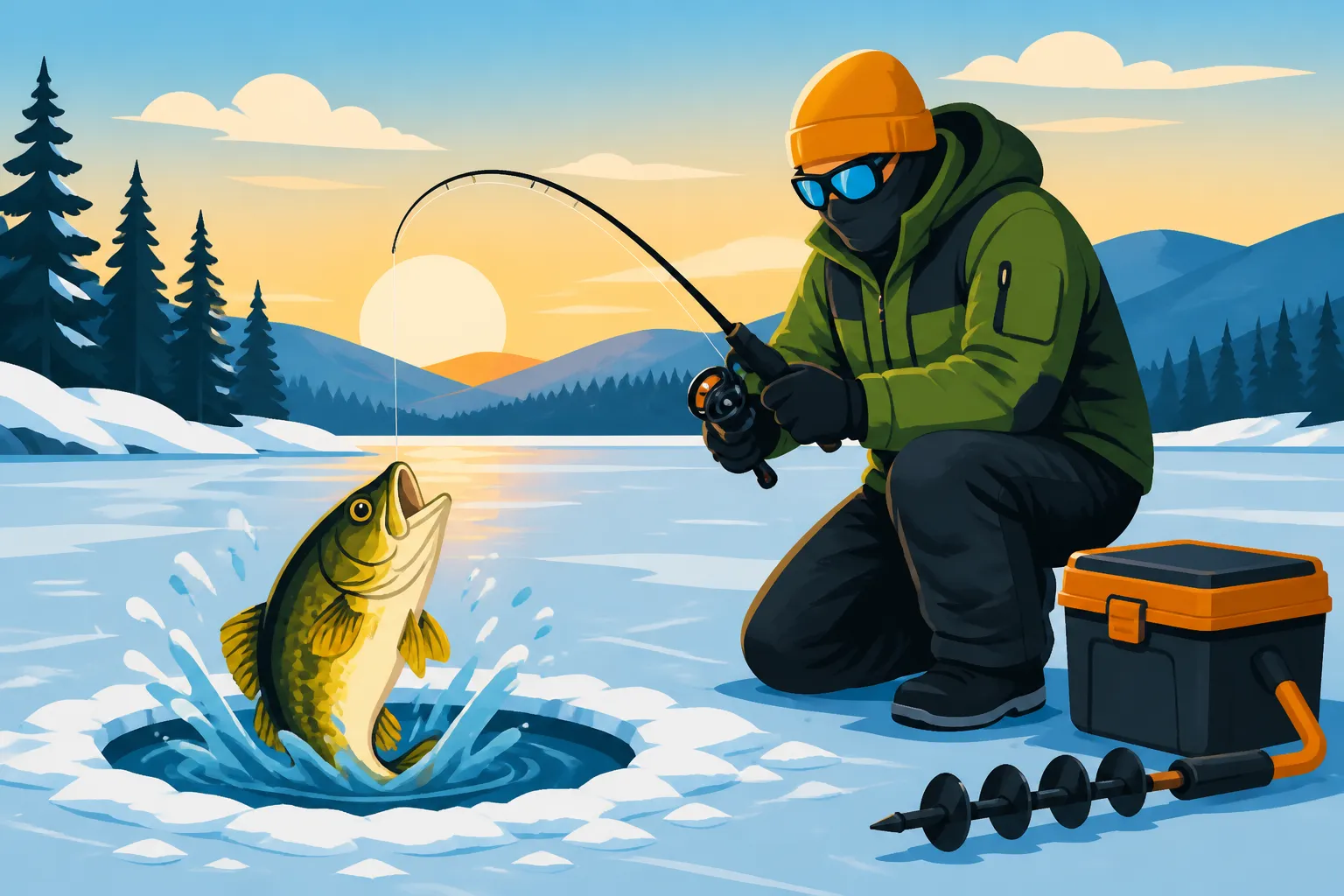
The crisp, silent beauty of a frozen lake, the focused anticipation over a small hole in the ice – there’s something truly magical about ice fishing, especially in a picturesque setting like Deep Creek Lake. Many anglers dream of experiencing this unique winter pursuit but feel daunted by the cold, the specialized gear, and the critical safety considerations. It’s a fantastic adventure, but requires careful planning and the right knowledge to enjoy safely and successfully. This comprehensive guide will walk you through everything you need to know about ice fishing at Deep Creek Lake, from assessing ice conditions and understanding the specific rules, to finding the best spots and selecting the right gear, ensuring you have a memorable and safe trip on Maryland’s largest freshwater lake.
The Allure and Challenges of Ice Fishing Deep Creek Lake
Deep Creek Lake, nestled in Garrett County, transforms into a winter wonderland when temperatures drop low enough to freeze its vast surface. For many Maryland anglers, it represents the ultimate opportunity to pursue a variety of species that behave differently in cold water, offering a distinct challenge and reward. The tranquility of being out on the expansive white plain, far from summer crowds, with only the sounds of the wind and the occasional crack of the ice, is an experience unlike any other. It’s a true escape into nature, punctuated by the thrill of a hard-fighting fish beneath the frozen surface.
Why Deep Creek Lake is a Premier Ice Fishing Destination
Deep Creek Lake isn't just Maryland's largest freshwater body; it's also its coldest, making it the most reliable spot for safe ice fishing conditions in the state. Unlike many other reservoirs or smaller ponds that might only skim over briefly, Deep Creek typically develops a robust ice cover that can last for weeks, sometimes even months, providing ample opportunity for winter anglers. This consistent freezing allows for a longer, more dependable ice fishing season, drawing enthusiasts from across the region. The lake is also home to a diverse fish population, including walleye, yellow perch, bass, chain pickerel, and even some trout, offering varied targets for ice anglers.
Beyond the fishing itself, the surrounding Garrett County area embraces winter activities, with Wisp Resort nearby and a general understanding of cold-weather recreation. This means easier access, more reliable information from local bait shops and guides, and a community that's geared towards winter enjoyment. You’ll often find a camaraderie among ice anglers, sharing tips and stories on the frozen expanse, which adds to the welcoming atmosphere. It’s a fantastic place to truly immerse yourself in the colder side of fishing, away from the hustle and bustle of busier summer spots.
Navigating the Unique Winter Environment
However, ice fishing at Deep Creek Lake isn't without its challenges. The mountain weather can be unpredictable, with sudden drops in temperature, heavy snowfall, or strong winds making conditions tough. You need to be prepared for extreme cold, and the sheer size of the lake means you can be a long way from shore or warmth if you venture out without proper planning. The ice itself presents a dynamic environment; it's constantly shifting, expanding, and contracting, which can create pressure cracks, slush, or weak spots. Understanding these environmental nuances is crucial for both safety and fishing success.
Furthermore, fishing through a small hole in the ice requires a different approach than open-water fishing. Fish behave differently in cold water, often becoming less active and congregating in specific depths or structures. Anglers must adapt their techniques, baits, and presentation to tempt these lethargic winter feeders. Navigating the unique aspects of ice fishing – from drilling holes and setting up shelters in freezing temperatures to understanding fish movements beneath the ice – can be a steep learning curve, but it’s an incredibly rewarding one when you get it right.
Decoding Deep Creek Lake's Ice: Safety First
Before you even think about drilling a hole, the absolute most critical aspect of ice fishing is safety. Ice is never 100% safe, and conditions can change rapidly. Misjudging ice thickness or quality can lead to serious danger. It's not just about the ambient air temperature; factors like snow cover, currents, springs, and even recent weather patterns can drastically affect the stability of the ice. A cautious, informed approach is always the best approach when venturing onto a frozen lake.
Predicting and Verifying Ice Thickness
Deep Creek Lake typically starts to form fishable ice in late December or early January, but this varies year to year based on sustained cold temperatures. Generally, you need several days of below-freezing temperatures, ideally in the teens or single digits, for safe ice to form. A good rule of thumb for safe ice fishing on foot is at least 4 inches of clear, solid ice. For snowmobiles or ATVs, you'll need 5-7 inches, and for a car or light truck, 8-12 inches. However, always exercise extreme caution; these are minimums, and more is always better.
Never assume ice is safe just because others are out there or because it's been cold for a while. Always check conditions yourself, especially if you're the first one venturing out. Start close to shore and use an ice auger or spud bar to test the ice thickness every 10-15 feet as you move further out. You can also consult local bait shops or the Maryland Department of Natural Resources (DNR) for up-to-date ice reports, though these should always be verified with your own on-site checks. Remember to also check our guide on How Thick Does Ice Get at Deep Creek Lake? for more detailed information on typical conditions.
Recognizing Different Ice Types and Hazards
Not all ice is created equal, and understanding the different types can literally be a lifesaver. Clear, black ice is generally the strongest, forming slowly in sustained cold without snow. Cloudy or white ice, often formed from refrozen snowmelt or slush, is weaker and requires greater thickness for safety. Ice formed over moving water, such as near inlets, outlets, or submerged springs, will always be thinner and more dangerous, regardless of the overall lake conditions. Areas around docks, pilings, or fallen trees can also have thinner ice due to heat absorption or altered current patterns.
Snow cover can also be a double-edged sword. While it insulates the ice, helping it grow thicker, it also hides potential hazards like cracks, open water, or areas of slush. Heavy snow can also weigh down the ice, pushing water up through cracks and creating dangerous slush layers that are difficult to traverse and freeze slowly. Always be on the lookout for pressure ridges, which are areas where ice sheets have buckled, creating unstable zones. Cracking and groaning noises from the ice are often normal as it expands and contracts, but loud, sudden snaps or a feeling of sinking should prompt an immediate retreat to shore.
Essential Gear for a Successful Deep Creek Lake Ice Trip
Once you've got safety firmly in mind, it's time to think about the gear. Ice fishing requires a specialized kit, designed to keep you warm, comfortable, and efficient in extreme cold. Skimping on proper equipment isn't just uncomfortable; it can be dangerous. Think of it as a small investment in countless hours of enjoyable winter angling. From the clothes on your back to the tools for drilling holes, every piece plays a vital role.
The Right Apparel and Shelter for Maryland's Winter
Staying warm and dry is paramount when ice fishing. Layering is key, starting with moisture-wicking base layers, followed by insulating mid-layers (fleece or down), and topped with a waterproof and windproof outer shell. Insulated boots with good traction are a must, ideally rated for temperatures well below what you expect. Don't forget a warm hat, gloves or mittens (preferably waterproof), and a neck gaiter to protect exposed skin. Many dedicated ice anglers invest in a flotation suit, which not only provides warmth but also offers buoyancy in case of an accidental plunge, a smart safety measure that can be found from brands like Striker or Eskimo.
An ice fishing shelter, or shanty, is a game-changer for comfort, especially on Deep Creek Lake where winds can be biting. Portable pop-up shelters from brands like Clam or Frabill are popular, offering quick setup and protection from the elements. These can be heated with a portable propane heater, transforming a frigid day into a cozy angling experience. Make sure your heater has an oxygen depletion sensor and proper ventilation to prevent carbon monoxide buildup. You can find a wide range of insulated apparel and portable shelters suitable for harsh conditions on Amazon, ensuring you're well-equipped for your Deep Creek adventure.
Augers, Electronics, and Specialized Ice Fishing Tackle
To get to the fish, you'll need an auger to drill through the ice. Manual hand augers are sufficient for thinner ice (under 8 inches), but electric or propane-powered augers become indispensable for thicker ice, especially if you plan to drill many holes or target large areas. Brands like Eskimo, Strikemaster, or ION offer reliable powered options that can cut through substantial ice with ease, making the physical exertion minimal. An 8-inch auger is a good all-around size for various species you'll find in Deep Creek Lake.
For rods, specialized ice fishing rods are shorter and have a more sensitive tip, designed for jigging small lures and detecting subtle bites. Paired with a small spinning reel spooled with light monofilament or fluorocarbon line (4-8 lb test), you'll be well-prepared. Essential electronics include a flasher or fish finder, like those from Vexilar or Marcum, which allows you to see fish, your lure, and the depth in real-time beneath the ice. This instant feedback is invaluable for understanding fish behavior and presenting your bait effectively. Don't forget a scoop to keep your holes free of ice, a sled to transport your gear, and a bucket to sit on and store your catch. You can often find comprehensive ice fishing rod and reel combos and even starter electronics kits on Amazon, making it easy to get outfitted.
| Item | Purpose | Key Features | Recommended Brands (Examples) |
|---|---|---|---|
| Ice Auger | Drilling holes in ice | Manual, electric, or gas-powered; 6-10 inch diameter | Eskimo, Strikemaster, ION |
| Ice Fishing Rod & Reel | Specialized for ice fishing | Shorter length (24-36"), sensitive tip, small reel | Fenwick, Clam, St. Croix |
| Fish Finder/Flasher | Locating fish and depth | Real-time sonar display under ice | Vexilar, Marcum, Humminbird |
| Portable Shelter | Protection from wind & cold | Pop-up, insulated, often room for heater | Clam, Frabill, Eskimo |
| Portable Heater | Warming the shelter | Propane-fueled, catalytic, oxygen sensor | Mr. Heater, Buddy Heater |
| Insulated Boots | Keeping feet warm and dry | Waterproof, rated for extreme cold, good traction | Baffin, Icebreaker, Sorel |
| Flotation Suit | Warmth & emergency buoyancy | Insulated, waterproof, built-in flotation material | Striker, Eskimo, Clam |
| Spud Bar | Testing ice thickness/safety | Heavy metal bar with chisel end | Own-brand, local tackle shops |
| Sled | Transporting gear | Durable plastic, often with tow rope | Shappell, Clam, Jet Sled |
Prime Spots and Target Species for Deep Creek Lake Ice Anglers
Deep Creek Lake is a large body of water, and knowing where to focus your efforts can make a huge difference in your success. Fish don't just spread out randomly under the ice; they'll congregate in specific areas that offer suitable oxygen, food, and cover during the colder months. Understanding these winter patterns is crucial for consistent catches. Different species also have different preferences, so targeting specific areas will yield specific results.
Finding Winter Holds for Walleye and Yellow Perch
Walleye and yellow perch are two of the most sought-after species through the ice at Deep Creek Lake, and they often inhabit similar areas. Look for deeper flats, humps, and the edges of submerged weed lines, typically in 20-40 feet of water. Walleye tend to cruise these areas, especially during low light conditions (dawn and dusk), looking for schools of perch or shiners. Yellow perch, being schooling fish, will often be found in large numbers over soft bottom areas or near subtle changes in depth. When you find one perch, there are usually many more.
Some productive areas at Deep Creek Lake include the deeper sections of the northern end of the lake, particularly around the Glendale Bridge area, and the large flats near the main channel. The basin areas closer to the dam can also hold concentrations of fish. Jigging small spoons or soft plastics tipped with minnow heads is often effective for both species. If you're really serious about catching walleye, check out our detailed guide on Fishing Deep Creek Lake for Walleye to help you pinpoint those prized fish. Remember that fish movements can be subtle in winter, so having a good fish finder is invaluable for identifying these productive zones and the fish within them.
Pursuing Bass, Pickerel, and Trout Through the Ice
While walleye and perch might be the superstars of Deep Creek Lake ice fishing, there are other exciting species to target. Largemouth and smallmouth bass, though less active in winter, can still be caught. Look for them around remaining submerged weed beds, rocky points, and timber in shallower to mid-depths (10-25 feet). They often relate to structure even more tightly in cold water. Live shiners or minnows fished under a tip-up are excellent choices for lethargic bass, enticing them with an easy meal. For those interested in deeper insights, our article on Best Coves at Deep Creek Lake for Bass can offer valuable year-round context.
Chain pickerel, a toothy predator, are often found in similar shallow to mid-depth areas with ample vegetation. They are ambush predators and will readily hit larger shiners or brightly colored spoons. These fish are aggressive even in winter and provide a thrilling fight on light ice tackle. While not as common for ice fishing, Deep Creek Lake also has trout populations. Trout will often hold near colder, oxygenated waters or around deeper structure. Small jigs, trout worms, or even tiny spoons can tempt them. Always be mindful of Maryland's Maryland Trout Daily Creel Limit when targeting these beautiful fish.
Techniques and Strategies for Icy Success
Ice fishing isn't just about dropping a line down a hole; it's a dynamic and active pursuit that involves specific techniques and strategies tailored to the cold water environment. Fish metabolism slows down significantly in winter, making them less inclined to chase fast-moving baits. Patience and subtle presentations are often the keys to success, but knowing when to be aggressive can also pay off. Adapting to the fish's mood and location is essential.
Mastering the Art of Jigging and Tip-Ups
Jigging is the most common and active form of ice fishing. It involves using a short rod to impart movement to a small lure (jig) just above where fish are holding. The motion can range from subtle quivers to aggressive lifts and drops, mimicking an injured baitfish or insect. For Deep Creek walleye and perch, small spoon jigs, horizontal jigs (like Rapala Jigging Raps), or plastic baits on a lead head are highly effective. Tipping your jig with a live minnow head, maggot, or wax worm often provides an irresistible scent and visual appeal. The key is to experiment with different jigging cadences until you find what triggers a bite on a given day. Our guide on Techniques for Catching Walleye at Deep Creek Lake offers even more in-depth advice for targeting this species.
Tip-ups, on the other hand, offer a more passive approach, allowing you to cover multiple holes and target more aggressive fish. A tip-up consists of a spool of line, a trigger, and a flag. When a fish takes the bait, the trigger releases, and the flag "tips up," signaling a bite. This method is particularly effective when using live bait like shiners or minnows, letting them swim naturally beneath the ice to attract larger predators like bass or pickerel. The beauty of tip-ups is that you can set them and then actively jig another hole, maximizing your chances. Just remember to spread your tip-ups out to cover different depths and structures.
Bait Selection and Presentation for Cold Water Fish
The bait you choose and how you present it are critical factors in cold water. As mentioned, live bait such as minnows, shiners, wax worms, and maggots are incredibly effective, providing natural scent and movement that can tempt even the most finicky fish. For walleye, a lively shiner suspended just off the bottom beneath a tip-up can be deadly. For perch, a small jig tipped with a maggot or piece of minnow is often irresistible. When using live bait, ensure it's fresh and lively, as sluggish bait is less appealing.
Artificial lures also have their place. Small spoon jigs, often in silver, gold, or bright colors, are excellent for attracting attention and imitating baitfish. Soft plastics, especially small tubes or grubs, can be fished on tiny jig heads for a subtle presentation. For pickerel, larger spoons or stick baits can be effective. Regardless of your bait choice, presentation matters. In cold water, fish often strike gently, so pay close attention to your line and rod tip for any unusual movements. Sometimes, the slightest twitch or pause is all it takes to trigger a bite. Don't be afraid to experiment with different colors and sizes; what works one day might not work the next. If you're looking for more specific recommendations, our article on Best Ice Fishing Lures for Maryland Lakes delves deeper into lure choices.
Adhering to Regulations and Preserving the Resource
Responsible angling isn't just about catching fish; it's about respecting the environment, adhering to regulations, and ensuring healthy fisheries for future generations. Maryland has specific rules that apply to all types of fishing, including ice fishing, and being aware of these is your responsibility as an angler. Ignoring them can lead to fines and penalties, which nobody wants when they're out trying to relax and enjoy nature.
Maryland's Specific Ice Fishing Rules and Limits
When ice fishing at Deep Creek Lake, you still need a valid Maryland fishing license. For most residents, a Maryland Fishing License Guide for 2026 will cover you, but if you're visiting from out of state, be sure to get a Maryland Nonresident Fishing License Cost or a temporary option if available. Children under 16 generally do not need a license, but it's always good to confirm current regulations. Remember, even though the lake is frozen, all general fishing regulations, including creel limits and size restrictions for various species, still apply. For example, there's a Maryland Walleye Size Limit and daily creel limit that you must adhere to. It's crucial to check the latest Maryland DNR fishing guide before each trip, as regulations can change from season to season.
Regarding tackle, anglers are generally allowed to fish with up to two lines or tip-ups simultaneously, though this can sometimes vary by water body. Always ensure your gear is clearly marked with your name and DNRid number. It's also illegal to leave holes unattended for extended periods. Most importantly, it is illegal to release any live fish back into a body of water other than the one from which it was caught, to prevent the spread of disease or invasive species. Always be prepared to properly handle your catch, whether you're keeping it or releasing it safely.
Practicing Responsible Angling and Lake Etiquette
Beyond the written rules, good lake etiquette and responsible angling practices are vital for everyone's enjoyment and for the health of the lake. Always pack out everything you pack in, leaving no trash or fishing line behind. This includes any broken gear, bait containers, and especially any dead fish you don't intend to keep. The pristine environment of Deep Creek Lake relies on the care and respect of those who enjoy it.
Additionally, be mindful of other anglers. Maintain a reasonable distance from others when setting up your holes and tip-ups, respecting their space and their fishing experience. If you're using a noisy auger, try to be considerate of those around you, perhaps drilling your holes during less active fishing times or in an area away from others. Most ice anglers are friendly and willing to share information, but respect is key. Should you observe any suspicious activity or blatant violations of fishing regulations, remember that the Maryland DNR has resources for reporting, such as their toll-free poaching hotline. Adhering to these principles ensures that ice fishing at Deep Creek Lake remains a cherished experience for all.
Safety First: Avoiding Hazards and Staying Prepared
While we've touched on ice safety earlier, it's so important that it warrants a dedicated section. Ignoring safety protocols is the quickest way to turn a fantastic day on the ice into a terrifying emergency. The stark reality is that accidents can and do happen, but most are preventable with proper preparation, vigilance, and common sense. No fish is worth risking your life.
Buddy System and Emergency Equipment
One of the golden rules of ice fishing is never to go alone. Always use the buddy system, especially when exploring new areas or when conditions are questionable. Having at least one other person with you can be life-saving in an emergency, as they can call for help or assist in a rescue. Before heading out, always tell someone reliable onshore where you're going and when you expect to return. This way, if you don't check in, someone knows to raise an alarm. Communication is key, and this simple step can make a huge difference if something goes wrong.
Beyond your fishing gear, essential safety equipment should always include: a spud bar (for testing ice thickness as you walk), ice picks (worn around your neck for self-rescue if you fall through), a length of rope (at least 50 feet, for rescuing others), and a fully charged cell phone (stored in a waterproof bag). A first-aid kit, a whistle, and a bright flashlight or headlamp are also highly recommended. If you're venturing far from shore, consider carrying a GPS device or a marine radio for communication. These items are non-negotiable for a safe day on the ice, providing crucial tools for self-rescue or assisting others. For a deeper dive into preventive measures, make sure to check out Ice Fishing Safety on Deep Creek Lake.
Understanding Weather and Ice Changes
Deep Creek Lake's mountain weather is notoriously fickle. A sunny, calm morning can quickly turn into a windy, snowy, white-out afternoon. Always check the forecast thoroughly before you go and monitor conditions constantly while on the ice. Rapid temperature changes, heavy snowfall, or strong winds can all affect ice stability. Warm spells can quickly degrade ice, even if it appears thick, while heavy snow can insulate the ice, preventing it from thickening further, or even create slush pockets.
Pay attention to visual cues as well. Dark spots on the ice can indicate thinner areas or open water. Areas around points, inlets, and structures like docks or bridge pilings are often less stable. Listen to the ice; loud cracks and groans are often normal, but a sudden, loud crack followed by a feeling of sinking is a red flag. If you ever feel uncomfortable with the ice conditions, trust your gut feeling and head back to shore immediately. It's always better to err on the side of caution and return another day when conditions are more favorable. Deep Creek Lake can be a challenging environment, but with respect for its power and diligent preparation, it offers an unparalleled ice fishing experience.
Disclaimer
Please note that fishing regulations, ice conditions, and safety recommendations can change. Always check the most current Maryland Department of Natural Resources (DNR) regulations before you fish. Ice safety should be your top priority; never assume ice is safe without verifying local conditions and exercising extreme caution. This guide is for informational purposes only and does not substitute for personal judgment and adherence to official safety guidelines.